
Worried that saving the bees requires acres of land, a horticulture degree, and a full weekend every month? It doesn’t. A pollinator garden can be as small as a single container on a patio, and the plants that fill it are some of the easiest, most forgiving flowers you can grow.
Bees, butterflies, moths, and hummingbirds are struggling with shrinking habitat everywhere but every single yard, balcony, or flower bed that offers them food and shelter helps. The best part for beginners: pollinator gardens are almost the opposite of high-maintenance. Skip the pesticides, choose the right plants, and let a little bit of “wildness” do the rest.
Save this list for later because these 15 beginner-friendly ideas will help you turn any space, big or small, into a genuine haven for pollinators. And don’t miss idea #6, since it’s the one detail most beginner pollinator gardens completely overlook.
1. Choose Native Plants First
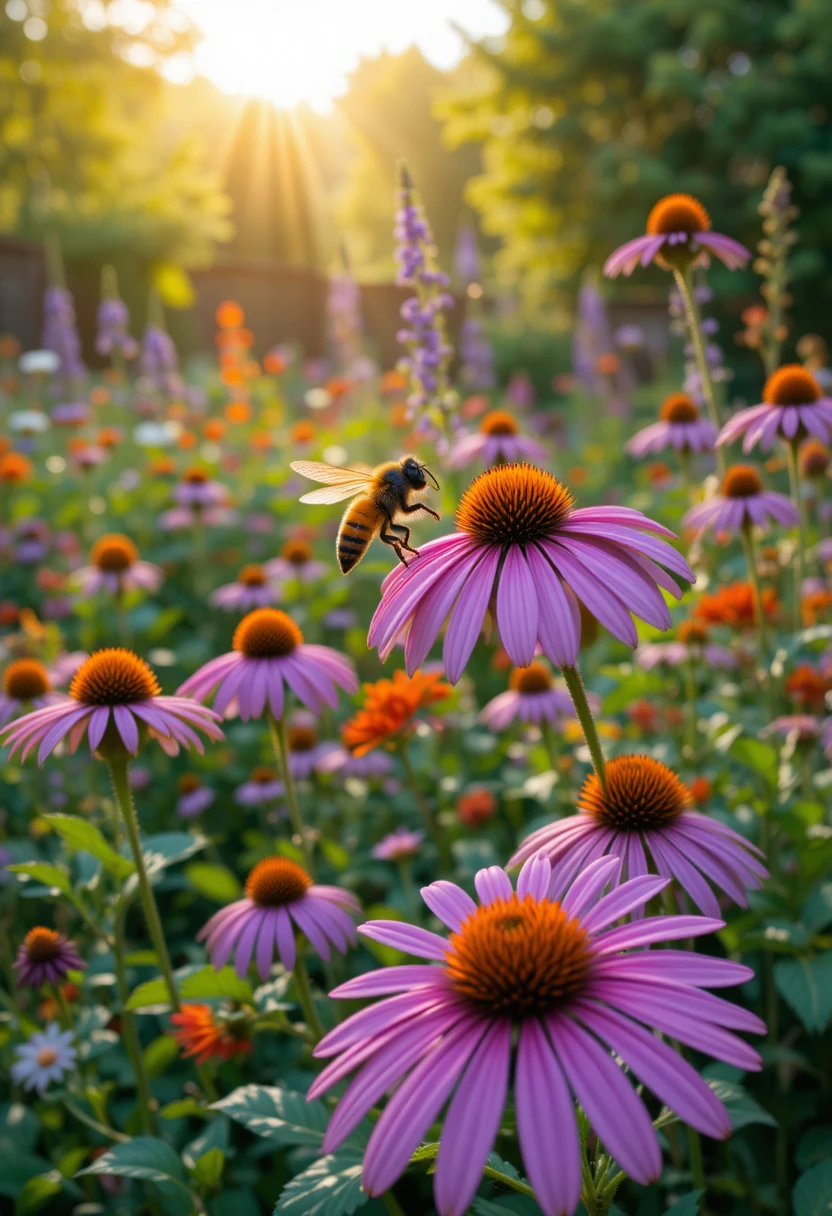
The single most impactful decision in any pollinator garden is choosing plants that are native to your region.
Local bees, butterflies, and moths co-evolved with native plants, which means they recognize them as food sources far more readily than non-native ornamentals. Native plants are also already adapted to your climate and soil, so they typically need less watering, fertilizing, and general fussing than imported varieties a win for both pollinators and your own to-do list.
2. Plant in Groups, Not Single Specimens
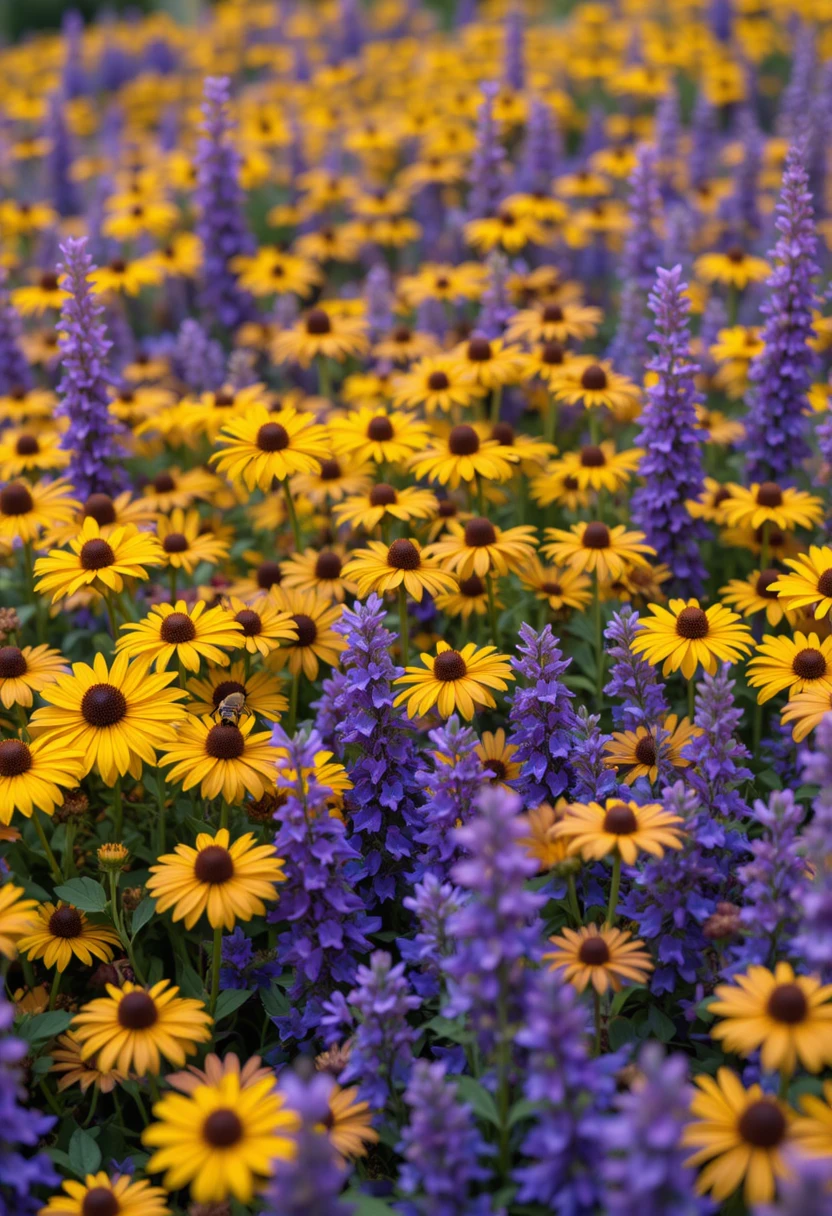
A lone flower here and there is easy for pollinators to miss entirely but a cluster of the same plant is a beacon.
Plant in groups of at least three of the same species rather than scattering single plants throughout the bed. Larger drifts create patches of color and scent that flying insects can spot from a distance, and they give pollinators enough food in one spot to make the visit worthwhile, rather than forcing them to hop across the whole yard for a single bloom.
3. Aim for Blooms in Every Season
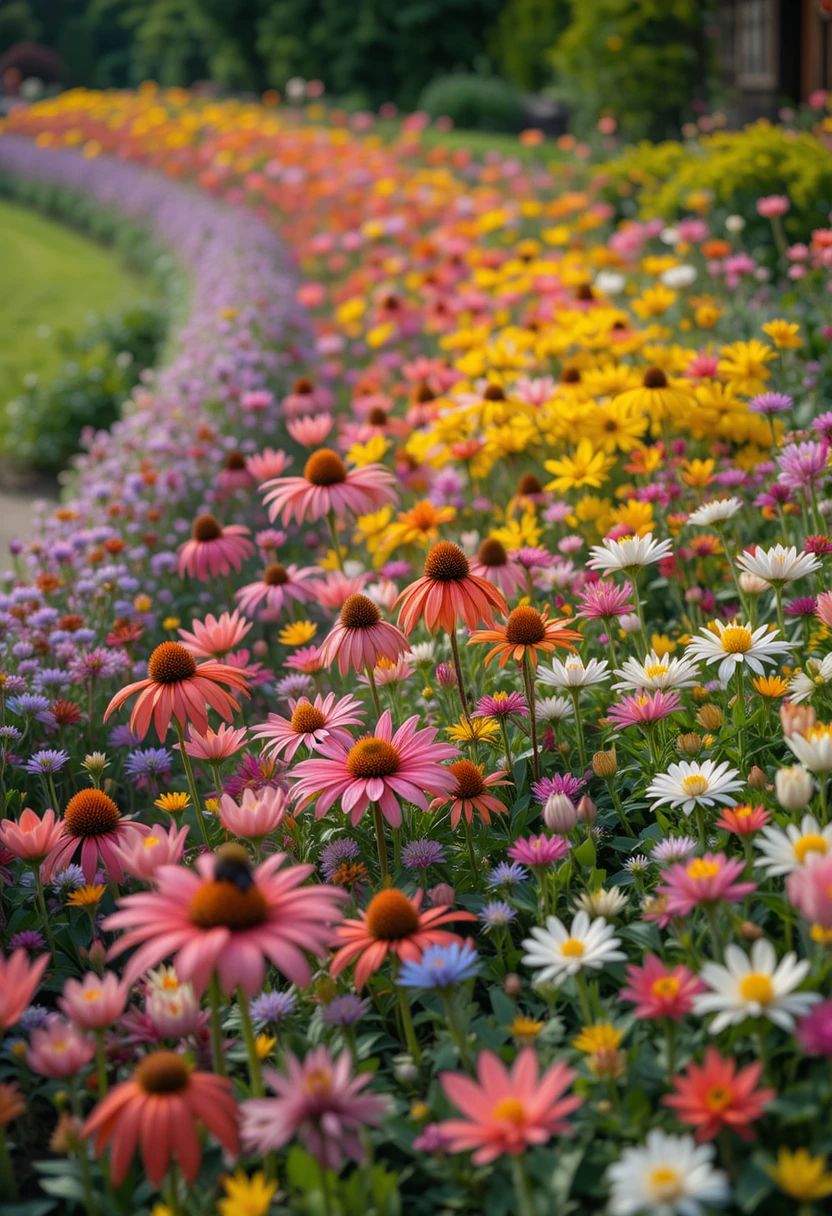
One of the easiest beginner frameworks for planning a pollinator garden is choosing three plants that bloom in each of the three main growing seasons spring, summer, and late summer/fall.
With three species blooming per season (nine total), and a few plants of each, your garden provides a near-continuous food source from the first spring blooms all the way through fall, instead of one big burst of color followed by weeks of nothing for hungry pollinators to find.
4. Pick a Sunny, Sheltered Site
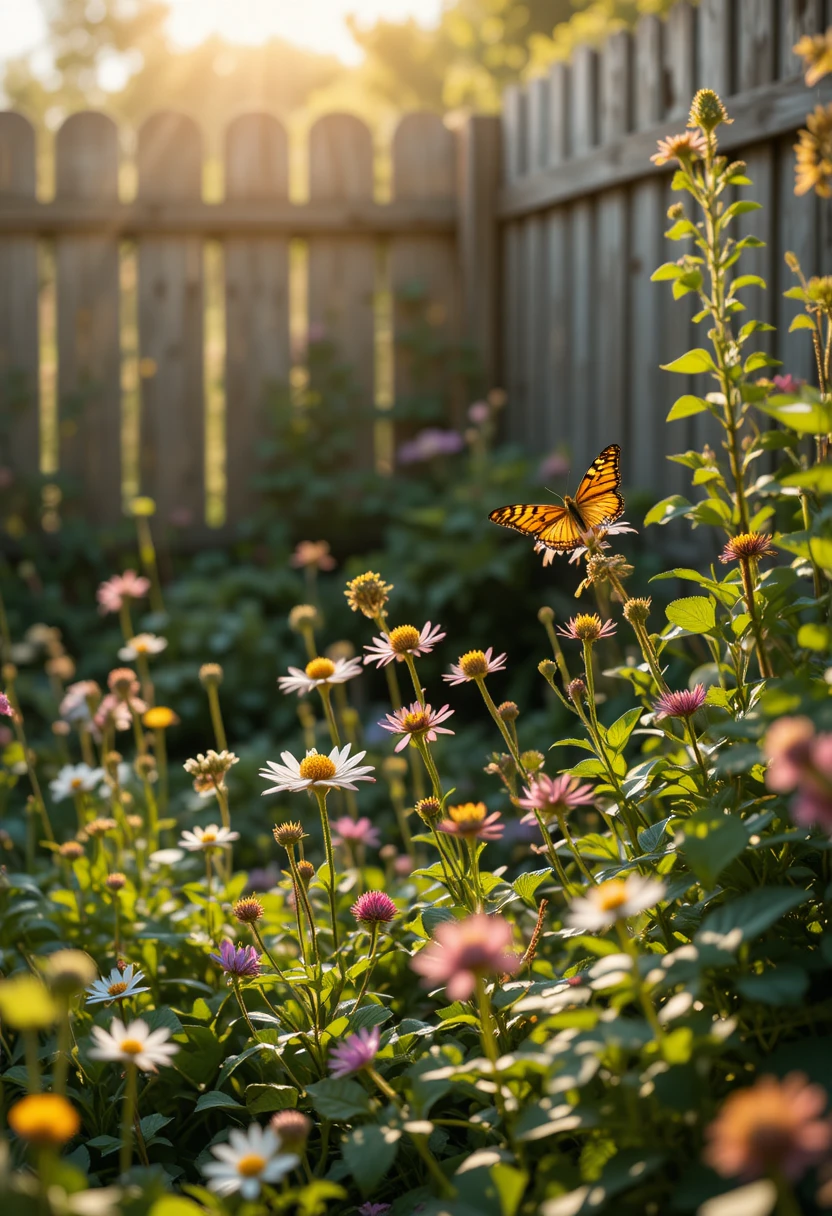
Most classic pollinator plants coneflower, bee balm, black-eyed Susan, milkweed want plenty of direct sun to bloom well and produce nectar.
Choose a spot that gets at least six hours of sun a day, ideally with some shelter from strong wind, since pollinators (especially butterflies) expend a lot of energy fighting gusty conditions. A location near a fence, hedge, or wall that blocks prevailing wind while still allowing full sun is close to ideal.
Read Also: 14+ Flower Garden Layout Ideas for Beginners
5. Mix Flower Shapes for Different Pollinators
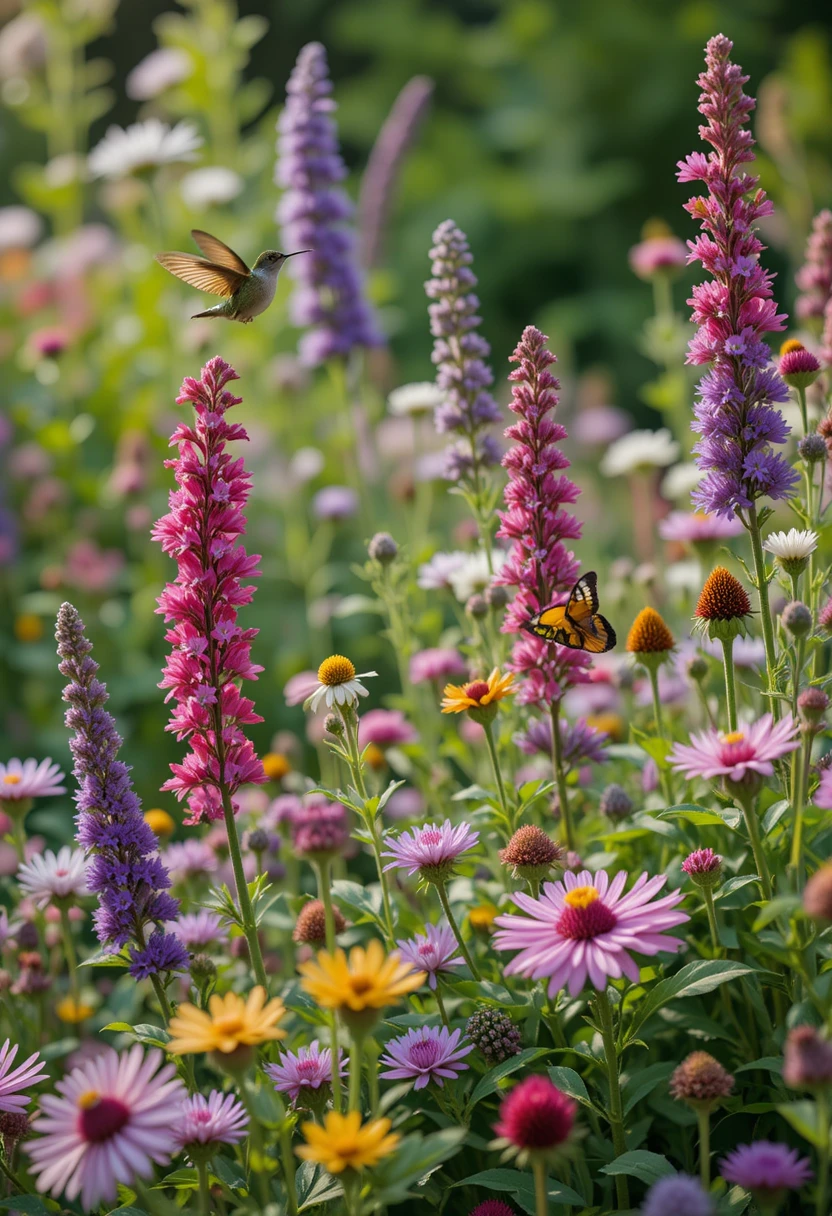
Different pollinators are drawn to different flower shapes, so a garden with only one shape only feeds one type of visitor.
- Tubular or spurred flowers (salvia, penstemon, honeysuckle) suit butterflies and hummingbirds with long feeding tubes.
- Large, flat blooms with open petals (sunflowers, coneflower) work as landing pads for bumblebees and butterflies.
- Tiny clustered flowers (yarrow, alyssum) are ideal for small native bees.
Mixing all three shapes throughout your garden means you’re feeding a much wider range of pollinators than a single-shape planting ever could.
6. Include Larval Host Plants, Not Just Nectar Flowers
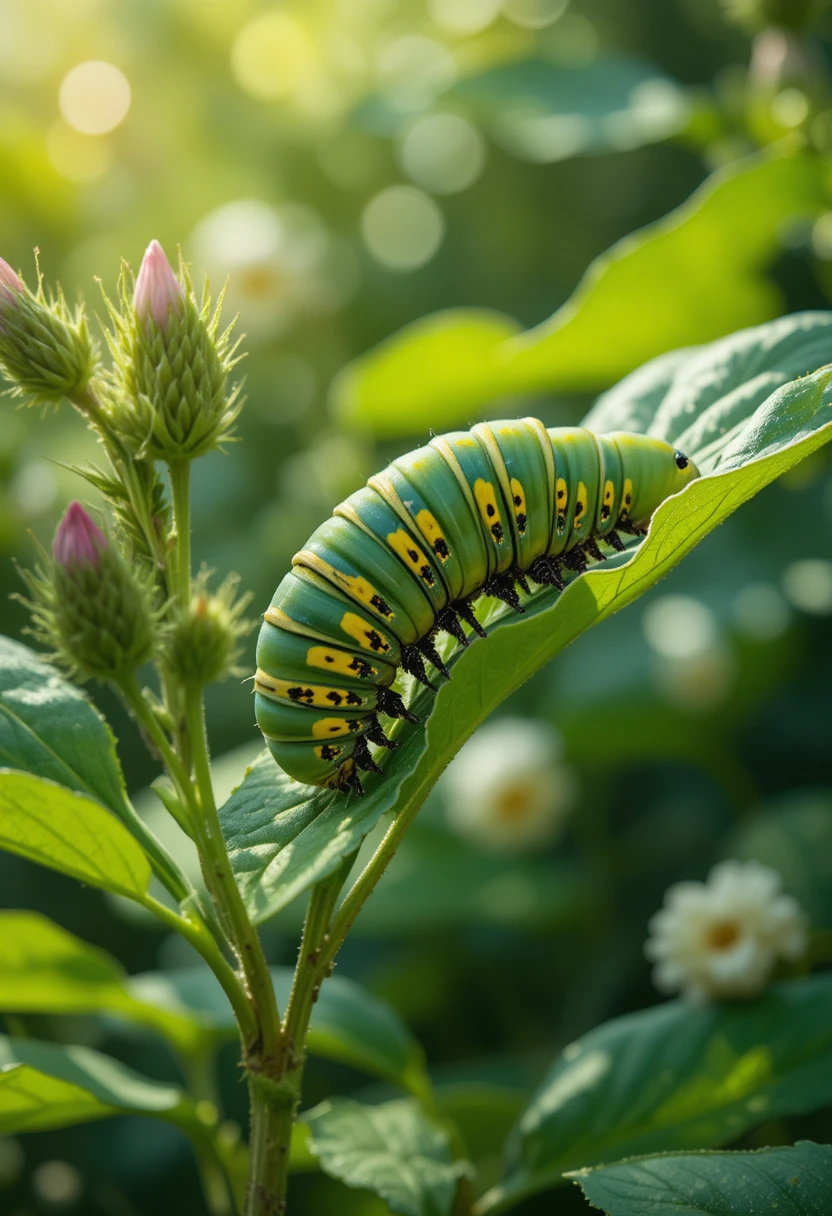
This is the detail almost every beginner pollinator garden misses because it’s easy to think only about feeding adult butterflies and bees, and forget about their offspring entirely.
Butterflies and moths need specific host plants to lay their eggs on, and without them, caterpillars have nowhere to feed and develop. Milkweed for monarch butterflies is the most famous example, but many native pollinators rely on specific host plants in the same way. A truly effective pollinator garden includes both nectar flowers for adults and host plants for their young.
7. Add a Water Source
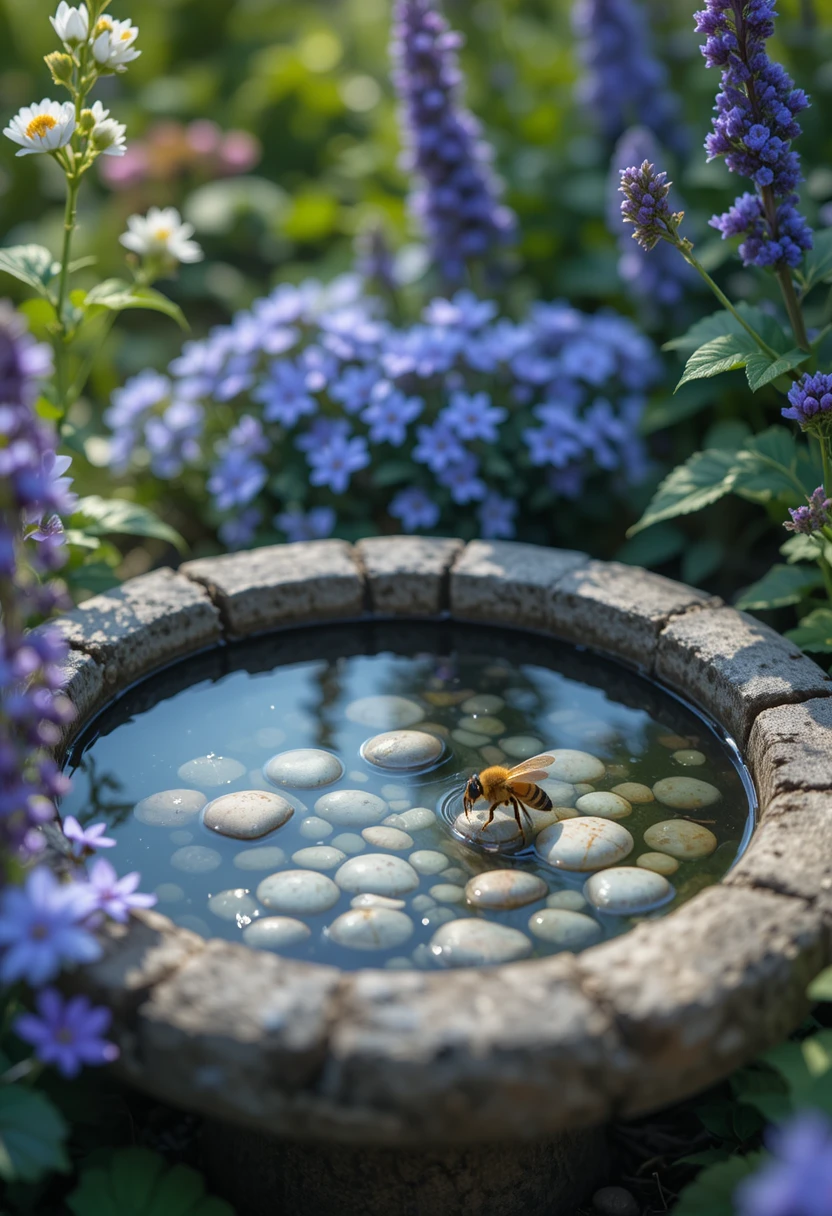
Pollinators need to drink, not just eat and a shallow water source is one of the easiest additions to any beginner garden.
A simple shallow dish, birdbath, or even a saucer filled with pebbles and water gives bees and butterflies a safe place to land and drink without the risk of drowning. Refresh the water every few days, and position it near your flower beds so pollinators don’t have to travel far between food and water.
8. Skip Pesticides Entirely
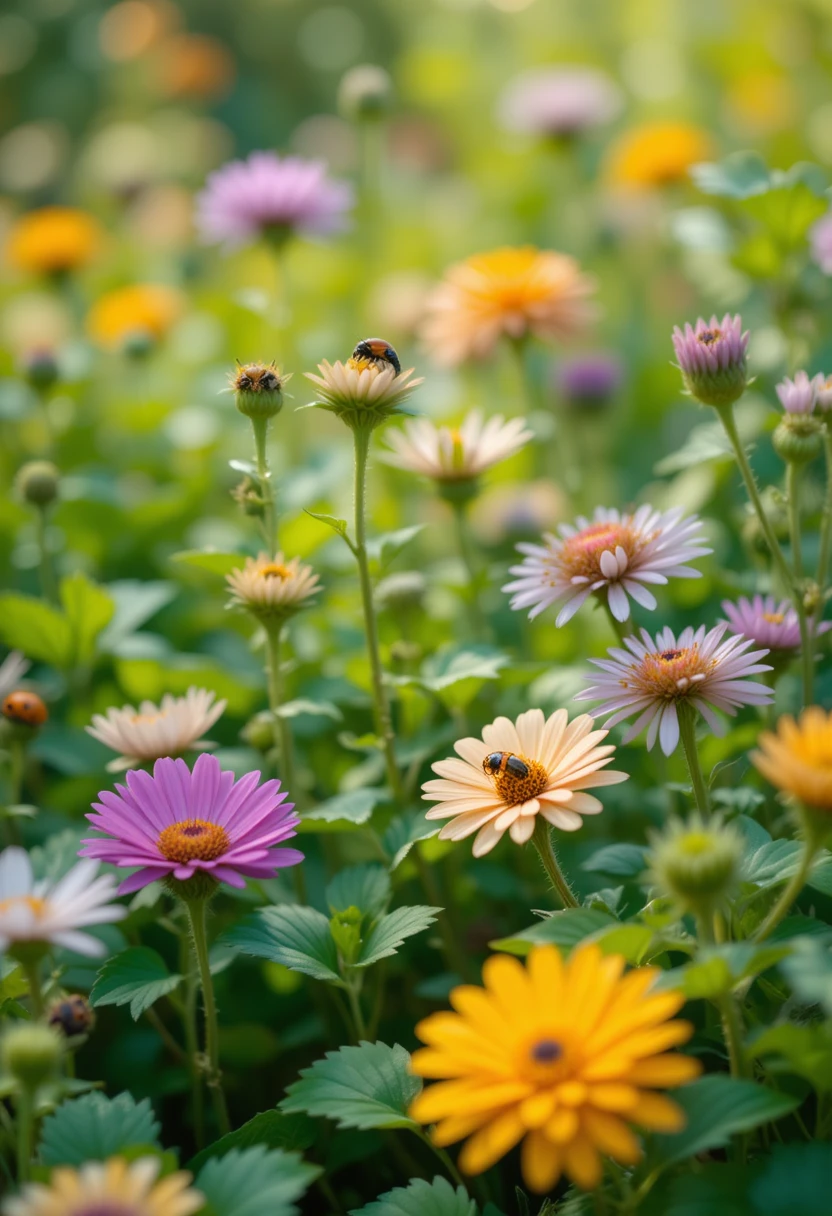
No amount of beautiful, carefully chosen flowers will help pollinators if the garden is also poisoning them.
Pesticides including many products marketed for general garden use are a major contributor to pollinator decline. Instead, tolerate a small amount of pest damage as a normal part of a healthy ecosystem, or use targeted, pollinator-safe methods only when genuinely necessary. A pollinator garden is, by definition, meant to be a safe space.
9. Leave Some Bare Ground for Ground-Nesting Bees
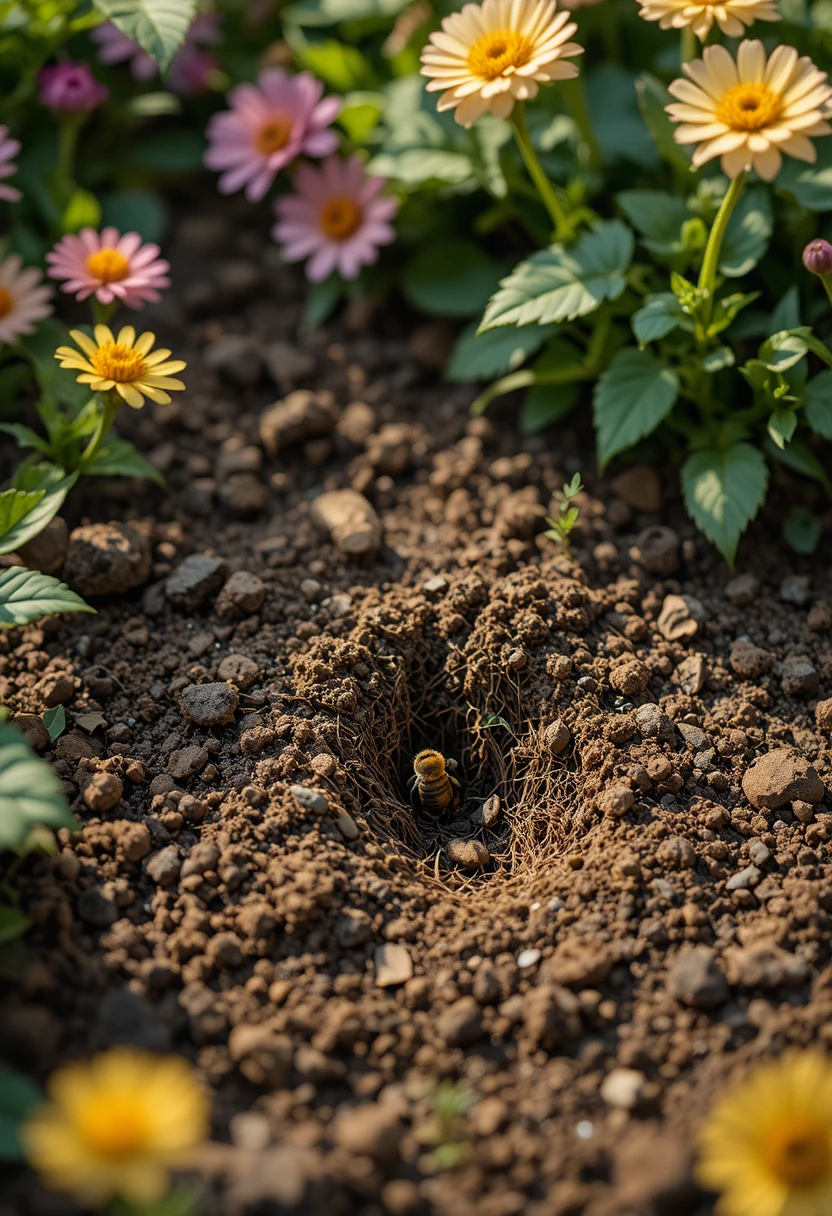
It’s tempting to mulch every inch of a new garden bed, but many native bee species actually nest in bare, undisturbed soil rather than in hives.
Leave a small, sunny patch of bare ground somewhere in or near your pollinator garden, without heavy mulch covering it, to give ground-nesting bees a place to build their nests. It doesn’t need to be large even a modest patch can support several nesting bees over a season.
10. Add a Moon Garden Corner for Night Pollinators
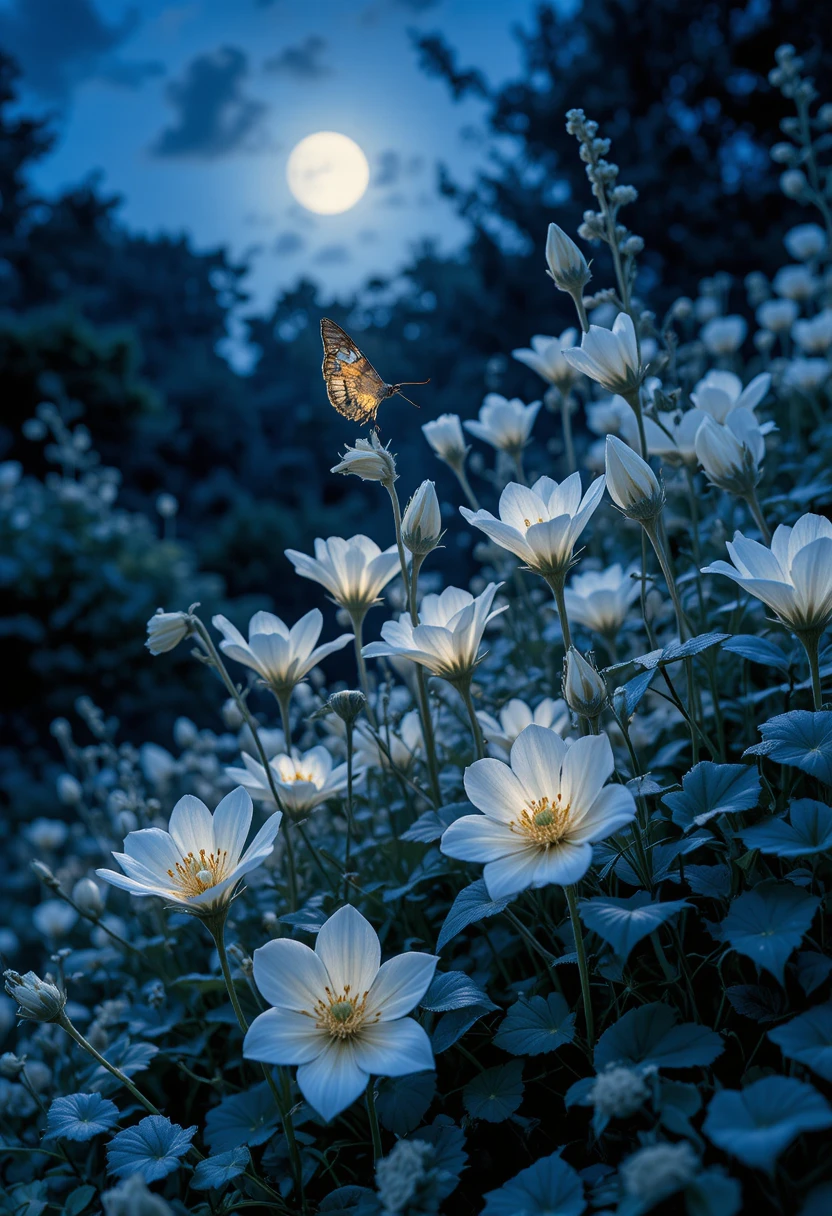
Bees and butterflies get most of the attention, but moths and other nighttime pollinators need food too and they’re easy to forget in a typical garden plan.
Tuck a few night-blooming or pale, fragrant flowers (like evening primrose) into one corner of your garden to specifically support moths and other nocturnal visitors. Pale-colored, strongly scented blooms are easiest for night pollinators to locate in low light, making them a natural fit for this small addition.
11. Start Small With a Container Pollinator Garden
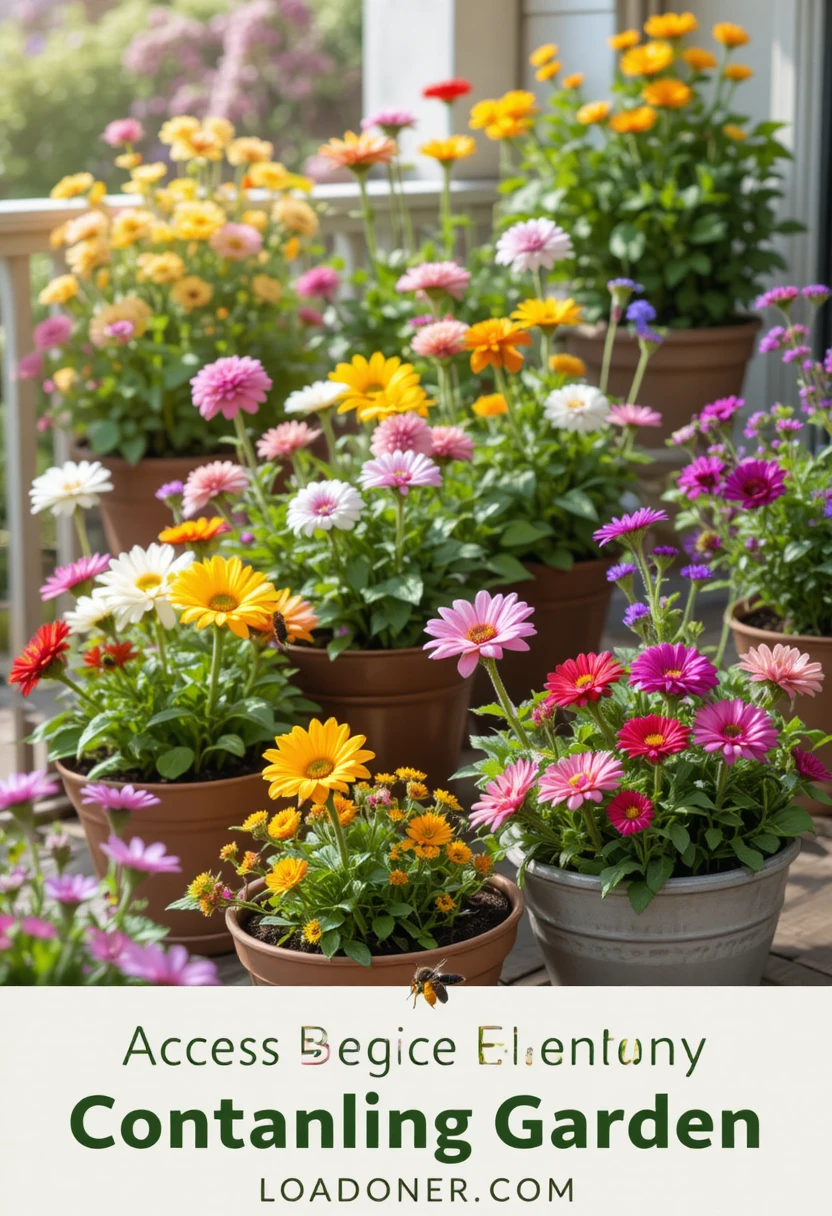
You don’t need a yard at all to start helping pollinators a single planter can genuinely function as a mini pollinator habitat.
Combine a native perennial or two with a few reliable annuals in one good-sized container, and you’ll often see bees buzzing around it within days. Grouping two or three containers together, rather than using just one, increases the visual “target” pollinators can spot and makes the mini-garden even more effective.
12. Sketch a Rough Design Before Planting
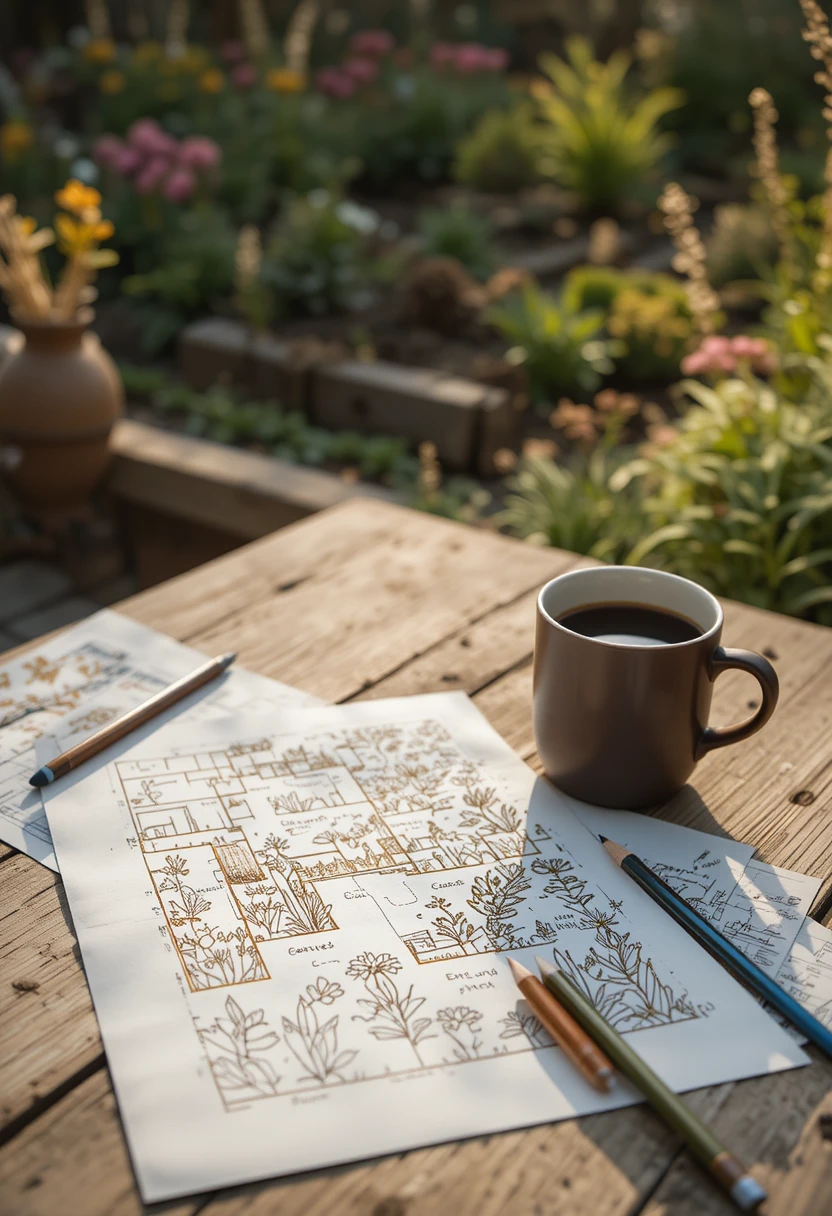
A pollinator garden doesn’t need to be formal, but a loose plan still helps enormously.
Before you dig, sketch where your groups of plants will go, noting bloom times and mature height for each. Unlike a traditional flower bed, pollinator gardens often look best with plants blended somewhat at the edges of their groupings rather than kept in rigid, separate blocks but having a rough plan first still helps avoid gaps in bloom time or overcrowding down the line.
13. Choose Single-Petaled Flowers Over Doubles
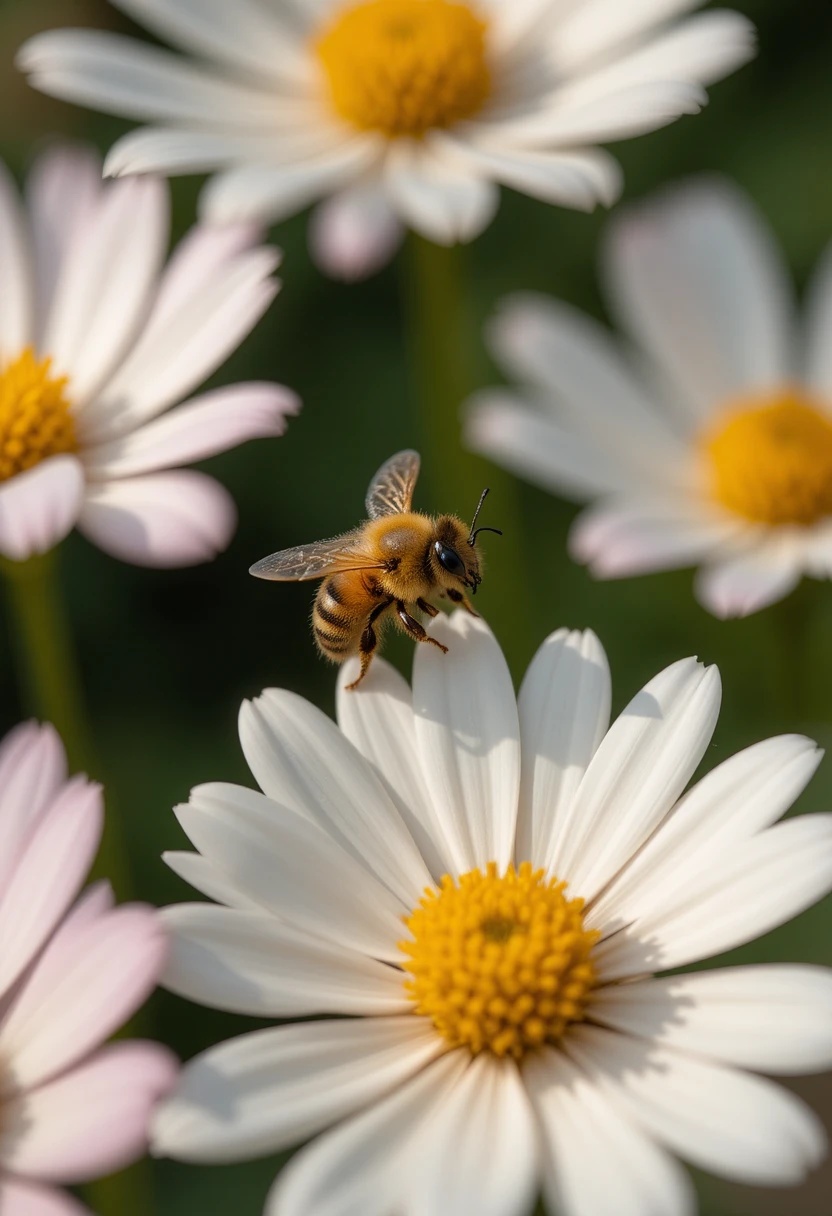
Not all “pretty” flowers are actually useful to pollinators and this is a detail that trips up a lot of beginners at the garden center.
Heavily bred “double” flowers, with many extra rows of petals, often have their nectar and pollen structures bred out entirely, or buried so deep that pollinators simply can’t access them. Stick with simple, single-petaled varieties of your favorite flowers whenever you have the choice; they’re just as attractive to the eye and dramatically more useful to visiting bees and butterflies.
14. Add a Log Pile or Simple Bee Hotel for Shelter
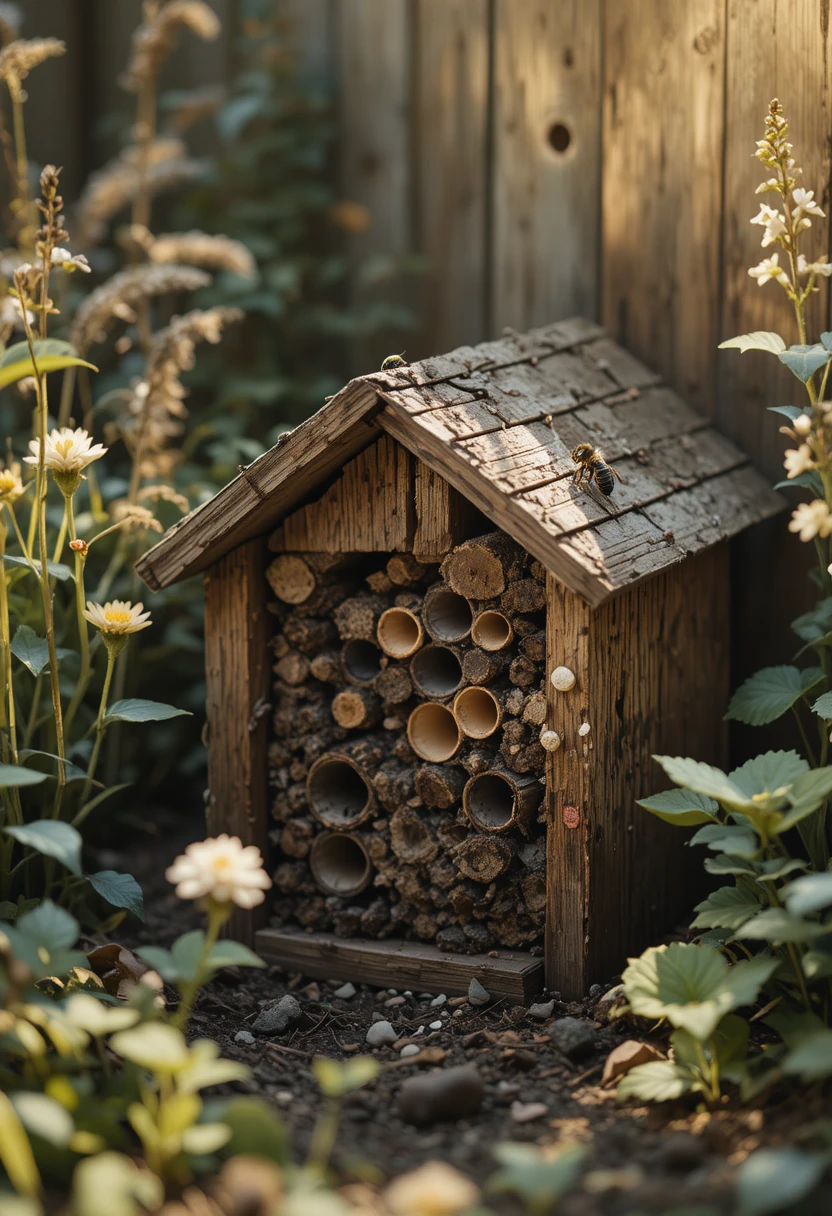
Beyond food and water, pollinators also need places to shelter and overwinter and this is one of the easiest, most low-cost additions to any beginner garden.
A small pile of logs or brush left in an unused corner gives many native bees and beneficial insects a place to nest and hide, while a simple store-bought or DIY bee hotel offers nesting tubes for solitary bee species that don’t live in hives. Both additions take up very little space and require essentially no maintenance once in place.
15. Group Plants by Warm and Cool Color Zones
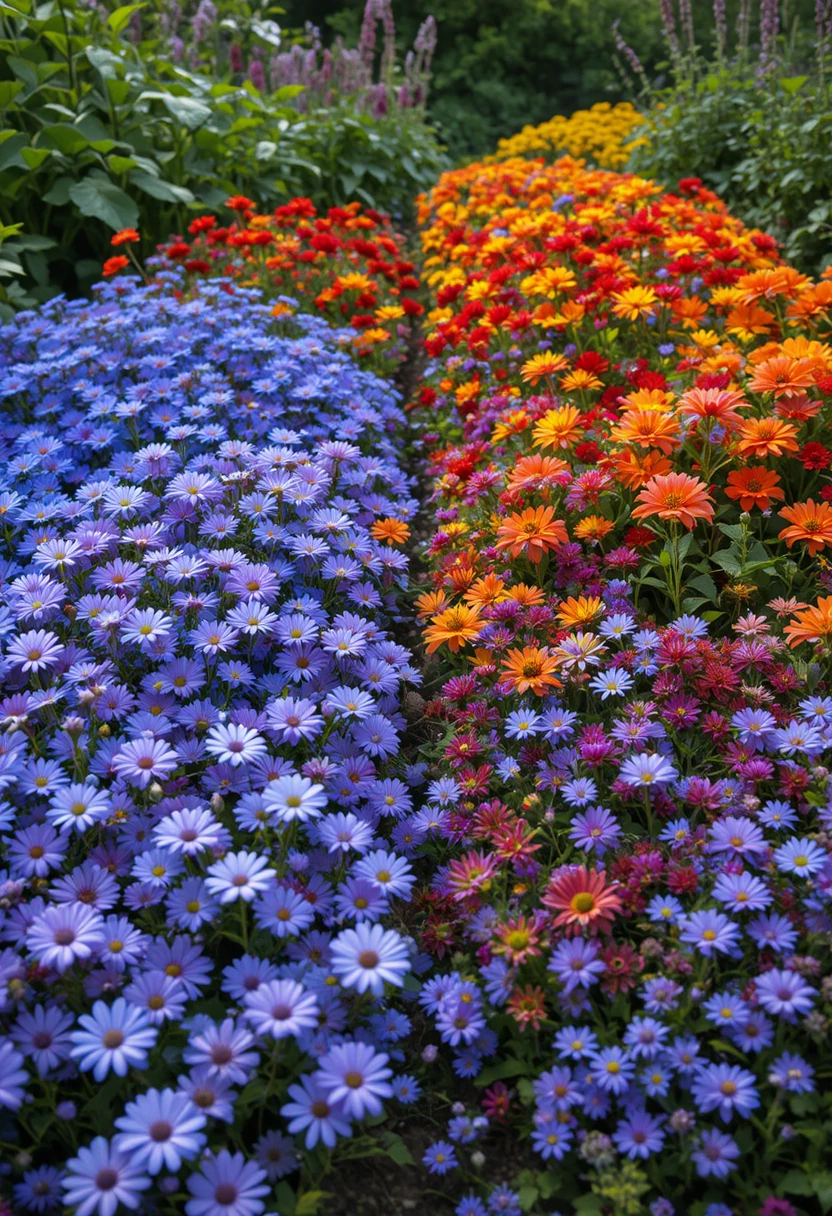
A thoughtful color layout doesn’t just look better it also helps pollinators navigate your garden more efficiently.
Try loosely zoning warm-toned flowers (yarrow, black-eyed Susan, blanket flower) in one area and cool-toned flowers (salvia, catmint, lavender) in another. This creates visually distinct “neighborhoods” within the garden that are easy for pollinators to scan from a distance, while also giving your design a more intentional, cohesive look.
Frequently Asked Questions
How big does a pollinator garden need to be?
Even a single large container or an 8-by-4-foot bed can meaningfully support pollinators. Size matters less than plant diversity, bloom succession, and avoiding pesticides.
What’s the easiest way to plan bloom times for beginners?
Try the simple 3x3x3 approach: choose three native plants that bloom in spring, three for summer, and three for late summer/fall, with a few of each planted in groups.
Do pollinator gardens need a lot of maintenance?
Generally less than a traditional flower bed. Native, well-matched plants tend to need less watering and fertilizing, and a slightly “wilder” look with some bare ground and leaf litter is actually beneficial, not messy.
Are pesticides ever okay to use in a pollinator garden?
It’s best to avoid them entirely in a dedicated pollinator space. Most conventional pesticides harm the very bees, butterflies, and beneficial insects the garden is designed to support.
Bringing It All Together
A beginner pollinator garden doesn’t require perfect design or a huge yard it requires native plants grouped thoughtfully, blooms spread across the whole season, a water source, and a genuine commitment to skipping pesticides. Add a host plant or two, a little bare ground, and maybe a small log pile, and you’ve built a real, functioning habitat, not just a pretty flower bed.
Start with whatever space you have, even if that’s a single container, and expand as you see which pollinators show up. Within a single season, you’ll likely notice more bees, more butterflies, and a garden that feels genuinely alive.