
Here’s something that surprises a lot of new gardeners: the secret to an incredible spring garden isn’t something you do in spring at all. It’s something you do right now, in fall, while the ground is still workable and most people have already put gardening out of their minds for the year.
Spring-flowering bulbs need a period of cold dormancy to bloom properly which means if you wait until spring to plant them, you’ve already missed your window for that year. The twelve bulbs below, planted before the ground freezes, will reward you with a display that starts as early as late winter and keeps unfolding well into late spring.
Save this guide now bulb planting season moves fast, and you’ll want this list handy while you’re still deciding what to order.
Quick Planting Basics Before You Start
A few fundamentals apply to nearly every bulb on this list, so it’s worth covering them once upfront:
- Timing: Plant in mid-to-late fall, ideally when soil temperature is below 60°F but before the ground freezes solid.
- Depth: A general rule is to plant bulbs 2-3 times as deep as the bulb’s own height larger bulbs like tulips and daffodils usually go 6-8 inches deep.
- Orientation: Most bulbs are teardrop-shaped; the pointed end faces up, and the rounder end sits down against the soil.
- Light: Nearly all spring bulbs want full sun, though many can be planted under deciduous trees since they bloom and finish before the leaves fully emerge and cast shade.
With that covered, here are the twelve bulbs to plant this fall, organized roughly from earliest to latest bloomers so you can plan a garden that stays in flower for months rather than all at once.
1. Snowdrops The First Sign Spring Is Coming
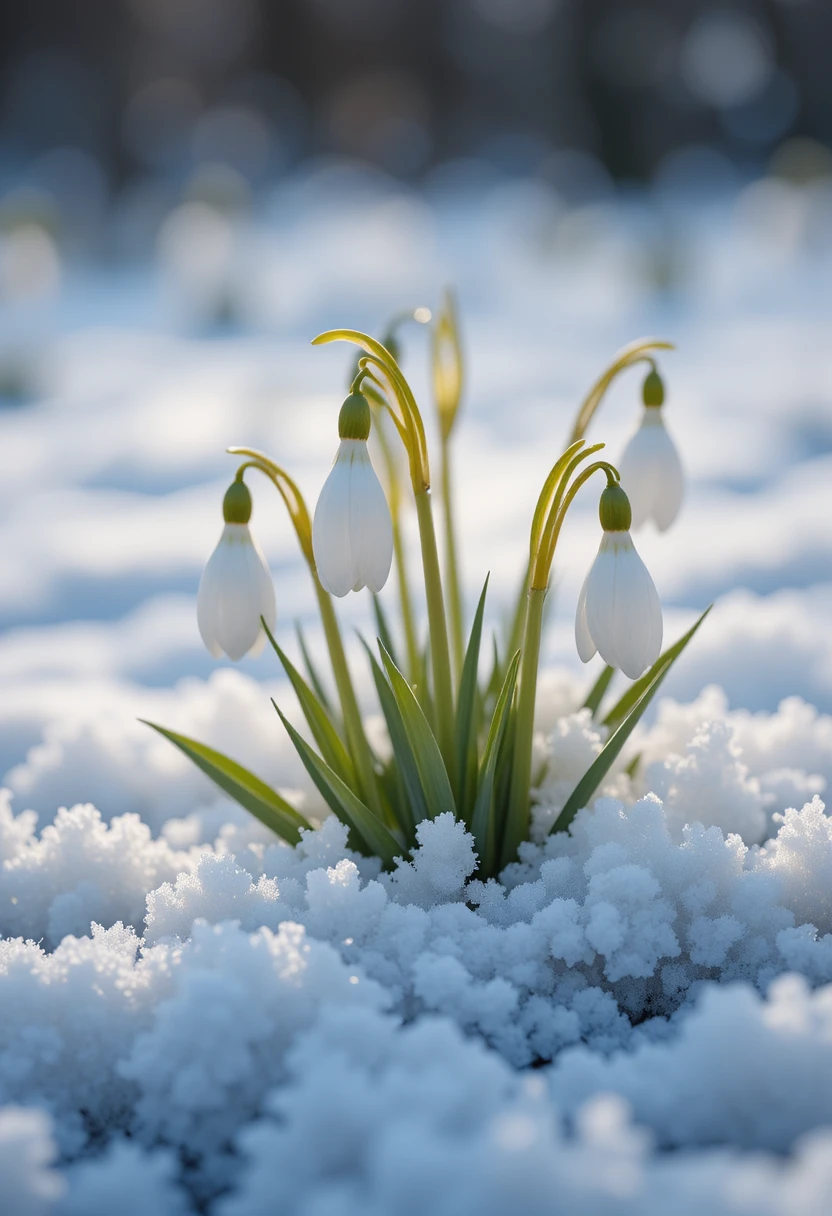
Snowdrops are often the very first bulb to break through the ground, sometimes pushing up through a light dusting of late-winter snow. Their small, nodding white blooms are a welcome signal that the worst of winter is behind you.
Planting tip: Snowdrops naturalize well when left undisturbed, meaning a small planting today can slowly spread into a larger drift over the following years.
2. Crocus — Early Color and an Early Pollinator Lifeline
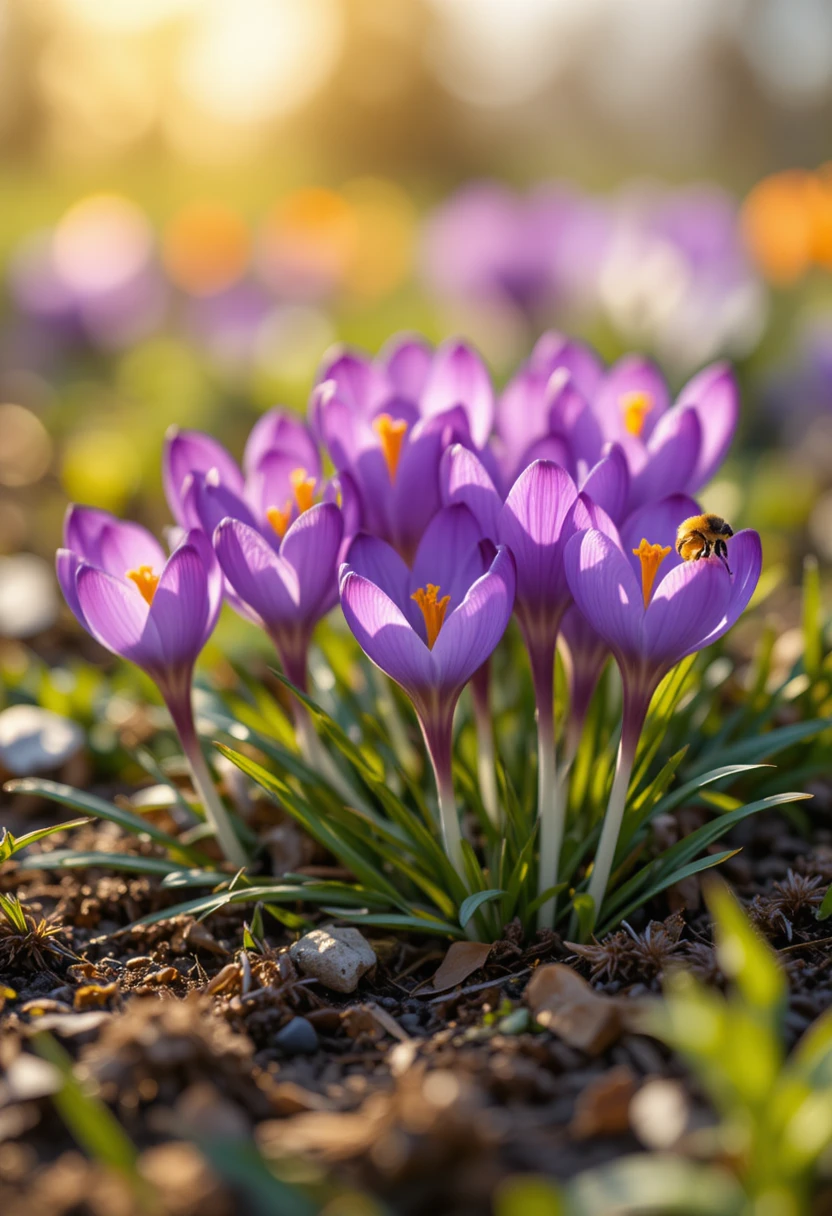
Crocus bloom in late winter to early spring, right alongside or just after snowdrops, and their cheerful purple, yellow, and white cups are one of the very first nectar sources available to early-emerging pollinators.
Here’s the thing: crocus are excellent for naturalizing in lawns or woodland edges, where their low height and early bloom time mean they finish well before regular mowing needs to start.
Image idea: a vertical close-up of crocus blooming through a light frost or thin snow a striking, highly pinnable early-spring image.
3. Grape Hyacinth — A Beginner-Friendly, Nearly Foolproof Choice
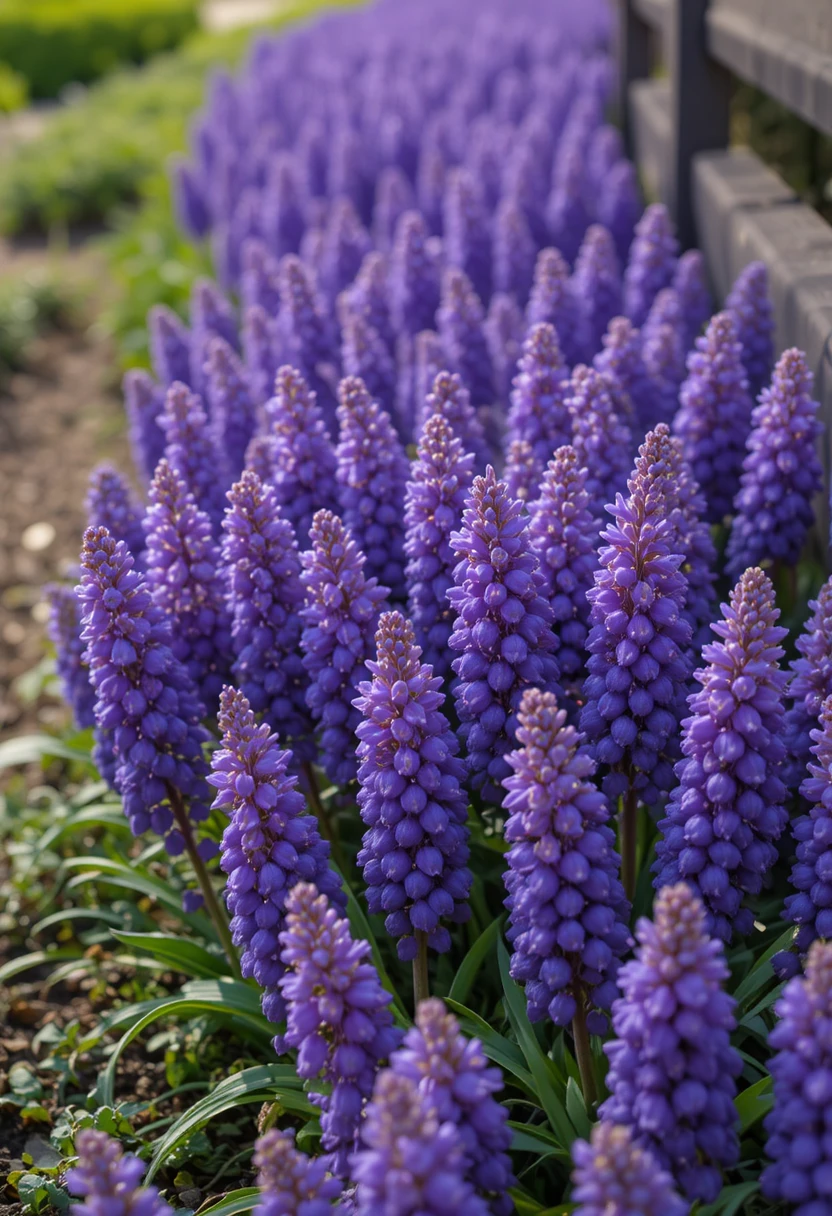
If you’re new to bulb planting, grape hyacinth is one of the easiest and most forgiving places to start. Its small clusters of bell-shaped blooms in blue, pink, or white are sturdy, reliable, and require almost no fuss once planted.
Planting tip: Grape hyacinth works beautifully at the edge of a border or tucked in among later-blooming bulbs, since its low height doesn’t block the view of taller flowers behind it.
4. Daffodils (Narcissus) — The Low-Maintenance, Pest-Resistant Workhorse
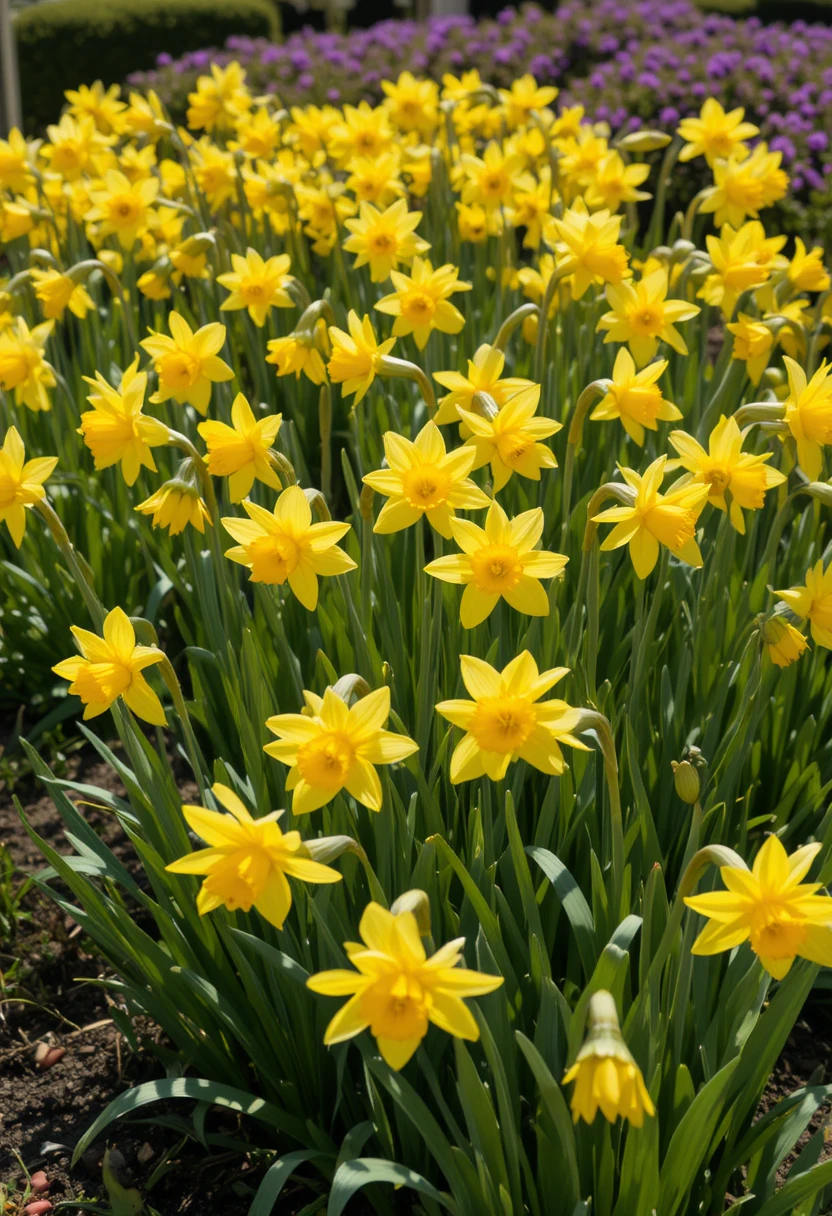
Daffodils bloom in early to mid-spring and are genuinely one of the lowest-maintenance bulbs you can plant. A major bonus: daffodils are mildly toxic, meaning voles, squirrels, and deer typically leave them alone a real advantage in yards where other bulbs regularly get dug up or nibbled.
So what does this mean for you? If wildlife has been a problem for your past bulb plantings, daffodils are the safest bet on this entire list, and they naturalize and rebloom reliably for years.
Read Also: 10+ Spring Garden Checklist Items Every Beginner Needs (In the Right Order)
5. Hyacinth — Fragrance That Fills the Whole Yard
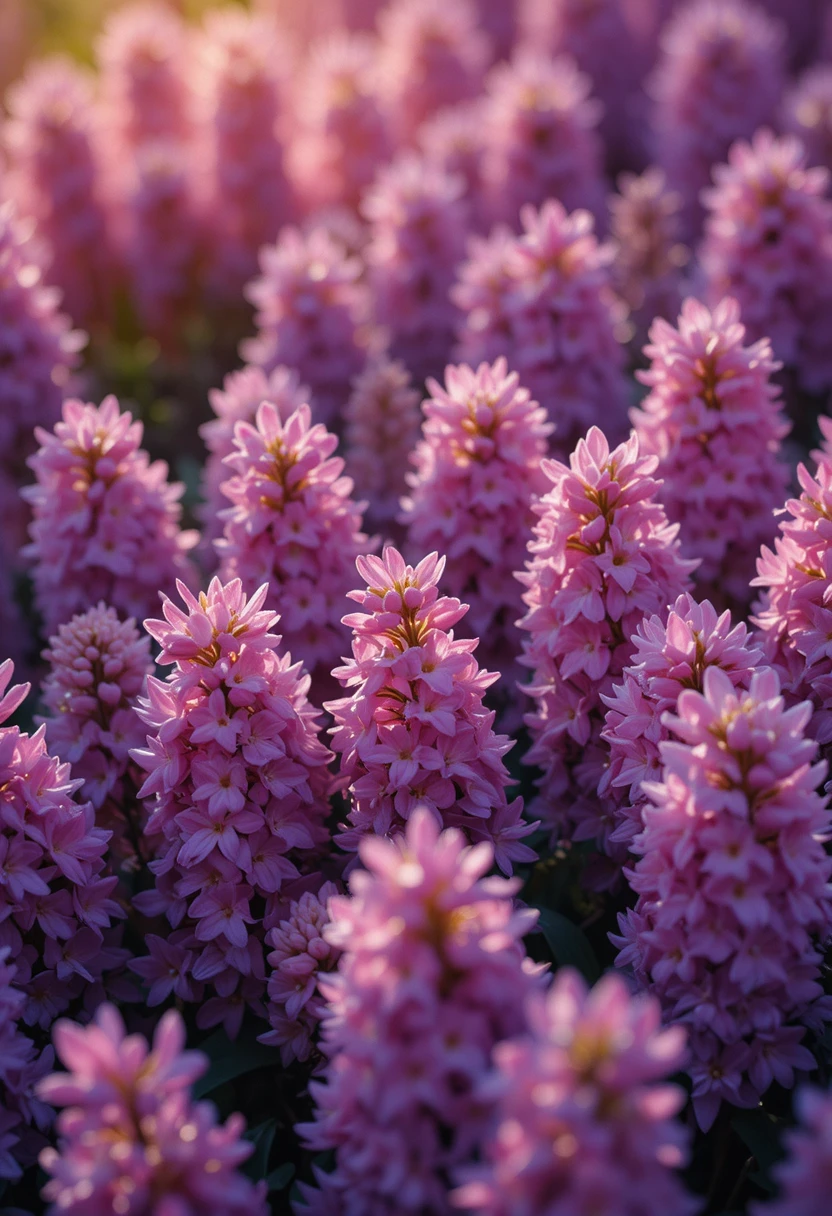
Hyacinths bloom around the same window as daffodils and bring something the others on this list don’t: an intensely sweet fragrance that can perfume an entire garden bed, or even carry into a nearby patio or entryway.
Planting tip: Hyacinths perform especially well in containers near a front door or window, where their scent gets the most direct use as you come and go.
6. Tulips — The Classic Spring Showstopper
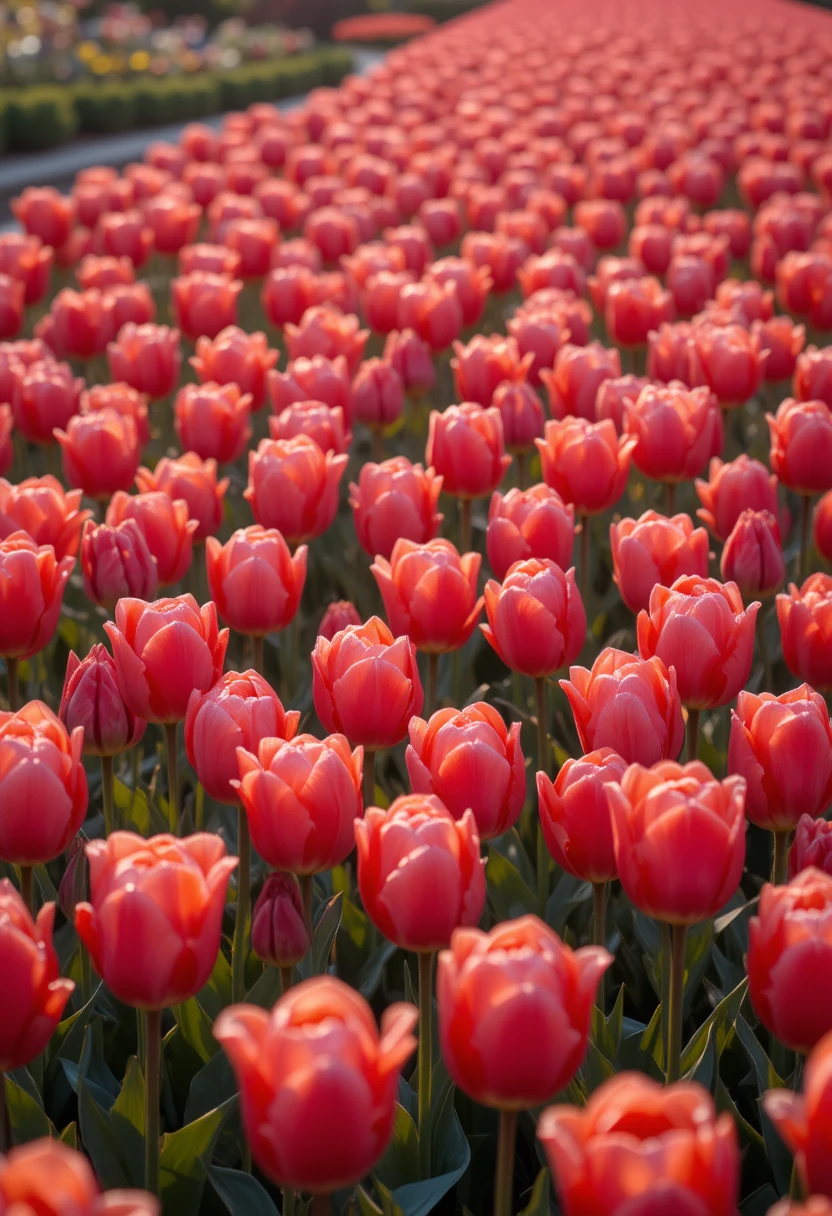
Tulips are what most people picture when they imagine a spring bulb garden, and for good reason the sheer range of colors, shapes, and bloom times available makes them endlessly customizable to your exact taste.
Quick recap you can save:
- Plant roughly 6-8 inches deep
- Choose early, mid, and late-blooming varieties together to extend your tulip display across several weeks instead of just one
- Full sun and well-draining soil are non-negotiable for the best bloom quality
Image idea: a vertical shot of a mixed tulip bed showing several colors blooming together one of the strongest pin-worthy images in this whole list.
7. Fritillaria — An Underused Bulb With Serious Visual Drama
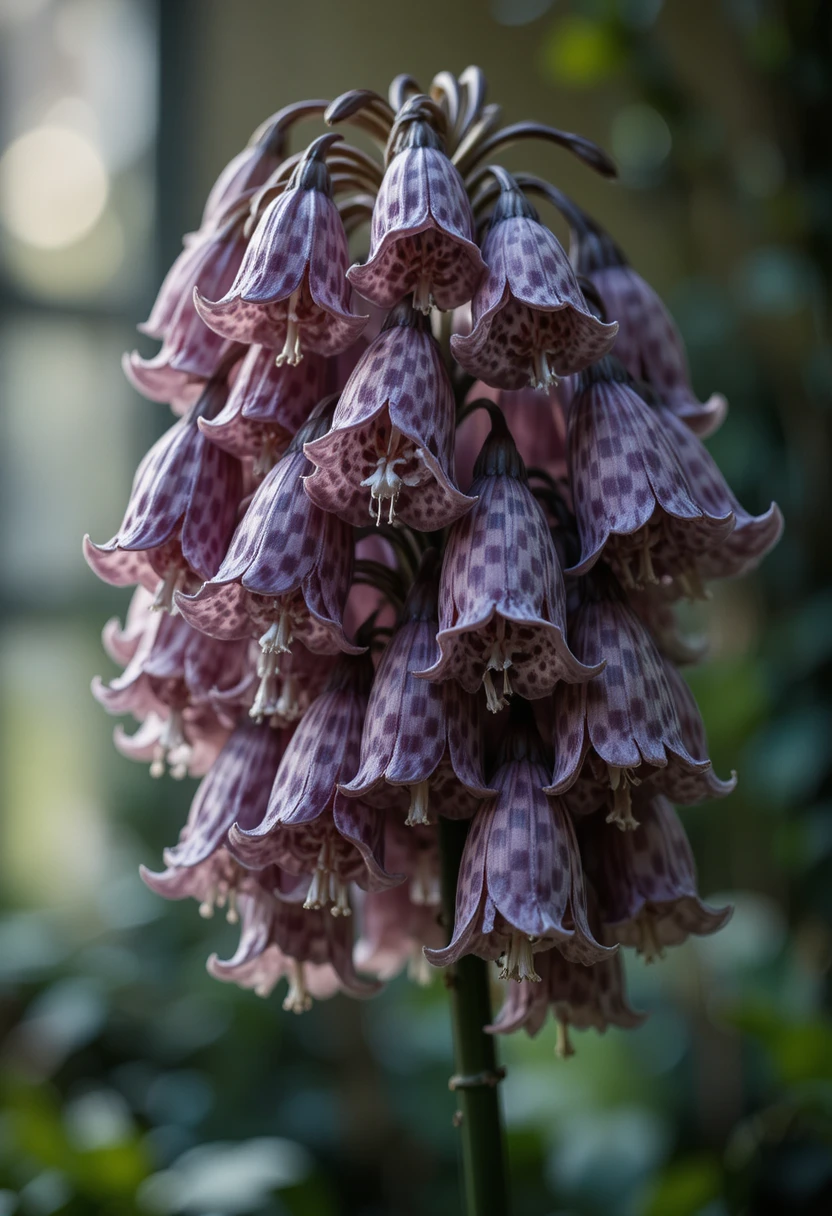
Fritillaria is one of the more overlooked bulbs on this list, and that’s exactly why it’s worth including its tall, architectural stems and unusually shaped, sometimes checkered blooms add a striking visual contrast next to more common round-flowered bulbs like tulips or daffodils.
Here’s the payoff: planting even a handful of fritillaria among your other spring bulbs instantly makes an ordinary bed look more curated and intentional.
8. Dutch Iris — A Bulb That Doubles as a Cut Flower
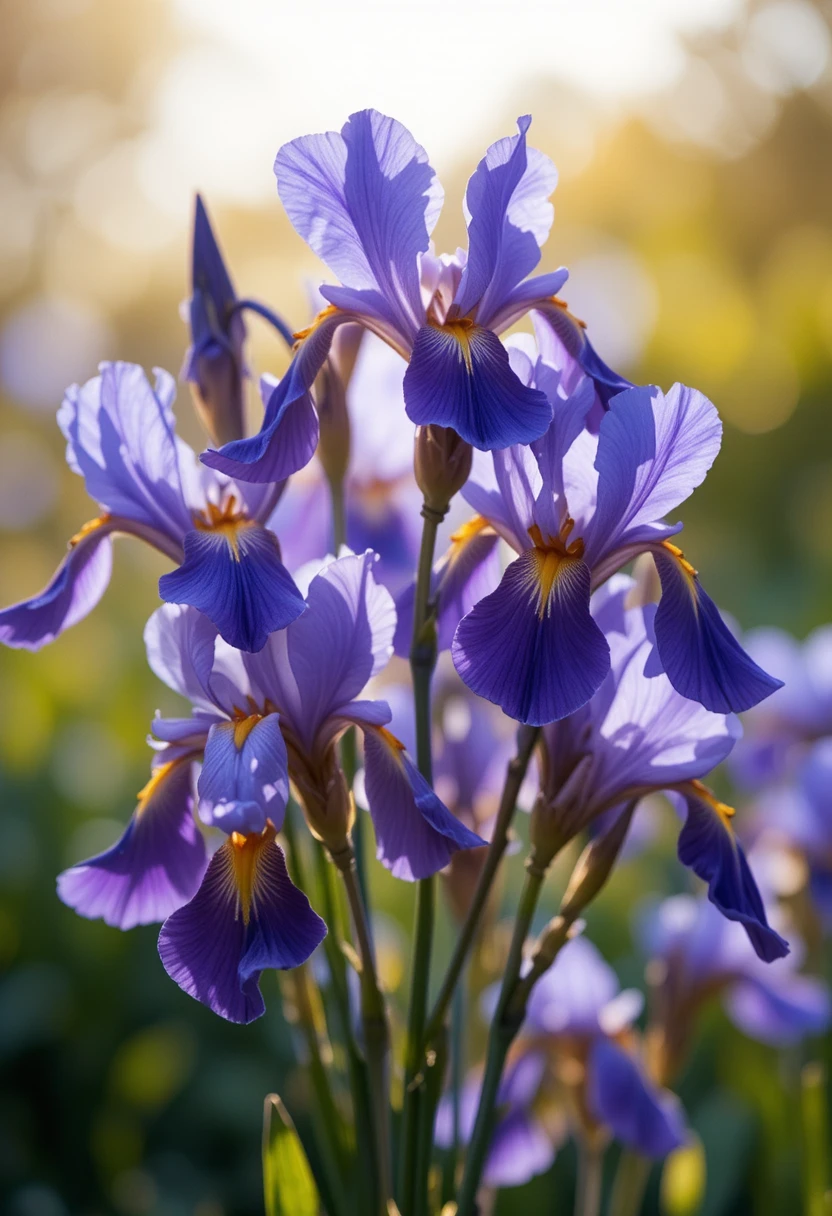
Dutch iris bloom on sturdy, upright stems that make them one of the best bulbs on this list for cutting and bringing indoors, in addition to their garden display. Their striking color and clean structural form hold up well in a vase.
Planting tip: if you’re already growing a cutting garden elsewhere in your yard, Dutch iris is a natural bulb to add specifically for that purpose, rather than purely ornamental display.
9. Allium (Ornamental Onion) — Bold, Sculptural, and Deer-Resistant
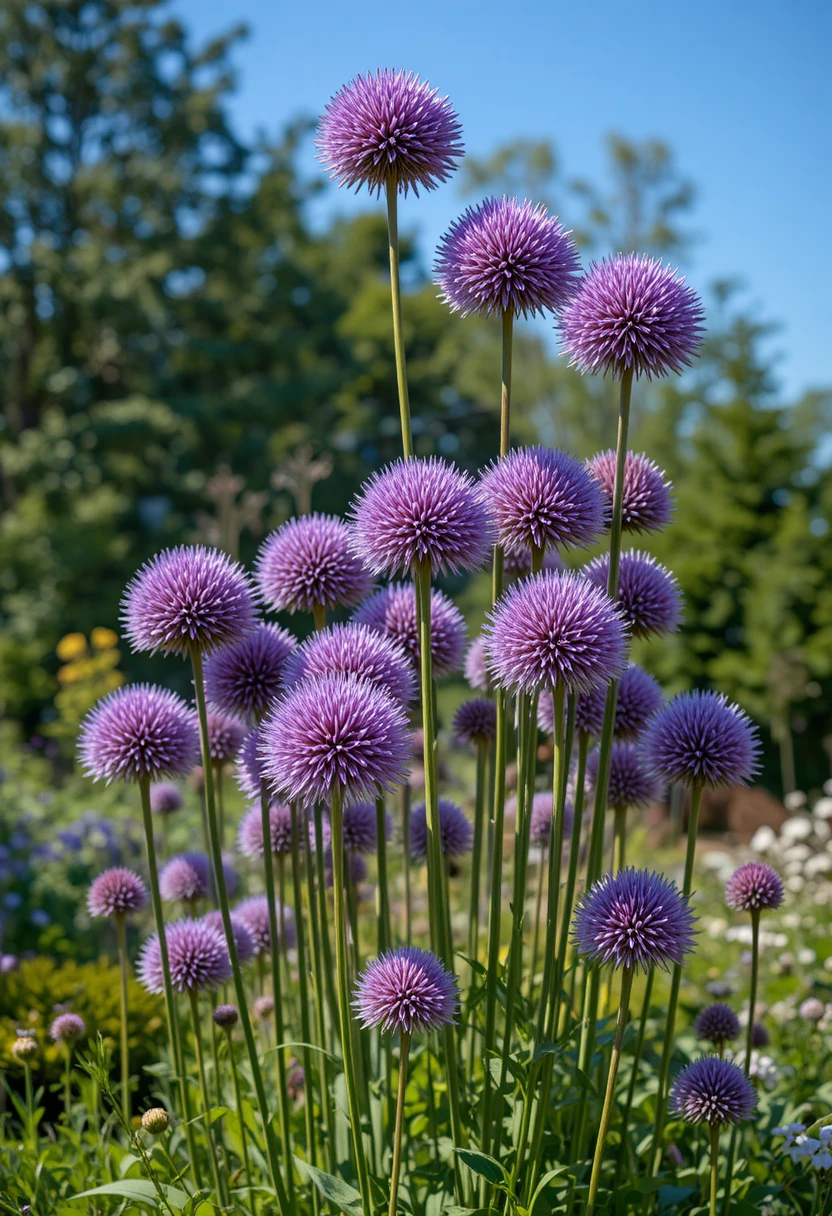
Allium’s globe-shaped flower heads, perched atop tall, slender stems, bring a bold, almost sculptural element to a spring bed that softer, rounder blooms can’t match. As a bonus, their oniony scent tends to deter deer and rodents from bothering them.
Here’s the thing: allium bloom later in spring than most bulbs on this list, making them a good bridge bulb between your spring display and early summer perennials taking over.
10. Anemone — Delicate, Pastel, and Naturalistic
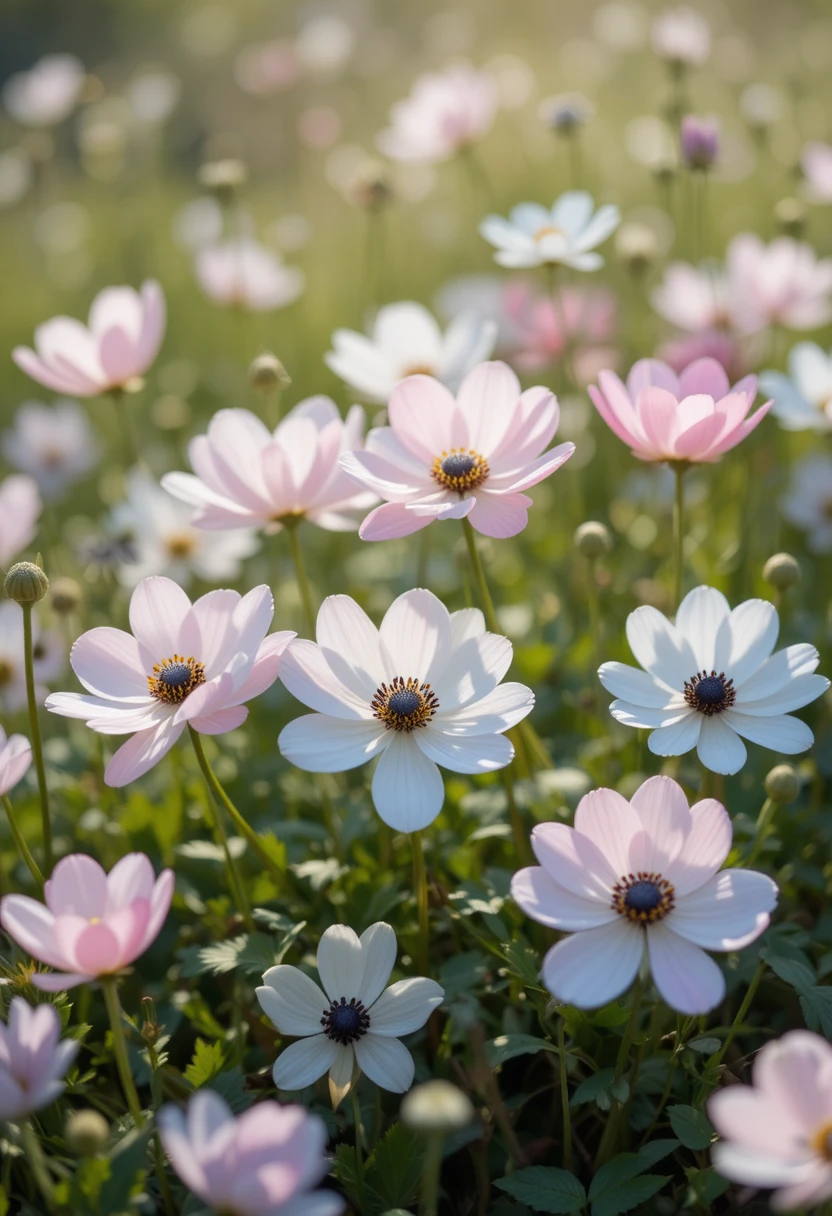
Anemones bring a softer, more naturalistic look to a spring garden, with delicate, poppy-like blooms in pastel shades that pair beautifully with the bolder forms of tulips or allium nearby.
Planting tip: unlike true bulbs, anemones grow from corms, which benefit from a brief soak in water before planting to help kickstart growth.
11. Ranunculus — Rose-Like Blooms With Exceptional Vase Life
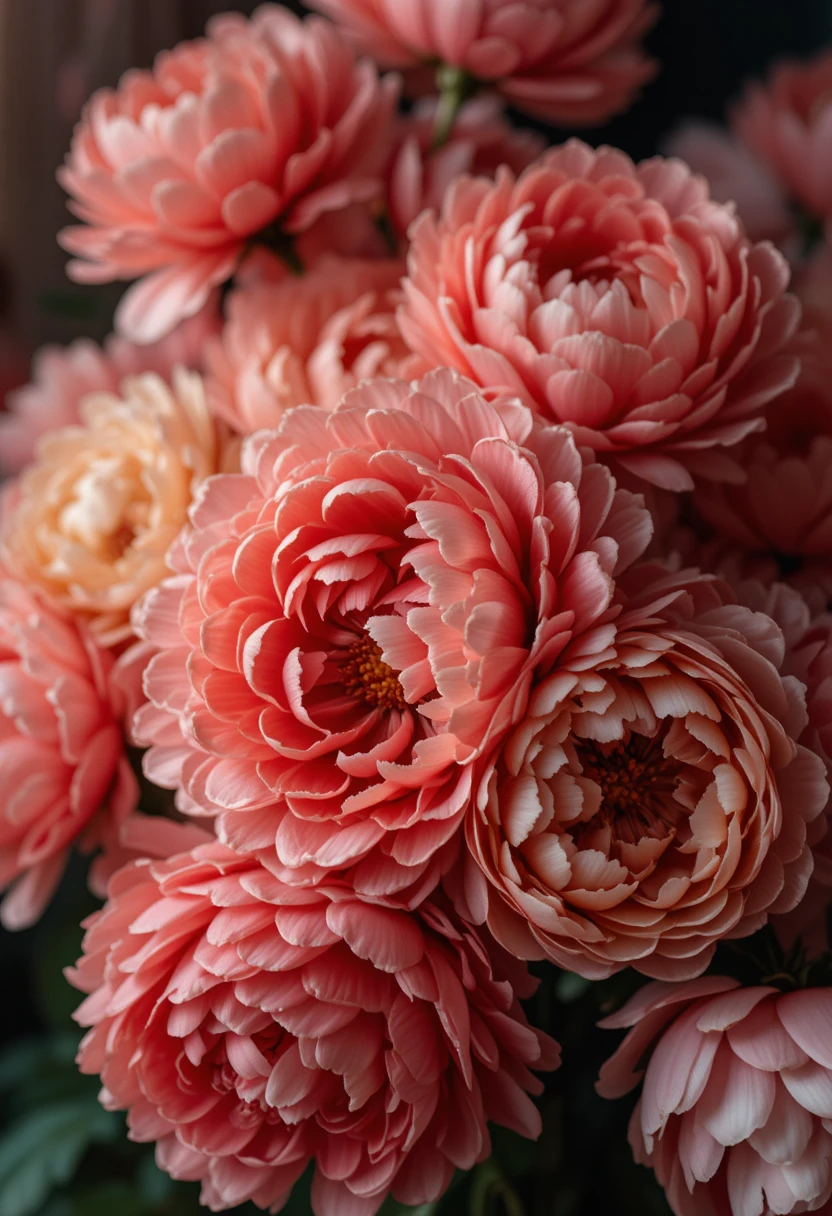
Ranunculus produces layered, rose-like blooms that look almost too delicate to be this easy to grow. They’re increasingly popular among home cutting gardeners for one simple reason: an outstanding vase life compared to most other spring bulbs.
Here’s the payoff: if you’re growing any of your spring bulbs specifically for cut arrangements, ranunculus is worth prioritizing for that purpose alone.
12. Bearded Iris — The Late-Spring Finale
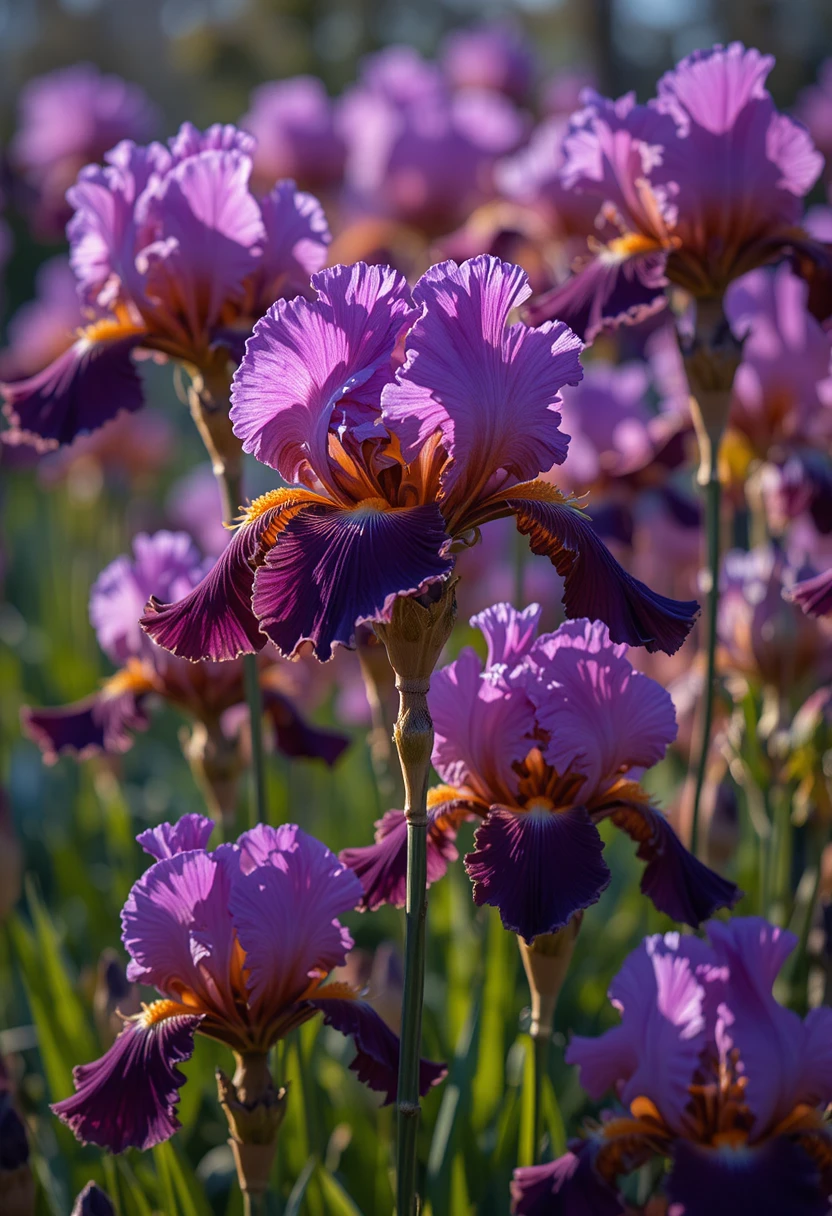
Bearded iris close out the spring bulb season, blooming later than nearly everything else on this list with tall, ruffled, richly colored flowers. Technically grown from rhizomes rather than true bulbs, they’re planted and treated similarly enough to belong on this list as your season’s grand finale.
Planting tip: unlike the deep planting most bulbs need, bearded iris rhizomes should sit at or just barely below the soil surface — planting them too deep is one of the most common reasons they fail to bloom.
Frequently Asked Questions
What is the best time of year to plant spring flower bulbs?
Mid-to-late fall is ideal for most spring-blooming bulbs, generally once soil temperatures drop below 60°F but before the ground freezes solid this varies by region, with colder climates planting earlier than warmer ones.
How deep should I plant spring flower bulbs?
A general rule is 2-3 times the bulb’s own height, which typically works out to about 6-8 inches deep for larger bulbs like tulips and daffodils, and shallower for smaller bulbs like crocus or grape hyacinth.
Which spring bulbs are resistant to deer and squirrels?
Daffodils and alliums are both widely considered resistant to deer, squirrels, and voles, thanks to their mild toxicity and strong scent, respectively a helpful choice if wildlife has damaged bulb plantings in the past.
Can I plant spring bulbs in containers instead of in the ground?
Yes, though containers are more exposed to temperature swings than garden soil, so bulbs may need to be planted slightly deeper or moved to a sheltered spot like a garage during the coldest stretches of winter.
Bringing It All Together
A truly spectacular spring garden isn’t built from a single bulb variety planted all at once it’s built from a thoughtful mix of early, mid, and late bloomers planted together this fall, so as one wave finishes, the next is already stepping in.
Start with a few beginner-friendly choices like grape hyacinth and daffodils if you’re new to bulb planting, then layer in tulips, allium, and iris for a display that carries your garden from the last days of winter all the way through late spring.
Pin this guide so you have the full bloom-time lineup ready the moment bulb season arrives at your local garden center.