
11+ Plant care becomes much easier when you stop treating every houseplant the same way. A pothos, snake plant, fern, succulent, orchid, and peace lily can all grow indoors, but their ideal light, watering, humidity, soil, and temperature requirements can be very different. A houseplant care chart by type gives you a practical starting point for understanding those differences and building a routine around each plant.
Have you ever watered all your plants on the same day, only to discover that one is perfectly healthy while another has yellow leaves, drooping stems, or soggy soil? That is a common problem because indoor conditions vary from room to room. Current houseplant guidance recommends adjusting watering according to plant type, soil moisture, light, pot size, temperature, season, and drainage rather than following one rigid calendar.
This guide breaks common houseplants into useful care groups so you can quickly understand what each type needs. You will find a practical chart covering light, watering, humidity, soil preferences, and difficulty, followed by detailed advice for tropical foliage plants, low-light varieties, succulents, ferns, flowering plants, palms, and more.
How to Use a Houseplant Care Chart
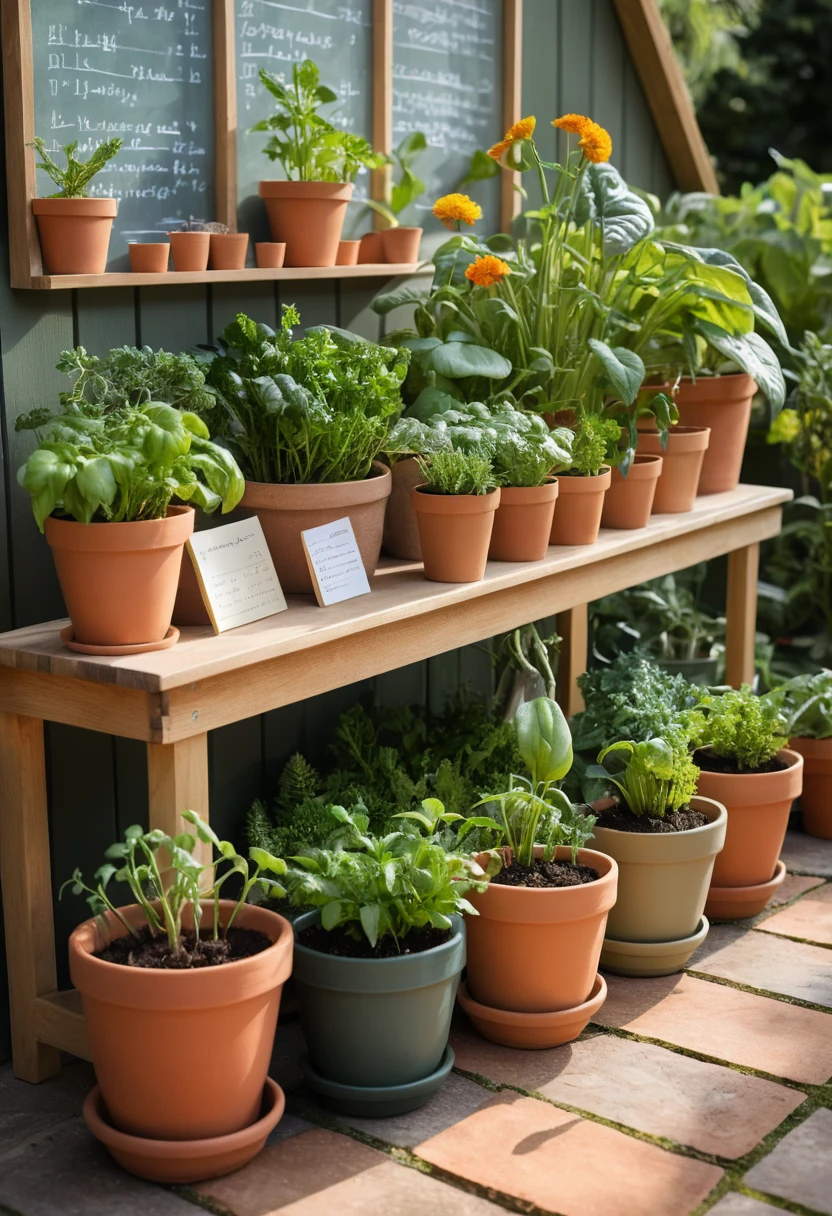
A good 11+ Plant care chart should be used as a starting reference, not as an unchangeable rule. The most important factors are usually light, water, humidity, temperature, soil, fertilizer, pot and drainage, pruning, and pest management. Different plant-care libraries use these same categories because they influence one another.
For example, a plant growing beside a bright window may dry faster than the same species sitting several feet away in a cooler room. A small terracotta pot may also dry faster than a large plastic container. This is why watering instructions such as “once a week” can be misleading when they are separated from the plant’s actual environment.
Light Comes First
Light is one of the most important factors when choosing a houseplant. Bright indirect light, medium light, low light, and direct sun represent different growing conditions, and plants adapted to one level may struggle at another. Most houseplants still need some usable light even when they are described as “low-light” plants.
Water According to the Plant
Watering should be based on the plant’s needs and the condition of its growing medium. Moisture-loving plants generally need more consistent moisture, while succulents and many drought-tolerant plants need more drying time between waterings.
Houseplant Care Chart by Type
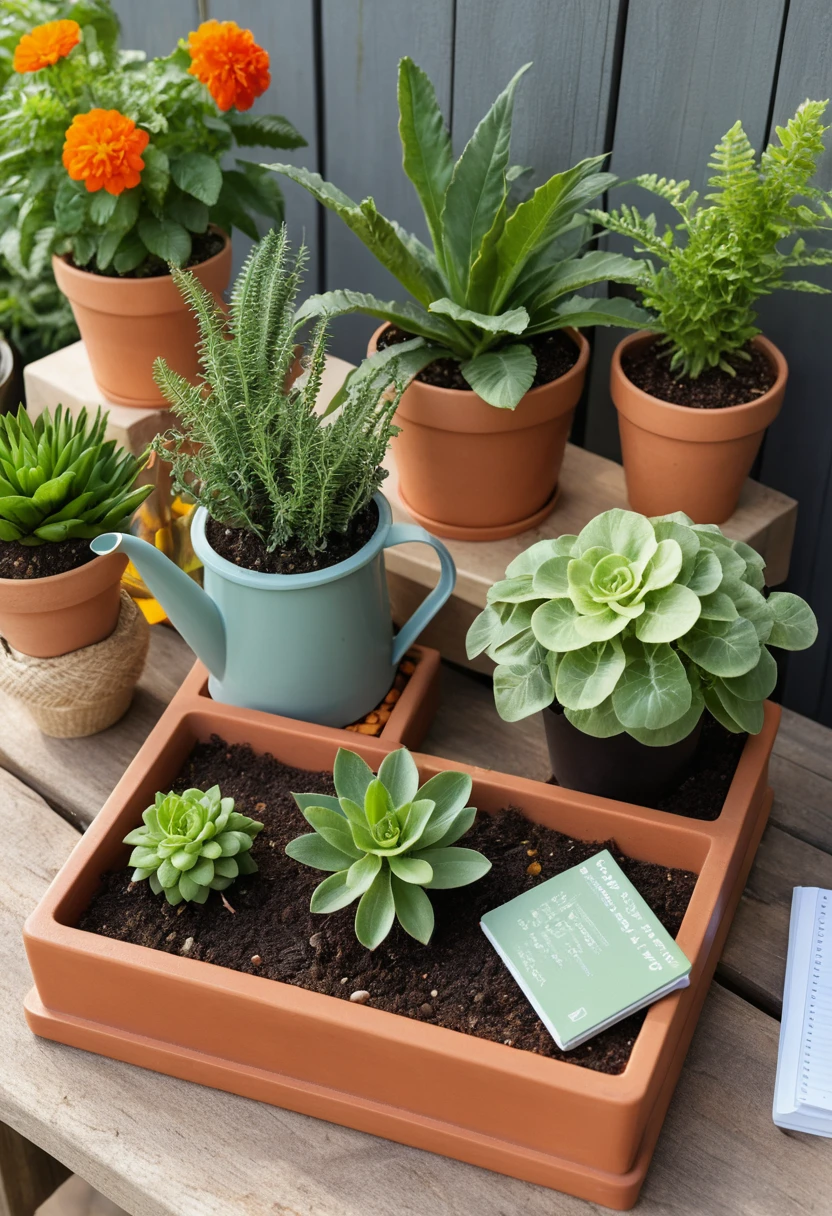
The following 11+ Plant care chart provides general starting points for common indoor plants. Actual watering frequency can change significantly depending on room temperature, light, pot size, soil mix, season, and drainage, so check the growing medium before watering.
| Houseplant Type | Light | Watering Starting Point | Humidity | Difficulty |
|---|---|---|---|---|
| Pothos | Low to bright indirect | When upper soil dries | Average | Easy |
| Philodendron | Low to bright indirect | When upper soil dries | Average to moderate | Easy |
| Monstera | Bright indirect | When upper soil dries | Moderate | Easy–Moderate |
| Snake Plant | Low to bright indirect | After deeper drying | Low to average | Easy |
| ZZ Plant | Low to bright indirect | After substantial drying | Low to average | Easy |
| Peace Lily | Medium indirect | When surface begins drying | Moderate–high | Easy–Moderate |
| Spider Plant | Medium to bright indirect | When upper soil dries | Average | Easy |
| Rubber Plant | Bright indirect | When upper soil dries | Average | Moderate |
| Fiddle Leaf Fig | Bright indirect | When soil begins drying | Moderate | Moderate |
| Chinese Evergreen | Low to medium indirect | When upper soil dries | Average | Easy |
| Boston Fern | Medium to bright filtered | Keep more consistently moist | High | Moderate |
| Calathea | Medium indirect | Keep lightly moist | High | Moderate–Hard |
| Parlor Palm | Medium indirect | When upper soil dries | Moderate–high | Moderate |
| Succulents | Bright light | After soil dries substantially | Low–average | Easy–Moderate |
| Cacti | Bright light/direct sun depending on species | After soil dries thoroughly | Low | Easy–Moderate |
| Orchid | Bright indirect | When growing medium is drying | Moderate–high | Moderate |
These categories reflect broad care patterns rather than guarantees. Extension guidance similarly groups houseplants according to their light, watering, humidity, and ease of care while noting that individual species and growing conditions matter.
Tropical Foliage Plants
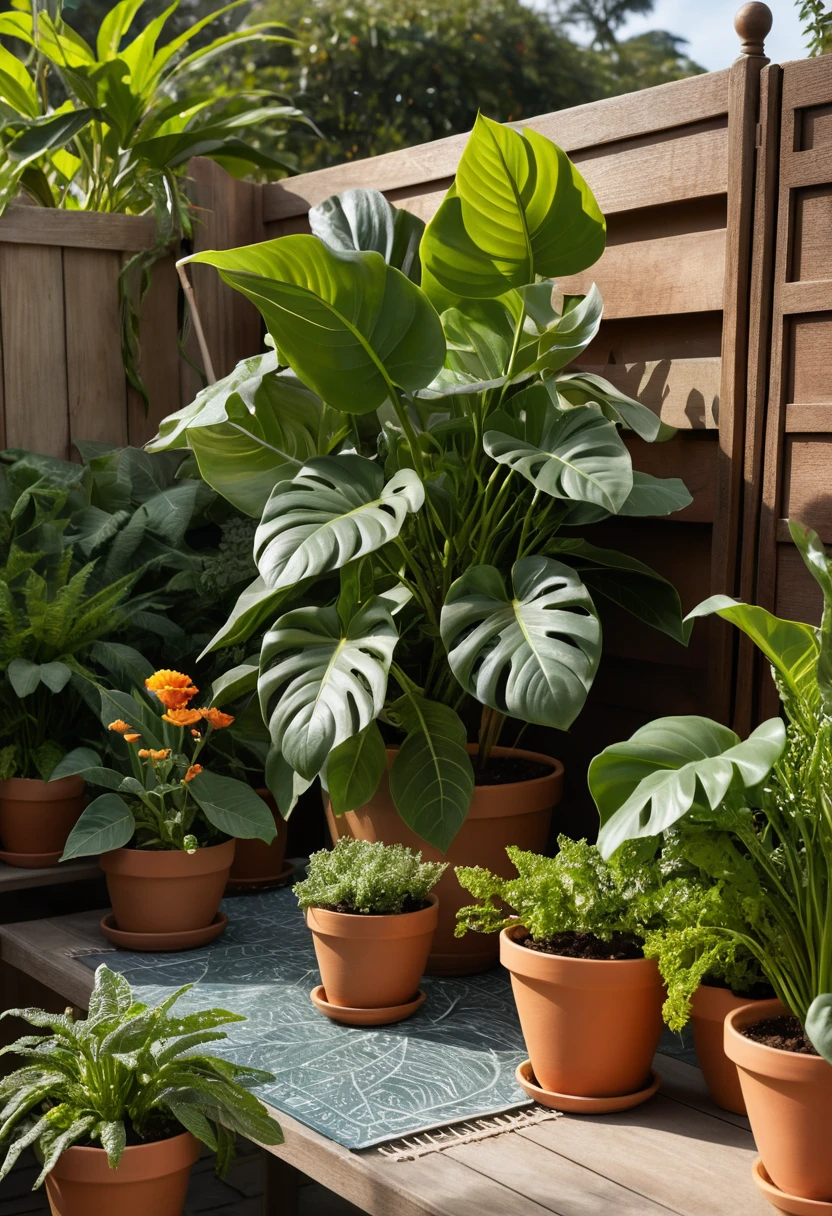
Tropical foliage plants are among the most popular choices for indoor gardens because of their large leaves, attractive patterns, and relatively adaptable nature. A 11+ Plant care routine for this group should focus on suitable indirect light, controlled watering, adequate drainage, and reasonable humidity.
Pothos, philodendrons, and monsteras are common examples. They can tolerate a range of indoor conditions, but “tolerant” does not mean that they thrive in darkness or constantly wet soil. Recent guidance also notes that philodendrons can adapt well to average household humidity and varied lighting, although individual varieties differ.
Pothos
Pothos is one of the most forgiving houseplants for beginners. It can tolerate lower light but generally produces stronger growth in brighter indirect light. Allow the upper portion of the potting mix to dry before watering thoroughly.
Variegated pothos may need more light to maintain strong coloration. If growth becomes sparse or the leaves become smaller, check the light level before changing the watering routine.
Philodendron
Many philodendrons are adaptable indoor plants that can tolerate average household humidity. They generally perform well in bright indirect light but can handle lower-light locations.
Keep them away from strong heating or cooling vents. Sudden cold or very dry airflow can stress foliage, particularly on more delicate varieties.
Monstera
Monsteras generally prefer bright indirect light and moderate humidity. Their large leaves can collect dust, so gentle leaf cleaning can be useful while also giving you an opportunity to check for pests.
Water when the upper portion of the soil has dried rather than following a fixed weekly schedule. Ensure the pot drains freely after watering.
Low-Light Houseplants
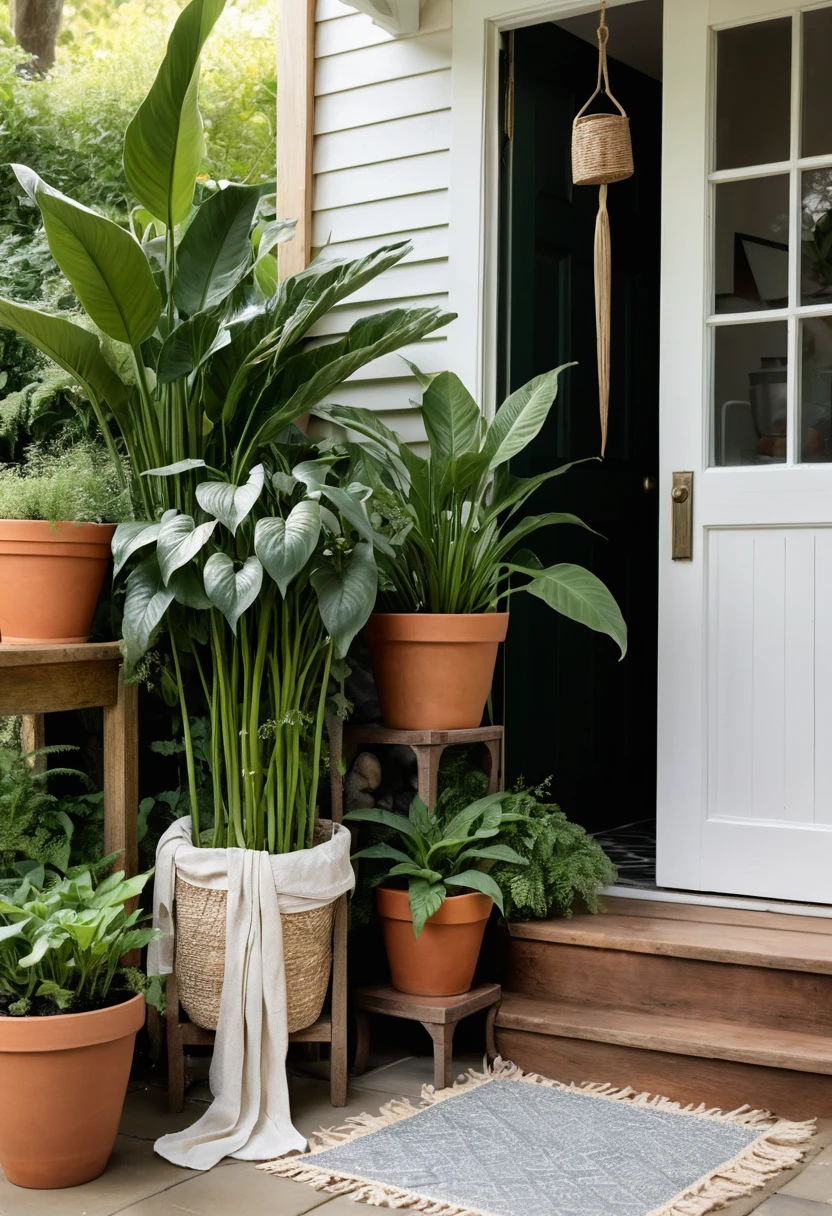
Low-light plants are popular for offices, bedrooms, hallways, and rooms with limited natural illumination. However, 11+ Plant care for low-light plants does not mean placing them in complete darkness.
Recent guidance identifies snake plants, ZZ plants, pothos, Chinese evergreens, cast iron plants, and some philodendrons as options that can tolerate lower indoor light. Even these plants need enough ambient or artificial light to maintain healthy growth.
Snake Plant
Snake plants are known for tolerating relatively low light and periods of dryness. Their thick leaves and water-storing tissues mean they generally need less frequent watering than many thin-leaved tropical plants.
Allow the growing medium to dry significantly before watering again. One of the most common mistakes is giving a snake plant water too frequently simply because it is kept indoors.
ZZ Plant
ZZ plants are another excellent option for beginners. They tolerate lower light and can handle longer dry periods, making them useful for people who want a relatively low-maintenance plant.
Avoid placing the plant in a container that stays wet for long periods. Good drainage is essential, particularly when the plant is kept in a cooler or darker room.
Chinese Evergreen
Chinese evergreens can tolerate lower to moderate light and are often selected for indoor spaces where brighter conditions are unavailable. They generally prefer a controlled watering routine rather than repeated extreme drying.
Watch the leaves for changes in color, texture, or posture. These signals can help you determine whether the plant is receiving suitable light and moisture.
Read also: 12+ Garden Ideas for a Productive Raised Bed Vegetable Garden Layout
Succulents and Cacti
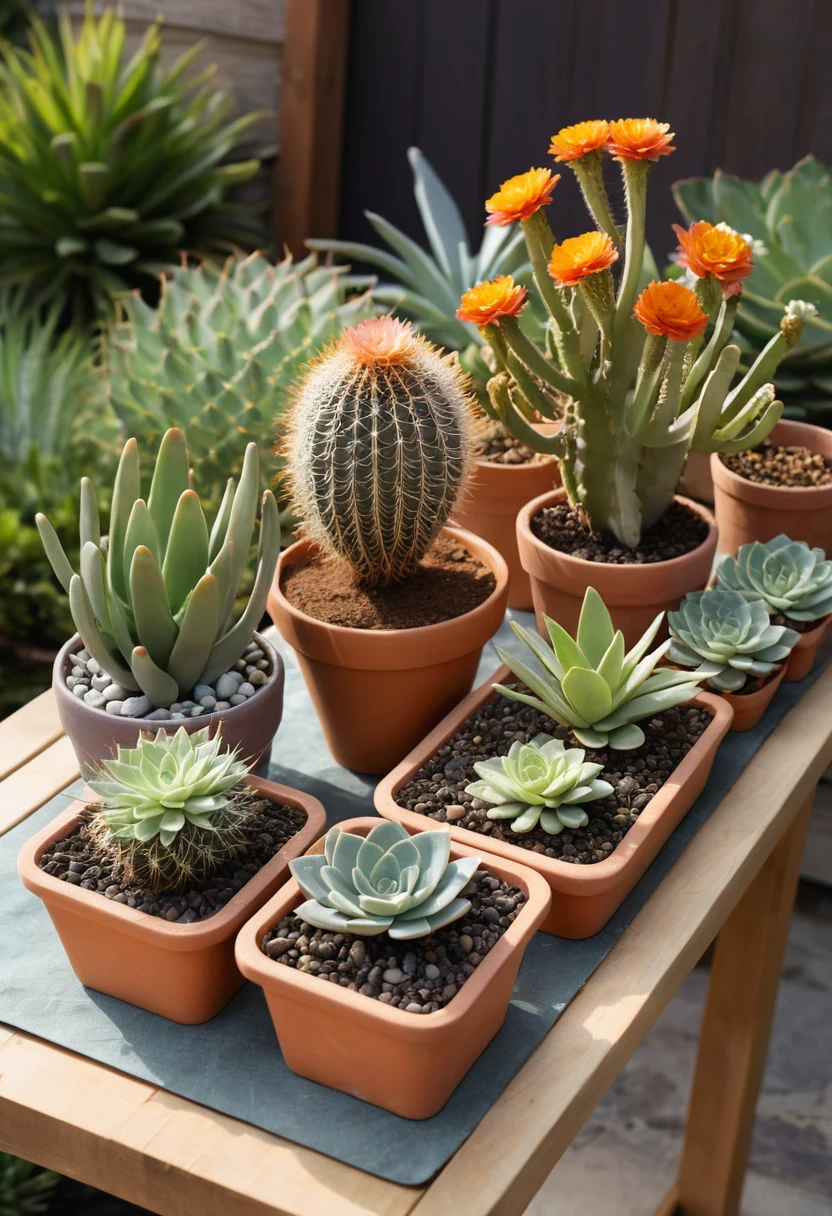
Succulents and cacti require a different approach from tropical foliage plants. Their tissues are adapted to store water, so a 11+ Plant care routine based on frequent watering can quickly create problems.
Most indoor succulents and cacti need bright light and well-draining soil. Water thoroughly when appropriate, then allow the growing medium to dry substantially before watering again. Current watering references commonly place succulents and cacti among the plant groups requiring the longest drying periods.
Succulents
Succulents generally perform best in bright light. If they receive too little light, some varieties may stretch, become less compact, or develop weaker growth.
Use a fast-draining potting medium and a container with drainage holes. Do not assume that a small amount of water every few days is safer than a proper watering followed by an appropriate dry period.
Cacti
Cacti are adapted to environments where water is not continuously available. Their indoor routine should therefore avoid constantly damp soil.
Place them in a bright location suited to the species. If you move a cactus from a low-light shop environment into strong direct sunlight, introduce the stronger exposure carefully to reduce the risk of sun damage.
Ferns and Humidity-Loving Plants
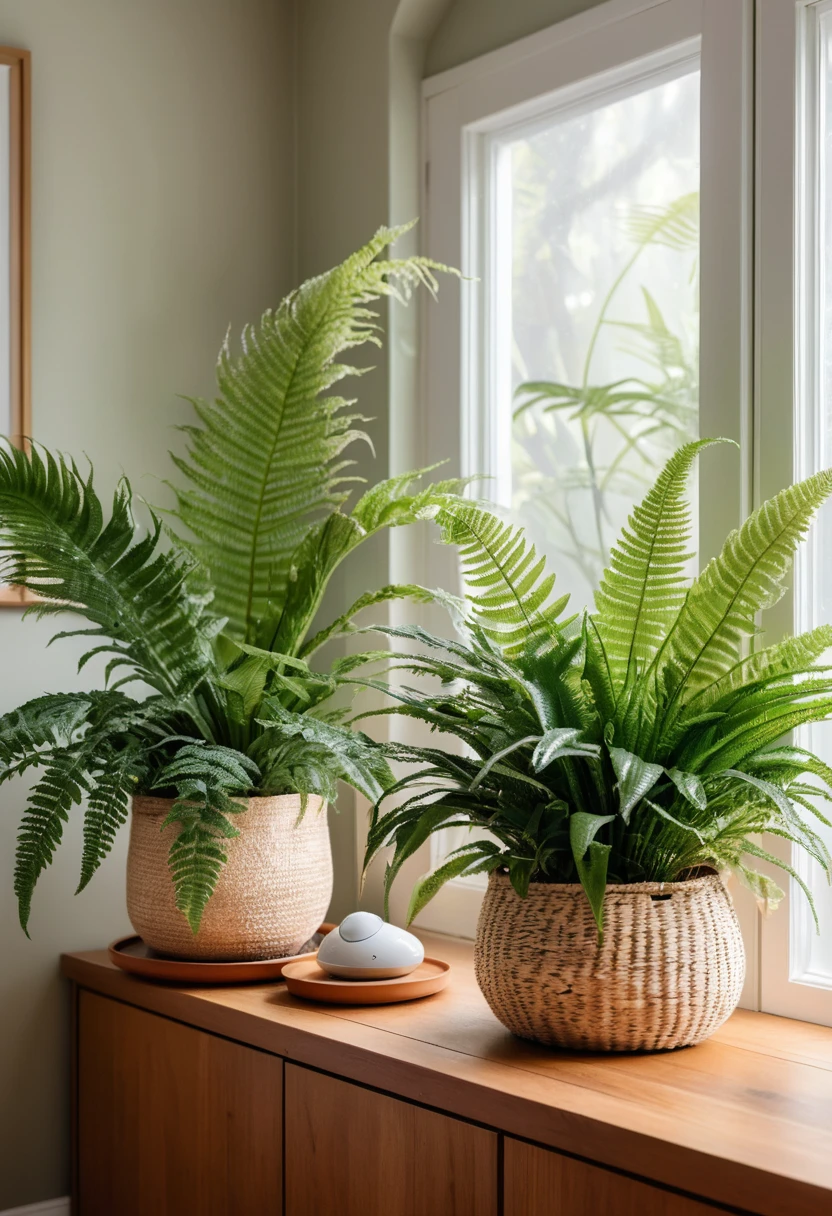
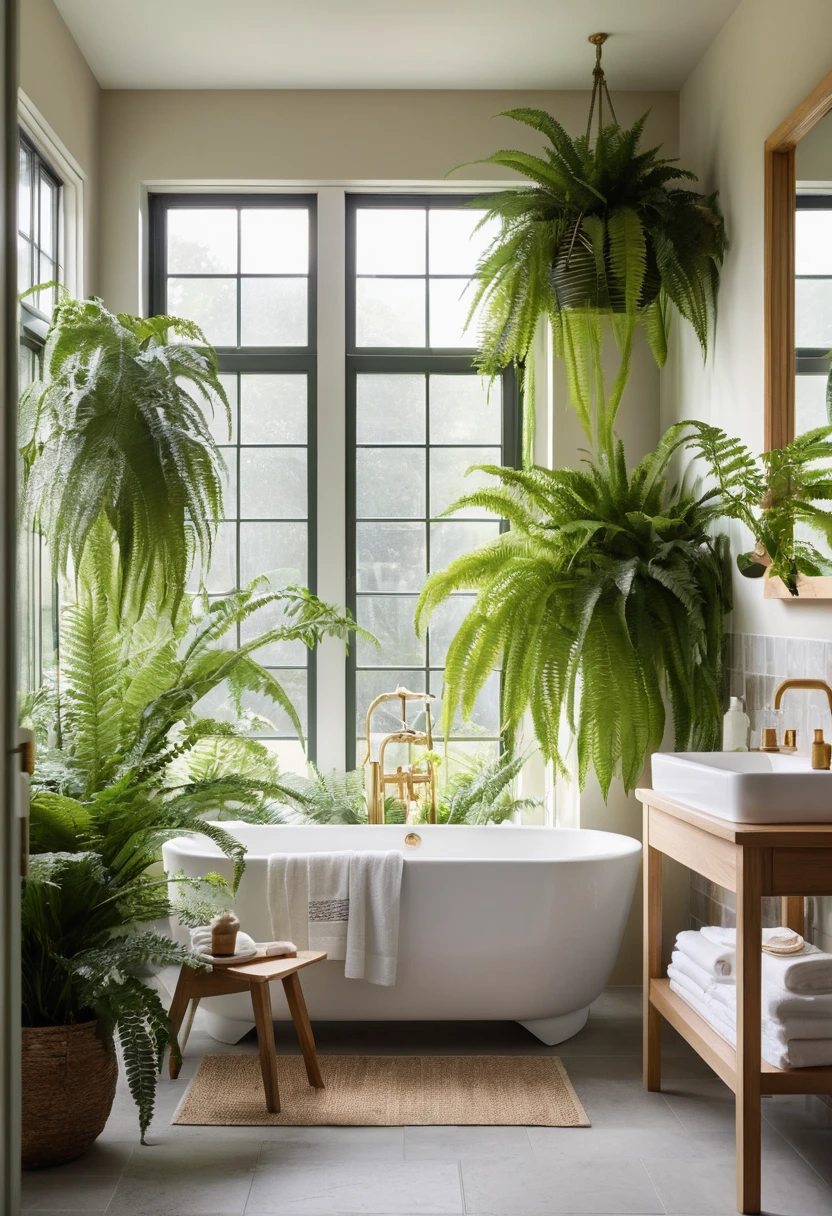
Ferns often require more attention to humidity and soil moisture than drought-tolerant plants. A 11+ Plant care routine for ferns should aim for suitable moisture without creating permanently saturated soil.
Boston ferns, for example, generally prefer more consistent moisture and higher humidity. Extension guidance lists asparagus ferns and other humidity-sensitive plants among houseplants that benefit from appropriate moisture and humidity management.
Boston Fern
Boston ferns can struggle when indoor air becomes very dry. They may develop crispy or brown foliage when environmental conditions are unsuitable.
Check the soil regularly and avoid allowing the root zone to become completely dry for extended periods. At the same time, ensure the container drains properly.
Maidenhair Fern
Maidenhair ferns are often less forgiving than many beginner-friendly houseplants. They prefer consistent moisture, suitable humidity, and appropriate indirect light.
If your home has very dry air, consider improving the surrounding environment rather than repeatedly soaking the soil. Humidity and watering are related but are not interchangeable.
Peace Lily and Other Flowering Houseplants
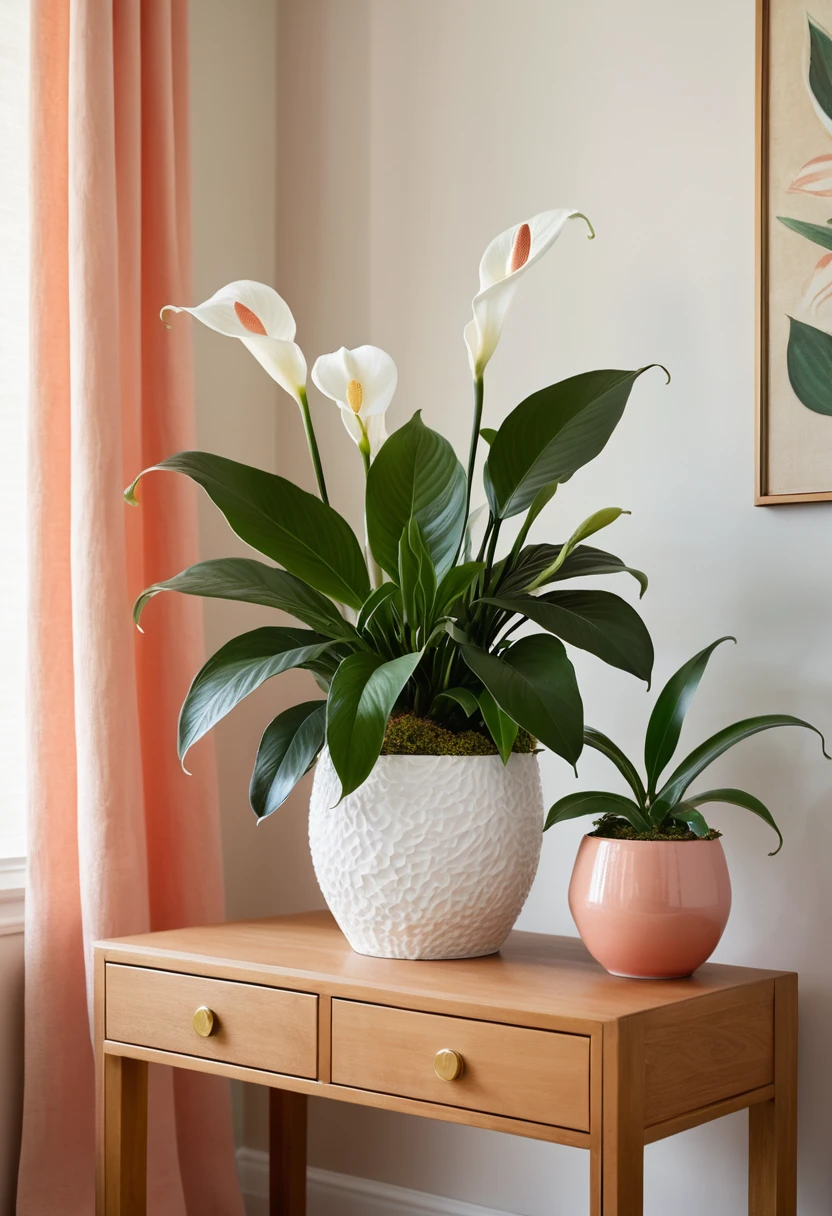
Flowering houseplants can add color as well as foliage to an indoor collection. A 11+ Plant care plan for flowering species should consider light, moisture, humidity, nutrition, and the plant’s natural flowering cycle.
Peace lilies are a good example because they prefer more consistent moisture than drought-tolerant plants. Recent guidance recommends checking the soil rather than following a rigid weekly schedule and warns that saturated soil can contribute to root problems.
Peace Lily
Peace lilies generally prefer medium indirect light and evenly moist—but not waterlogged—soil. They may droop noticeably when they need water, although repeated severe wilting should not be treated as a normal watering method.
If leaves remain yellow or the soil stays saturated for long periods, inspect drainage and root conditions before simply adding more water.
African Violet
African violets prefer bright but indirect light and benefit from careful watering. Extension guidance recommends maintaining moisture while allowing the surface to dry and using appropriate watering techniques.
Avoid repeatedly splashing water over the foliage. Water carefully around the growing medium and give the plant enough light to support healthy flowering.
Palms for Indoor Spaces
Indoor palms can create a tropical appearance but often require more attention than the toughest low-light plants. Parlor palms, for example, generally prefer moderate light without harsh direct sun and appreciate higher humidity.
A 11+ Plant care routine for palms should therefore include good airflow, suitable humidity, consistent but controlled watering, and protection from extreme temperature changes.
Parlor Palm
Parlor palms can adapt to moderate or lower indoor light, but they should not be placed in complete darkness. Their soil should remain reasonably consistent without becoming permanently saturated.
Dry brown tips can have several causes, including low humidity, water quality, or environmental stress. Look at the entire growing environment before assuming that the plant simply needs more water.
Areca Palm
Areca palms generally appreciate brighter indirect light and higher humidity than some low-maintenance plants. They can be attractive choices for bright rooms where sufficient space is available.
Avoid placing them directly beside a strong heating or cooling vent. Sudden changes in temperature and humidity can make foliage look stressed.
Plants With Thick or Waxy Leaves
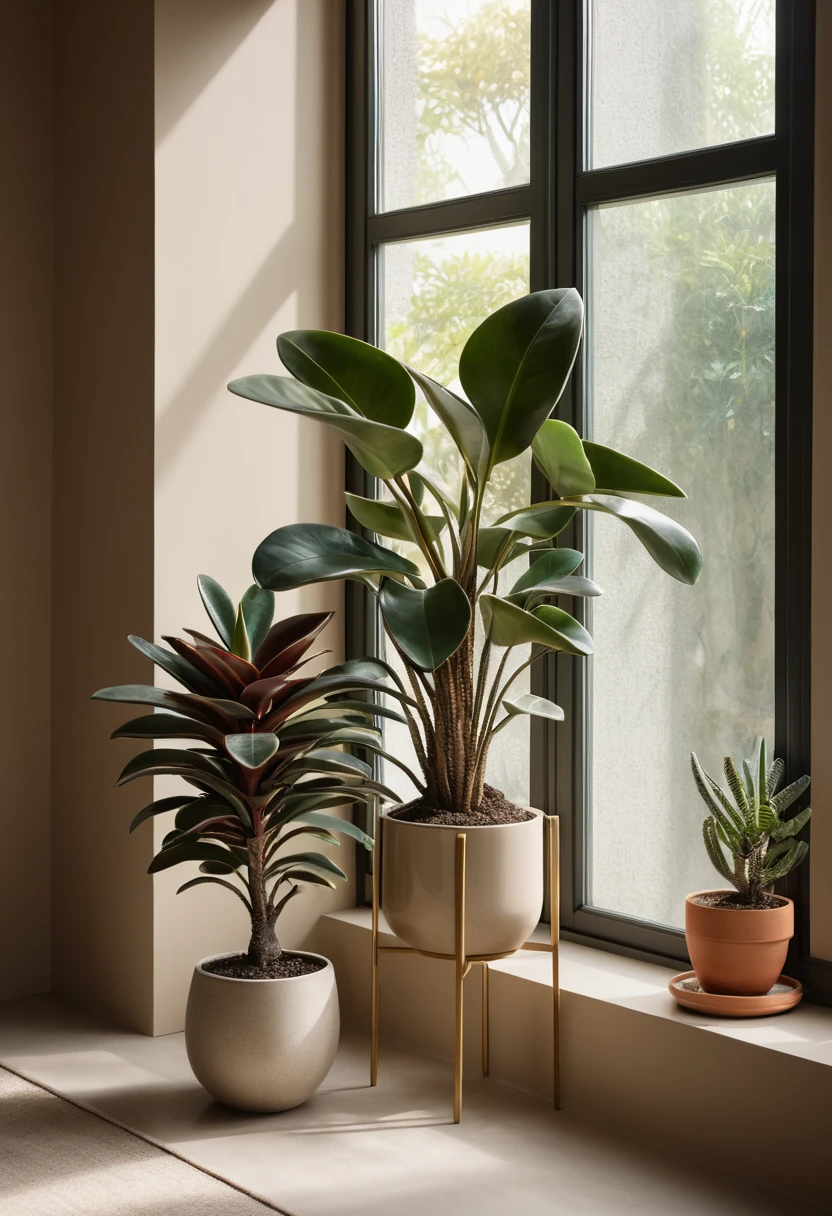
Some houseplants have thick or waxy leaves that allow them to tolerate somewhat drier conditions. Examples include hoyas, peperomias, some succulents, and certain rubber plants.
For these plants, 11+ Plant care should avoid excessive watering. Their leaves may remain attractive even when the soil has begun drying, so use the condition of the growing medium rather than the appearance of the foliage alone.
Peperomia
Peperomias generally prefer bright indirect light and should not remain in waterlogged soil. Their thicker leaves provide some water storage, so they can tolerate drying better than many delicate tropical plants.
Choose a container with drainage and use a loose potting mix that does not remain saturated for too long.
Hoya
Hoyas appreciate bright light and can often tolerate periods of drying between waterings. Some varieties can even handle a little direct sunlight when gradually introduced.
Avoid constantly wet soil. Allow the growing medium to dry appropriately while maintaining enough light to support healthy growth and flowering.
Soil and Drainage by Plant Type
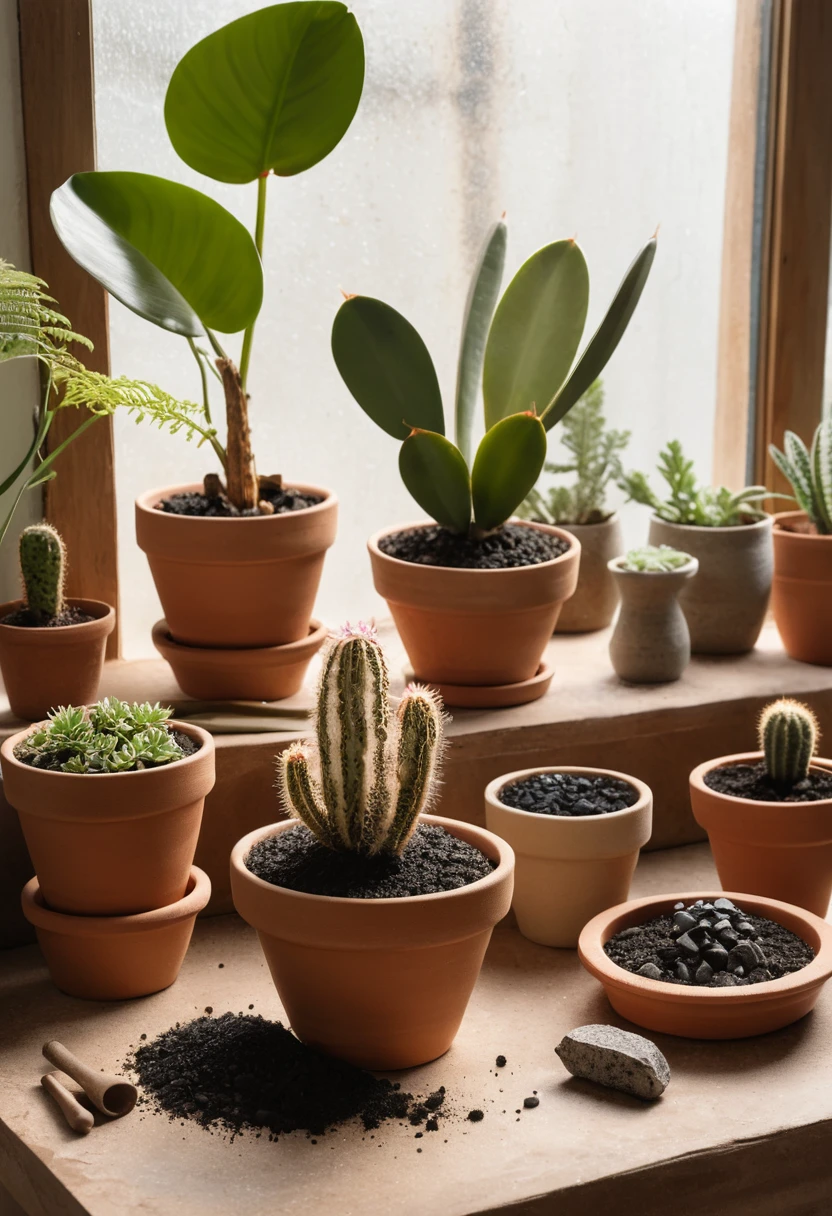
Soil is an essential part of 11+ Plant care because watering cannot be separated from how quickly the growing medium drains and dries. Two identical plants can have completely different watering needs if one is growing in a compact mix and the other is in a loose, airy medium.
Tropical foliage plants generally need a balance between moisture retention and aeration, while succulents and cacti usually need faster drainage. A suitable pot with drainage holes is important for both groups. Current houseplant guidance highlights soil structure, drainage, and pot size as major factors in root health.
Tropical Plants
A loose indoor potting mix can help retain some moisture while still allowing air around the roots. If water remains around the roots for a long time, investigate the soil and drainage before changing only the watering frequency.
A pot should not be dramatically oversized simply because you want the plant to have more room. Excess soil can remain wet for longer than the roots can use it.
Succulents
Succulents generally benefit from a more freely draining mix. Their containers should have effective drainage holes, and excess water should be able to escape easily.
If the plant is repeatedly sitting in damp soil, root damage can occur even if the plant itself looks healthy at first.
How to Choose the Right Houseplant for You
The best plant is not necessarily the most beautiful one in the nursery. The best choice is usually the plant whose requirements match your home’s conditions and your ability to maintain them.
Before buying a new houseplant, consider:
- How much natural light the room receives.
- Whether the light is direct or indirect.
- How often you are available to check plants.
- Whether your home is dry or humid.
- Whether you have pets or children.
- How much space the mature plant will need.
- Whether the pot has proper drainage.
- Whether you want an easy or challenging plant.
The Royal Horticultural Society also emphasizes considering light, humidity, and temperature when selecting houseplants.
Choosing a plant that fits your environment from the beginning can prevent many care problems later.
FAQs
1. How often should I water houseplants?
There is no universal schedule. Check the soil and consider the plant type, light, temperature, pot size, soil mix, season, and drainage before watering.
2. What are the easiest houseplants to care for?
Pothos, snake plants, ZZ plants, spider plants, and Chinese evergreens are generally good choices for beginners because they tolerate a range of indoor conditions.
3. Which houseplants need the most humidity?
Ferns, calatheas, peace lilies, and many tropical plants generally appreciate higher humidity than drought-tolerant plants such as snake plants and cacti.
4. Can low-light plants survive without sunlight?
Low-light plants still need usable light. If natural light is extremely limited, supplemental artificial lighting may be necessary for long-term healthy growth.
5. Should I water all my plants on the same day?
No. Different plants and rooms dry at different rates, so checking the growing medium is more reliable than using one watering day for every houseplant.
Conclusion
A good 11+ Plant care routine starts with recognizing that every houseplant has its own preferred balance of light, water, humidity, soil, and temperature. Low-light plants such as snake plants and ZZ plants can handle drier conditions, while ferns and many tropical plants generally need more consistent moisture and humidity. Succulents and cacti require an even different approach, with bright light and substantial drying between waterings.
Use a houseplant care chart as a practical guide, but let the plant and its environment make the final decision. Check the soil, observe new growth, monitor seasonal changes, and make gradual adjustments when something looks wrong. When you match the plant type to the right environment, everyday care becomes simpler and your indoor garden has a much better chance of staying healthy and attractive.

