
13+ Plant care becomes much easier when you know how to prevent and manage pests before they become a serious problem. Common houseplant pests such as aphids, mealybugs, scale insects, thrips, fungus gnats, and spider mites can weaken plants by feeding on leaves, stems, or roots. Instead of immediately reaching for harsh chemical treatments, many plant owners prefer practical, lower-impact approaches that focus on prevention, physical removal, plant hygiene, and biological control.
Have you ever noticed tiny flies around a pot, white cotton-like spots on a leaf, fine webbing, sticky leaves, or small insects hiding underneath foliage? These signs can appear suddenly, especially after bringing a new plant indoors. The Royal Horticultural Society notes that sap-feeding pests such as thrips, aphids, scale, mealybugs, and spider mites can affect indoor plants throughout the year.
This guide explains natural pest control for plants in a practical way. You’ll learn how to identify common houseplant pests, isolate affected plants, clean leaves, manage soil pests, use physical and biological controls, and create a prevention routine. The goal isn’t simply to kill insects; it’s to create conditions where your plants stay stronger and pest problems are easier to control.
1. Inspect New Plants Before Bringing Them Inside
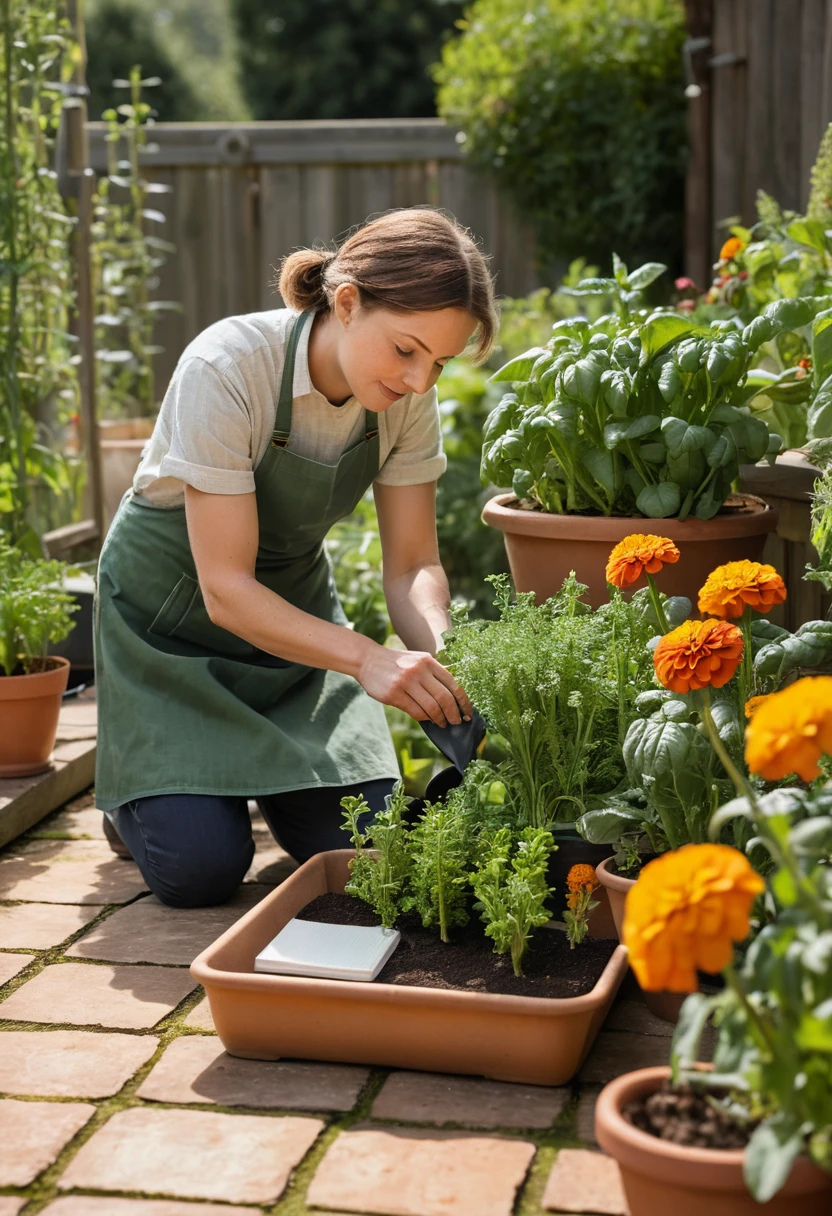
One of the most important parts of 13+ Plant care is checking every new plant before introducing it to your collection. A plant can look perfectly healthy from above while pests are hiding underneath leaves, around leaf joints, or close to the soil surface.
The RHS recommends buying from reputable suppliers and checking plants for pests and signs of poor health before purchase. This simple habit can prevent a small pest problem from becoming a collection-wide infestation.
What to Check
Look closely at:
- Leaf undersides.
- New growth.
- Stems and leaf joints.
- Soil surface.
- Drainage holes.
- White cotton-like material.
- Brown or shell-like bumps.
- Fine webbing.
- Sticky residue.
- Tiny flying insects.
- Silver or speckled leaf damage.
A small magnifying glass can make very tiny pests easier to identify. The RHS also recommends using a hand lens or magnifying glass when examining poorly growing houseplants.
2. Isolate an Infested Plant
If you discover pests, move the affected plant away from your other houseplants as soon as practical. Isolation is one of the simplest forms of natural pest control because it limits opportunities for pests to move between plants.
This is particularly important when you have a large indoor collection. The RHS recommends separating a poorly or potentially infested houseplant from the rest until the problem has been identified and resolved.
Create a Simple Quarantine Area
You don’t need a special greenhouse. A separate room or distant location can work for temporary isolation, provided the plant still receives the light and environmental conditions it needs.
Continue checking nearby plants as well. Pests can spread before you notice visible damage, so inspect plants that were positioned close to the affected one.
3. Identify the Pest Before Treating It
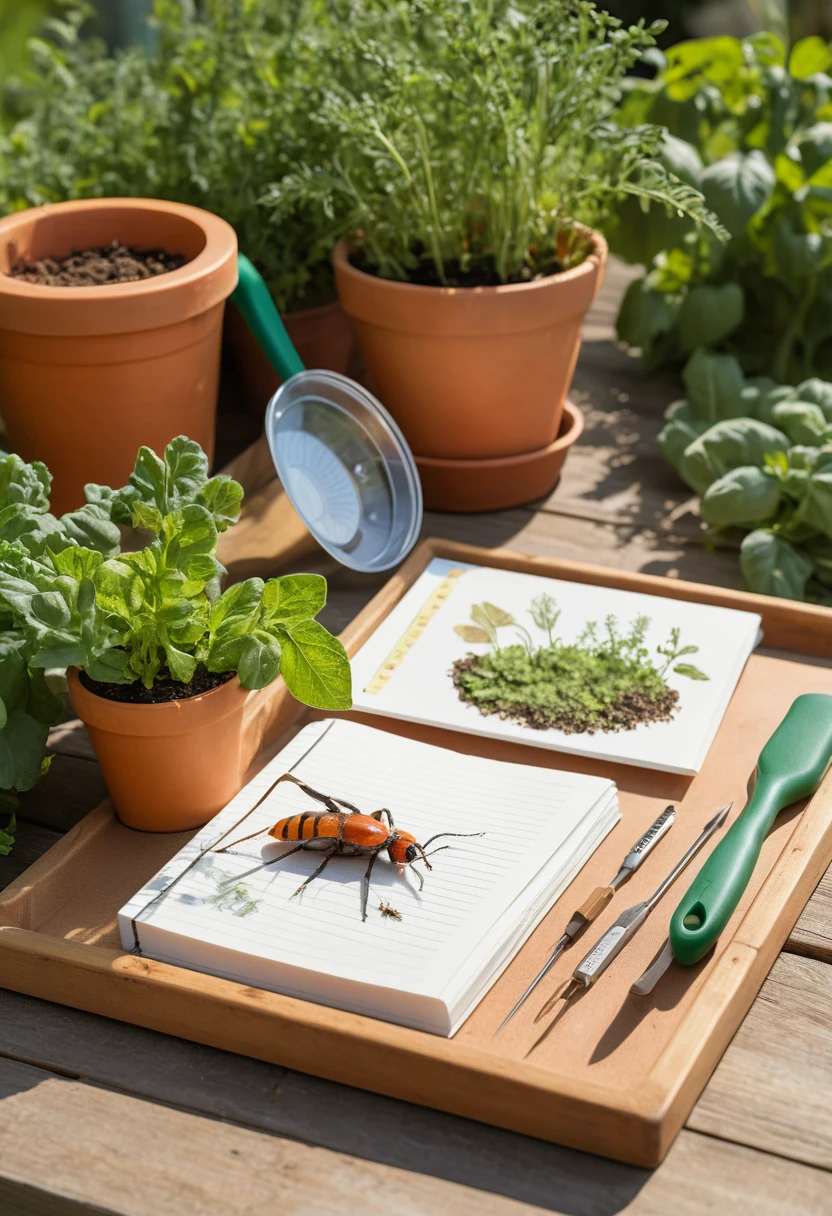
Effective 13+ Plant care means identifying the pest before choosing a control method. Aphids, mealybugs, scale, thrips, spider mites, and fungus gnats behave differently, so a treatment that works well for one may be ineffective for another.
For example, spider mites may produce fine webbing and speckled foliage, while mealybugs often appear as white cotton-like clusters. Fungus gnats are tiny black flies commonly associated with damp growing media. The RHS lists these and other common houseplant pests and provides characteristic signs to watch for.
Look at the Damage Pattern
The location and appearance of damage can provide clues. Sap-feeding insects may cause weakened growth, discoloration, sticky honeydew, or sooty mould. Thrips can leave damaged or silvery-looking areas, while spider mites may produce stippling and fine webbing.
Don’t rely on leaf damage alone, though. Check the actual plant for insects or other evidence whenever possible.
4. Wash Leaves With Water
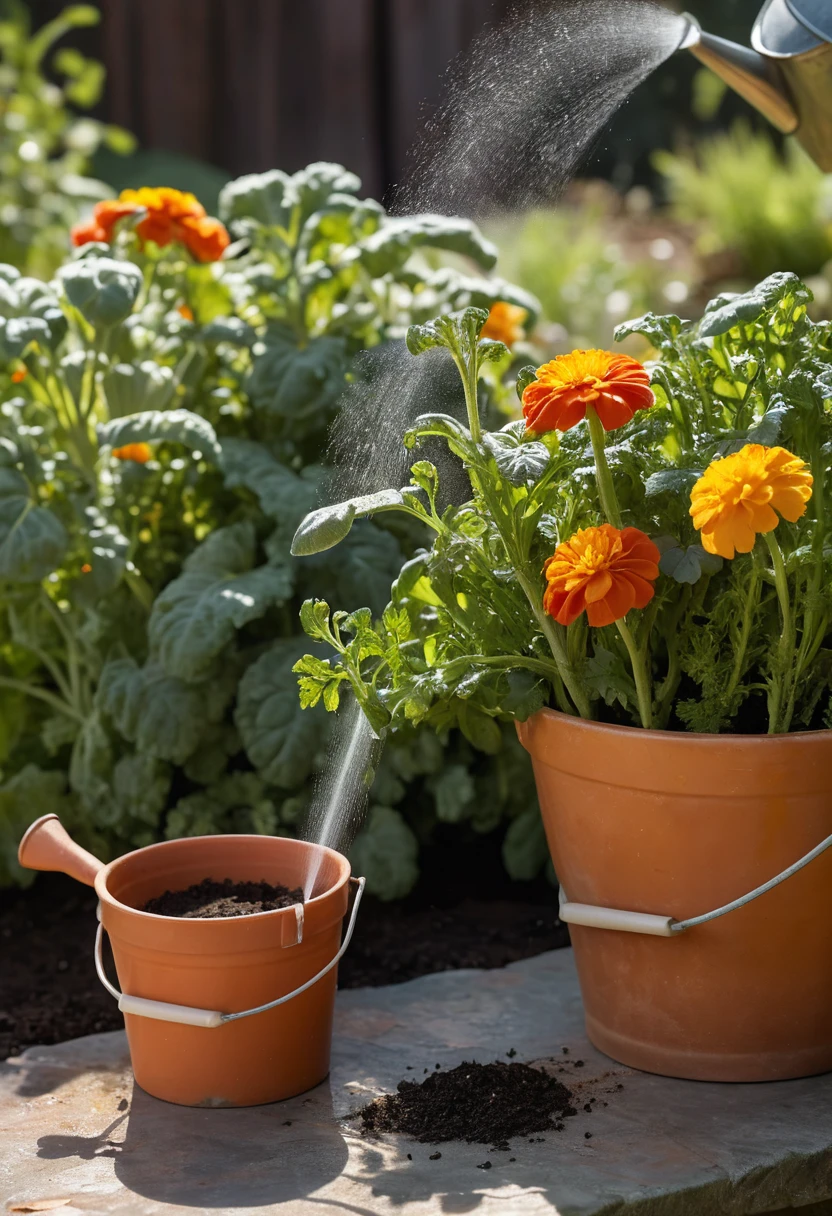
A strong but gentle stream of water can physically dislodge many small pests from foliage. This can be one of the simplest natural methods for plants that tolerate being washed.
Take the plant to a sink, shower, or suitable outdoor location and rinse the leaves and stems carefully. Pay particular attention to the undersides of leaves because pests often shelter there.
Repeat When Necessary
One washing may not remove every insect or egg. Repeating inspections and washes can be more useful than expecting one treatment to solve everything.
Protect fragile foliage and avoid using water pressure strong enough to tear leaves or break stems. Plants with delicate leaves may require a gentler approach.
Read also: 15+ Garden Ideas for a Beautiful Backyard Garden Arch
5. Remove Visible Pests by Hand
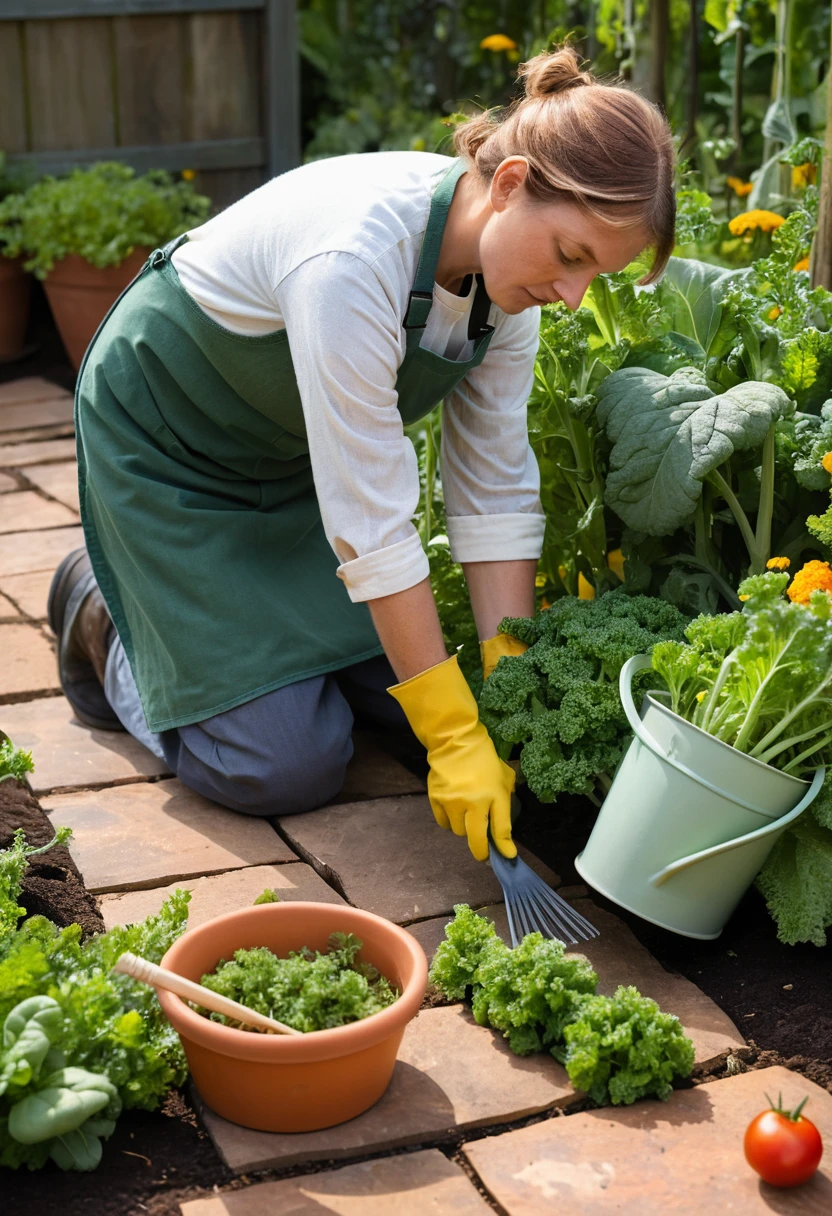
For small infestations, manually removing pests can be surprisingly effective. This method works especially well for larger, slower-moving pests such as mealybugs and scale insects.
Use a cotton swab, soft cloth, or other appropriate tool to remove visible insects. Check hidden areas such as leaf axils, stems, and the underside of leaves.
Be Thorough
The purpose of manual removal is not simply to remove the insects you can see from the top of the plant. Search carefully throughout the plant.
Repeat the inspection every few days for a while. Newly discovered insects can be removed before they reproduce and rebuild the population.
6. Clean Plant Leaves Regularly
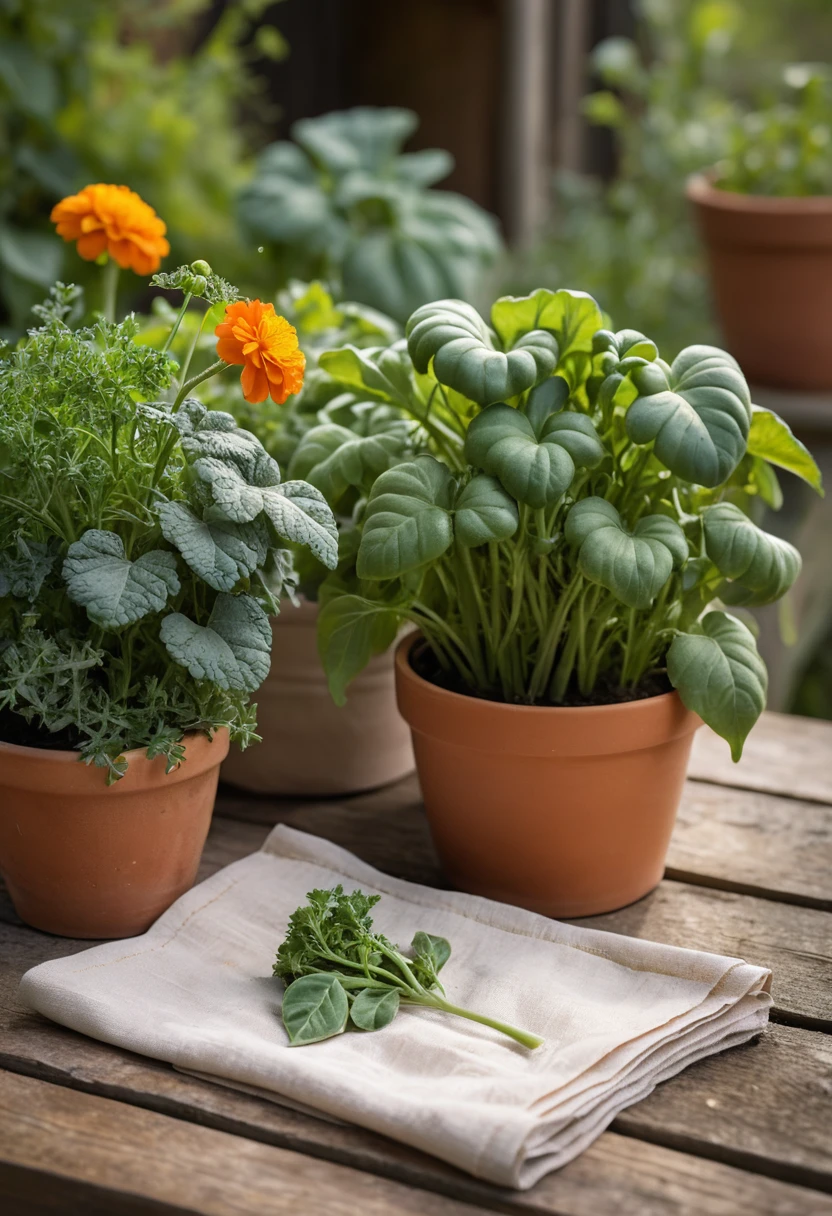
Clean leaves are an important part of 13+ Plant care because regular inspection becomes easier when foliage isn’t covered in dust. Cleaning also gives you an opportunity to notice insects, eggs, webbing, sticky residue, and early signs of damage.
Use clean water and a soft cloth when the plant’s leaves are suitable for wiping. Support the leaf gently while cleaning rather than pulling against delicate stems.
Avoid Household Cleaners
Ordinary household cleaning products are not automatically safe for plant foliage. Products designed for glass, furniture, or kitchen surfaces may damage the leaf’s protective surface.
If a plant has delicate or fuzzy foliage, check species-specific care guidance before wiping it. Some plants are better cleaned by gentle rinsing or brushing.
7. Control Aphids Naturally
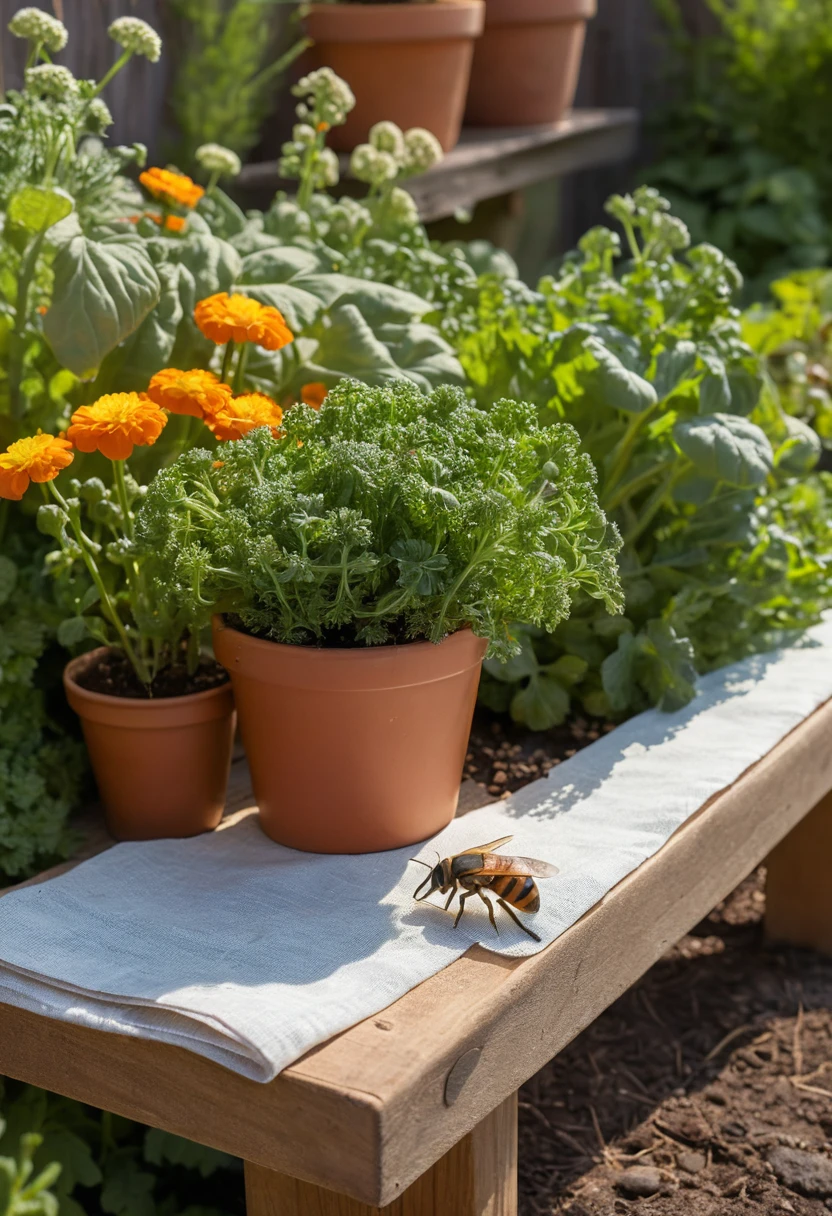
Aphids are small sap-feeding insects that can cluster around young shoots, stems, and tender leaves. They may weaken new growth and produce honeydew, a sticky substance associated with sooty mould. The RHS identifies aphids among common sap-feeding pests found on indoor plants.
For a small infestation, physically removing aphids with water or by hand can reduce their numbers. Repeated monitoring is important because aphids can reproduce quickly under favorable conditions.
Encourage Natural Enemies
In suitable outdoor or greenhouse environments, natural predators such as hoverfly larvae, lacewing larvae, and parasitoid wasps can help manage aphids. The RHS identifies these as biological control options for aphids.
For a typical indoor collection, introducing beneficial insects may not always be practical. Physical removal and isolation can be simpler options for small infestations.
8. Manage Mealybugs Without Harsh Chemicals
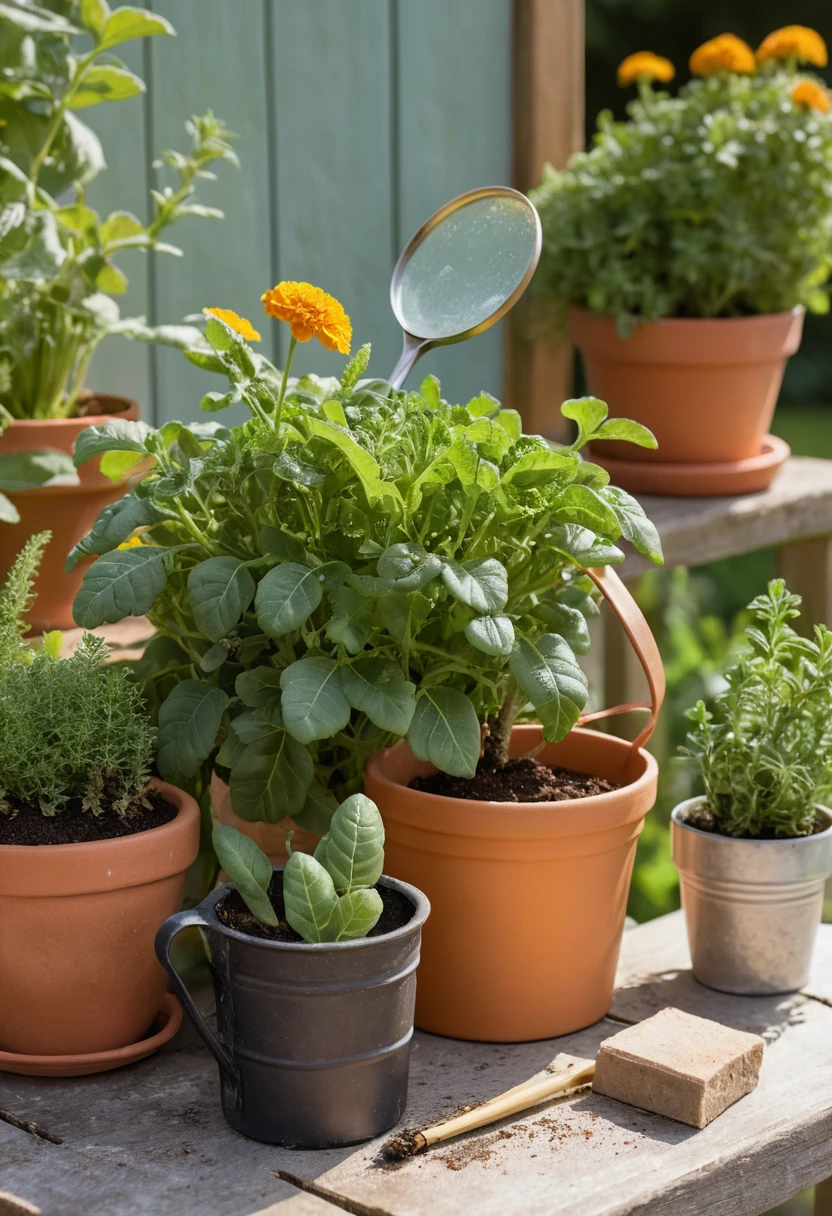
Mealybugs are among the easiest houseplant pests to recognize. They often appear as small white, cotton-like clusters around stems, leaf joints, and other protected areas. The RHS specifically lists mealybugs as common indoor sap-feeding pests.
For a light infestation, carefully removing visible insects can reduce the population. Inspect every part of the plant because leaving a few hidden individuals can allow the problem to return.
Check Hidden Areas
Mealybugs often hide in places that aren’t immediately visible. Look around leaf axils, beneath leaves, along stems, and close to new growth.
If the infestation is extensive, repeated removal may become time-consuming. At that point, consider whether a biological or appropriately labeled plant-protection option is more suitable for your situation.
9. Deal With Scale Insects
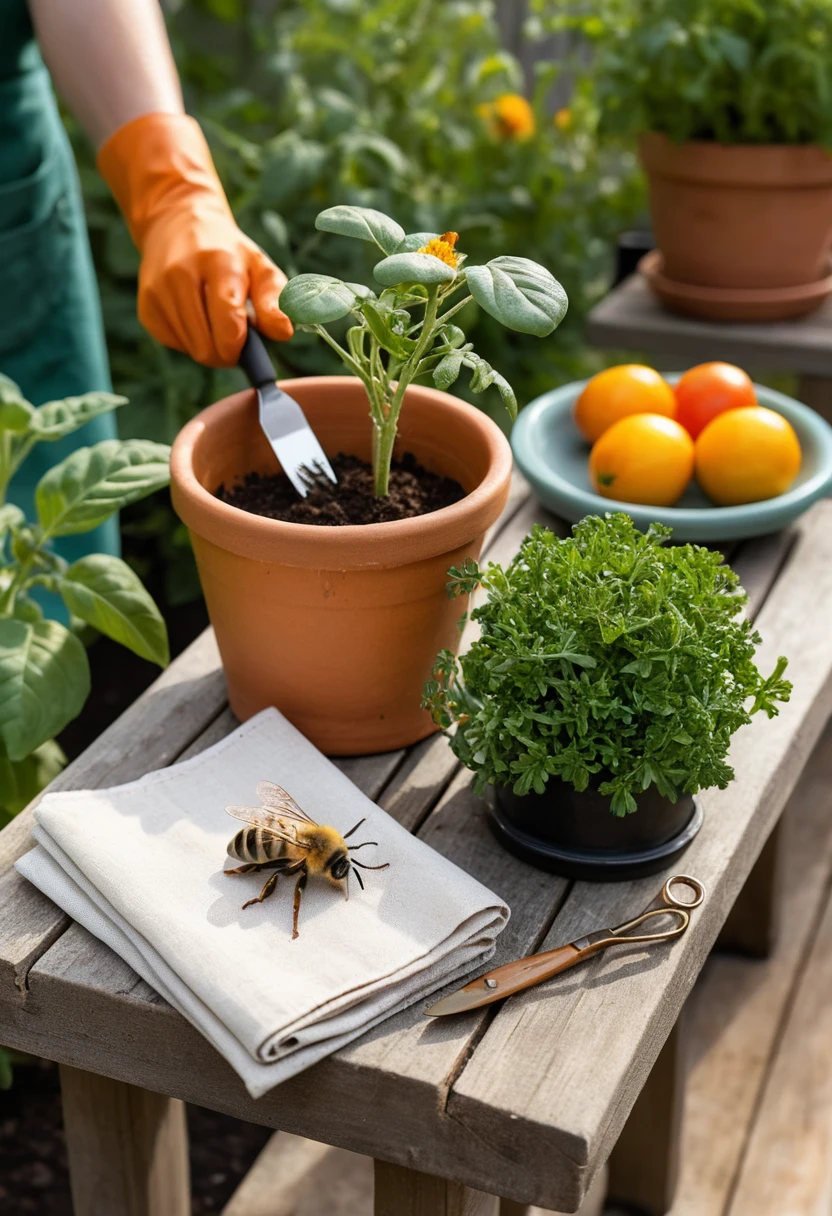
Scale insects can appear as small brown, tan, or other colored bumps attached to leaves or stems. Because they can resemble part of the plant, they may be overlooked during a quick inspection.
Physical removal can be useful for small numbers. Carefully inspect stems and leaf undersides, where scale can become established.
Keep Monitoring After Removal
Removing visible scale does not guarantee that every life stage has been eliminated. Continue checking the plant regularly.
If the infestation repeatedly returns, improve the plant’s general growing conditions and consider an appropriate biological or non-chemical control strategy.
10. Reduce Spider Mite Problems
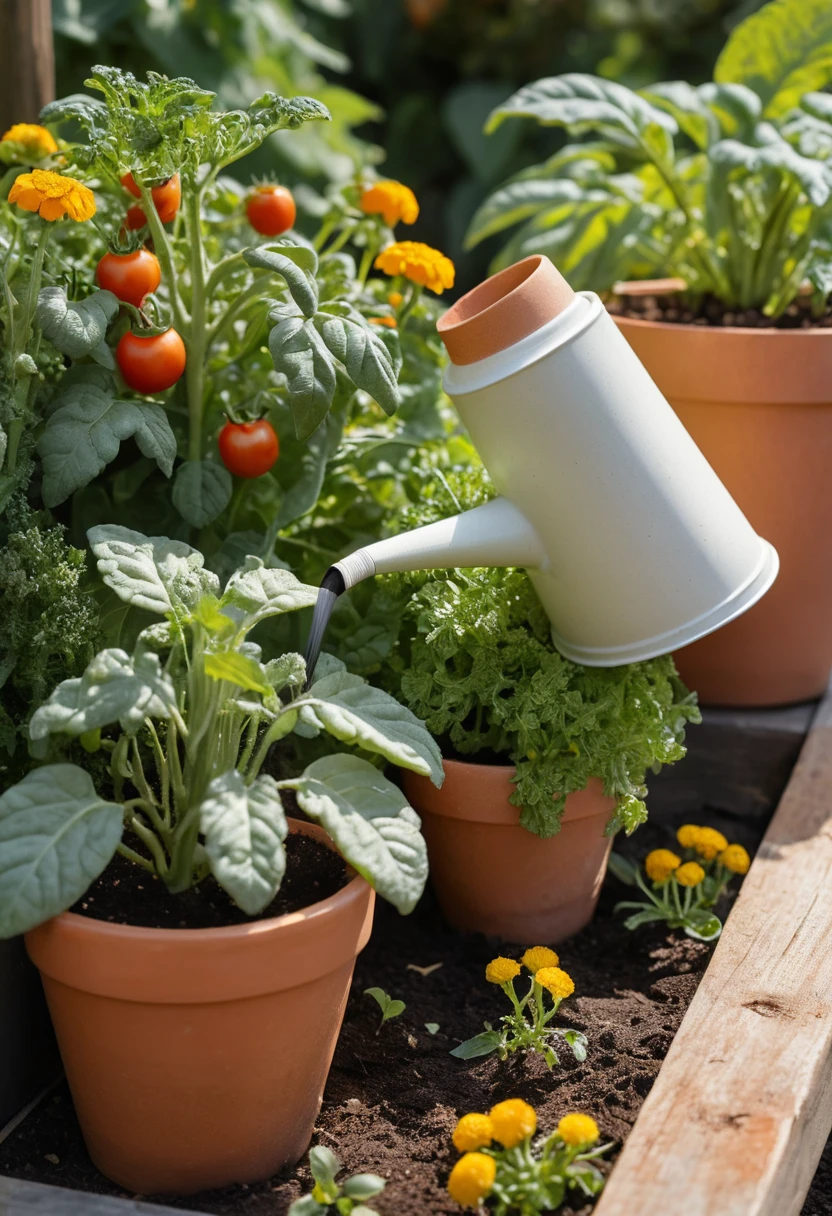
Spider mites can be particularly troublesome in warm, dry indoor conditions. They may cause fine speckling or bronzing on leaves and can produce delicate webbing when populations become noticeable. The RHS identifies fine webbing as a useful clue for glasshouse red spider mite.
A 13+ Plant care approach to spider mites should include improving the plant’s growing environment while physically reducing the pest population. Rinsing foliage can help dislodge mites, particularly when performed carefully and repeatedly.
Pay Attention to Dry Conditions
Very dry indoor air can create conditions that favor some spider mite problems. However, simply increasing humidity is not a universal cure and shouldn’t replace inspection and physical control.
Make sure the plant still receives appropriate light and airflow. Avoid creating persistently wet foliage or stagnant conditions.
11. Manage Fungus Gnats by Changing Moisture Habits
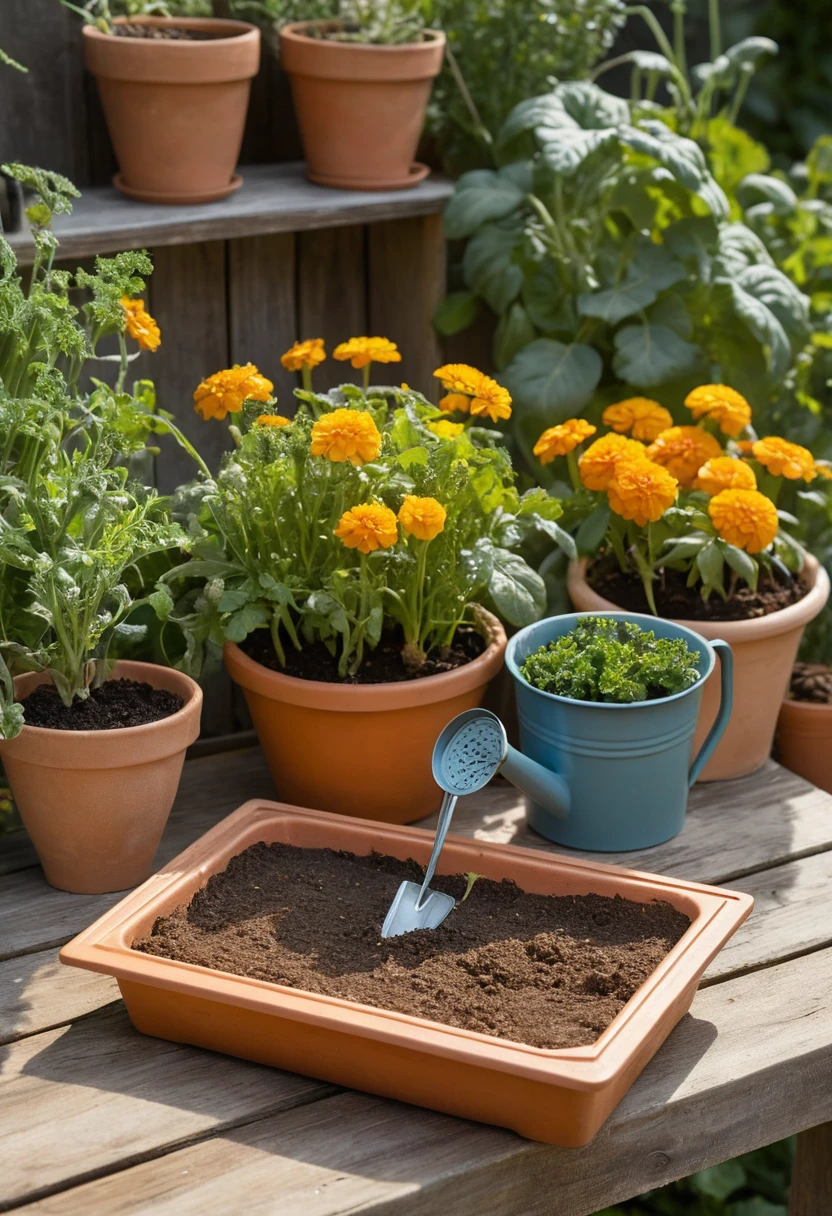
Fungus gnats are tiny flying insects that are often noticed around indoor plant pots. Their presence can become more noticeable when growing media remains consistently damp.
A practical 13+ Plant care strategy is to review watering habits and allow the growing medium to dry to the level appropriate for that particular plant. Avoid keeping every houseplant constantly wet simply because you are trying to prevent wilting.
Use Sticky Traps for Monitoring
Yellow sticky cards can help monitor flying pest activity. The RHS describes yellow card sticky traps as a useful, low-cost monitoring tool for flying pests in greenhouse settings.
How to Keep Houseplants Pest-Free Long Term
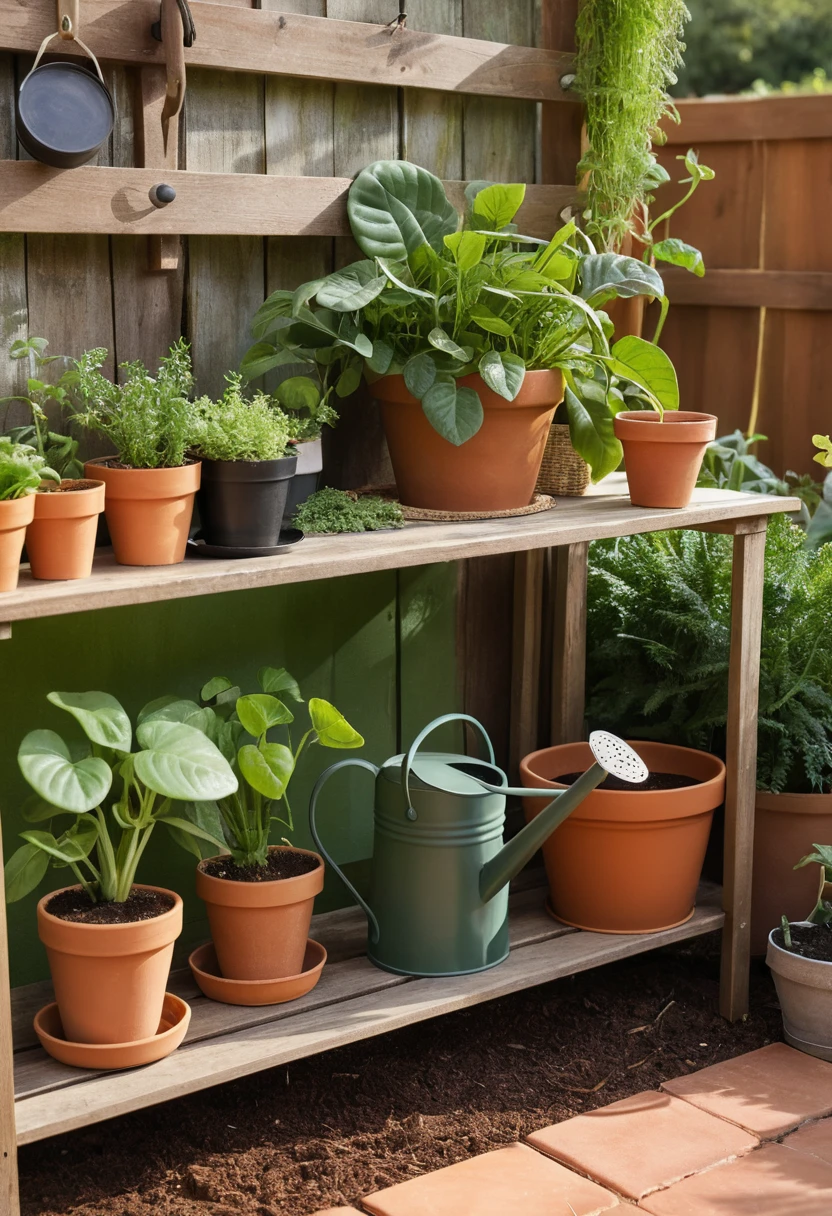
Long-term prevention is more effective than repeatedly reacting to infestations. Keep new plants under observation, provide appropriate light and watering, remove dead material, clean tools, and inspect leaves regularly.
A good 13+ Plant care routine should also recognize that pests can occur at any time of year. The RHS notes that several common sap-feeding pests can be found on indoor plants throughout the year.
Healthy cultivation doesn’t guarantee that pests will never appear, but it makes problems easier to spot and manage.
Give Plants the Conditions They Need
Choose plants that match your home’s light, humidity, temperature, and available care. The RHS recommends selecting plants according to the conditions you can actually provide rather than choosing purely for appearance.
When the right plant is placed in the right environment, everyday care becomes more predictable and your collection is easier to maintain.
FAQs
1. What is the best natural pest control for houseplants?
For small infestations, start with isolation, hand removal, washing foliage, regular inspection, and correcting poor growing conditions before considering other controls.
2. How can I get rid of bugs on my houseplants naturally?
Identify the pest first, isolate the affected plant, physically remove visible insects, rinse suitable foliage, and repeat inspections until the population is under control.
3. Does neem oil kill all plant pests?
No. Neem-based products are not a universal solution, and their effectiveness depends on the pest, product, application, and life stage; always follow the product label.
4. How do I prevent pests from spreading to other plants?
Quarantine new or infested plants, inspect nearby specimens regularly, clean tools, remove plant debris, and avoid moving potentially infested plants around your collection.
5. What are the common pests found on indoor plants?
Common houseplant pests include aphids, mealybugs, scale insects, thrips, spider mites, and fungus gnats.
Conclusion
Effective 13+ Plant care doesn’t require treating every insect with a strong chemical product. The most useful approach is to build a prevention-first routine based on inspection, isolation, clean foliage, proper watering, suitable light, good airflow, and healthy growing conditions. When pests appear, identify them first and begin with practical physical or biological controls whenever appropriate.
Natural pest control works best as an ongoing process rather than a one-time treatment. Check your plants regularly, respond early to warning signs, and avoid using untested household mixtures simply because they are described as natural. With consistent observation and suitable care, you can keep your indoor garden healthier while reducing unnecessary pesticide use.

