
Clean leaves are an important part of healthy indoor gardening. 11+ Plant care for plant leaf cleaning is not simply about making houseplants look attractive; removing dust and grime can help more light reach the leaf surface. Extension and horticultural guidance recommends gentle cleaning with plain water and a soft cloth rather than relying on commercial shine products.
Have you ever noticed that your favorite houseplant looks dull even though you are watering it correctly? Dust, cooking residue, pet hair, and everyday household particles can gradually collect on broad leaves. Over time, a once-glossy monstera, rubber plant, or peace lily can look tired and dusty. The solution does not need to be complicated or expensive.
With the right 11+ Plant care routine, you can clean leaves safely, improve their appearance, and reduce the buildup that can interfere with the amount of light reaching the foliage. This guide covers practical cleaning methods, the safest materials to use, mistakes to avoid, how to handle different leaf textures, and ways to keep your indoor plants looking naturally fresh.
Why Cleaning Plant Leaves Is Important
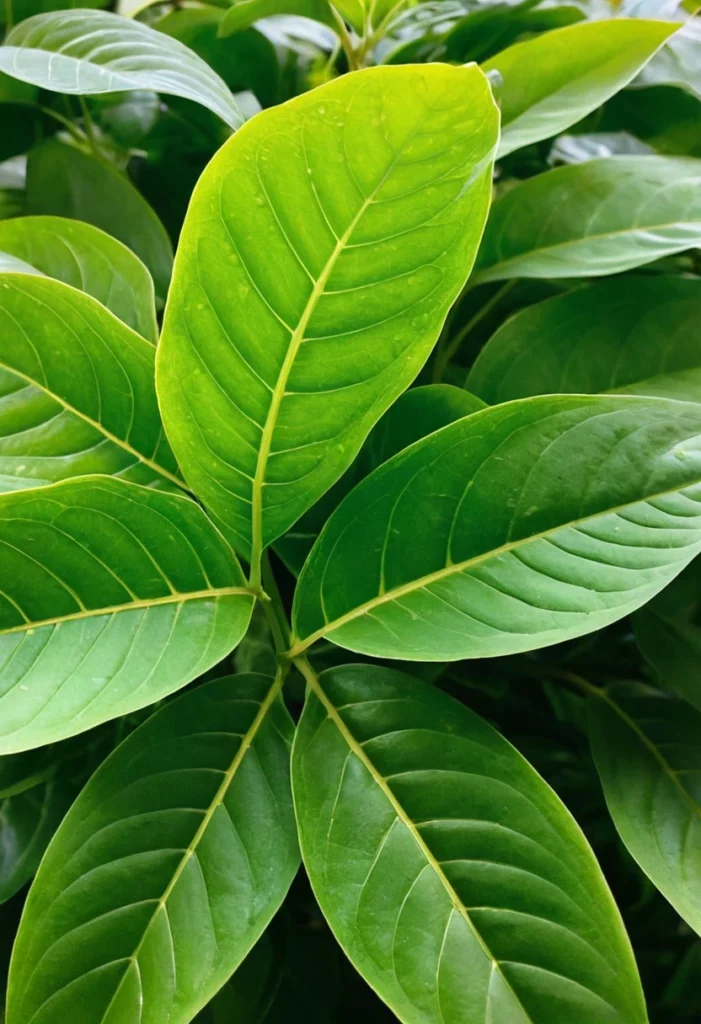
One of the simplest parts of 11+ Plant care is keeping foliage reasonably clean. Dust can accumulate on indoor leaves, particularly during periods when windows remain closed. University of Minnesota Extension recommends cleaning leaves with a damp cloth because dust and grime can affect plant health.
Clean foliage can also help more available light reach the leaf surface. This matters because plants depend on light for photosynthesis, the process through which they produce sugars that support growth. RHS explains that leaves have a large surface area designed to capture light for photosynthesis.
Dust Can Block Available Light
A layer of dust may seem insignificant, but repeated buildup can reduce the amount of useful light reaching the leaf surface. This can be especially noticeable in rooms that already have relatively low natural light.
Keeping leaves clean does not compensate for inadequate lighting, but it can help the plant make better use of the light it actually receives.
Clean Leaves Look Healthier
There is also a simple visual benefit. Dust-free leaves usually appear fresher, greener, and more vibrant without requiring artificial gloss.
For plants with naturally glossy foliage, such as rubber plants, wiping the leaves can make a particularly noticeable difference.
The Safest Way to Clean Plant Leaves
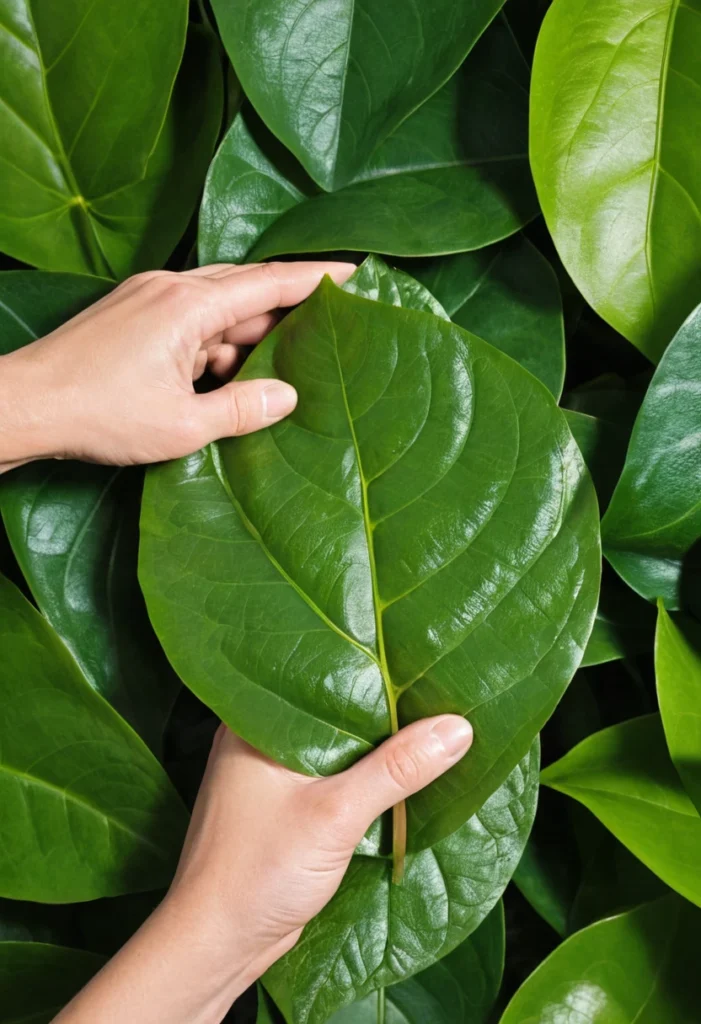
For most broad-leaved houseplants, plain room-temperature water and a soft, clean cloth are enough. Illinois Extension specifically recommends plain water or a soft damp cloth for cleaning foliage.
Start by supporting the leaf from underneath while gently wiping from the base toward the tip. Use light pressure rather than scrubbing. The objective is to remove surface dust without scratching the leaf or damaging its natural coating.
Use a Soft Damp Cloth
A microfiber cloth or another soft, clean fabric works well for large leaves. Dampen it with room-temperature water and wring out excess moisture before wiping.
Clean one leaf at a time, especially when the plant has large foliage. This gives you an opportunity to inspect the leaf for insects, spots, discoloration, or other problems at the same time.
Clean Both Sides When Appropriate
Dust can accumulate on both the upper and lower surfaces of leaves. The underside can also be a hiding place for pests, so gently checking this area is useful.
Do not rub delicate undersides aggressively. Some plants have fragile foliage or structures that can be damaged by excessive handling.
How to Clean Large-Leaved Houseplants
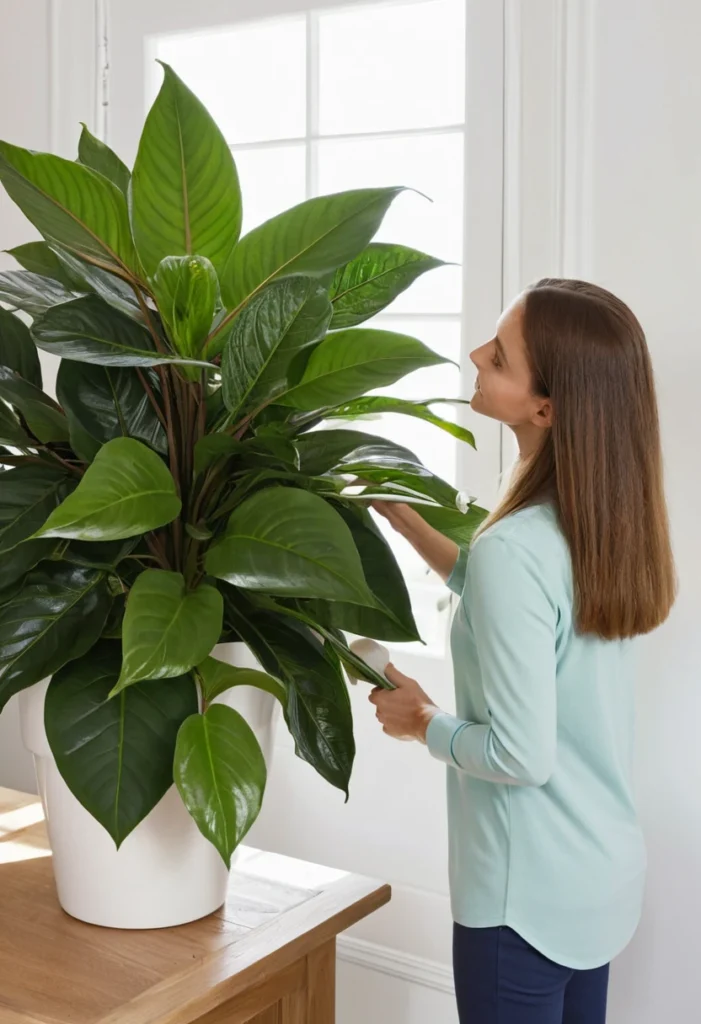
Large-leaved plants often benefit most visibly from regular cleaning. Monstera, rubber plants, fiddle-leaf figs, philodendrons, and similar plants can collect noticeable amounts of dust because their broad leaves provide a large surface area.
For 11+ Plant care, use a damp cloth and support each leaf while cleaning. Wipe gently from the central vein outward, following the natural structure of the foliage.
Clean One Section at a Time
If the plant is large, do not rush through the entire plant. Work systematically from the top leaves downward or from one side to the other.
This makes it easier to notice damaged foliage and prevents you from repeatedly touching already-cleaned leaves.
Support Fragile Leaves
Young leaves can be softer and more delicate than mature foliage. Place one hand behind the leaf while gently wiping with the other.
If a leaf bends easily, avoid pulling it toward you. Allow it to remain naturally positioned while you clean.
Showering Houseplants Can Be Useful
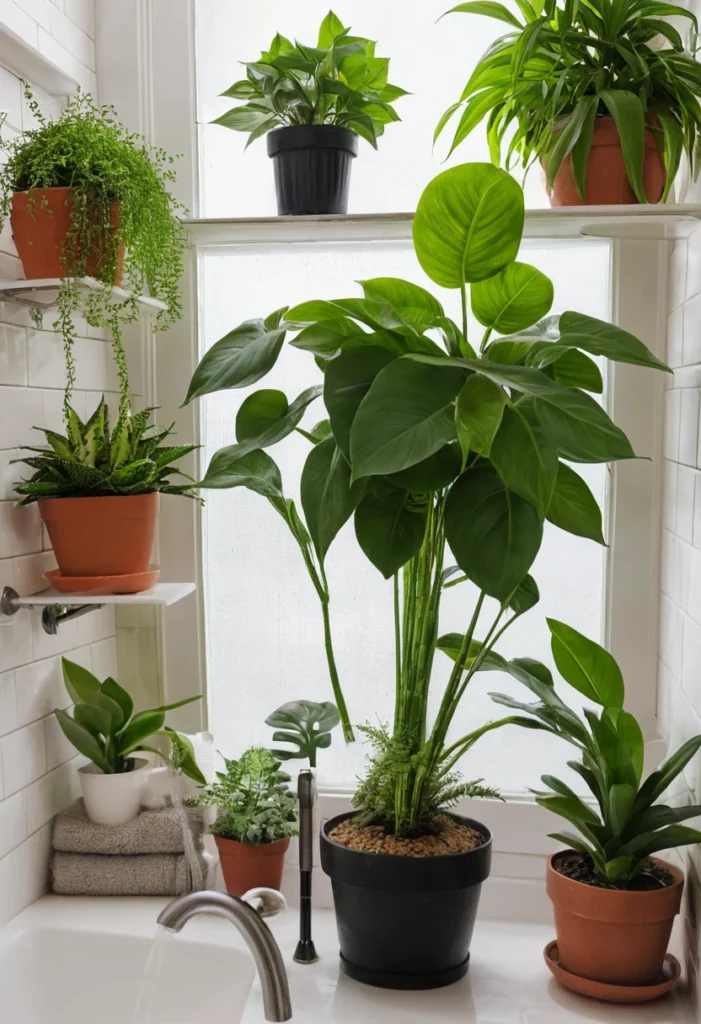
Some sturdy houseplants can be rinsed gently with lukewarm water. University of Minnesota Extension notes that smaller or sturdier plants can be rinsed in a sink or shower using lukewarm, unsoftened water.
This method can be convenient when a plant has many leaves and wiping each one individually would take too long. However, it is not suitable for every species or every situation.
Use Gentle Water Pressure
The water should flow gently rather than hitting the foliage with strong pressure. Excessive force can damage leaves, stems, flowers, or delicate new growth.
After rinsing, allow excess water to drain completely. Do not leave the plant standing in a container filled with runoff water.
Let the Foliage Dry Naturally
After rinsing, place the plant somewhere with suitable light and airflow. Avoid immediately placing wet foliage against a cold window or directly in intense sunlight.
Good airflow can help reduce prolonged moisture on leaves and lower the risk of certain fungal problems. RHS notes that ventilation can help reduce fungal disease problems in indoor growing environments.
Read Also: 12+ Seasonal Garden Guides: Summer Garden Shade Tips for Heat Protection
Avoid Commercial Leaf Shine Products
A common mistake in 11+ Plant care is assuming that the shiniest leaves are necessarily the healthiest leaves. Commercial leaf-shine products may create a temporary glossy appearance, but extension guidance recommends avoiding them or using them very sparingly depending on the plant.
University of Minnesota Extension goes further and recommends never using leaf-shine products or milk on houseplant leaves.
Natural Shine Is Better
Healthy foliage has its own natural surface characteristics. Once dust is removed, many plants will already look noticeably brighter and healthier.
Instead of trying to create an artificial shine, focus on providing the plant with suitable light, water, humidity, and nutrition. A healthy plant generally develops attractive foliage without needing cosmetic products.
Why Oils Can Be a Problem
Oil-based household mixtures can leave a coating on the leaf surface. This may interfere with normal leaf function and can attract additional dust.
Ken Johnson of Illinois Extension similarly recommends using water rather than oils for cleaning large-leaved houseplants because coatings can interfere with leaf pores and stomata.
Do Not Use Milk to Make Leaves Shine
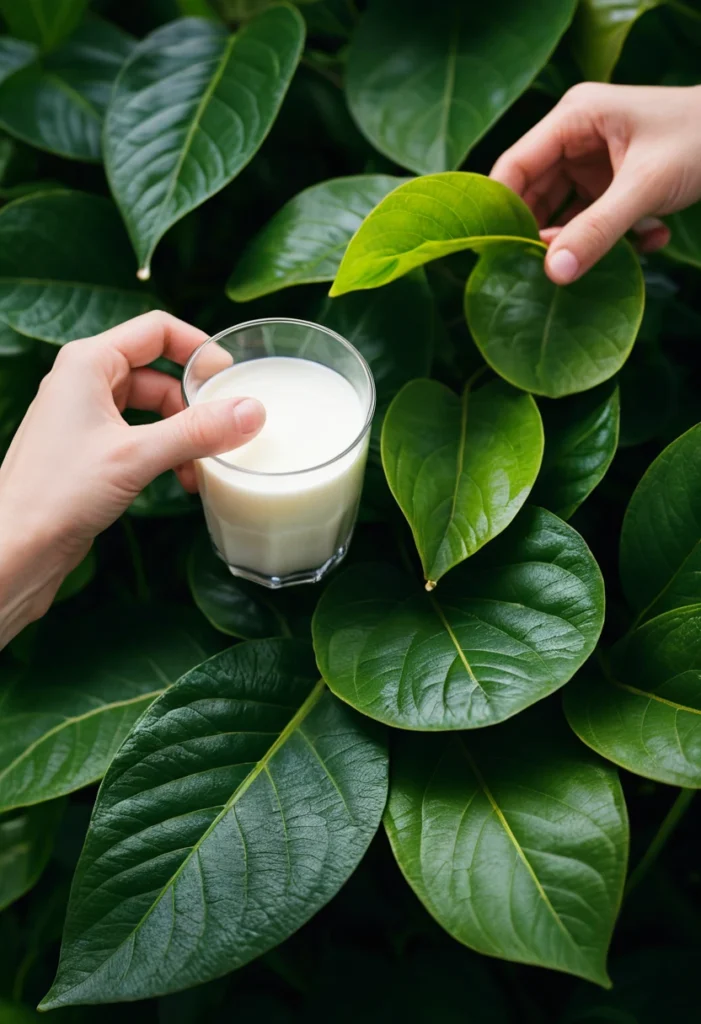
Milk is sometimes recommended online as a natural leaf-shine treatment, but it is not a good choice for routine 11+ Plant care. University of Minnesota Extension specifically advises against using milk on houseplant foliage.
Milk can leave organic residue on leaves, creating an unnecessary surface coating. It is better to use plain water and a soft cloth.
Skip Household Kitchen Remedies
You may see recommendations involving mayonnaise, cooking oils, sugary mixtures, vinegar, or other household ingredients. These are not necessary for ordinary leaf cleaning.
A simple cleaning routine is easier to control and reduces the risk of leaving residues behind. When caring for plants, simpler is often safer.
Cleaning Plants With Hairy or Fuzzy Leaves
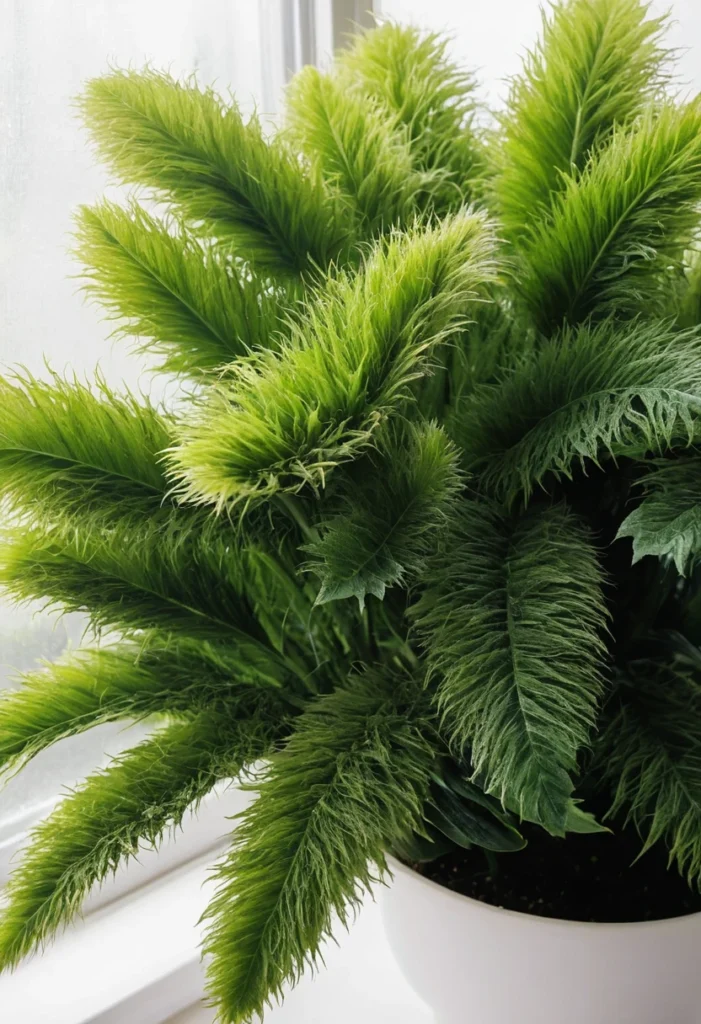
Not every plant should be treated like a rubber plant. Fuzzy, hairy, velvety, or heavily textured leaves can be damaged by wiping or soaking. Illinois Extension specifically advises against washing foliage or using leaf polish on plants with pubescent, or hairy, leaves.
For these plants, 11+ Plant care should focus on gentle dust removal and avoiding excessive moisture trapped among the leaf hairs.
Use a Gentle Technique
If the plant has delicate textured leaves, inspect the manufacturer’s or horticultural guidance for that species before applying water.
Never scrub fuzzy foliage simply to make it look glossy. The natural texture is part of the leaf and should be protected.
Avoid Artificial Polish
Leaf polish is particularly unnecessary on textured foliage. Products can become trapped between hairs or in surface structures and may be difficult to remove.
When in doubt, leave delicate foliage alone rather than experimenting with household products.
Clean Leaves While Checking for Pests
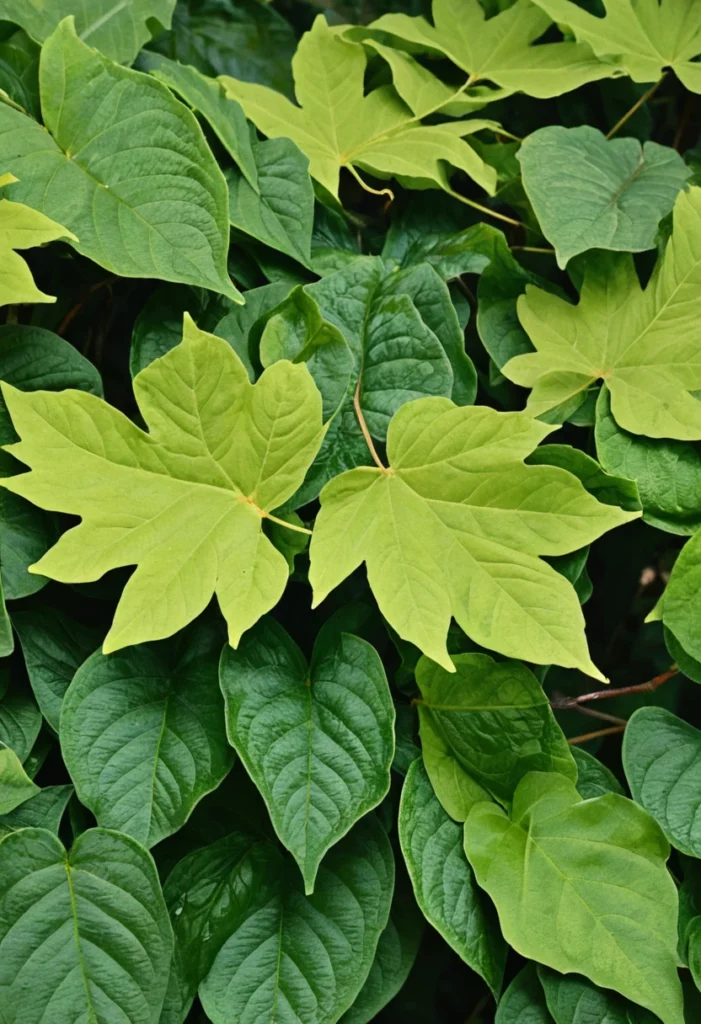
Leaf cleaning is an excellent opportunity to inspect plants for pests. While wiping foliage, look closely at the undersides, leaf joints, stems, and new growth. University of Minnesota Extension recommends checking the undersides of leaves because early pest detection makes management easier.
Look for small insects, webbing, sticky residue, distorted new growth, unusual spots, or clusters around stems. Cleaning does not replace pest control, but physically removing some pests can be useful for certain infestations.
Signs to Watch For
During cleaning, look for:
- Fine webbing.
- Tiny insects moving across leaves.
- Cotton-like clusters.
- Small bumps attached to stems.
- Sticky residue.
- Silvery streaks.
- Distorted new leaves.
- Unusual discoloration.
If you discover a pest problem, isolate the affected plant when practical and identify the pest before choosing a treatment.
Use a Separate Cloth for Problem Plants
If one plant has visible pests or disease symptoms, do not use the same cloth on healthy plants without cleaning it first. University of Minnesota Extension recommends changing the cloth when insects or disease are present to avoid spreading problems between plants.
This small habit can be especially useful when you have a large indoor plant collection.
How Often Should You Clean Plant Leaves?
There is no universal cleaning schedule for every houseplant. The right frequency depends on the amount of dust in your home, the size and texture of the leaves, indoor air movement, pets, cooking activity, and the plant’s location.
As part of 11+ Plant care, inspect the leaves regularly rather than following a strict calendar. If you can clearly see a layer of dust, it is probably time for a gentle cleaning.
High-Dust Homes Need More Attention
Plants near busy entrances, open windows, kitchens, or areas with significant household activity may accumulate dust faster.
Office environments can also create substantial dust buildup. RHS recommends paying regular attention to dust on office plants because accumulated dust can reduce photosynthesis.
Do Not Overhandle the Plant
Cleaning too aggressively or too frequently can cause unnecessary physical stress. You do not need to polish every leaf every few days.
A gentle wipe when visible dust builds up is generally more practical than trying to keep every leaf perfectly spotless at all times.
Use the Right Water for Leaf Cleaning
Water quality can affect the appearance of foliage. Hard water can leave mineral deposits on leaves after repeated exposure. RHS notes that overhead watering with hard tap water can leave noticeable calcium deposits on foliage.
If you notice white or chalky marks after cleaning, consider whether the water itself is leaving residue. A clean, damp cloth can sometimes remove existing deposits, depending on the plant and severity.
Use Room-Temperature Water
Extremely cold or hot water is unnecessary. Room-temperature water is a comfortable choice for most routine leaf cleaning.
Illinois Extension specifically recommends plain, room-temperature water for cleaning houseplant foliage.
Avoid Spraying Household Cleaners
Never treat leaves like ordinary household surfaces. Window cleaner, disinfectant, furniture polish, and other cleaning chemicals can damage foliage.
RHS notes that cleaning products and aerosols landing on leaves can cause pale spots.
Cleaning Leaves Without Damaging Them
Good 11+ Plant care is gentle. Leaves are living structures, not plastic surfaces, so excessive pressure, harsh chemicals, and rough materials can cause scratches or tissue damage.
When wiping, use a soft cloth and minimal pressure. Follow the shape of the leaf rather than dragging forcefully across veins, edges, or delicate growth.
Avoid Rough Paper Towels
Paper towels can work in some situations, but rough or low-quality material may leave fibers or create friction. A clean, soft cloth is generally a better reusable option.
Wash cleaning cloths regularly so accumulated dust and residues are not repeatedly transferred back onto your plants.
Hold the Leaf Carefully
Support broad leaves from behind while cleaning. This is especially important for large leaves with long stems that can bend or tear.
Do not pull leaves downward to reach their upper surfaces. Move around the plant instead.
Clean Plant Leaves During Seasonal Changes
Seasonal changes can create new cleaning needs. During winter, indoor plants may receive less natural light while household heating makes the air drier. Dust can also build up when windows remain closed.
University of Minnesota Extension notes that dust can accumulate on leaves during winter and recommends gentle cleaning to help plants make better use of available light.
Winter Cleaning
During darker months, clean leaves can help available light reach the foliage. This is particularly useful for plants positioned farther from windows.
Do not respond to winter stress by automatically increasing watering. Houseplants may require different watering patterns when light and growth rates change.
Spring Cleaning
Spring is a useful time to inspect plants carefully after winter. As light levels increase, plants may begin producing new growth, and clean leaves can help them make effective use of that light.
If moving plants closer to bright windows, make changes gradually. A sudden increase in intense sunlight can scorch foliage, particularly on shade-loving plants.
Leaf Cleaning and Photosynthesis
The relationship between clean leaves and photosynthesis is one reason 11+ Plant care includes foliage maintenance. Plants use light to produce sugars that support growth and repair. RHS explains that the broad surface of leaves allows light to reach chloroplasts, where photosynthesis occurs.
Dust does not automatically mean a plant is unhealthy, but heavy buildup can reduce the amount of usable light reaching the leaf surface. Cleaning helps remove that physical barrier.
Clean Leaves Cannot Fix Poor Lighting
It is important to keep expectations realistic. If a plant is sitting in a very dark corner, wiping its leaves will not provide the missing light.
Check the plant’s actual lighting requirements and position it appropriately. Clean foliage and suitable light work together rather than replacing one another.
Watch for Signs of Low Light
Weak, pale, or stretched growth can indicate inadequate light. RHS identifies weak and spindly growth as common signs that light levels are too low.
If you see these symptoms, look beyond leaf cleanliness. The plant may need a better location, supplemental lighting, or another environmental adjustment.
Cleaning Different Types of Houseplant Leaves
Different leaf structures require different cleaning methods. Broad, smooth leaves are usually easiest to wipe, while small, narrow, fuzzy, or delicate leaves may be better handled with gentle rinsing or minimal intervention.
Understanding leaf texture is an important part of 11+ Plant care because the same cleaning technique should not automatically be used for every plant in your collection.
Smooth, Glossy Leaves
Rubber plants, some philodendrons, and other smooth-leaved plants generally respond well to a soft damp cloth.
Wipe gently and support the leaf from underneath. For large plants, clean a few leaves at a time rather than trying to handle the entire plant at once.
Small Leaves
Plants with many small leaves can be difficult to wipe individually. If the plant is sturdy and species-appropriate, a gentle lukewarm rinse may be easier.
Make sure the plant drains thoroughly afterward and avoid exposing it to sudden temperature changes.
Fuzzy Leaves
Avoid routine wiping or heavy rinsing on fuzzy foliage unless the plant’s specific care requirements allow it. The leaf texture can trap moisture and make physical cleaning more difficult.
Clean the Leaves Without Forgetting the Rest of the Plant
Leaf cleaning is only one component of 11+ Plant care. While you are cleaning foliage, take a moment to inspect the pot, soil surface, stems, and surrounding area.
Remove fallen leaves and dead plant material from the soil surface. University of Minnesota Extension recommends keeping the soil surface free of dead leaves, stems, and flowers as part of indoor plant hygiene.
Check the Soil
Cleaning leaves will not solve problems caused by poor watering. Check whether the soil is excessively wet or extremely dry.
Improper watering, sudden environmental changes, poor light, pests, and disease can all cause unhealthy foliage, according to Illinois Extension.
Check the Pot and Drainage
Look at the drainage holes and make sure water can leave the container properly. Poor drainage and overwatering can contribute to root problems and pest issues.
Healthy leaves depend on healthy roots, so do not treat leaf appearance as a completely separate issue from the plant’s overall growing conditions.
Common Leaf Cleaning Mistakes to Avoid
Many leaf-cleaning problems happen because gardeners try to make foliage look shiny rather than simply keeping it clean. The safest approach is usually the simplest one: plain water, a soft cloth, and gentle handling.
Avoid these common mistakes:
- Using commercial leaf-shine products too frequently.
- Applying milk to foliage.
- Rubbing leaves aggressively.
- Using cooking oil or mayonnaise.
- Spraying household cleaning chemicals.
- Using very hot or very cold water.
- Scrubbing fuzzy leaves.
- Leaving foliage wet for extended periods.
- Using a dirty cloth across multiple plants.
- Ignoring pests discovered during cleaning.
- Assuming clean leaves can compensate for poor lighting.
- Watering the soil unnecessarily just because you are cleaning the foliage.
Keeping the routine simple reduces the chance of causing accidental damage.
A Simple 11+ Plant Care Leaf Cleaning Routine
A practical cleaning routine does not need expensive products. Start with a clean, soft cloth and room-temperature water. Inspect the plant first, then gently clean suitable foliage while checking for pests and signs of stress.
For larger collections, divide plants into manageable groups. This prevents the task from becoming overwhelming and makes it easier to notice changes in individual plants.
Follow These Steps
- Inspect the plant before cleaning.
- Check the upper and lower leaf surfaces.
- Prepare plain room-temperature water.
- Dampen a soft, clean cloth.
- Support each leaf gently.
- Wipe away dust without scrubbing.
- Use a fresh section of cloth as needed.
- Inspect for pests while cleaning.
- Keep diseased or infested plants separate.
- Allow foliage to dry naturally when rinsed.
- Return the plant to its appropriate growing location.
- Monitor the plant afterward for unusual changes.
This routine is simple enough to repeat whenever dust becomes visible and gentle enough for many common smooth-leaved houseplants.
When Not to Clean the Leaves
There are times when cleaning should be delayed. If a plant is extremely stressed, freshly repotted, newly transported, or covered with delicate new growth, unnecessary handling may add more stress.
Likewise, if the plant has a disease problem, identify the cause before repeatedly wetting the foliage. RHS notes that poor ventilation and prolonged unfavorable conditions can contribute to certain fungal problems.
Newly Purchased Plants
New plants should be inspected carefully for pests and disease before joining an established collection. Illinois Extension recommends keeping new houseplants separate from existing plants for a period of around two to three weeks.
This is an ideal time to inspect foliage rather than immediately using multiple treatments. Cleaning can be part of gentle preparation, provided the plant’s leaf texture and condition make it appropriate.
Plants With Active Leaf Problems
If leaves have suspicious spots, mold, or signs of disease, avoid assuming that cleaning alone will solve the problem. First determine whether the issue is environmental, pest-related, or disease-related.
Healthy plant care depends on identifying the cause rather than treating every visible symptom with the same method.
FAQs
1. What is the best way to clean houseplant leaves?
Plain room-temperature water and a soft damp cloth are generally suitable for smooth, firm leaves.
2. How can I make plant leaves shiny naturally?
Clean the foliage gently with plain water; healthy leaves often develop their natural appearance without artificial shine products.
3. Can I use milk to shine plant leaves?
It is better to avoid milk because University of Minnesota Extension specifically recommends not using milk or leaf-shine products on houseplant foliage.
4. How often should I clean my houseplant leaves?
Clean leaves whenever visible dust or grime builds up; plants in dusty environments may need attention more frequently than plants in cleaner areas.
5. Can I wash plant leaves in the shower?
Sturdy plants can sometimes be gently rinsed with lukewarm water, but delicate or fuzzy-leaved plants may not tolerate washing well.
Conclusion
Keeping foliage clean is a simple but useful part of 11+ Plant care. Dust removal can improve the appearance of houseplants and help available light reach the leaf surface, while the cleaning process also gives you an opportunity to inspect leaves for pests, damage, and other warning signs. For most smooth-leaved plants, plain room-temperature water and a soft cloth are all you need.
The healthiest shine comes from good plant care rather than artificial polish. Give your plants suitable light, appropriate watering, good drainage, and the right growing conditions, then clean their foliage gently when dust accumulates. With a consistent and simple routine, your houseplants can stay cleaner, fresher, and better prepared for healthy growth.

