
Winter gardening in a cold climate is less about forcing plants to keep growing and more about helping the right plants survive difficult conditions. 13+Seasonal Garden Guides provide a useful framework for understanding seasonal garden care, and winter preparation is especially important when freezing temperatures, snow, ice, strong winds, and sudden temperature changes can stress plants.
Have you ever watched a healthy garden turn brown after one severe cold snap? A single night of freezing temperatures can damage tender foliage, exposed roots, containers, and young plants. Yet many winter losses happen because protection is applied too late, plants are watered incorrectly, or gardeners protect plants that actually need to experience cold weather as part of their normal dormancy.
This guide explains practical 13+Seasonal Garden Guides strategies for cold-climate gardens, including winter preparation, mulching, frost protection, container care, wind protection, watering, winter vegetables, snow management, and spring recovery. The goal is not to make every plant invincible, but to give vulnerable plants the protection they actually need.
Understand How Winter Affects Your Garden
Cold weather affects plants in several different ways. Freezing temperatures can damage living tissues, while drying winter winds can pull moisture from leaves and stems. Repeated freezing and thawing can also disturb soil around roots, and heavy snow or ice can bend or break branches. The Royal Horticultural Society recommends improving shelter, mulching, protecting containers, staking vulnerable plants, and choosing plants appropriate for their locations to reduce winter damage.
The first step in 13+Seasonal Garden Guides winter planning is therefore to understand which risks are most important in your own garden. A protected urban yard may experience less wind than an exposed rural site, while a container on an elevated patio may become colder than a plant growing directly in the ground. Your climate zone, soil, elevation, exposure, plant type, and winter weather all influence the level of protection required.
Frost Is Not the Same as Every Freeze
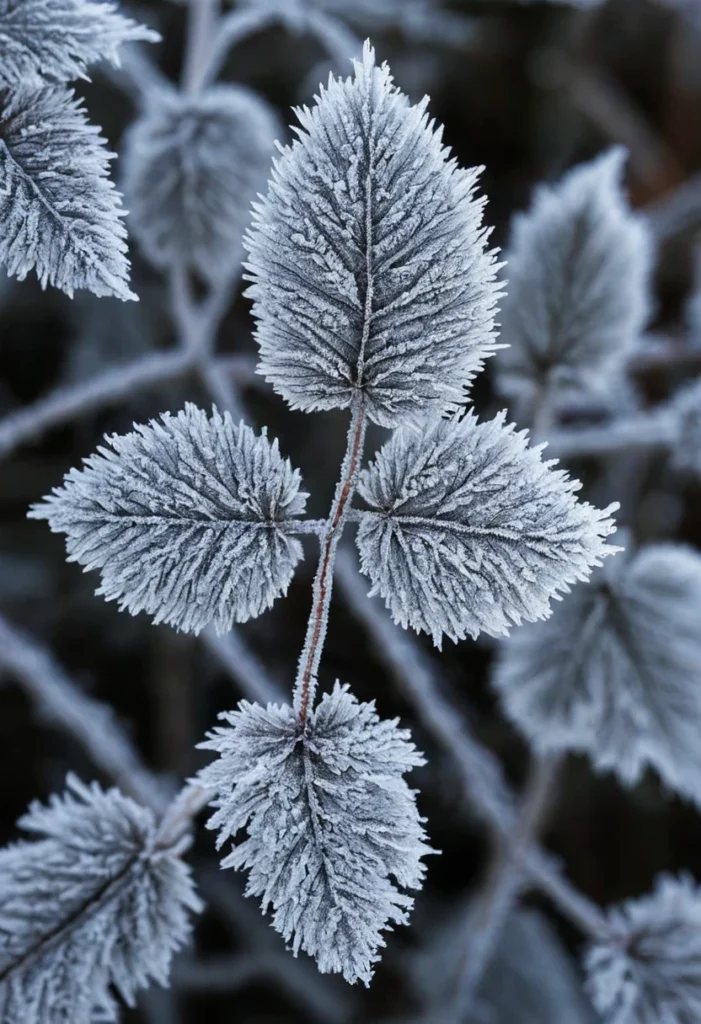
A light frost may cause limited damage to hardy plants, while a prolonged hard freeze can severely injure tender vegetation. The expected temperature and duration matter as much as the word “frost” in the forecast.
Cold-sensitive annuals, tropical plants, young seedlings, and some container plants generally need more attention than established hardy perennials and woody plants. Iowa State University Extension notes that many established woody plants and hardy perennials do not require routine protection from ordinary freezing temperatures.
Winter Wind Can Increase Plant Stress
Wind can increase moisture loss from evergreen foliage and exposed stems. Plants growing in open locations may therefore suffer more winter injury than identical plants protected by buildings, fences, or groups of other plants.
A windbreak does not have to be complicated. Existing structures, dense shrubs, temporary barriers, and thoughtful planting locations can all reduce exposure.
Prepare Your Garden Before Severe Cold Arrives
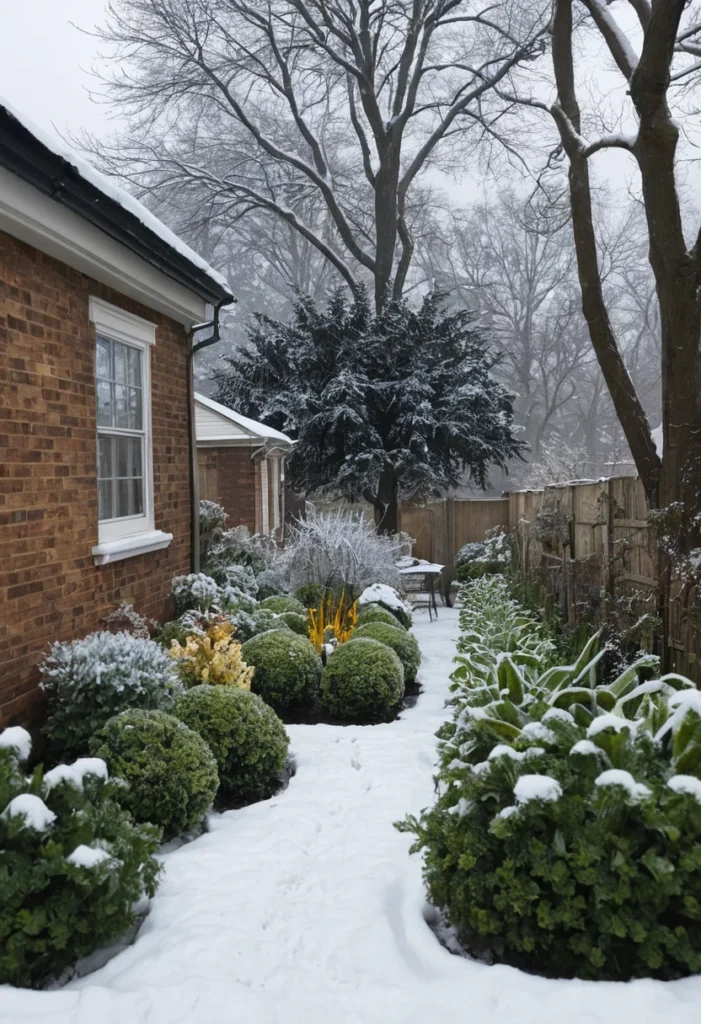
Successful winter preparation begins before the first major freeze. Walk through the garden and identify vulnerable plants, exposed containers, newly planted specimens, weak branches, and areas where soil remains excessively wet. Early preparation gives you time to gather frost cloth, mulch, stakes, ties, and other supplies.
One of the most useful 13+Seasonal Garden Guides principles is to protect plants according to their actual needs rather than covering everything automatically. Some hardy plants are better left undisturbed, while tender plants may need substantial protection. Iowa State University Extension recommends bringing tender potted plants indoors or using covers when frost threatens, while noting that established hardy plants often need little intervention.
Stop Encouraging Tender New Growth
Late-season nitrogen-heavy fertilization can stimulate soft new growth that is more vulnerable to winter damage. The RHS advises avoiding nitrogen-rich fertilizer applications late in the season.
Instead, allow plants to gradually prepare for dormancy according to their natural seasonal cycle. Avoid making major late-season changes simply because the garden looks less active.
Inspect Plants Before Winter
Check trees and shrubs for damaged, weak, or broken branches. Inspect containers for cracks and make sure plant supports are secure.
It is also a good time to identify plants that may need special protection because they are newly planted, unusually exposed, tender, or growing near a cold structure such as a wall or open pathway.
Choose the Right Plants for Cold Conditions
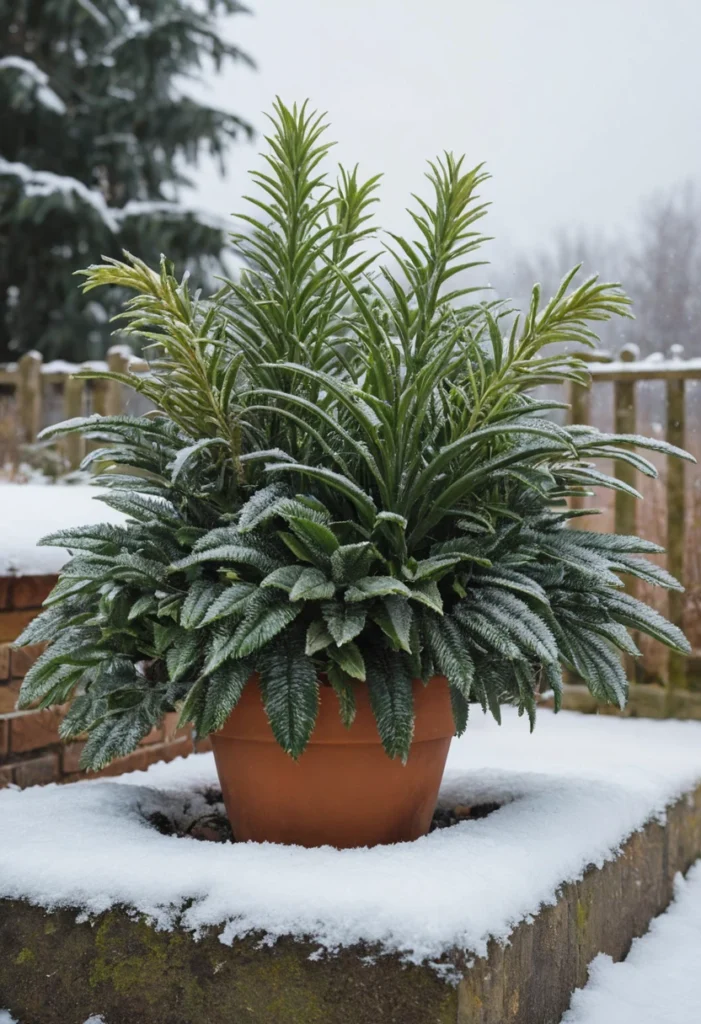
Plant selection is one of the strongest long-term 13+Seasonal Garden Guides strategies because prevention begins with choosing plants suited to the local climate. A plant that naturally tolerates your winter conditions will generally require less protection than a plant growing far outside its normal hardiness range.
Cold-hardy vegetables can also extend the productive season. The RHS recommends robust crops for winter growing and identifies vegetables such as winter salad leaves and other cool-season crops that can be grown with suitable protection.
Read Also: 13+Seasonal Garden Guides: Fall Garden Decorate Ideas Outdoor for a Cozy Autumn Garden
Select Cold-Hardy Perennials
Choose perennials known to tolerate the lowest temperatures expected in your region. Newly planted specimens may still need additional protection during their first winter because their root systems have not fully established.
Read local plant labels and regional extension recommendations instead of assuming that a plant described as “hardy” will survive every winter condition.
Grow Suitable Winter Vegetables
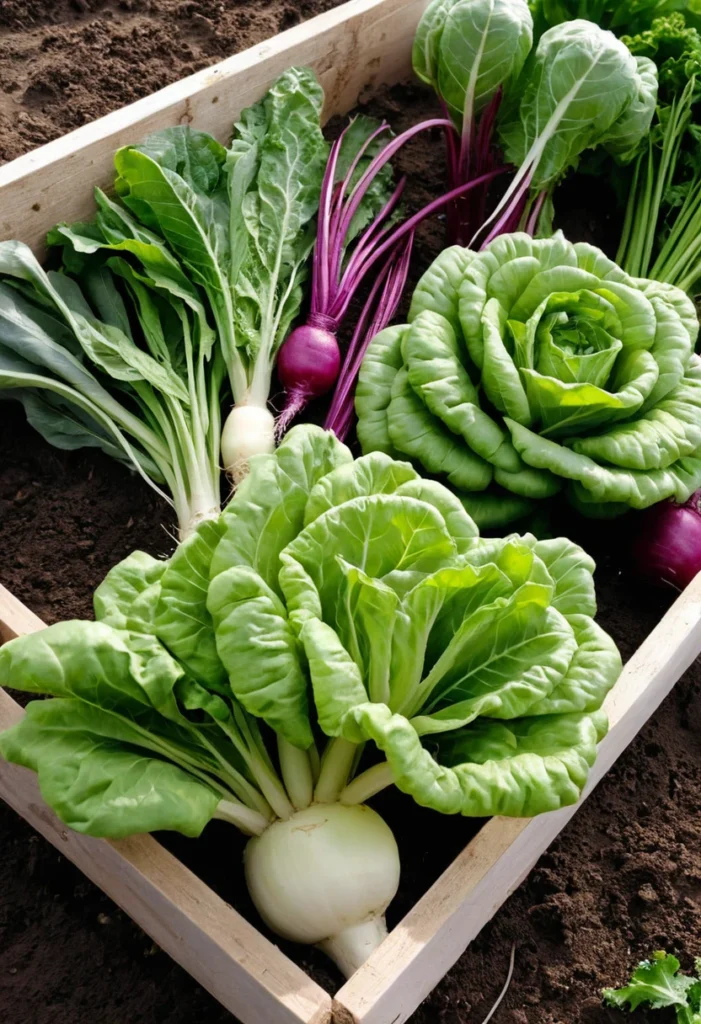
Depending on the climate, gardeners may be able to grow crops such as kale, spinach, carrots, turnips, cabbage, and other cool-season vegetables. UF/IFAS lists several cold-weather vegetables including broccoli, cabbage, carrots, collards, kale, spinach, and turnips.
Use row covers, cloches, cold frames, or tunnels when additional protection is appropriate. The goal is to moderate temperature and reduce exposure rather than create an unnecessarily warm environment.
Use Mulch to Protect Roots
Mulching is one of the simplest 13+Seasonal Garden Guides techniques for protecting the root zone. A suitable layer of organic mulch can moderate soil-temperature fluctuations, conserve moisture, and provide insulation around perennial roots.
Good mulch choices may include shredded leaves, straw, wood chips, or other appropriate organic materials. Illinois Extension notes that mulch can help maintain moisture, moderate soil-temperature changes, and reduce frost heaving.
Apply Mulch at the Right Time
Mulch should generally be applied before severe winter conditions arrive, but timing depends on the plant and climate. Avoid piling material directly against tree trunks or plant crowns.
A thick mound pressed against a stem can create moisture and disease problems. Keep the base of woody plants reasonably clear while protecting the surrounding root zone.
Use More Protection for Vulnerable Plants
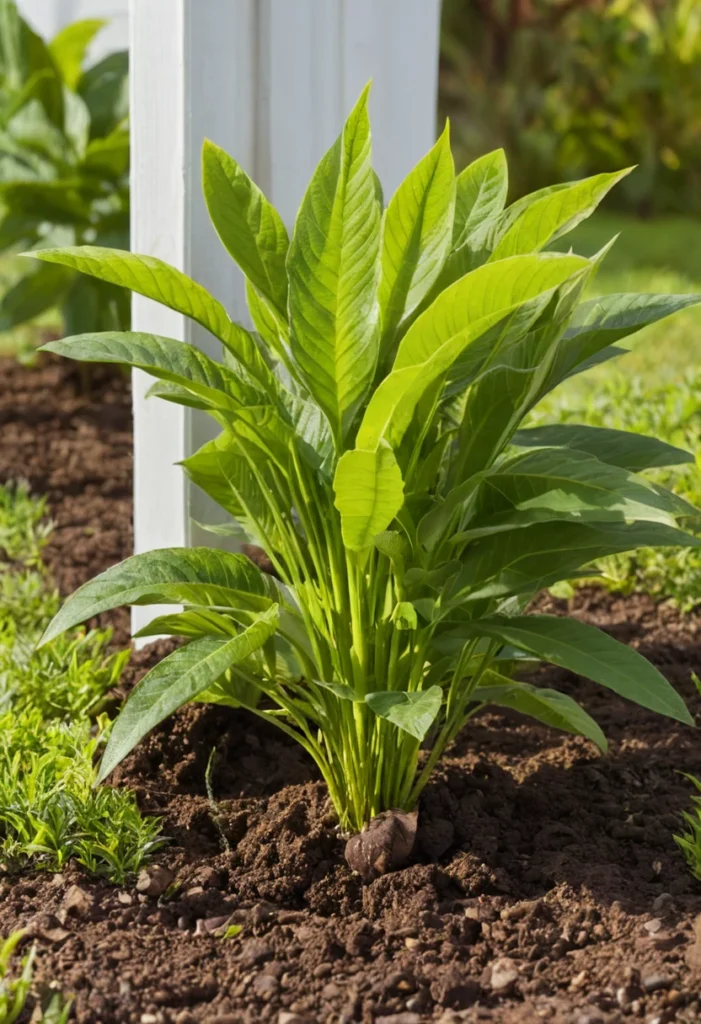
Newly planted perennials, shallow-rooted plants, and plants at the edge of their hardiness range may benefit from additional insulation.
Do not assume that a thicker layer is always better. Excessive wet organic material can create problems, so use an appropriate depth for your climate and plant type.
Protect Plants With Frost Cloth and Covers
Frost cloth, row covers, sheets, and similar materials can help protect vulnerable plants during cold events by trapping heat that radiates from the soil. UF/IFAS explains that frost cloth can provide useful protection and should be supported so it does not unnecessarily rest on foliage.
For 13+Seasonal Garden Guides winter planning, the key is to use covers correctly. A cover should generally reach the ground and be anchored so trapped warmth does not escape easily. Iowa State University Extension also recommends supporting covers over plants and removing them when temperatures rise above freezing.
Keep Covers Off Delicate Foliage
Use hoops, stakes, frames, or other supports when appropriate. Heavy or wet material resting directly on foliage can cause physical damage.
Avoid allowing coverings to become soaked and excessively heavy. Check them after snow, rain, or strong winds.
Remove Covers When Conditions Improve
Winter protection is not necessarily a permanent installation. When temperatures become milder, remove or ventilate covers according to the material and plant requirements.
Leaving plants sealed under unsuitable coverings for extended periods can create excessive humidity, reduce airflow, or cause overheating during sunny weather.
Protect Containers From Freezing Temperatures
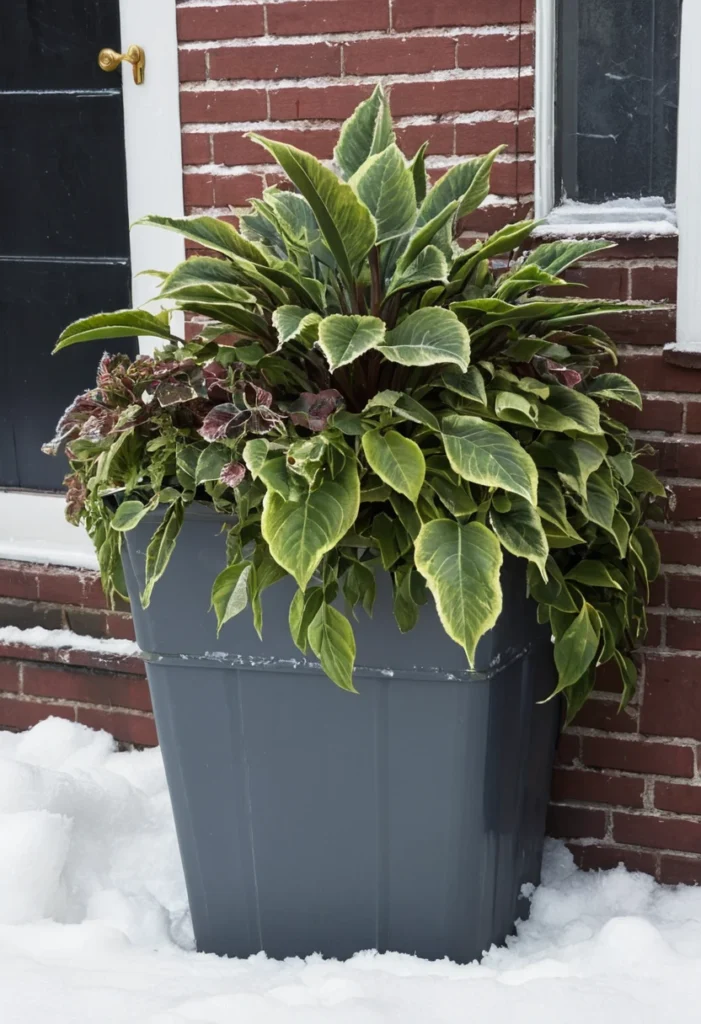
Container plants deserve special attention because their roots are surrounded by a relatively small volume of soil. Unlike plants growing in the ground, containers can experience rapid temperature changes and may be more exposed to cold air on all sides.
This is an important 13+Seasonal Garden Guides lesson: a plant that survives winter in the ground may struggle when placed in a small exposed pot. Iowa State University Extension specifically notes that containerized plants can require extra protection during overwintering.
Move Tender Containers
Bring tropical, subtropical, or otherwise tender potted plants into a suitable protected location before severe cold arrives.
A garage, sheltered structure, greenhouse, or other appropriate location may work depending on the plant’s temperature and light requirements.
Insulate Outdoor Pots
For hardy plants that remain outdoors, group containers together in a protected area and consider insulating the containers when appropriate.
Keep drainage holes clear. Winter protection should not turn a container into a permanently waterlogged environment.
Protect Evergreens From Winter Drying
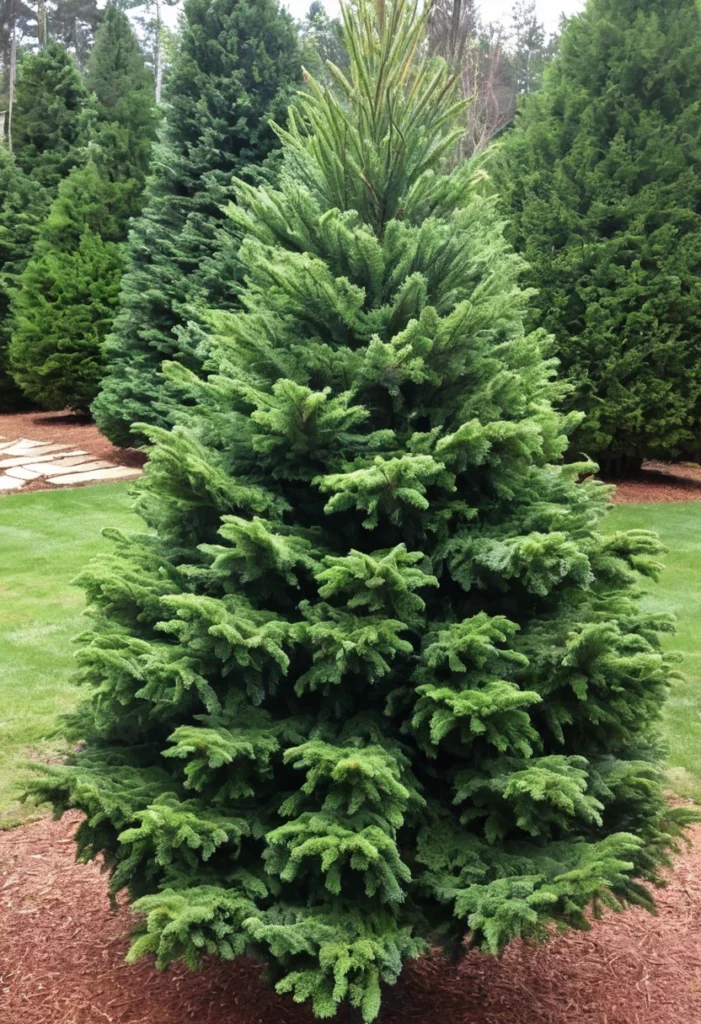
Evergreen trees and shrubs can remain vulnerable during winter because their foliage may continue losing moisture even when the ground is cold or partially frozen. Wind and bright winter sun can increase stress.
The RHS identifies evergreen plants as particularly vulnerable to winter damage and recommends giving exposed plants suitable protection.
Reduce Wind Exposure
Where possible, position vulnerable evergreens near buildings, fences, or other protective features. Temporary windbreaks can also help in particularly exposed locations.
Avoid tightly wrapping plants in materials that restrict airflow. Protection should reduce exposure without creating a damp, enclosed environment.
Maintain Appropriate Moisture
Do not allow plants to enter winter severely drought-stressed. If soil is dry before an extreme cold event, watering may help because moist soil retains heat better than dry soil. However, overwatering should be avoided because saturated winter soil can encourage root and crown problems.
Protect Young and Newly Planted Plants
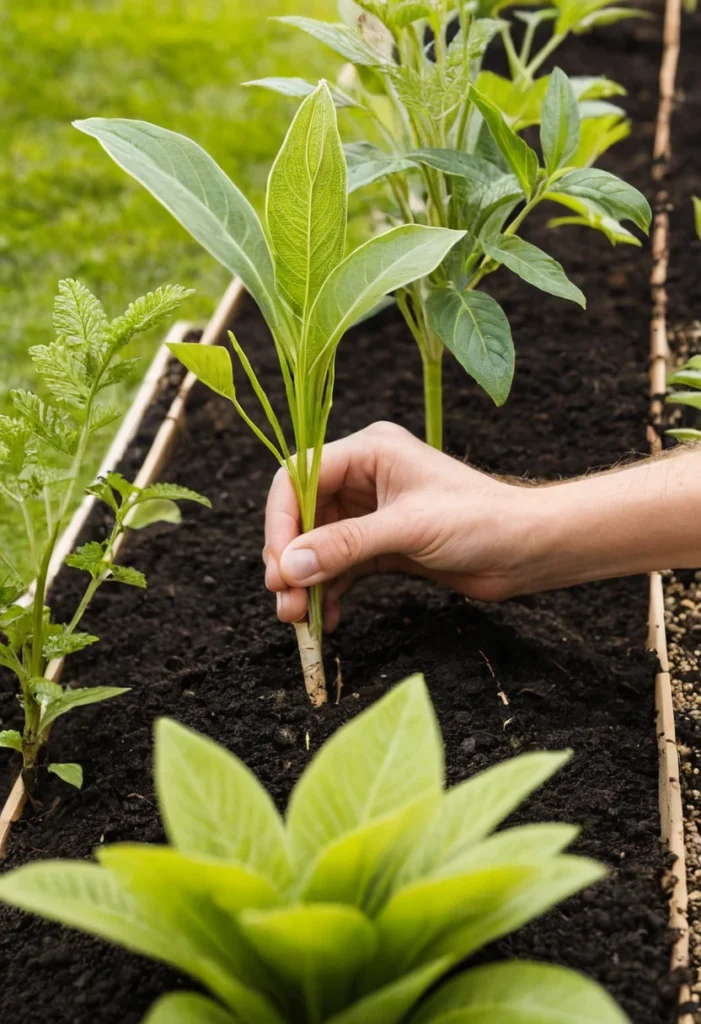
Newly planted trees, shrubs, and perennials may be more vulnerable during their first winter because their roots have not yet become fully established. They may also be planted in exposed areas where wind and temperature fluctuations create additional stress.
Among the most practical 13+Seasonal Garden Guides recommendations is to give extra attention to young plants rather than treating every established plant the same way. Iowa State University Extension specifically notes that newly planted and otherwise vulnerable plants can benefit from overwintering protection.
Add Root-Zone Protection
Apply suitable mulch around the root zone without covering the trunk or crown. This helps reduce rapid temperature changes in the soil.
Check the mulch periodically because wind, rain, and animals can move lightweight materials.
Provide Temporary Shelter
A temporary windbreak or protective cover can be useful for vulnerable young plants in exposed locations.
Make sure the structure is stable and does not rub against stems or branches during windy weather.
Manage Snow and Ice Carefully
Snow is not always harmful. A blanket of snow can provide insulation around low plants and soil, but heavy wet snow can place significant weight on branches and structures.
For 13+Seasonal Garden Guides winter care, focus on the difference between protective snow cover and damaging accumulation. Do not automatically remove every layer of snow from the garden.
Brush Heavy Snow Gently
If wet snow accumulates heavily on weak branches, gently remove some of the weight using a soft broom or similar method.
Work carefully and avoid shaking or striking frozen branches because brittle wood can break easily.
Do Not Remove Every Snow Layer
A moderate snow layer can insulate the soil and protect low-growing plants from extreme temperature fluctuations.
Allow natural snow cover to remain where it is not creating a structural or plant-damage risk.
Use Windbreaks in Exposed Gardens
Cold air is only one part of winter stress. Wind can dry foliage, break branches, and increase the impact of freezing conditions. Creating shelter can therefore make a major difference.
The RHS recommends improving shelter and notes that even hardy plants may need protection in cold, exposed areas. This makes wind protection an important part of 13+Seasonal Garden Guides planning for open gardens.
Use Existing Structures
Buildings, fences, hedges, walls, and dense plantings can reduce direct wind exposure.
When planning future beds, consider placing vulnerable plants in naturally sheltered locations rather than creating complicated protection every winter.
Install Temporary Windbreaks
For especially exposed plants, temporary screens made from appropriate garden materials can reduce direct wind.
Do not completely seal plants inside airtight structures. The goal is to reduce wind speed while allowing suitable ventilation.
Continue Watering When Necessary
Winter does not automatically mean plants need no water. Evergreen plants, container plants, and newly established specimens may still require moisture when the soil is dry and conditions allow.
One of the most important 13+Seasonal Garden Guides principles is to distinguish between dry soil and frozen soil. Do not water simply because the calendar says it is winter; check actual conditions first.
Water Before Severe Cold When Appropriate
If soil is noticeably dry before a major cold event, watering can help prevent drought stress. N.C. Cooperative Extension notes that moist soil holds heat longer than dry soil.
Avoid creating saturated soil. Winter roots still require oxygen, and prolonged wetness can contribute to root problems.
Check Containers More Often
Containers may dry differently from surrounding garden beds, especially when exposed to wind.
Inspect them during periods of above-freezing weather and water only when appropriate for the plant and soil condition.
Maintain a Winter Vegetable Garden
A cold climate does not necessarily mean the vegetable garden must become completely inactive. Some crops can remain productive through winter when selected and protected appropriately.
The RHS recommends planning ahead with robust crops and using fleece, cloches, or cold frames to protect certain winter vegetables.
Use Row Covers and Low Tunnels
Row covers can help moderate conditions around cool-season crops. Low tunnels can provide additional protection while allowing plants to remain outdoors.
Open or remove coverings as needed during milder weather to prevent excessive heat and humidity.
Harvest Carefully
Some winter vegetables can tolerate cold and may become easier to harvest gradually rather than all at once.
Harvest according to the crop’s maturity, local weather, and expected minimum temperatures.
Avoid Unnecessary Winter Pruning
Winter can seem like an ideal time to tidy the garden, but aggressive pruning is not appropriate for every plant. Removing healthy branches simply to make a garden look cleaner can sometimes expose plants to additional weather stress.
Good 13+Seasonal Garden Guides practice means knowing the plant before pruning. Some plants benefit from specific dormant-season pruning, while others should be left until the appropriate seasonal window.
Remove Clearly Damaged Material
Broken, hazardous, or diseased branches may require attention, especially when they pose a safety concern.
For major trees or branches near buildings and power lines, use a qualified professional rather than attempting dangerous work yourself.
Wait on Freeze-Damaged Growth
After a severe freeze, damaged foliage may look unattractive immediately, but it can be difficult to determine how much tissue has actually survived.
In many situations, waiting until new growth begins can make it easier to identify dead tissue and decide what should be removed. Illinois Extension also recommends pruning damaged tissue before new growth emerges in spring.
Give Wildlife a Place in Your Winter Garden
A winter garden does not need to be perfectly clean. Seed heads, stems, leaf litter, and some natural debris can provide habitat and food for wildlife while adding seasonal structure.
This is a valuable addition to 13+Seasonal Garden Guides because winter garden care can balance plant protection with ecological benefits. Before cutting everything down, consider which materials can safely remain until spring.
Leave Useful Seed Heads
Some plants produce attractive seed heads that can provide winter interest and potential food resources for birds.
Leave suitable stems standing unless they create a specific maintenance, disease, or safety issue.
Create Shelter With Plant Structure
Dense shrubs, grasses, leaf litter, and other natural structures can provide hiding places for small wildlife.
Maintain a reasonable balance between habitat and garden hygiene, particularly where diseased plant material is present.
Prepare for Sudden Cold Snaps
Weather forecasts can change quickly during winter. A garden that is usually safe may still experience an unusual cold event.
Keep essential protection supplies accessible rather than buried in storage. Frost cloth, stakes, ties, blankets, containers, and other materials are much more useful when they can be deployed quickly.
Watch Overnight Temperatures
Pay particular attention to forecast lows, duration of freezing temperatures, and wind conditions.
Iowa State University Extension recommends watching forecasts and taking protective action when temperatures approach levels that threaten frost-sensitive plants.
Create a Simple Emergency Kit
Keep a small collection of winter-protection supplies together:
- Frost cloth or row cover
- Garden stakes
- Soft ties
- Insulating materials
- Containers for covering small plants
- Mulching materials
- Outdoor-safe clips or anchors
- A weather-resistant thermometer
Being prepared reduces last-minute decisions when a sudden freeze arrives.
Know Which Plants Actually Need Protection
Overprotecting a garden can create as many problems as under-protecting it. Some hardy plants are adapted to cold and need normal winter conditions for dormancy.
The RHS and Iowa State University Extension both emphasize matching protection to plant type, exposure, and local conditions rather than protecting every plant indiscriminately.
A practical 13+Seasonal Garden Guides approach is to divide your garden into three groups: plants that normally need no protection, plants that need occasional protection during severe events, and tender plants that require regular overwintering measures.
Group Plants by Risk
Label vulnerable containers and newly planted specimens before winter. Grouping them mentally or physically makes cold-weather preparation much faster.
This also prevents you from spending unnecessary time covering established plants that can safely tolerate normal winter temperatures.
Learn Your Local Climate
Temperature averages and hardiness zones are useful starting points, but microclimates matter too. A sheltered south-facing wall may be significantly different from an exposed garden corner.
Keep notes each winter. Your own observations can become one of the most useful resources for future seasonal planning.
Recover Your Garden After Winter
Winter protection does not end when temperatures rise. Spring is the time to inspect plants carefully and determine what survived, what was damaged, and what needs attention.
Avoid rushing into heavy pruning or fertilization immediately after a freeze. Give plants time to show where living tissue remains.
Inspect Before Cutting
Look for new buds, green tissue, flexible stems, and emerging shoots. These signs can help you distinguish living sections from dead material.
Remove clearly dead or damaged material at the appropriate time, while avoiding unnecessary cuts to tissue that may recover.
Adjust Next Year’s Plan
Write down which plants needed protection and which survived without intervention. Note particularly damaging weather events and locations where wind or cold caused repeated problems.
Over time, these observations make your 13+Seasonal Garden Guides planning more accurate and personalized.
13 Practical Winter Garden Survival Tips
The following 13+Seasonal Garden Guides checklist provides a simple summary for cold-climate gardeners. Use it as a seasonal reminder rather than a one-size-fits-all prescription.
- Know your local winter temperatures and growing conditions.
- Identify tender and newly planted plants before severe cold arrives.
- Apply suitable mulch around vulnerable root zones.
- Protect exposed containers from extreme temperatures.
- Use frost cloth for plants that genuinely need it.
- Keep protective covers anchored securely.
- Support covers so they do not unnecessarily damage foliage.
- Protect vulnerable evergreens from drying winter winds.
- Water dry soil appropriately before severe cold when conditions allow.
- Avoid late nitrogen-heavy fertilization.
- Monitor snow and ice accumulation on weak branches.
- Keep winter vegetable crops protected with suitable covers.
- Record winter damage and use those observations to improve next year’s garden plan.
These steps are simple, but their value comes from applying them at the right time. Good winter gardening is largely about preparation, observation, and knowing when to intervene.
Frequently Asked Questions
How do I protect plants from extreme cold?
Use suitable mulch, frost cloth, row covers, wind protection, or indoor storage for tender containers, depending on the plant and expected temperatures.
Should I water my garden before a freeze?
If the soil is dry, watering before severe cold can help because moist soil retains heat better, but avoid overwatering or creating saturated winter soil.
Is mulch good for winter plant protection?
Yes. Appropriate mulch can insulate roots, moderate soil-temperature fluctuations, retain moisture, and reduce frost heaving.
Should frost cloth touch my plants?
It is generally better to support frost cloth above foliage when possible, particularly when snow or heavy coverings are expected.
Can vegetables grow in a cold winter?
Yes. Certain cold-hardy vegetables can survive or continue growing in winter, especially when planted at the right time and protected with fleece, cloches, cold frames, or tunnels where appropriate.
Conclusion
Cold-climate gardening becomes much easier when winter protection is planned around the needs of individual plants. Mulching, appropriate watering, wind protection, frost cloth, container insulation, and suitable winter crops can all reduce unnecessary damage, while choosing hardy plants from the beginning can reduce the amount of protection required.
Use these 13+Seasonal Garden Guides principles as a repeatable winter routine: inspect your garden early, prepare before severe weather, protect vulnerable plants, avoid unnecessary intervention, and evaluate the results when spring returns. Each winter gives you useful information that can make your garden more resilient and your seasonal planning more effective the following year.

