
Winter does not have to mean an empty vegetable patch. A well-planned winter vegetable garden uses cool-weather crops, suitable planting dates, healthy soil, and simple protection methods to keep fresh produce growing when summer vegetables have finished. Depending on your climate, crops such as spinach, kale, carrots, radishes, turnips, cabbage, broccoli, peas, lettuce, onions, and garlic can provide harvests through the colder months or establish for an earlier spring crop.
Picture walking into your garden on a chilly morning and still finding fresh spinach ready to pick, crisp radishes beneath the soil, or sturdy kale leaves waiting for dinner. That is the appeal of winter gardening. The trick isn’t forcing summer plants to survive the cold; it is choosing vegetables that naturally prefer cooler conditions and giving them the right growing environment.
In this guide, you’ll find practical 11+ Seasonal Garden Guides ideas for planning a productive cold-season garden. We’ll cover the best vegetables to grow, garden layouts, soil preparation, planting schedules, raised beds and containers, frost protection, watering, harvesting, succession planting, and common mistakes so you can create a winter garden that fits your space and climate.
Why Grow a Winter Vegetable Garden?
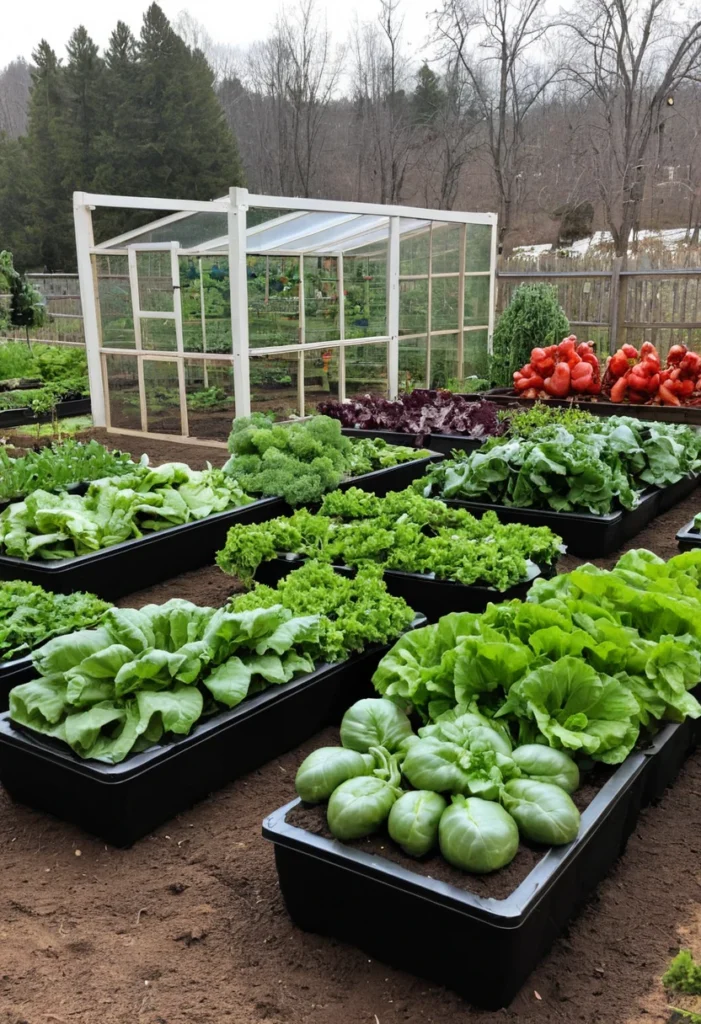
A winter vegetable garden extends the productive part of the gardening year instead of allowing beds to sit unused. Cool-season crops can continue growing during colder weather, although their growth usually slows as temperatures and daylight decrease. The RHS recommends hardy crops such as broccoli, Brussels sprouts, cabbage, kale, leeks, and parsnips for winter growing, while leafy crops can continue with some protection.
Winter gardening also gives you an opportunity to spread your harvest across a longer period. Instead of harvesting everything in autumn, you can grow crops at different stages and pick leaves or roots as needed. The result is a garden that provides fresh ingredients when many warm-season plants are no longer productive.
Benefits include:
- Fresh vegetables during the colder months
- More efficient use of garden space
- Fewer gaps between growing seasons
- Early crops ready for spring
- Opportunities for succession planting
- Less dependence on store-bought produce
- Better use of raised beds and containers
For many gardeners, 11+ Seasonal Garden Guides planning also makes the transition from summer to spring much easier because winter beds can already contain crops that will be harvested before the next major planting season.
Choose Vegetables That Actually Like Cool Weather
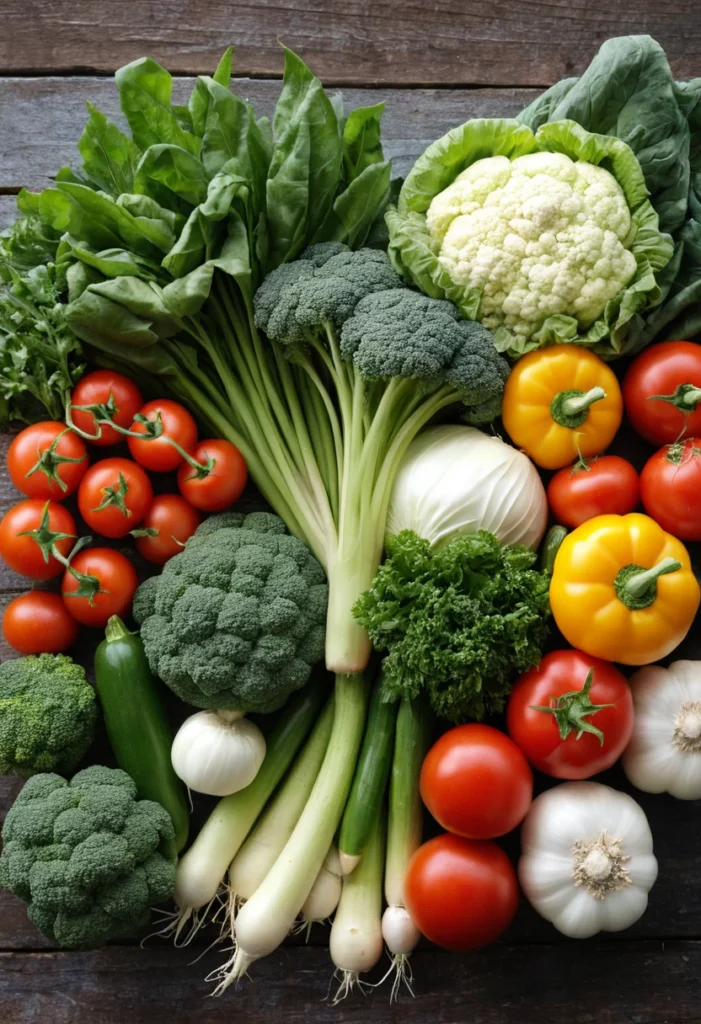
The foundation of a successful winter garden is crop selection. Not every vegetable can tolerate frost, short daylight, or cold soil. Cool-season crops are adapted to lower temperatures and are therefore much more reliable than warm-season vegetables once winter arrives.
Leafy greens are particularly useful because many can be harvested gradually. Root vegetables are another excellent option because several can remain underground for an extended harvest period when soil conditions allow. Brassicas, onions, garlic, and certain legumes can also fit into different winter gardening systems.
Spinach
Spinach is one of the most useful crops for a cold-season garden. It can provide tender baby leaves relatively quickly and continue producing as conditions permit.
For 11+ Seasonal Garden Guides, grow spinach in a sunny bed with fertile, well-drained soil. Small successive sowings can help you avoid having all your plants mature simultaneously.
Kale
Kale is valued for its toughness and long harvesting period. Instead of pulling the entire plant, harvest outer leaves as needed and allow the central growth point to continue producing.
This makes kale particularly practical for gardeners who want a steady supply rather than one large harvest.
Radishes
Radishes are a good choice when you want relatively quick results. Their short growing period makes them useful for filling spaces between slower crops.
Plant small batches at intervals rather than sowing an entire packet at once. This simple strategy can provide a more consistent supply.
Create a Winter Garden Layout That Makes Harvesting Easy
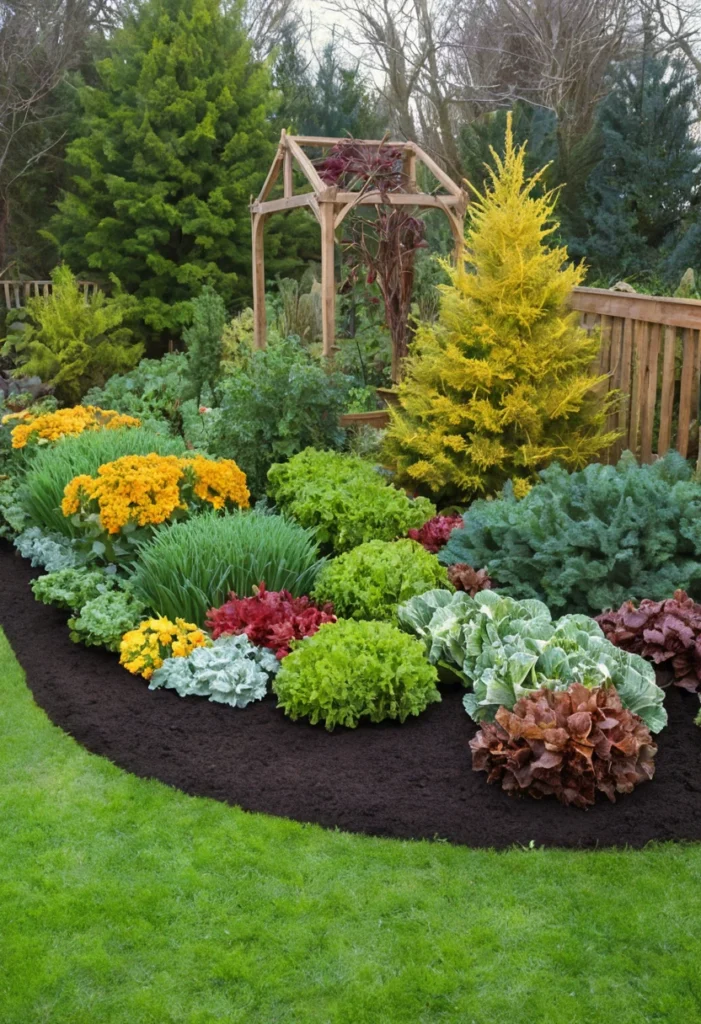
A good winter layout should make it easy to reach plants, protect vulnerable crops, and harvest without disturbing neighboring vegetables. Straight rows aren’t required, but pathways and plant spacing should be considered before planting.
For 11+ Seasonal Garden Guides, divide your garden into zones based on crop height, harvesting frequency, and protection needs. Place frequently harvested greens near paths, while longer-term crops can occupy areas that require less regular attention.
Raised beds are especially useful when you want organized planting blocks. Containers can supplement the main garden when ground space is limited.
Keep Tall Crops Away From Short Greens
Tall vegetables can cast shadows over smaller plants, which matters during winter because daylight hours are already shorter. Position taller crops where they won’t unnecessarily shade low-growing greens.
A simple observation of where winter sunlight falls can help you choose the best orientation for your beds.
Leave Comfortable Walking Space
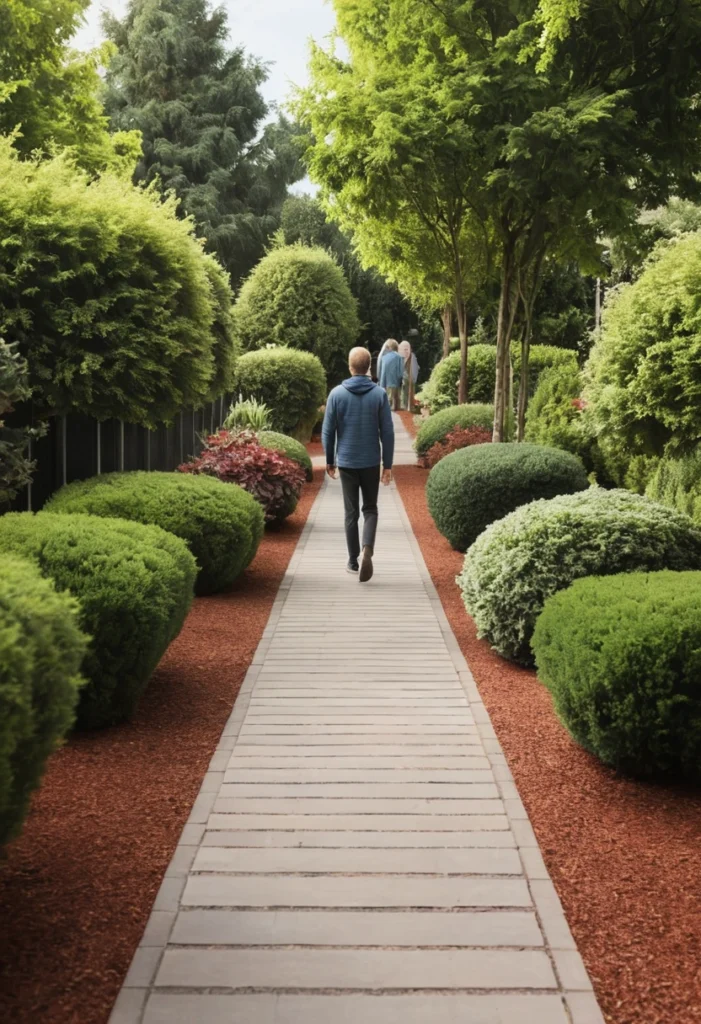
Avoid filling every inch of soil with plants. A narrow but usable pathway makes harvesting, weeding, watering, and frost protection much easier.
You should be able to reach the center of each bed without stepping on the soil. This protects the root zone and keeps the growing area easier to maintain.
Read Also: 11+ Garden Ideas for an Easy and Productive No-Dig Garden Bed
Prepare the Soil Before Winter Planting
Healthy soil gives winter crops a better chance of establishing before temperatures become consistently cold. The RHS recommends an open site with free-draining soil that has been cultivated and enriched with organic material before winter crops are planted.
For 11+ Seasonal Garden Guides, begin soil preparation after summer crops are removed. Clear old plant material, remove persistent weeds, loosen compacted soil where appropriate, and incorporate mature organic matter according to your soil’s needs.
Avoid creating waterlogged beds. Winter rain combined with poor drainage can damage roots and encourage disease even when the plants themselves are cold-tolerant.
Add Mature Compost
Well-finished compost can improve soil structure and contribute organic matter. Spread it over the bed and incorporate it according to your gardening method and existing soil condition.
Don’t assume that more fertilizer is always better. Excessive nutrients can create lush growth without solving problems related to drainage, sunlight, spacing, or temperature.
Check Drainage
Digging or planting into constantly saturated soil is risky. If water remains on the surface after ordinary rain, identify the drainage problem before establishing winter crops.
Raised beds can be helpful where natural drainage is poor, provided they are filled with an appropriate growing medium.
Plant Winter Greens for Continuous Harvests
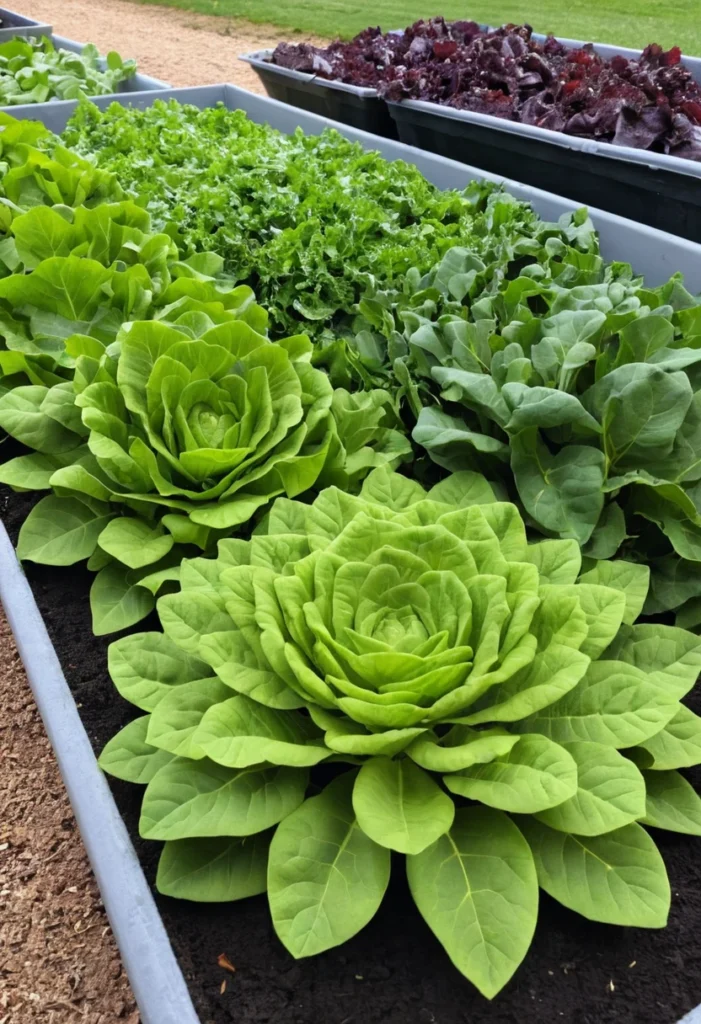
Leafy vegetables are among the most rewarding crops for cold-season gardens because many can be harvested leaf by leaf. Spinach, kale, mustard greens, lettuce, arugula, Swiss chard, and other cool-season greens can be used in different climates and planting systems.
For 11+ Seasonal Garden Guides, consider growing several types rather than depending on one green. Different textures and flavors make the garden more useful in the kitchen, while different maturity periods help spread the harvest.
Try a Cut-and-Come-Again Bed
Instead of harvesting an entire row, pick outer leaves from suitable crops and allow the plant to continue growing. This works especially well with leafy greens.
Sow several small patches at different times to create a succession of plants rather than one large planting.
Grow Salad Greens in Containers
Lettuce, arugula, mustard greens, and similar crops can be grown in containers where space is limited. Containers also make it easier to move plants into sheltered positions during extreme weather.
Use containers with drainage holes and avoid allowing the growing medium to remain saturated.
Add Root Vegetables for Reliable Winter Harvests
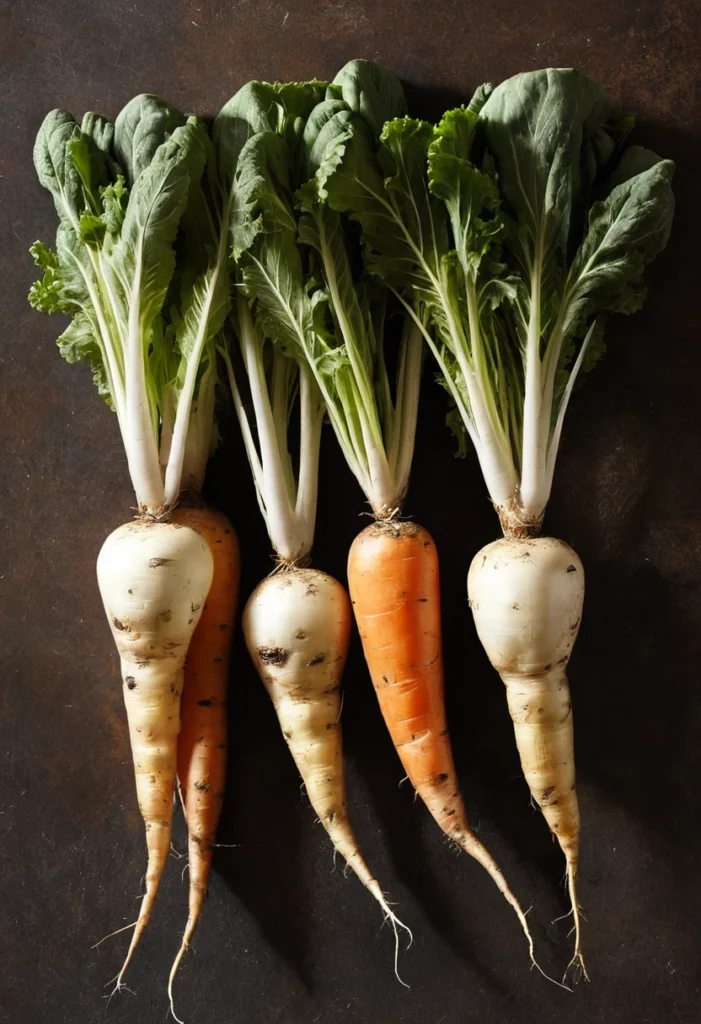
Root crops can be an excellent part of a winter garden because many develop below ground and can be harvested gradually. Carrots, radishes, turnips, beets, and other suitable roots can fit into cool-season planting plans.
For 11+ Seasonal Garden Guides, prepare loose soil before sowing roots. Stones, compacted layers, and heavy clumps can interfere with root development and lead to misshapen vegetables.
Choose varieties appropriate for your climate and planting period. Seed packets often provide more useful timing information for specific cultivars than a general calendar can.
Grow Carrots in Deep Beds
Carrots need loose soil so roots can expand downward. Raised beds and deep containers can work well when the growing medium is free of large stones and compacted layers.
Keep moisture reasonably consistent during germination. Young carrot seedlings can struggle when the surface repeatedly dries out.
Plant Turnips for Two Harvests
Turnips provide both edible roots and greens, making them an efficient crop for a small garden. Harvest smaller roots for tenderness or allow them to develop longer according to the variety.
Thin seedlings where necessary so remaining plants have enough room to form usable roots.
Include Brassicas in Your Winter Plan
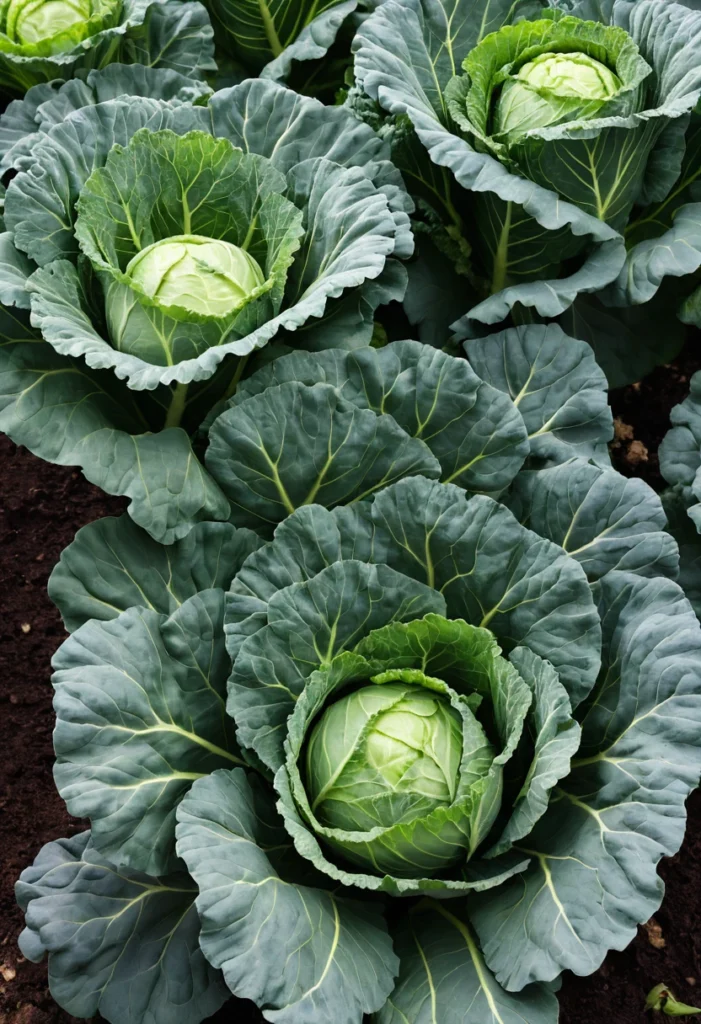
Cabbage, broccoli, cauliflower, kale, collards, and related crops can form the structural backbone of many cool-season gardens. Hardy brassicas are widely recommended for winter growing, although exact planting dates and frost tolerance vary by crop and cultivar.
For 11+ Seasonal Garden Guides, remember that brassicas can occupy beds for a long time. Give them enough space at planting rather than squeezing them together because they look small as young plants.
Crop rotation is also useful because repeated planting of the same plant family in one location can contribute to soil-related disease problems.
Grow Cabbage for a Long Harvest
Cabbage varieties differ in maturity and cold tolerance. Choose types suited to your local season and allow enough space for heads to develop.
Protect young plants from common pests such as caterpillars and slugs, especially while plants are establishing.
Add Broccoli for Side Shoots
Broccoli can be valuable because harvesting the main head may be followed by smaller side shoots, depending on the variety.
Regular inspection helps you harvest heads at the right stage before flowers begin opening.
Don’t Forget Peas, Onions, and Garlic
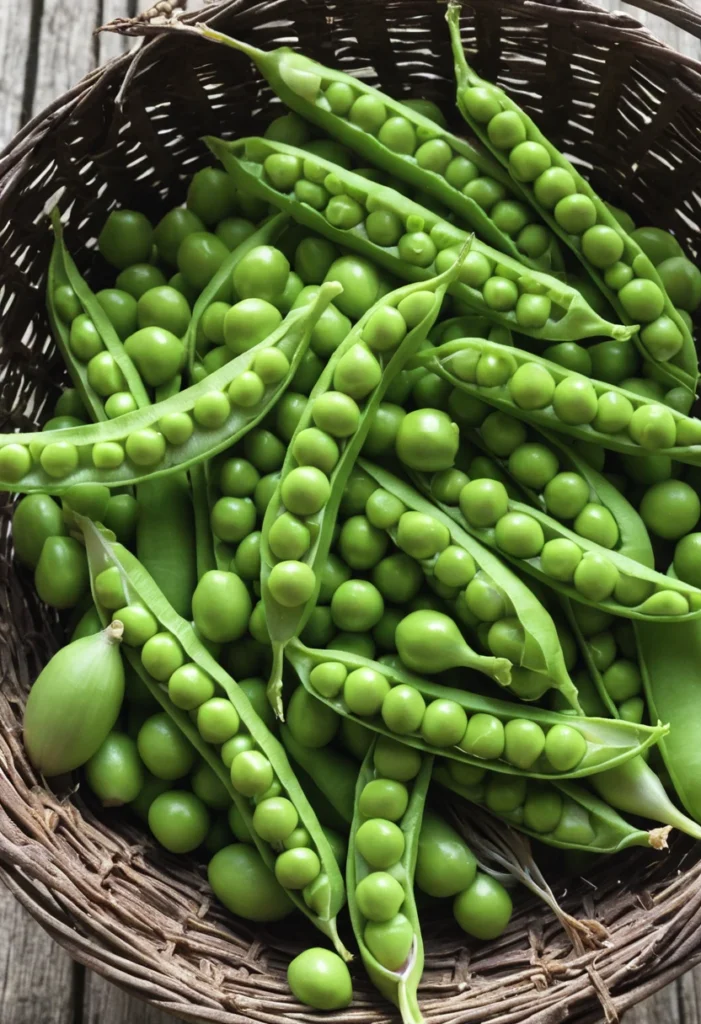
Winter gardens aren’t limited to leafy greens and roots. Peas can be useful in suitable climates, while onions and garlic can be planted during the cool season for later harvests. The exact timing depends heavily on regional conditions.
For 11+ Seasonal Garden Guides, provide climbing peas with a trellis or other support before vines become large. Garlic and onion beds generally need good drainage because wet conditions can cause problems.
Give Peas Vertical Support
A trellis keeps pea vines off the ground and improves access to flowers and pods. It also makes better use of limited garden space.
Install support early. Trying to add a trellis after vines have tangled together is much harder.
Plant Garlic in a Dedicated Row
Garlic can occupy a section of the garden for an extended period, so place it where it won’t interfere with shorter crops.
Keep the bed relatively weed-free because garlic does not compete especially well with aggressive weeds.
Use Raised Beds for Better Winter Management
Raised beds can make winter gardening easier by improving access and giving you greater control over soil conditions. They are particularly useful where ground soil is compacted or poorly drained.
For 11+ Seasonal Garden Guides, use raised beds to separate crops according to their needs. One bed can hold leafy greens, another roots, and another longer-term brassicas.
The benefit isn’t simply appearance. Well-planned raised beds can make crop rotation, succession sowing, protective covers, and harvesting more manageable.
Try a Small Winter Vegetable Container Garden
You don’t need a large yard to grow cool-season produce. Containers can support spinach, lettuce, radishes, herbs, and other compact vegetables when they receive adequate light and have sufficient drainage.
For 11+ Seasonal Garden Guides, choose containers large enough for the mature crop and use a quality growing medium rather than ordinary garden soil alone in small pots.
Containers may dry out or cool down differently from in-ground soil, so monitor moisture and weather conditions more frequently.
Use Deep Containers for Root Crops
Carrots and other roots need adequate depth. Choose a container based on the expected root length of the variety rather than simply selecting the largest pot available.
Short-root varieties can be especially convenient for container gardening.
Group Pots Near Shelter
Move containers closer to a sheltered wall or protected area when severe weather is expected, provided the location still offers suitable light.
Avoid placing heavy containers somewhere they could block walkways or become unstable during strong winds.
Protect Winter Crops From Frost
Cold-hardy vegetables can tolerate much more cold than tender summer crops, but tolerance is not unlimited. Young seedlings and leafy plants may need additional protection during severe weather.
For 11+ Seasonal Garden Guides, use row covers, cloches, cold frames, or similar protective structures when appropriate. The RHS notes that fleece, cloches, and cold frames can protect leafy winter crops, while heavier fleece can provide limited frost protection.
Don’t seal plants under covers without considering ventilation and weather conditions. On sunny days, protected spaces can warm considerably even when outside temperatures remain low.
Use Row Covers
Lightweight row covers can provide a protective layer over crops while allowing light and air through. Secure the edges so wind cannot lift the material.
Check plants periodically rather than assuming a cover eliminates all maintenance.
Build a Simple Cold Frame
A cold frame can provide a sheltered growing environment for smaller crops and young plants. It is especially useful when your climate experiences repeated cold nights.
Keep an eye on temperature and ventilation. Protection should reduce weather stress without creating excessive heat or humidity.
Water Winter Vegetables Carefully
Winter watering is different from summer watering. Cooler temperatures and reduced sunlight generally mean soil dries more slowly, but plants still require moisture when conditions are dry.
For 11+ Seasonal Garden Guides, check the soil rather than following a rigid watering schedule. Water deeply when needed and avoid repeatedly soaking already-wet soil.
Morning watering can be useful because foliage has more time to dry during the day, reducing prolonged leaf wetness.
Plan Your Winter Planting Calendar
Timing is one of the most important parts of winter gardening. Many crops that are harvested during winter are actually planted before the coldest period arrives so they can establish while conditions are still favorable. The RHS recommends sowing several hardy winter vegetables in late spring or summer for winter harvesting, while other salad crops are sown in late summer and autumn.
For 11+ Seasonal Garden Guides, use your local first-frost date, average temperatures, and crop-specific seed information instead of copying a calendar from a completely different climate.
In Pakistan, for example, winter planting varies considerably by region. Current local guidance places many common winter vegetables in an autumn sowing window, with cooler northern areas generally starting earlier than warmer coastal regions.
Plan Before the Cold Arrives
Don’t wait until the coldest part of winter to decide what to grow. Prepare beds and sow or transplant at the appropriate time so plants have enough opportunity to establish.
The exact schedule should be adjusted for your local climate and the particular variety.
Use Successive Plantings
Rather than sowing all your lettuce, radishes, or spinach on one day, divide the planting into smaller batches.
This technique can provide a steadier harvest and prevent a sudden surplus followed by a long gap.
Protect Soil With Mulch
Mulch can help moderate soil conditions and reduce weed pressure. Organic materials such as clean straw, shredded leaves, or suitable compost can be used according to local gardening practices.
For 11+ Seasonal Garden Guides, apply mulch around established plants without burying their crowns or stems. Excessively wet mulch directly against plants can create unwanted conditions.
Mulching can also make harvesting root crops easier in climates where the ground becomes difficult to work during cold weather.
Design a Winter Garden for Easy Harvesting
A productive garden should be convenient, not merely attractive. Put frequently harvested crops near paths and position crops requiring less attention farther away.
For 11+ Seasonal Garden Guides, create a simple map showing where each vegetable is planted. Note the sowing date, variety, expected maturity, and harvest period.
This small habit becomes extremely useful when you begin rotating crops and planning the following season.
Avoid Common Winter Gardening Mistakes
Winter gardening often fails because of timing rather than lack of effort. Planting warm-season vegetables too late, choosing unsuitable varieties, ignoring drainage, and waiting until freezing weather to provide protection can all reduce results.
For 11+ Seasonal Garden Guides, focus on preparation rather than trying to rescue plants after severe weather arrives.
Avoid these common mistakes:
- Planting summer vegetables after cold weather begins
- Ignoring your local climate
- Overwatering during wet periods
- Crowding plants
- Choosing varieties without checking cold tolerance
- Forgetting drainage
- Waiting too long to protect tender seedlings
- Placing winter crops in deep shade
- Neglecting pests because it is cold
- Harvesting everything at once when crops can be picked gradually
Create a Simple Beginner Winter Garden
If you’re new to seasonal gardening, don’t start with a huge selection. A compact garden containing a few reliable crops can teach you more than an overcrowded bed.
For 11+ Seasonal Garden Guides, a beginner combination might include spinach, radishes, carrots, lettuce, peas, and one brassica such as kale or cabbage.
Give each crop enough room, label the planting dates, and observe how your garden responds to cold, rain, sunlight, and pests. Your own records will become valuable when planning next year’s winter garden.
Make Your Winter Garden Productive All Season
The best winter gardens are planned as living systems rather than one-time plantings. Some vegetables mature quickly, others take months, and some can remain productive through much of the cold season.
For 11+ Seasonal Garden Guides, combine quick crops such as radishes and salad greens with longer-term vegetables such as kale, cabbage, garlic, or onions. This creates multiple harvest windows from the same garden.
As one crop finishes, use the empty space for another suitable crop whenever the season and climate allow. This approach turns a limited garden into a much more productive growing area.
FAQs About Winter Vegetable Gardens
What vegetables can be grown in winter?
Cold-tolerant options include kale, spinach, carrots, radishes, turnips, cabbage, broccoli, leeks, onions, garlic, lettuce, peas, and other crops suited to the local climate.
What is the best vegetable to grow in winter?
There isn’t one universal best crop, but spinach, kale, radishes, carrots, and other cool-season vegetables are popular choices because they can tolerate cooler conditions.
How do I protect my winter vegetables from frost?
Use appropriate row covers, cloches, cold frames, or fleece, while choosing naturally cold-tolerant varieties and protecting young plants during severe weather.
Do winter vegetables need full sun?
Most winter vegetables perform best with strong direct light because shorter winter days already limit available sunlight; choose the sunniest practical location for your garden.
When should I plant a winter vegetable garden?
Timing varies by climate and crop. Many winter crops are started in late summer or autumn so they can establish before the coldest weather, while some hardy vegetables are started earlier for winter harvests.
Conclusion
A productive winter garden starts with working with the season instead of fighting it. Choose vegetables adapted to cool temperatures, prepare fertile but well-drained soil, give plants enough sunlight, and plan planting dates around your local climate. From leafy greens and root crops to brassicas, peas, onions, and garlic, there are plenty of ways to keep a garden producing beyond summer. With thoughtful 11+ Seasonal Garden Guides planning, even a modest growing space can provide fresh vegetables throughout the colder months.
Start small, record what you plant, and adjust your approach each season. Add simple protection when temperatures drop, sow quick crops in succession, and harvest gradually rather than all at once. The more closely you observe your garden, the easier it becomes to build a reliable winter growing routine that fits your climate, available space, and kitchen needs.

