
An oval flower bed is a versatile garden feature that combines soft curves with an organized planting area. Unlike a rigid square or rectangular bed, an oval shape creates a gentle flow through the landscape and can work beautifully in a lawn, front yard, backyard, beside a pathway, or around a central feature. With the right plants, proportions, edging, and height arrangement, an oval bed can become a natural focal point rather than simply another patch of flowers.
Imagine looking across your lawn and seeing a graceful oval filled with layers of colorful flowers instead of a plain expanse of grass. The smooth outline immediately draws the eye, while carefully repeated plants create a sense of balance. An oval bed can also be surprisingly practical because its curved perimeter gives you many opportunities to arrange plants at different heights and create views from several directions.
These 12+Flower Garden & Planting ideas will help you turn an ordinary oval space into an attractive, functional flower garden. You’ll find ideas for symmetrical beds, cottage-style layouts, seasonal displays, pollinator gardens, raised oval beds, monochromatic designs, and small-space arrangements, along with practical guidance for choosing plants, creating layers, preparing soil, and maintaining the finished bed.
Why Choose an Oval Flower Bed Layout?
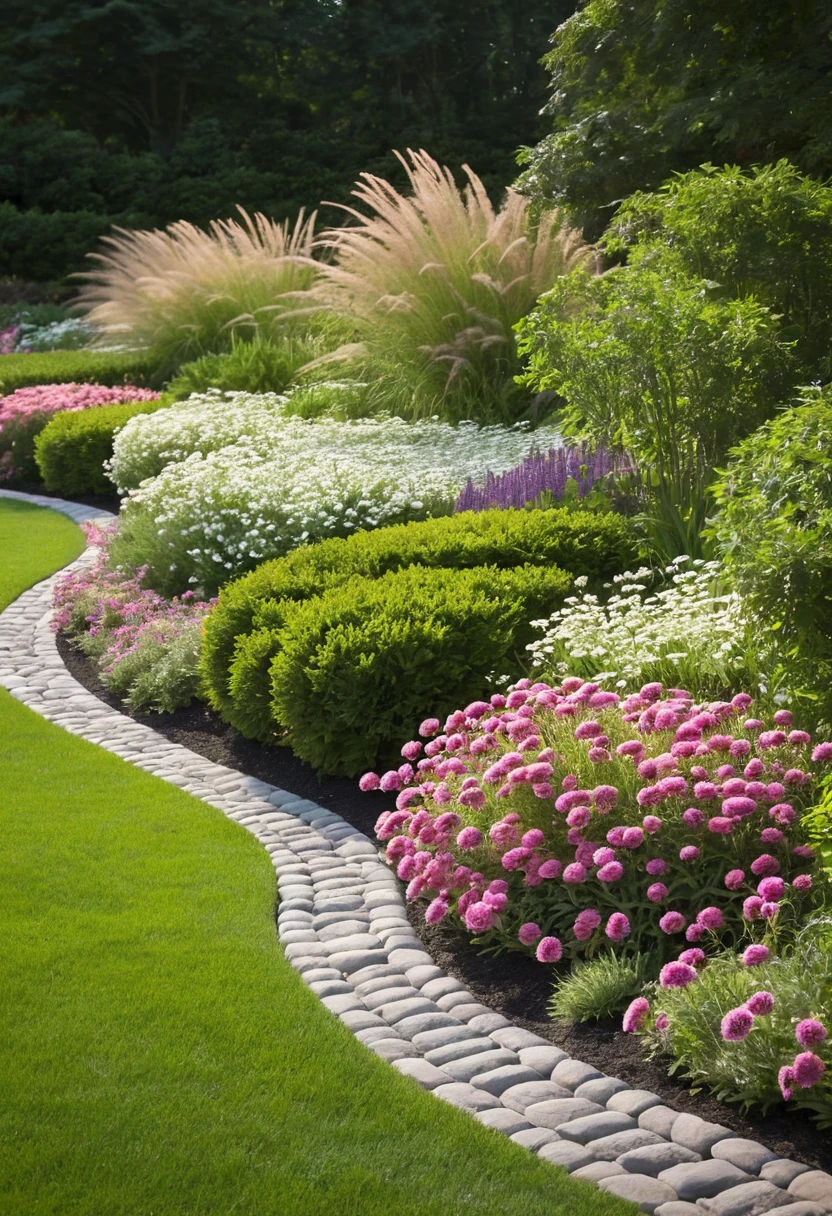
An oval layout works particularly well when you want a garden feature that feels softer than straight-edged landscaping. The curved outline can complement lawns, pathways, patios, driveways, and architectural features while creating a defined planting area. Garden design resources commonly describe oval and kidney-shaped island beds as effective central lawn features, while dedicated oval-bed examples emphasize their balance and versatility.
The shape also gives you considerable freedom when arranging plants. Because an oval bed can be viewed from multiple directions, taller flowers can be positioned toward the middle and shorter plants toward the perimeter. This creates a gradual transition from the center to the edge and helps the entire planting remain visible.
A Natural Focal Point
An oval bed placed in an open lawn can immediately become the garden’s visual anchor. Choose a strong central plant, repeated flower group, small trellis, or ornamental feature to reinforce the focal point.
A Softer Alternative to Straight Lines
If your yard contains many rectangular features, an oval bed can introduce visual movement. Its curves soften hard edges around patios, walkways, walls, or driveways without making the garden appear overly complicated.
1. Create a Classic Symmetrical Oval Bed
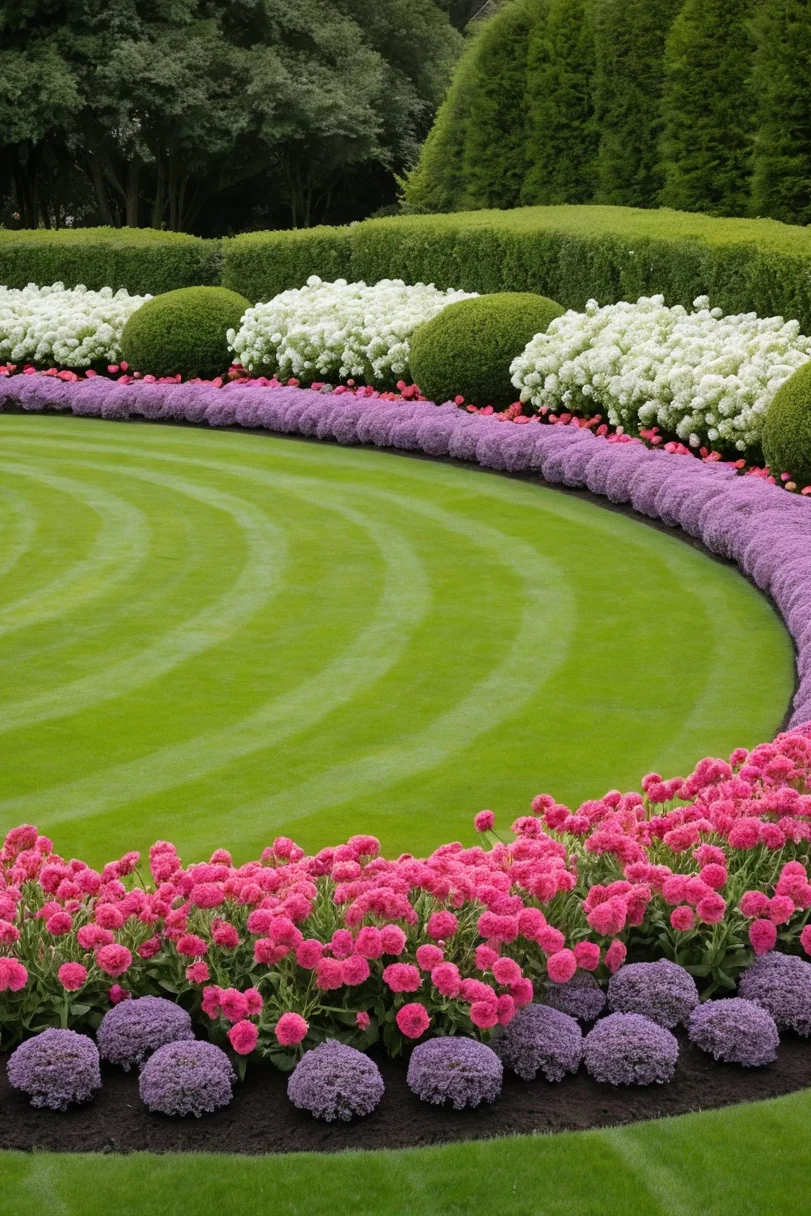
A symmetrical design is one of the easiest 12+Flower Garden & Planting approaches for creating a polished appearance. Begin with a clearly defined oval and use repeated plant groups on opposite sides. Roses, salvias, lavender, marigolds, petunias, or other suitable flowering plants can be arranged in balanced sections rather than scattered randomly. A classic oval rose design is also a traditional approach for formal gardens.
Symmetry doesn’t mean every plant has to be identical. You can repeat the same colors and general plant forms while changing the exact varieties. The result feels organized without looking artificial. This layout works particularly well in front yards where the bed can be viewed from a driveway, sidewalk, or entrance.
- Use one dominant flower for visual consistency.
- Repeat the same plant groups on both sides.
- Keep the outer edge low and neat.
- Place taller plants toward the center.
- Use edging to clearly define the oval.
2. Design a Layered Oval Flower Border
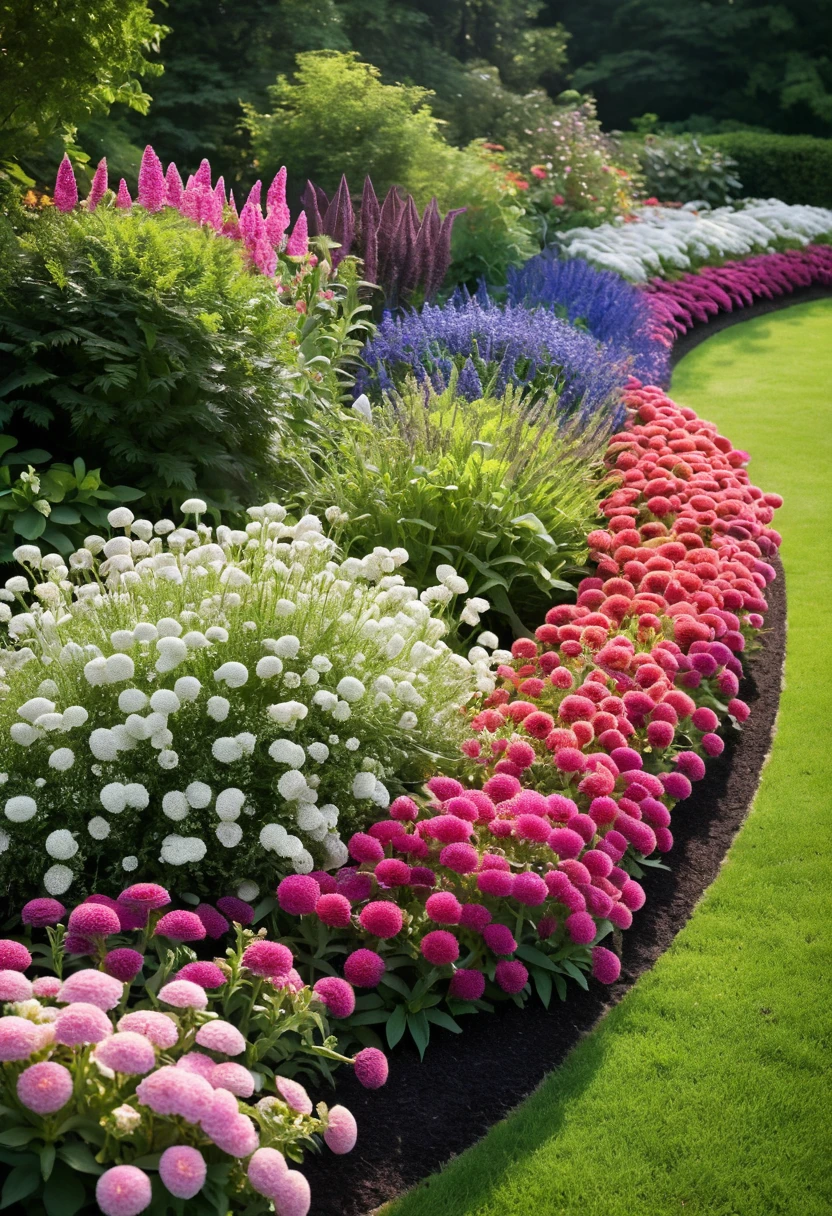
Layering is essential when an oval bed is visible from several directions. Instead of putting tall flowers only at one end, position the tallest plants through the central zone and gradually reduce plant height toward the outside edge. This approach follows the general principle used for island beds, where the tallest plants are placed toward the center and shorter plants graduate toward the perimeter.
A layered 12+Flower Garden & Planting arrangement might combine tall alliums, ornamental grasses, or suitable flowering perennials in the middle, medium-height coneflowers or salvias around them, and low-growing edging plants around the outside. The gradual height change gives the bed depth while keeping flowers visible from multiple viewpoints.
Center Layer
Use the center for plants that provide height, structure, or a strong flower shape. Avoid overcrowding this area because plants need enough room to reach their mature size.
Middle Layer
Medium-height flowers form the visual connection between the tall center and low outer edge. Repeating three, five, or seven plants of a variety can create stronger visual masses than using isolated specimens.
Outer Edge
Choose compact plants for the perimeter so they frame the oval without hiding flowers behind them. Low edging plants can also make mowing and maintenance easier.
3. Try a Color-Coordinated Oval Garden
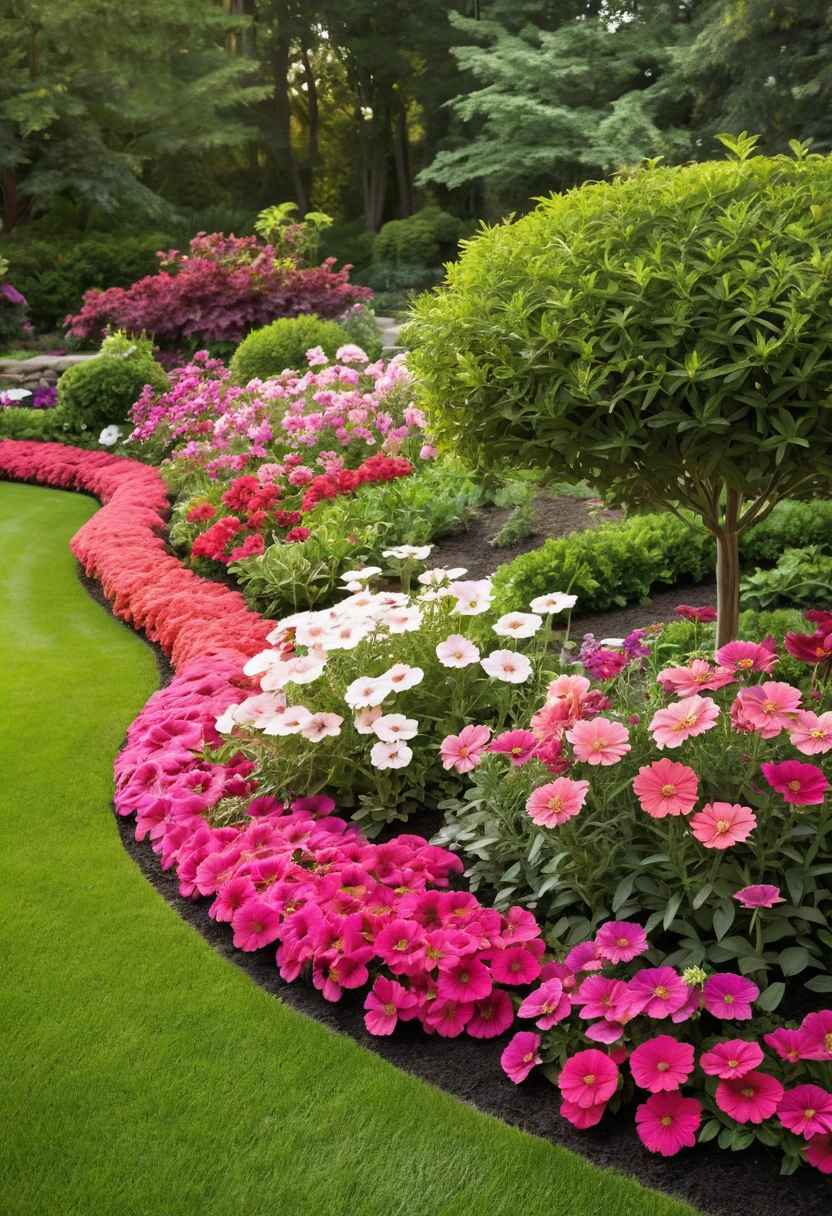
A carefully selected color palette can make an oval bed look more intentional. Instead of planting every flower color available, choose two or three primary shades and repeat them around the oval. This technique works especially well when the bed is visible from a distance.
For a calm 12+Flower Garden & Planting scheme, combine white, lavender, and soft pink. For a brighter design, consider yellow, orange, and red. Purple and yellow provide strong contrast, while white flowers can connect almost any color combination.
Soft and Romantic
Use pink roses, white flowers, lavender, and silver-green foliage for a gentle appearance. This palette works beautifully around seating areas and traditional homes.
Bright and Cheerful
Combine yellow, orange, coral, and red flowers for a lively summer display. Marigolds, zinnias, and other warm-colored annuals can provide plenty of seasonal color.
4. Build a Cottage-Style Oval Flower Bed
Read also: 12+ Garden Ideas for a Beautiful Xeriscape and Drought-Tolerant Landscape
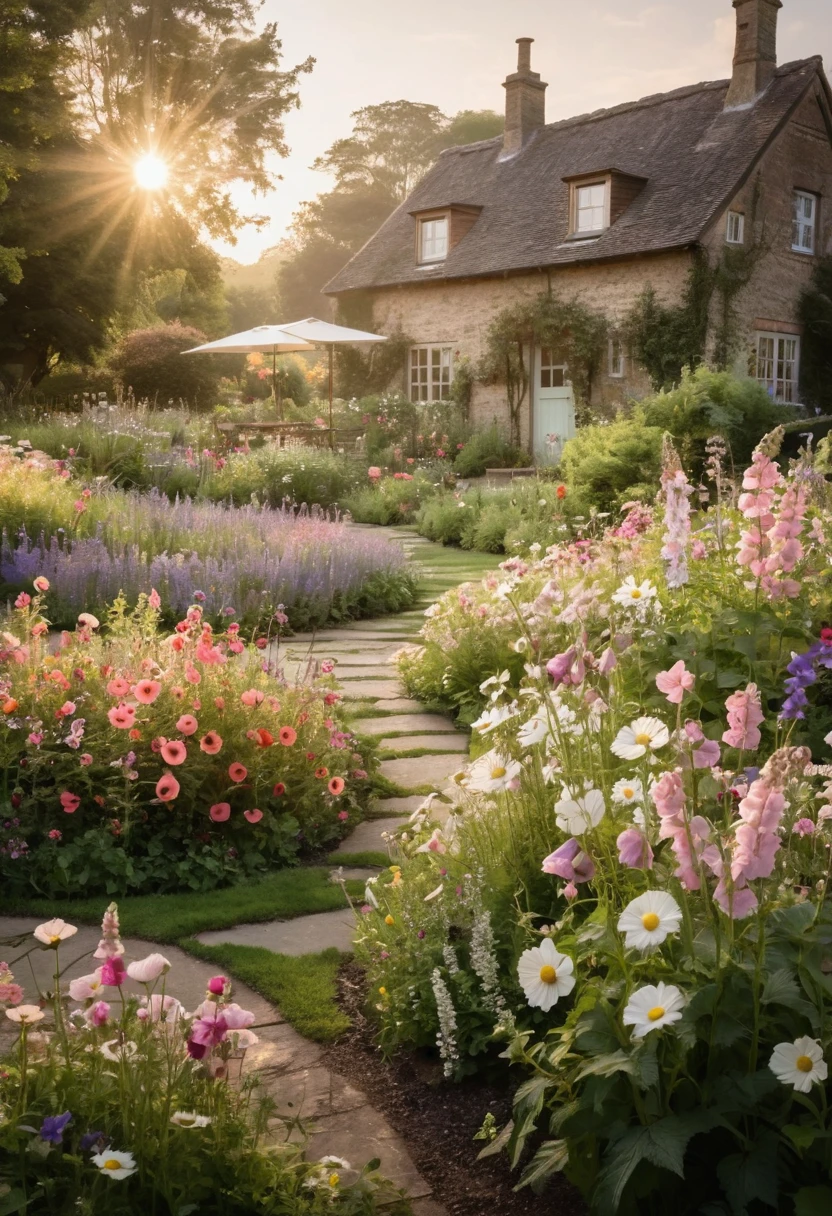
A cottage garden doesn’t need to follow strict symmetry. Instead, use an oval outline as the framework and fill it with generous groups of flowers that overlap visually. Roses, daisies, lavender, salvias, coneflowers, and seasonal annuals can create a relaxed appearance.
The key is repetition. A completely random collection of flowers can look messy, but repeated colors and plant shapes help hold the design together. Current flower-bed design guidance also emphasizes grouping plants into masses rather than scattering individual specimens throughout a bed.
Mix Flowers and Foliage
Include attractive foliage between flowering plants so the bed still has structure when individual flowers fade. Silver, dark green, blue-green, and fine-textured foliage can add contrast.
Let Some Flowers Spill Toward the Edge
Low-growing plants can soften the oval perimeter. Allowing selected flowers to slightly overlap the edge can make the bed feel established and natural.
5. Make a Raised Oval Flower Bed
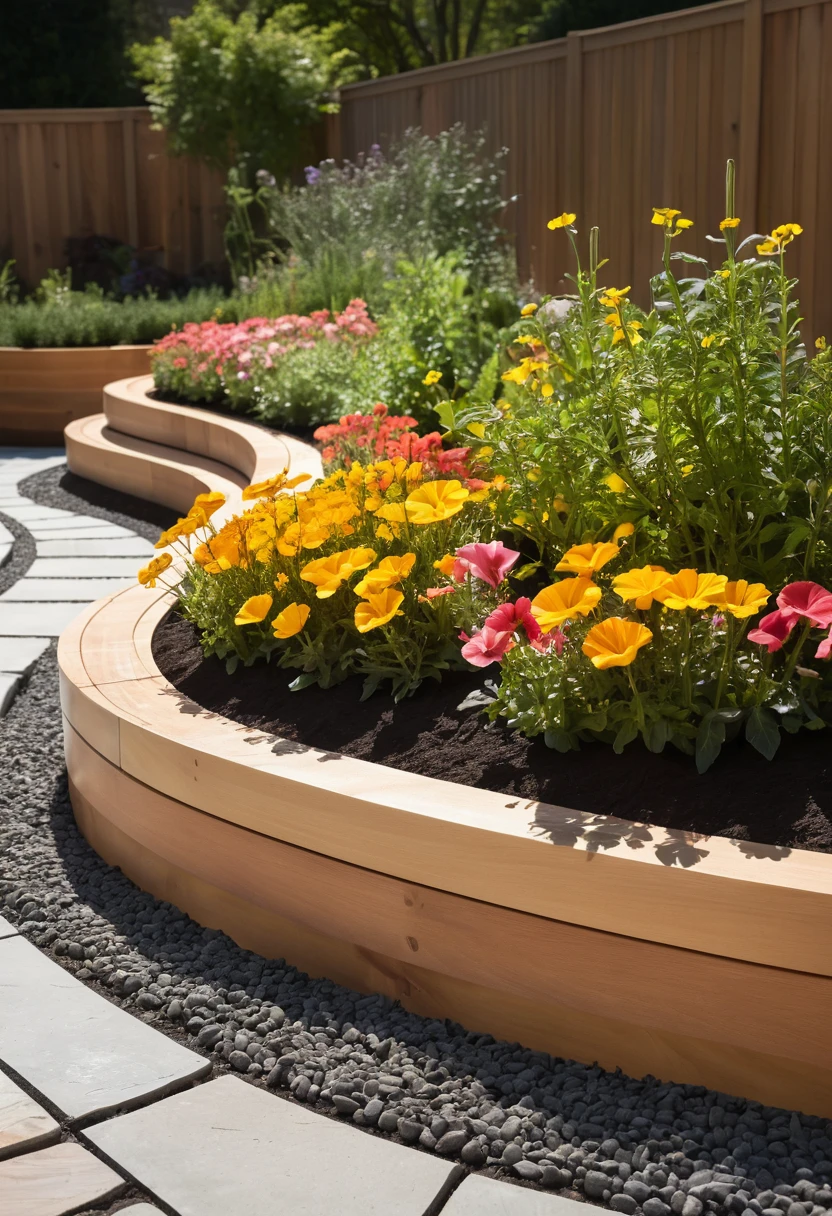
A raised oval bed can turn the shape itself into a major garden feature. Build a low retaining edge from suitable stone, brick, timber, or another landscape material, then fill the interior with appropriate growing soil. Raised beds can be especially useful where existing soil is difficult to work with or drainage needs improvement.
A raised 12+Flower Garden & Planting bed also makes flowers more prominent because the planting is elevated above the surrounding lawn. A stone-edged oval can provide a rustic appearance, while clean masonry can support a more contemporary landscape.
Rustic Stone
Natural-looking stone can create an informal connection between flowers and the surrounding landscape. Use similarly toned materials elsewhere in the garden for continuity.
Clean Contemporary Edge
A simple, smooth retaining edge creates a modern appearance. Keep the plant palette relatively restrained so the structure remains visible.
6. Create a Seasonal Oval Flower Display
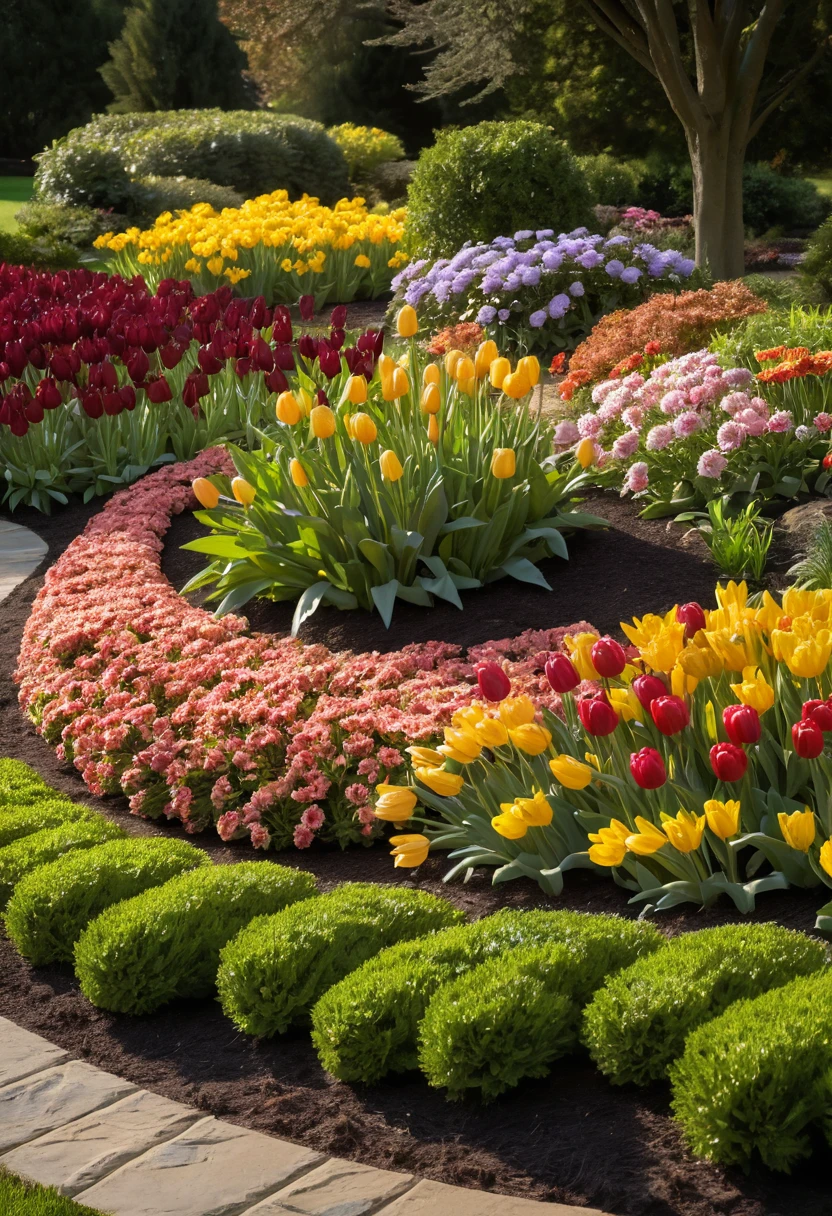
An oval bed can look attractive throughout several seasons if you plan flowering periods rather than choosing plants solely for their appearance at the garden center. One recent oval-bed design guide suggests combining spring tulips and daffodils with summer flowers and later-season plants to maintain visual interest.
For 12+Flower Garden & Planting, think of the bed as a changing composition. Spring bulbs can provide the first wave, summer annuals and perennials can take over, and late-season flowers can carry the display toward autumn. This reduces the chance of having a beautiful garden for only a few weeks.
- Spring: tulips, daffodils, and other suitable bulbs
- Early summer: salvia, roses, and daisies
- Mid-summer: zinnias, coneflowers, and other warm-season flowers
- Late summer: dahlias and late-blooming perennials
- Autumn: asters and other seasonally appropriate flowers
7. Design an Oval Pollinator Garden
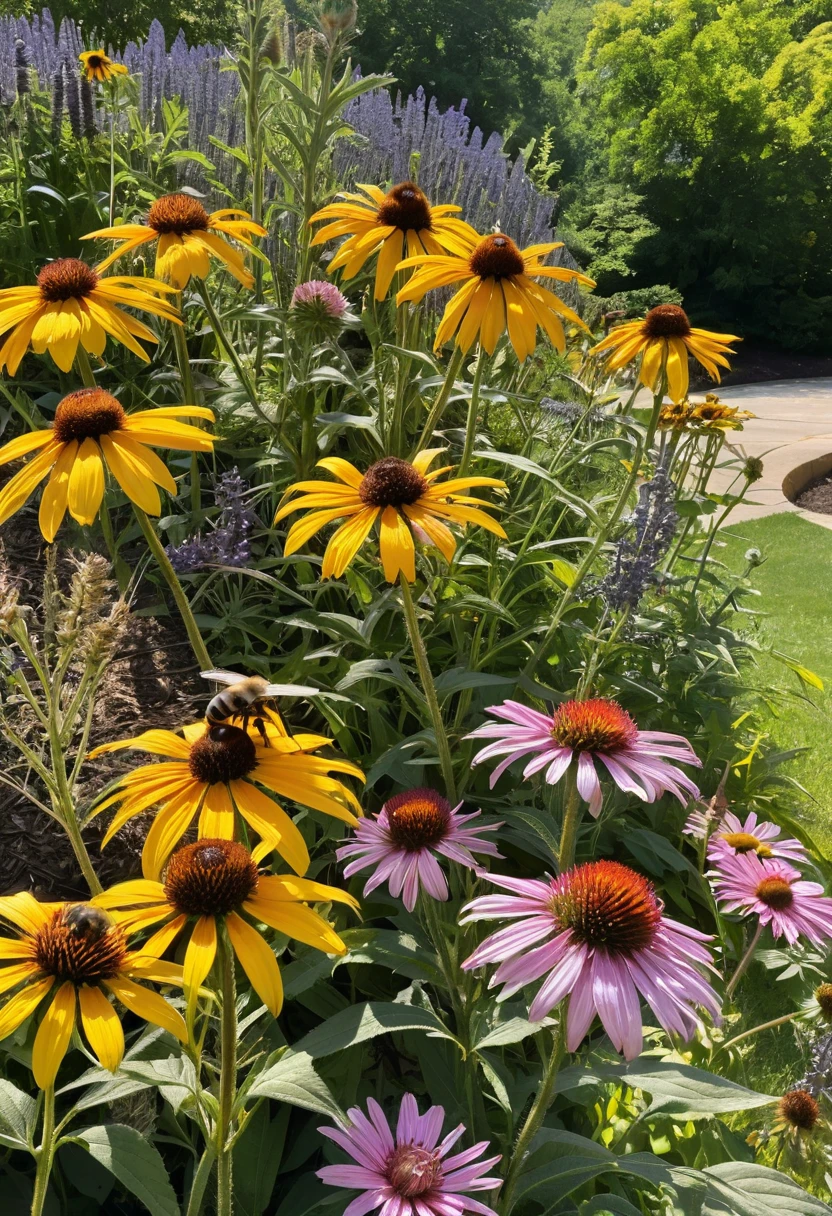
An oval bed can become more than a decorative feature when planted with flowers that provide resources for pollinators. A Fort Bend County Master Gardeners plan demonstrates how an oval-shaped butterfly-friendly bed can combine nectar plants, host plants, and grouped plantings around a central vertical feature.
Use a mixture of flowering forms rather than relying on one species. Suitable plants depend on your climate, soil, and local ecosystem, so choose regionally appropriate flowers whenever possible. A pollinator-focused 12+Flower Garden & Planting layout can still be colorful and highly ornamental.
Include Repeated Flower Groups
Grouping several plants of the same type can create stronger visual drifts while also making the bed easier to understand from a distance. The Fort Bend plan similarly uses grouped plantings within its oval design.
Add a Vertical Feature
A trellis, obelisk, or similar structure can give the center of the oval additional height. Choose a feature that fits the scale of the bed rather than overwhelming the flowers.
8. Add a Central Garden Feature
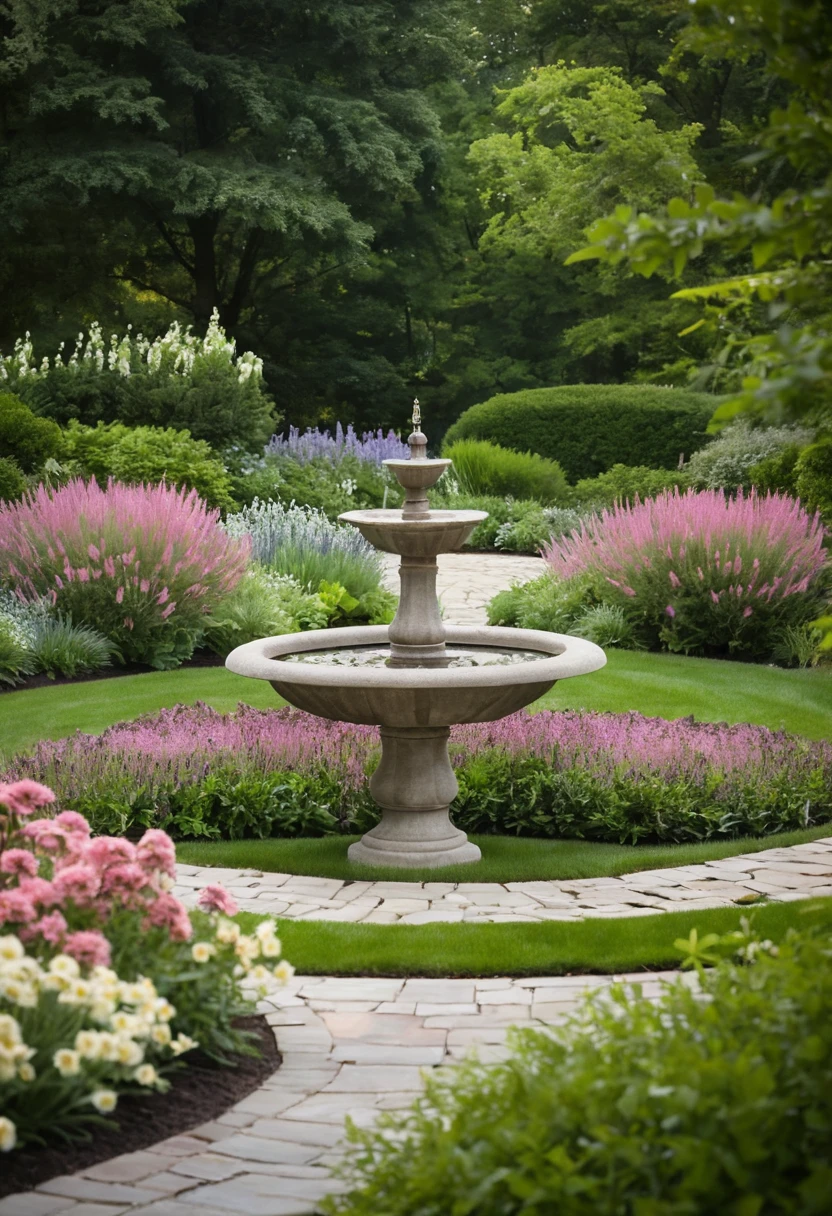
A central feature can make an oval bed especially memorable. Depending on your garden style, this might be a decorative urn, birdbath, small sculpture, trellis, obelisk, or carefully selected ornamental plant.
For a balanced 12+Flower Garden & Planting layout, the central feature should support the planting rather than compete with it. The Fort Bend County oval garden plan uses a central obelisk or pyramid trellis as an anchor that can be appreciated from all sides.
Use a Trellis
A trellis provides vertical interest and can support suitable climbing plants. It works particularly well when the surrounding flowers remain shorter.
Use a Birdbath
A birdbath can create a clear focal point while leaving enough surrounding space for flowers. Keep access to the feature practical so cleaning and maintenance remain easy.
9. Try a Monochromatic Oval Bed
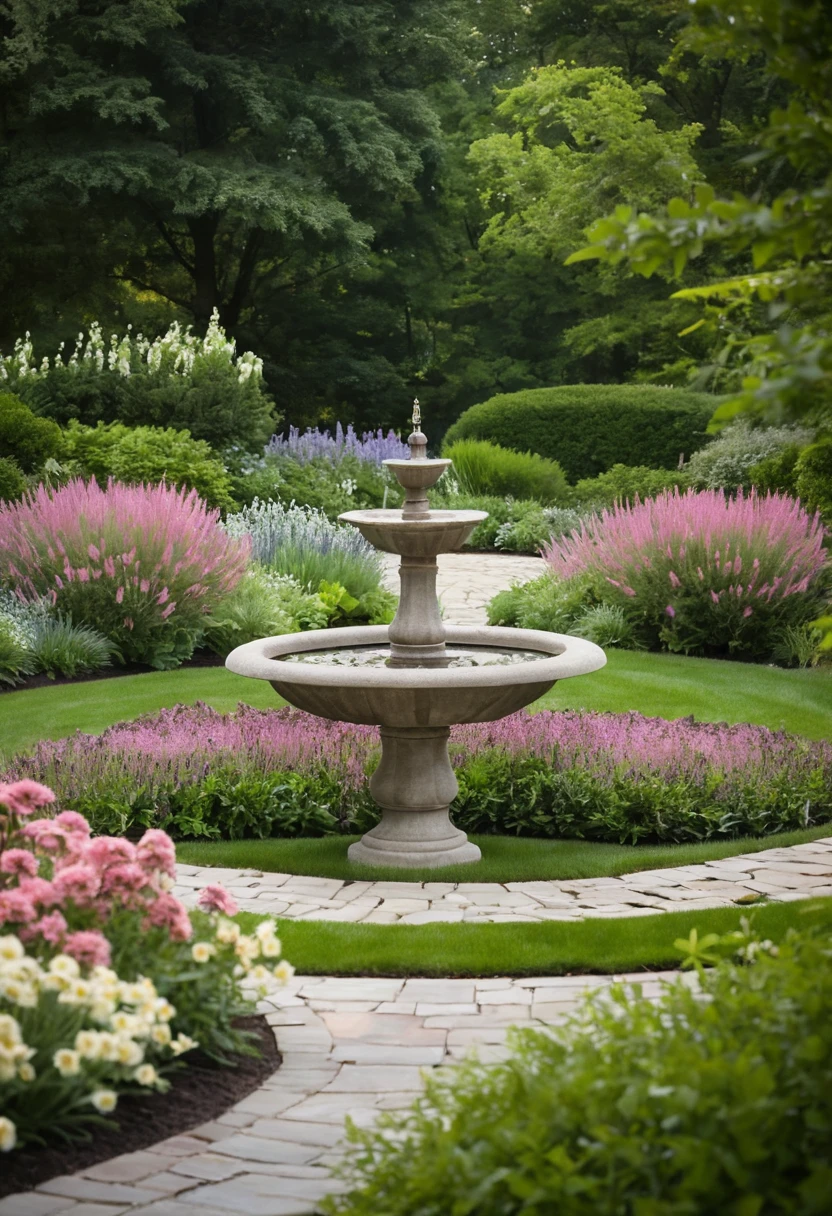
A monochromatic garden uses one dominant flower color instead of a broad rainbow palette. This is an excellent approach if you want an elegant and modern 12+Flower Garden & Planting design.
You don’t need every flower to be the exact same shade. Several tones within one color family can create subtle depth. For example, a purple garden might include pale lavender, medium violet, and deep purple flowers alongside green foliage.
White Garden
White flowers can create a bright, refined appearance, particularly when contrasted with dark green foliage. Add silver foliage for additional texture.
Purple Garden
Purple flowers work well with gray-green foliage and can create a calm, sophisticated atmosphere. Use different flower shapes to prevent the limited color palette from feeling repetitive.
10. Create a Low-Maintenance Oval Garden
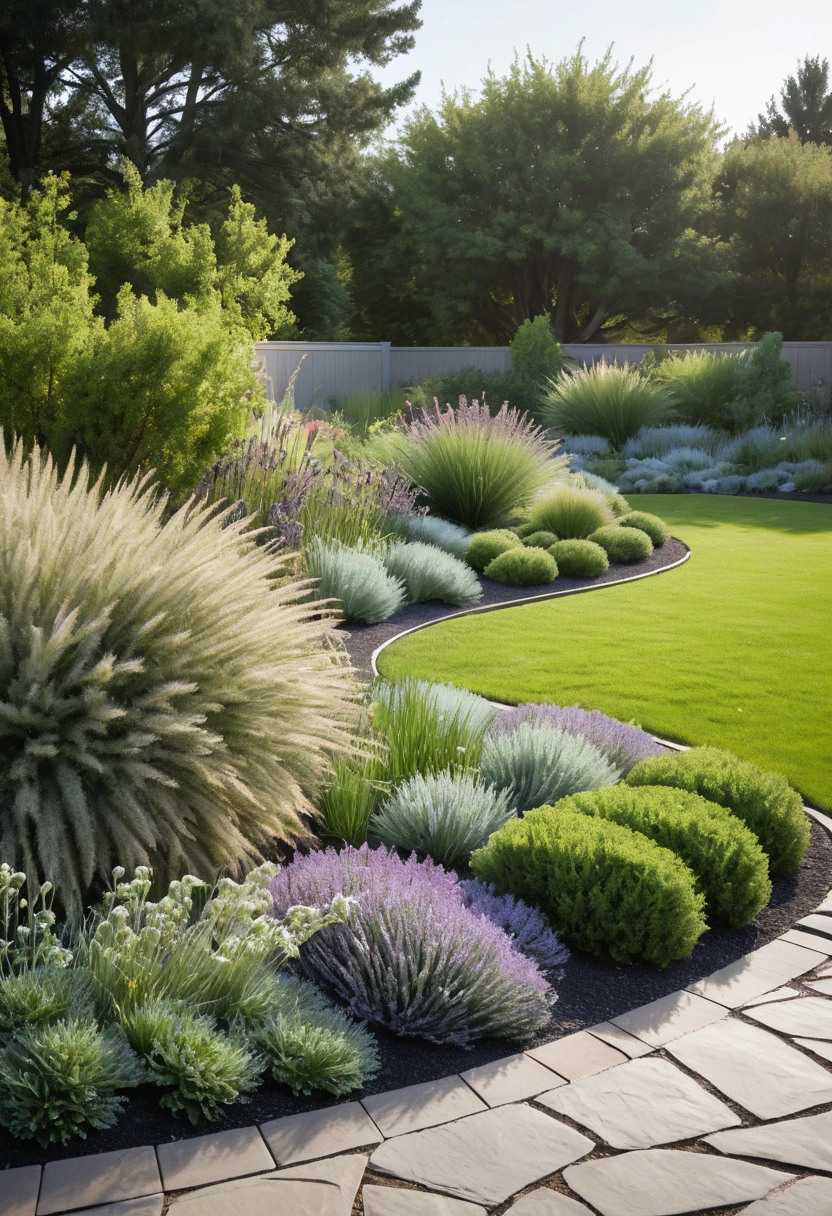
A beautiful bed doesn’t have to demand constant attention. Start by selecting plants that are well adapted to your local climate, sunlight, soil, and available moisture. Matching plants to the site is more sustainable than forcing unsuitable varieties to grow.
For 12+Flower Garden & Planting, reduce maintenance by keeping the design simple. Repeat a smaller number of reliable plants instead of filling the oval with dozens of varieties that each have different care requirements.
- Choose plants suited to local growing conditions.
- Group plants with similar water needs.
- Use mulch where appropriate.
- Leave sufficient space for mature growth.
- Remove weeds before they become established.
- Keep pathways and edges accessible.
11. Build a Butterfly-Themed Oval Garden
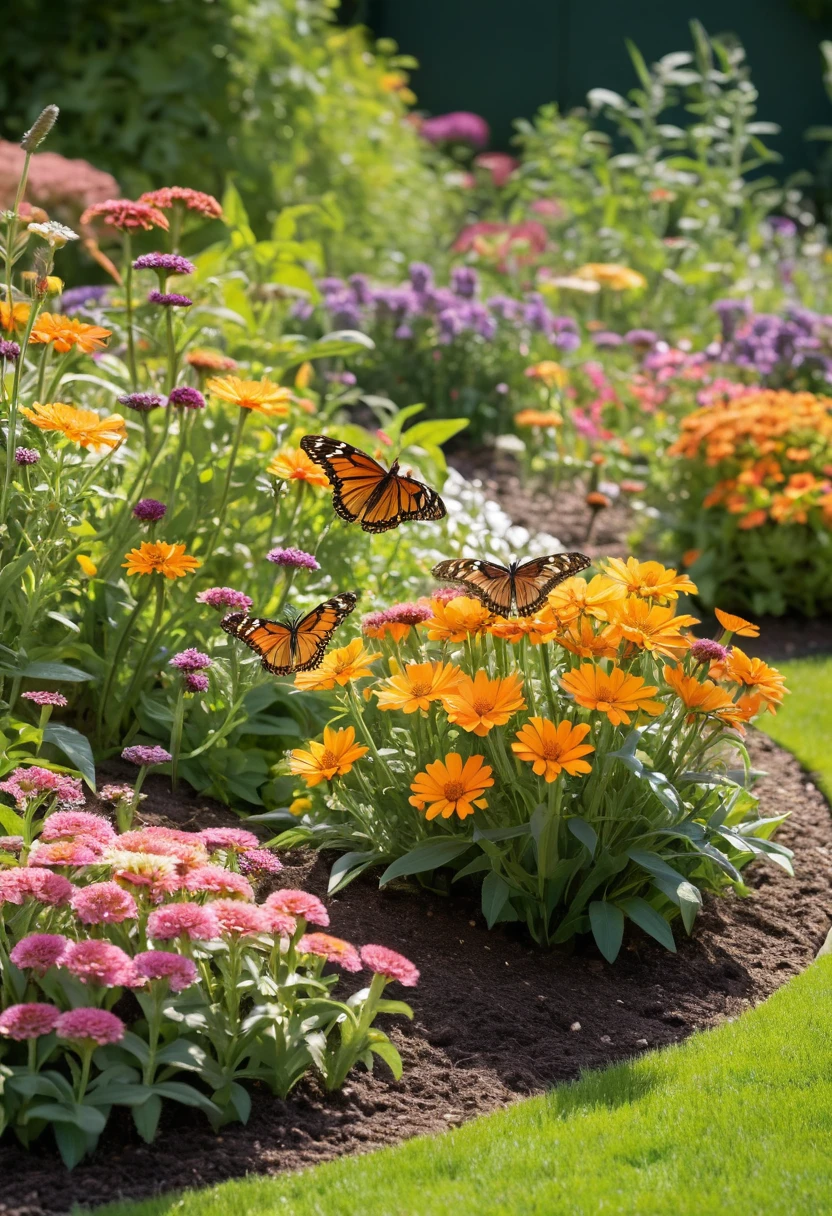
Butterfly gardens can be colorful, structured, and attractive even when designed around a simple oval outline. Choose locally appropriate nectar-producing flowers and, where suitable, host plants that support butterfly life cycles.
A butterfly-themed 12+Flower Garden & Planting bed benefits from a mixture of flower heights. Low flowers around the edge, medium flowers in the middle, and taller plants toward the center can create a layered habitat while maintaining visibility.
Use Native Plants Where Appropriate
Native plants can be particularly valuable because they are adapted to regional conditions and can support local wildlife. Research which species are native and suitable for your area before purchasing.
Provide Open Space
Don’t fill every inch of the oval. Small open areas can make the planting easier to maintain and give butterflies room to move among flowers.
12. Use Repeated Flower Drifts
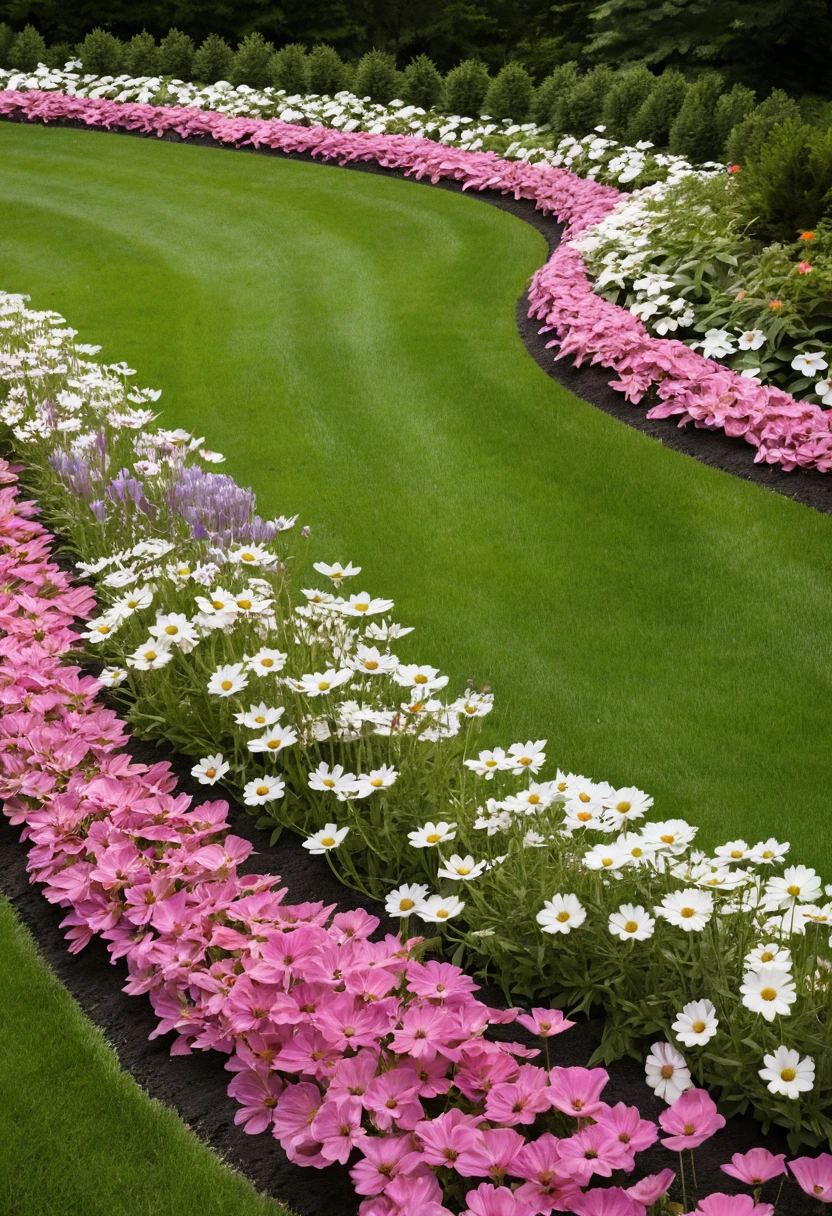
One of the most effective ways to make an oval bed look professionally planned is to repeat plant groups around the shape. Instead of putting one rose here, one daisy there, and one lavender somewhere else, create connected masses.
Current garden-design guidance emphasizes the importance of repeated groupings and mature plant spacing. This makes a 12+Flower Garden & Planting layout easier to read and prevents the garden from looking like a collection of unrelated plants.
Use odd-numbered groups such as three, five, or seven when the mature size of the plants allows it. The exact number matters less than creating recognizable masses.
13. Design a Small Oval Flower Bed
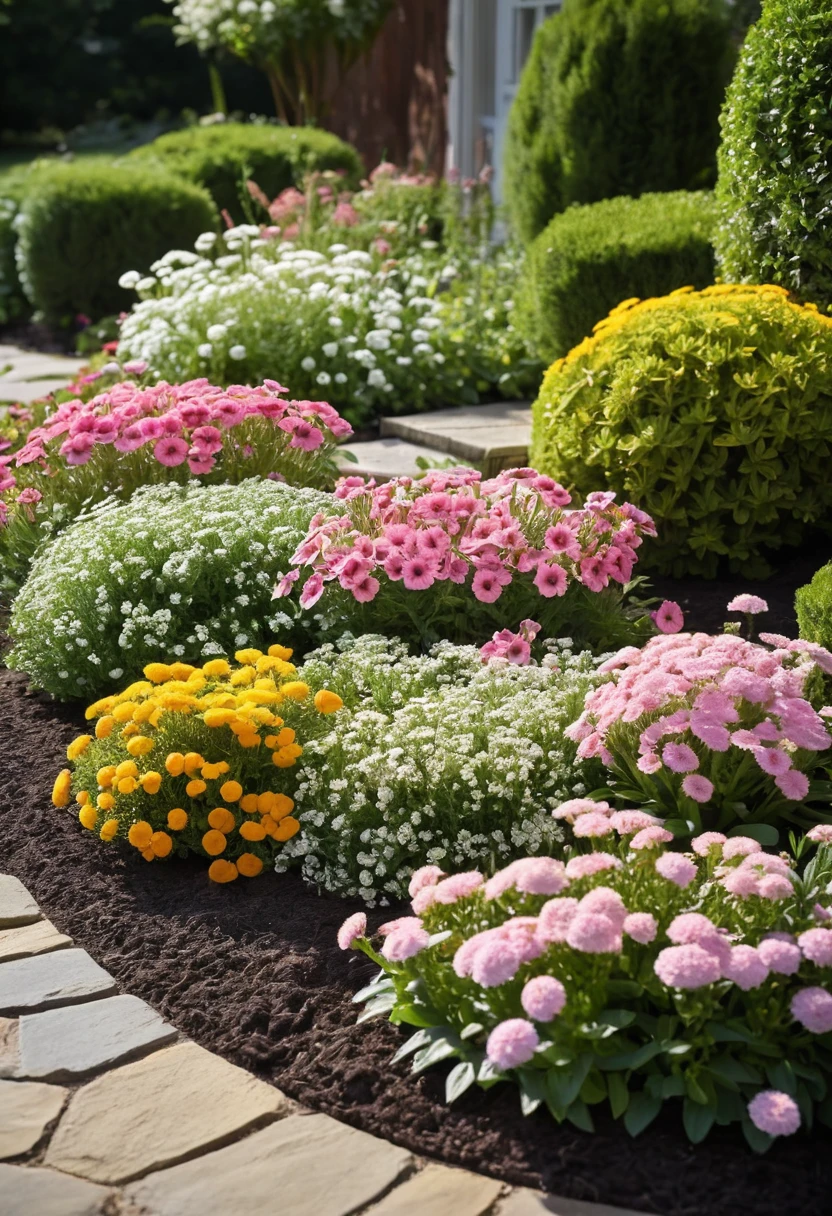
An oval bed doesn’t have to be enormous to make an impact. A small version can fit into a front lawn, courtyard, entry garden, or compact backyard.
When space is limited, simplify the planting. Choose one central feature, two or three supporting plant types, and a neat outer edge. A smaller 12+Flower Garden & Planting design often looks better when it has fewer plant varieties arranged clearly.
Keep the Center Open
Avoid filling a small oval with tall, wide plants. Give each specimen enough room to reach its expected mature size.
Use Compact Flowers
Low-growing annuals, compact perennials, and smaller ornamental plants can provide color without overwhelming the available space.
Roses are particularly effective in formal oval beds because their flowers and foliage can provide a strong central theme. An oval design using roses can be symmetrical, romantic, or informal depending on the surrounding plants.
FAQs
What flowers look good in an oval flower bed?
Roses, zinnias, dahlias, salvias, lavender, marigolds, daisies, coneflowers, tulips, and many other flowers can work well when their mature size and growing requirements suit the site.
How should flowers be arranged in an oval bed?
For an island-style oval, place taller plants toward the center and gradually reduce plant height toward the outer edge so the planting remains visible from different directions.
How big should an oval flower bed be?
The ideal size depends on the property and viewing distance, but the bed should be large enough to accommodate mature plants and create a visually meaningful feature without interfering with paths or lawn maintenance.
What should I plant around the edge of an oval flower bed?
Choose compact, low-growing plants that complement the taller central planting and can form a clear visual border without becoming difficult to maintain.
Can I put a focal point in the middle of an oval flower bed?
Yes. An obelisk, trellis, birdbath, ornamental plant, or other suitable feature can anchor the design, especially when the bed is visible from multiple directions.
Conclusion
An oval flower bed gives you a flexible foundation for combining color, height, texture, and seasonal interest. Whether you prefer a formal rose garden, relaxed cottage planting, modern monochromatic design, pollinator-friendly display, or a raised stone-edged feature, the curved outline can make the garden feel softer and more intentional. The most successful designs balance the shape with mature plant sizes, repeated flower groups, practical access, and a clear hierarchy of heights.
Start by marking your oval and viewing it from the places where you’ll actually see the garden. Choose a manageable plant palette, establish a strong central structure, gradually lower the planting toward the edge, and leave enough space for plants to mature. With thoughtful planning, your 12+Flower Garden & Planting project can become a long-lasting focal point that changes beautifully from season to season.

