
A corner yard can be one of the most overlooked parts of a landscape, but it can also become one of the most attractive. 13+Flower Garden & Planting ideas for a corner yard focus on using awkward angles, fence lines, walls, and unused lawn edges to create colorful and purposeful planting spaces. With the right combination of flowers, foliage, height, texture, and edging, even a small corner can become a welcoming garden feature.
Corners often have challenges that ordinary flower beds don’t. One side may receive full sunlight while another stays shaded for much of the day. Fences can create narrow spaces, and rainwater or downspouts may make some areas wetter than others. Instead of treating these limitations as problems, why not use them to create a garden with its own personality?
In this guide, you’ll find practical 13+Flower Garden & Planting ideas designed specifically for corner yards. We’ll cover layered planting, cottage-style corners, triangular beds, raised beds, pollinator gardens, seating areas, vertical planting, low-maintenance designs, seasonal color, and more. You’ll also learn how to plan the space, select suitable plants, prepare the soil, and keep the finished flower bed looking attractive.
1. Turn an Empty Corner Into a Layered Flower Bed
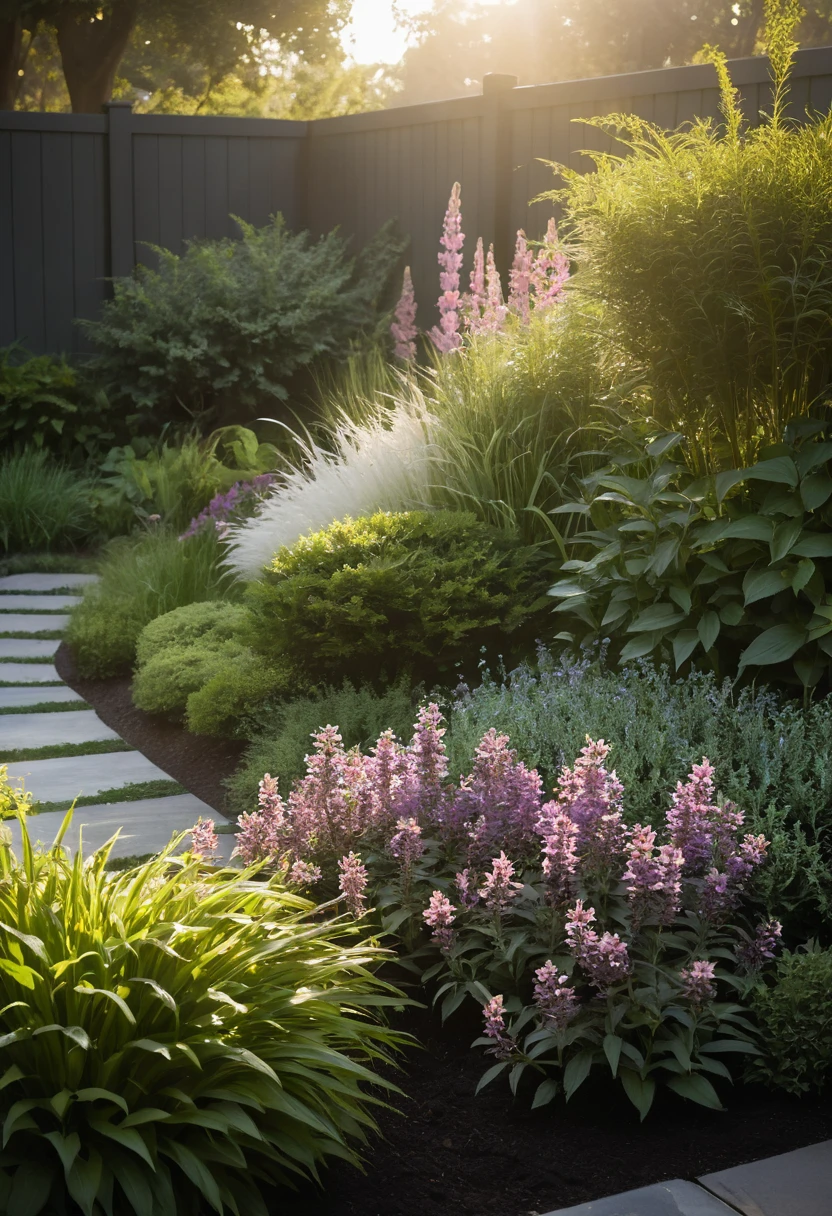
One of the easiest 13+Flower Garden & Planting approaches is to turn an unused corner into a layered bed. Instead of filling the entire space with flowers of similar height, create several levels. Put taller plants toward the back where the fences or walls meet, medium-height flowers through the middle, and compact plants along the front edge.
This technique gives a small corner much more visual depth. Current corner-garden layouts commonly recommend using taller plants toward the back and gradually stepping down toward the front so the planting remains visible and doesn’t become a flat wall of vegetation.
A simple height arrangement can include:
- Tall flowering plants near the fence
- Medium perennials in the middle
- Low flowers along the front
- Ground covers around the outer edge
- A decorative feature at the deepest point
This arrangement is particularly useful when the corner is visible from the house, patio, or main garden path.
2. Create a Triangular Corner Flower Bed
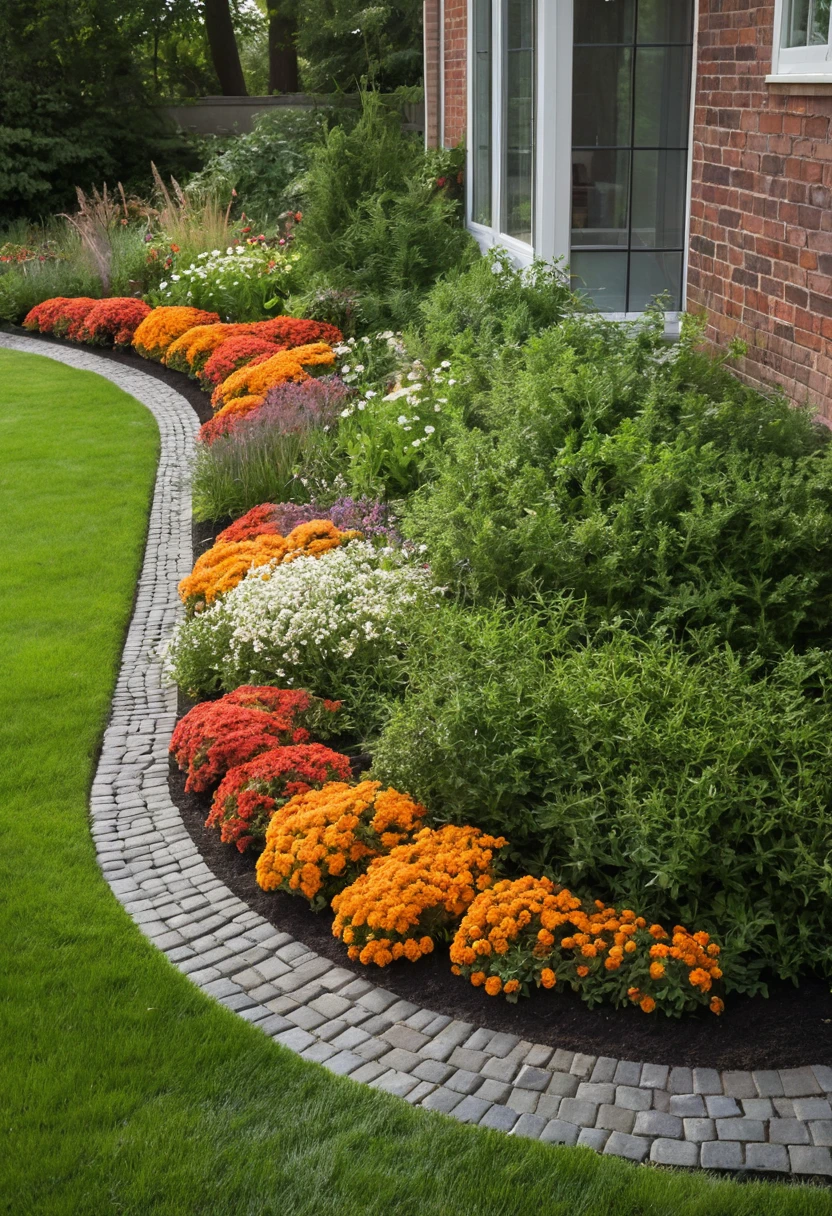
A triangular flower bed is a natural solution when two fences meet at a sharp angle. Rather than allowing the corner to remain empty, use the two fence lines as a backdrop and curve the front edge of the bed gently into the lawn.
This style is highlighted in current flower-bed guides because the two-sided backdrop naturally creates a frame for taller plants while the rounded front makes mowing and planting easier.
For 13+Flower Garden & Planting, avoid making the triangle too sharp. A slightly curved front edge usually looks softer and gives you more usable planting space. Place the tallest flower or shrub at the rear point, then work outward with progressively shorter plants.
3. Design a Cottage-Style Corner Garden
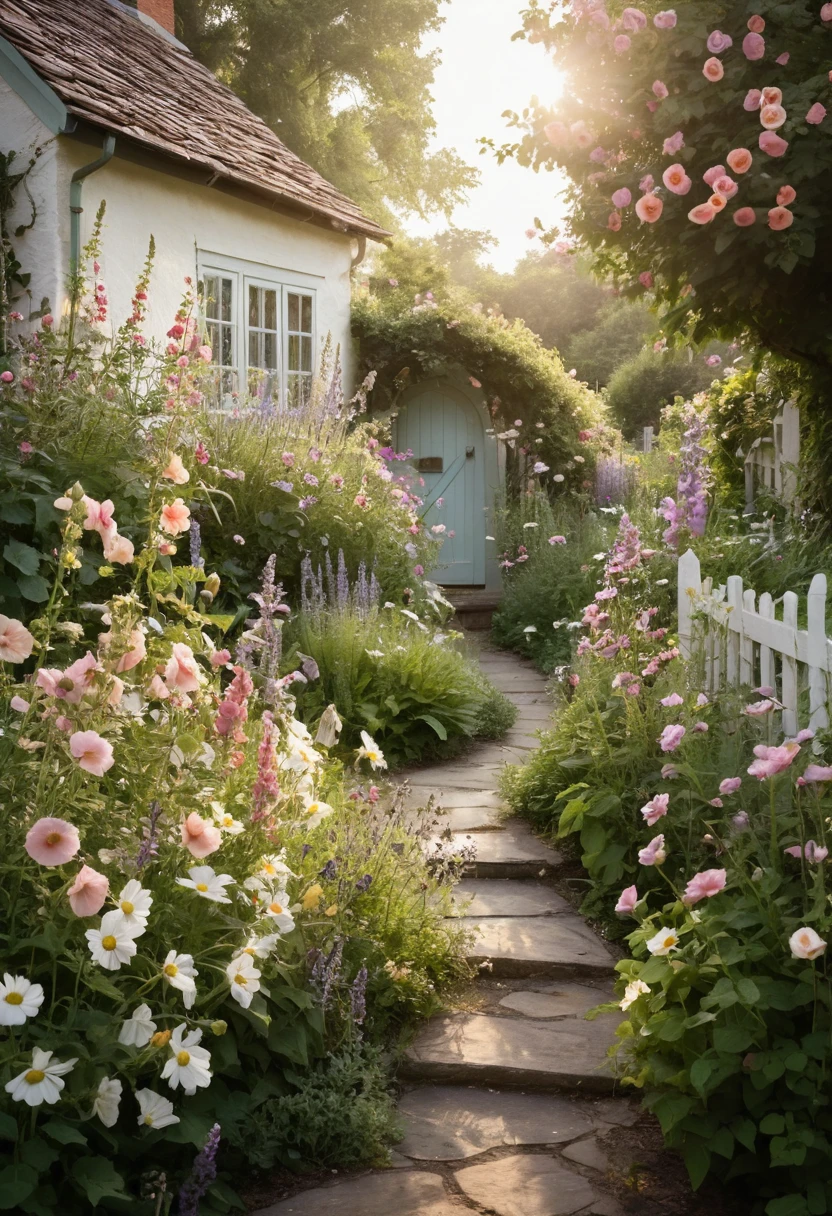
A cottage-style corner can make an ordinary backyard feel warm, relaxed, and full of life. Use a mixture of flowering perennials, annuals, herbs, ornamental foliage, and climbing plants rather than arranging everything in strict rows.
Current corner-garden inspiration frequently uses layered cottage planting to create depth and seasonal color. For a cottage-style 13+Flower Garden & Planting design, repetition is still important. Repeat a few colors throughout the bed so the planting looks intentionally informal rather than random.
Consider combinations such as:
- Roses with lavender
- Coneflowers with ornamental grasses
- Salvia with daisies
- Zinnias with low edging flowers
- Climbing flowers against a fence
Allow some plants to overlap visually, but leave enough space for mature growth and maintenance.
4. Use a Corner Trellis for Vertical Interest
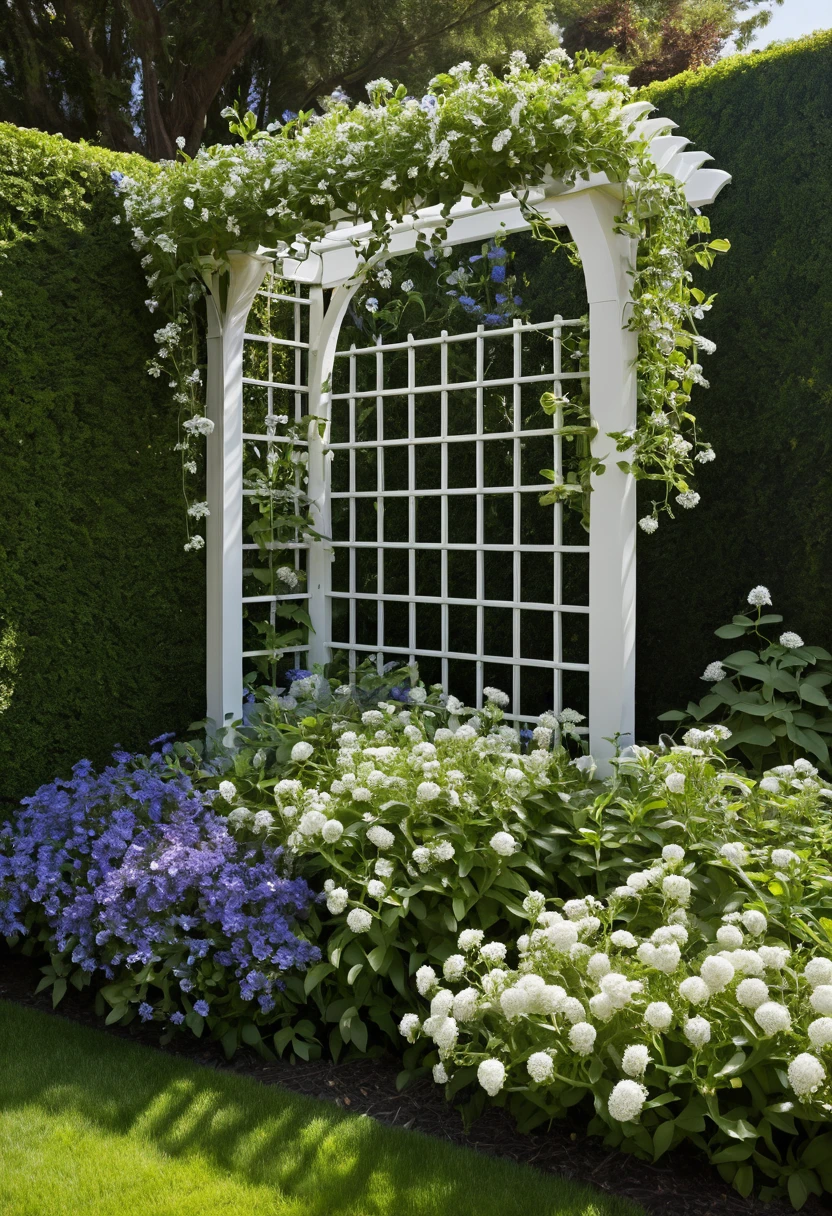
A corner is an excellent location for a trellis because two walls or fences can provide a natural background. A vertical structure draws the eye upward and lets you grow suitable climbing plants without using much ground space.
This makes vertical gardening particularly useful for small 13+Flower Garden & Planting areas. A trellis can support climbing roses, clematis, sweet peas, or other climbers that are appropriate for your climate and available sunlight.
The trick is to keep the base of the trellis relatively open. Surround it with lower flowers rather than filling the entire corner with tall plants. This creates a clear focal point and prevents the planting from becoming visually crowded.
Read also: 14+ Flower Garden & Planting Ideas: Creative Mixed Flower Garden Planting Ideas
5. Build a Raised Corner Flower Bed
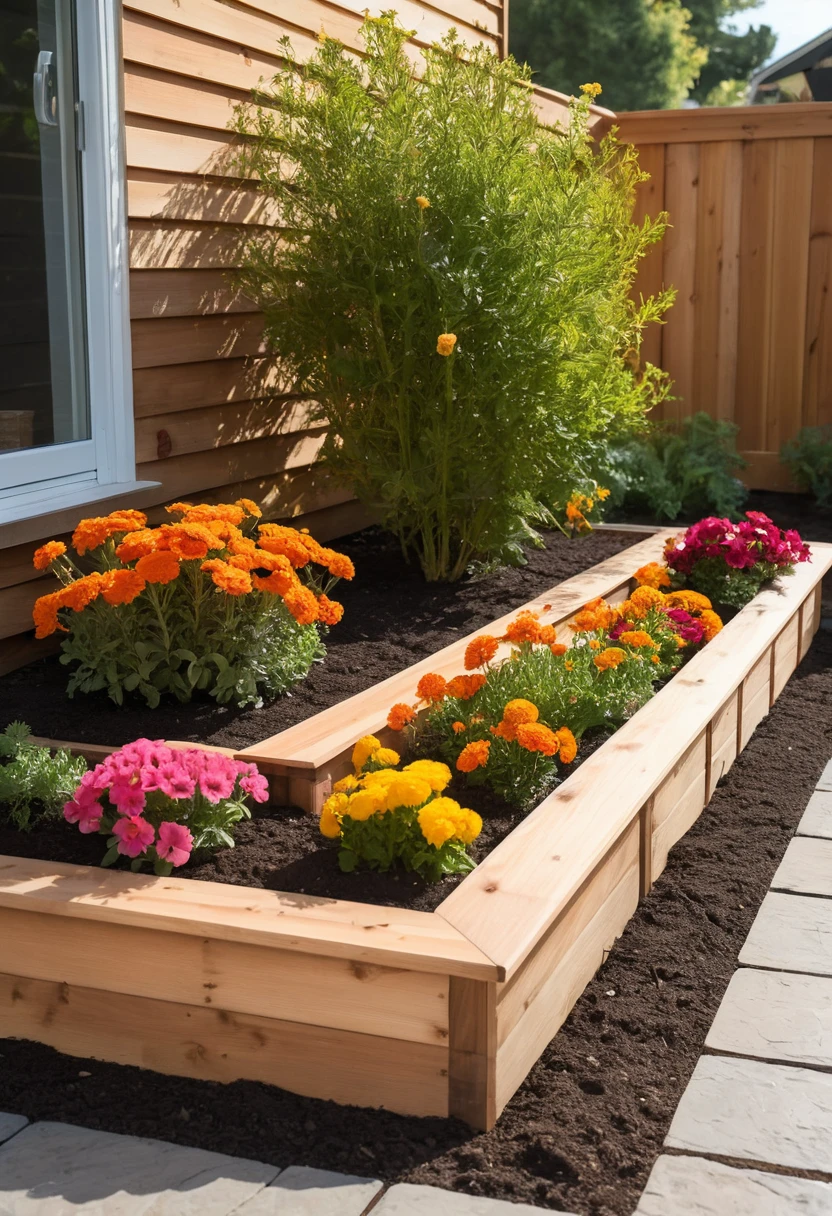
A raised bed can give an awkward corner a clear identity. Use suitable timber, stone, brick, or another landscape material to create a defined planting area, then fill it with appropriate soil.
Raised beds are especially useful when existing ground is compacted, poorly drained, or difficult to improve. They can also make planting easier because the soil level is elevated.
For 13+Flower Garden & Planting, keep the raised structure proportional to the corner. A very tall wall can make a small backyard feel enclosed, while a low retaining edge can provide structure without overwhelming the flowers.
Choose plants according to the light and moisture conditions inside the bed. Don’t assume that raising the soil automatically solves drainage problems; the growing medium and surrounding conditions still matter.
6. Create a Pollinator-Friendly Corner
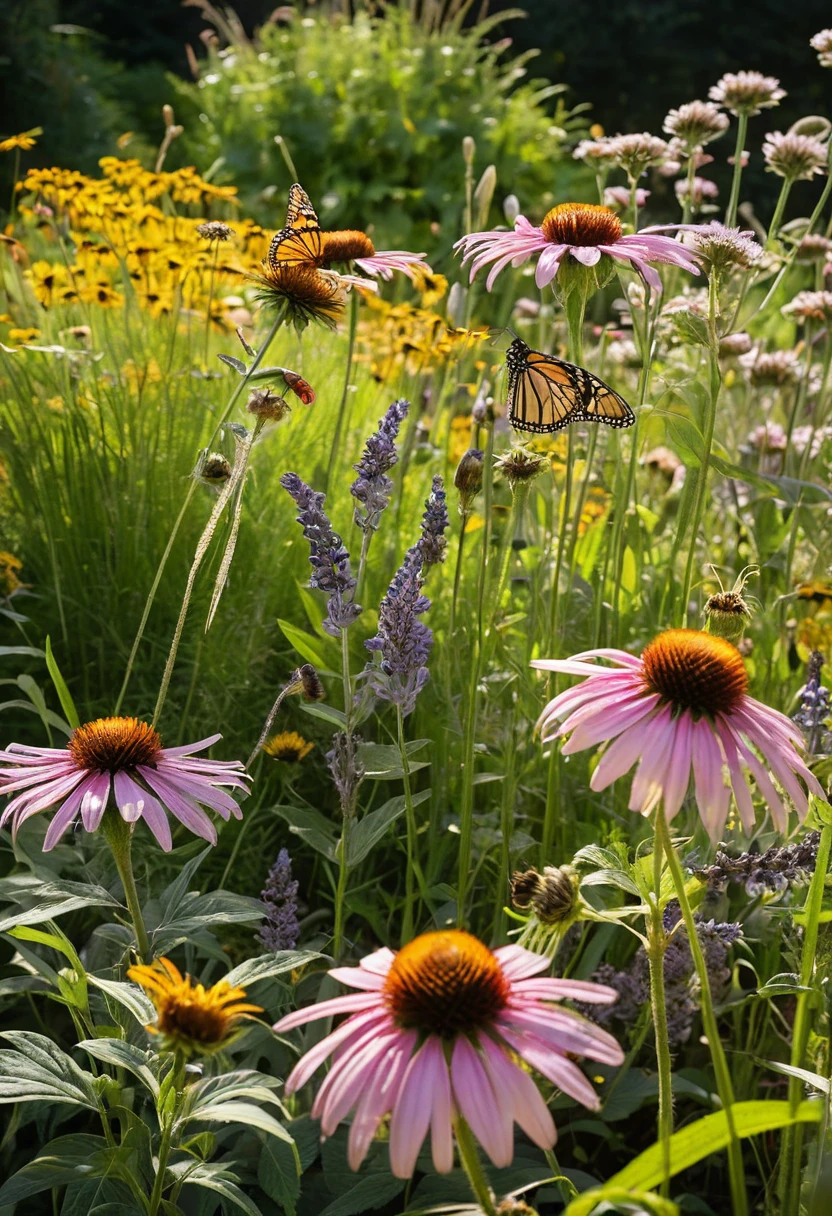
A corner garden can become a valuable flowering area for bees, butterflies, and other beneficial insects. Instead of selecting plants only for color, include a mixture of flowers that bloom at different times and provide different flower shapes.
The idea is supported by broader garden-design principles that encourage diverse planting and seasonal interest. Current corner-garden guides also recommend turning unused spaces into purposeful planting areas rather than leaving them empty.
A pollinator-focused 13+Flower Garden & Planting corner might combine suitable local flowering plants with herbs and native species. Choose plants adapted to your region rather than relying on a generic list.
Keep some flowers in groups so the color remains visible from a distance. Avoid filling every square inch with mulch or decorative objects; the flowers should remain the main attraction.
7. Add a Small Tree as the Corner Focal Point
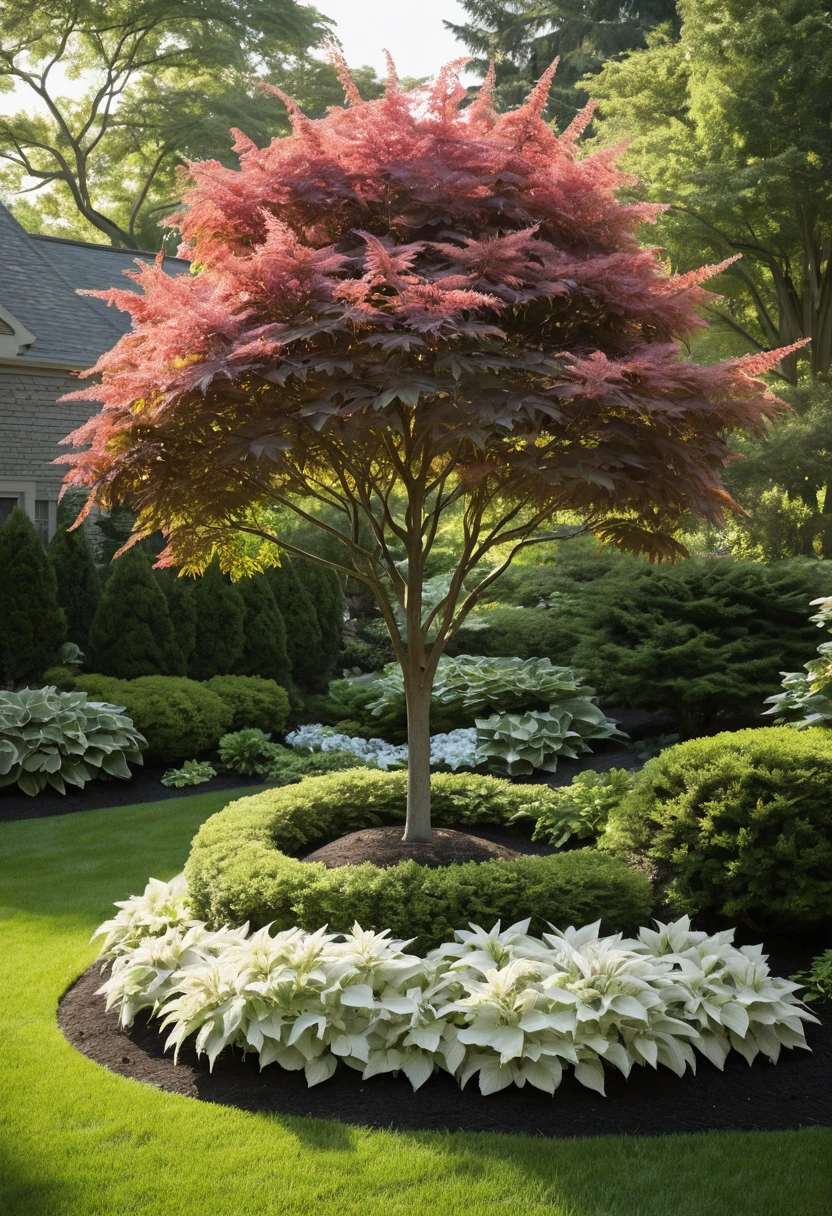
A carefully selected small tree can give a flower bed structure that lasts beyond the flowering season. The tree becomes the vertical anchor, while lower flowers surround its base.
This is especially effective in a large corner where low flowers alone may appear too flat. The key is selecting a tree whose mature size is appropriate for the property and whose root, light, moisture, and maintenance requirements fit the site.
Use 13+Flower Garden & Planting layers around the tree rather than crowding it immediately. Leave sufficient room around the trunk and choose companion plants that tolerate the conditions created by the tree’s canopy.
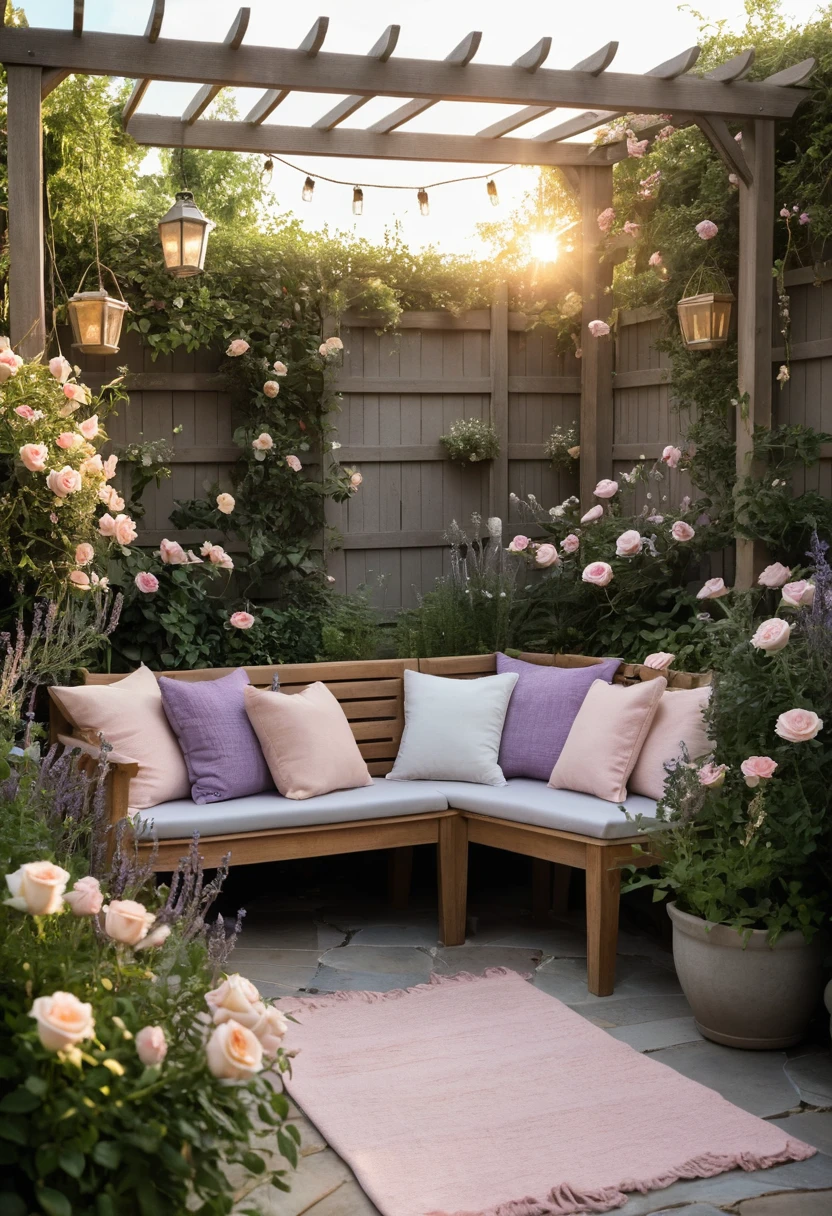
8. Create a Cozy Corner Seating Garden
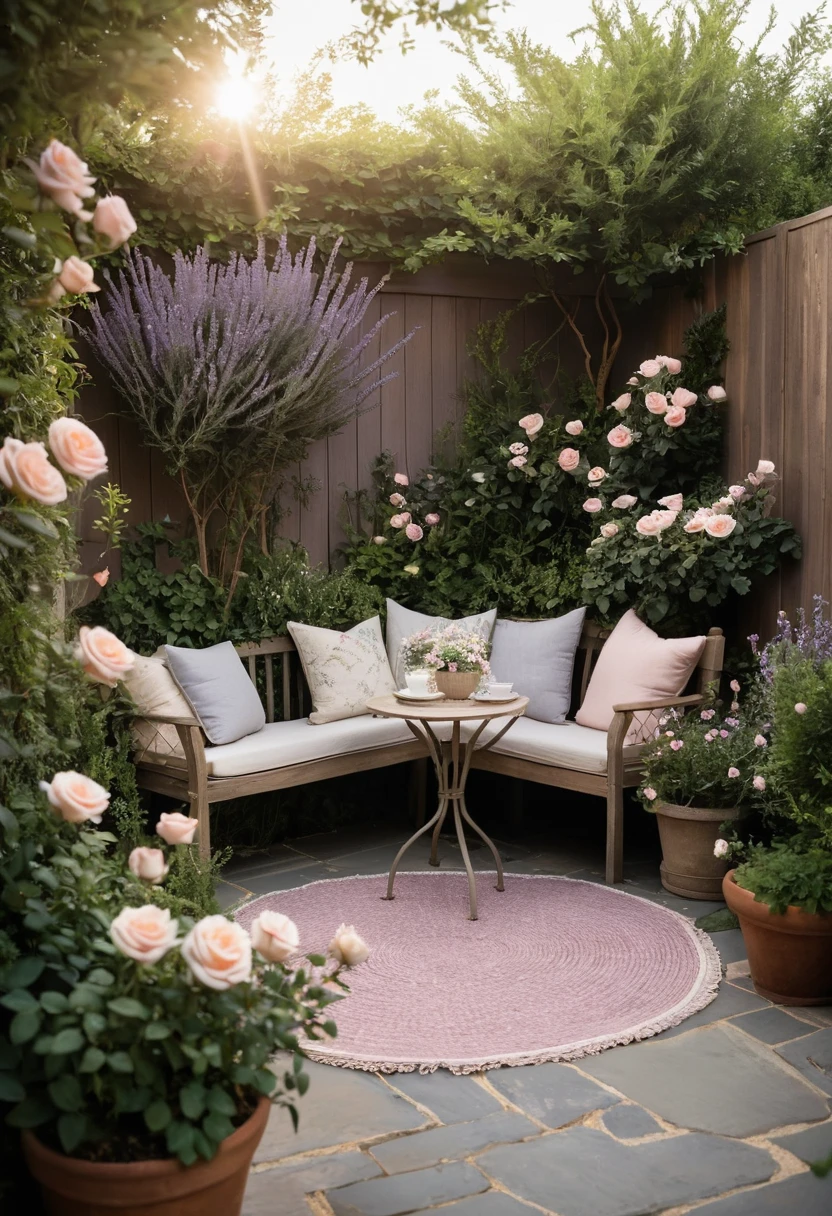
If your corner is large enough, combine flowers with a small seating area. A compact bench or bistro-style arrangement can turn an unused corner into a quiet place for reading, morning coffee, or enjoying the garden.
Corner-garden resources commonly recommend combining seating with tall plants and flowers to create an intimate backyard retreat.
For 13+Flower Garden & Planting, place taller plants behind or beside the seating rather than directly in front of it. This creates a sense of enclosure without blocking the view. Add containers near the chair or bench for seasonal flowers that can easily be changed.
A small seating corner can include:
- A compact bench
- Low-maintenance flowers
- A trellis behind the seat
- Fragrant plants nearby
- A small side table
- Simple outdoor lighting
9. Use Curved Edging to Soften a Sharp Corner
Hard fence lines and right angles can make a backyard feel rigid. A curved flower-bed edge can soften that geometry while still making the corner look intentional.
Rather than following the exact shape of the fences, start at the corner and curve the planting bed outward into the yard. This creates a transition between the hard structure and the softer planting.
Edging also has practical value. Defined garden edges help contain soil and mulch and can make mowing and maintenance easier. Garden-edging guidance notes that different materials can provide both visual definition and practical protection for plantings.
For 13+Flower Garden & Planting, choose an edging material that matches your existing landscape. Stone can suit a natural garden, brick can work with traditional homes, and simple metal edging can complement a modern design.
10. Make a Small Corner Flower Bed With Three Colors
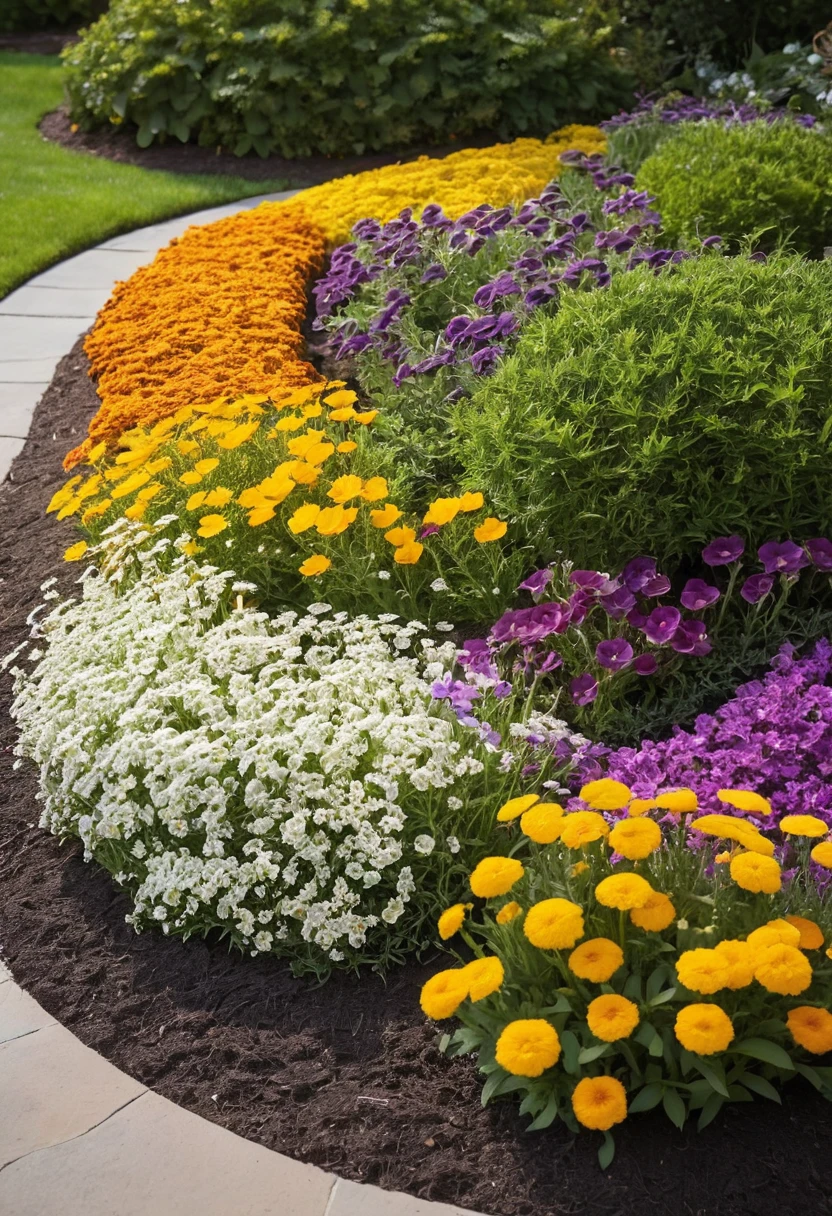
Small spaces can become visually overwhelming when too many flower colors are used. A simple three-color palette is often easier to manage.
For example, combine purple, white, and pink for a soft garden. For a more energetic look, use yellow, orange, and red. You can also use green foliage as the connecting color throughout the entire bed.
This approach makes 13+Flower Garden & Planting easier to plan because every plant needs to fit within a defined visual scheme. You don’t have to use exactly three shades, but limiting the dominant colors can create a stronger sense of harmony.
Repeat each color several times rather than placing one isolated plant of each shade. Repetition helps the eye move naturally across the garden.
11. Try a Low-Maintenance Corner Garden
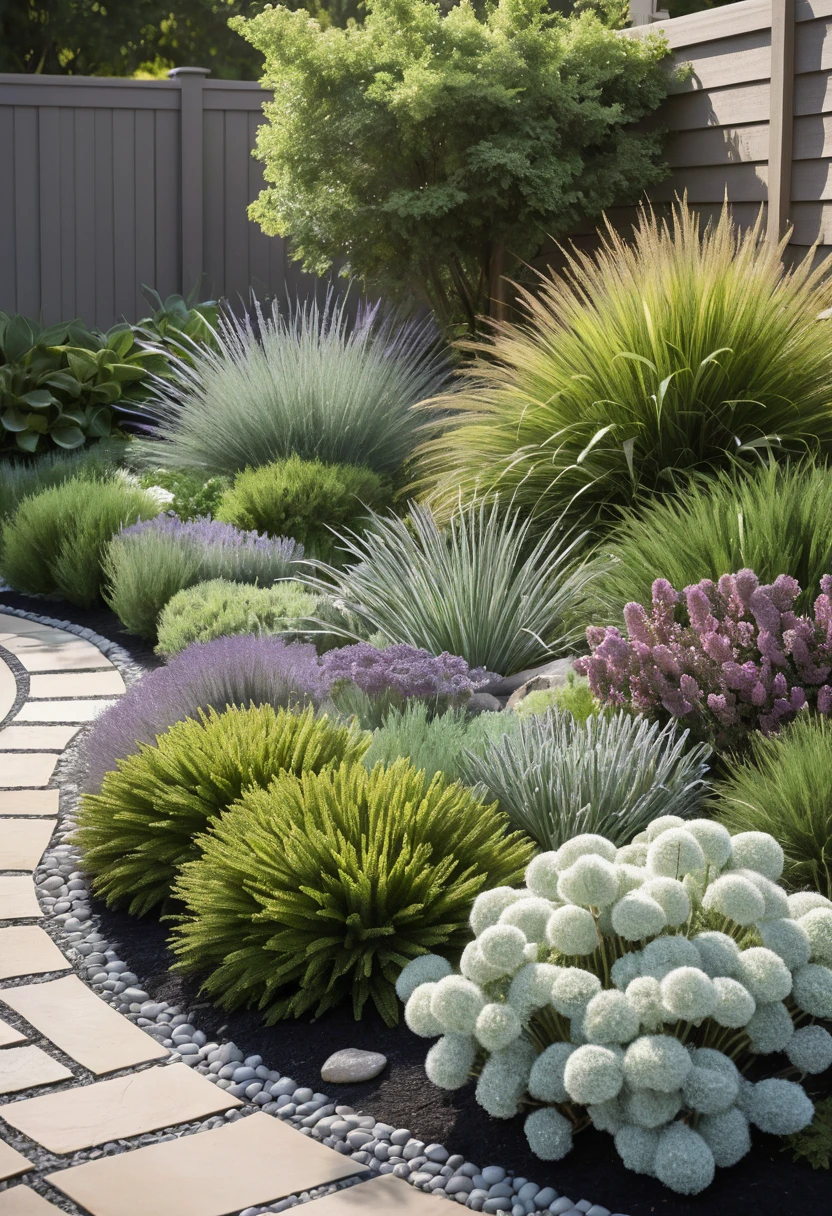
A corner that is difficult to reach isn’t the best place for plants requiring constant attention. Instead, choose durable plants suited to the local climate and arrange them in a simple composition.
Current corner-garden guidance emphasizes matching plants to the site’s sun, shade, moisture, and available space because corners can create unusual microclimates.
For a low-maintenance 13+Flower Garden & Planting bed:
- Choose plants suited to the site’s light.
- Group plants with similar water needs.
- Mulch where appropriate.
- Avoid overcrowding.
- Keep the edge easy to reach.
- Select long-lasting perennials where suitable.
The goal isn’t to create a garden that requires zero maintenance. Instead, make routine watering, weeding, pruning, and deadheading simple enough that the space doesn’t become neglected.
12. Plant a Shade-Loving Corner Garden
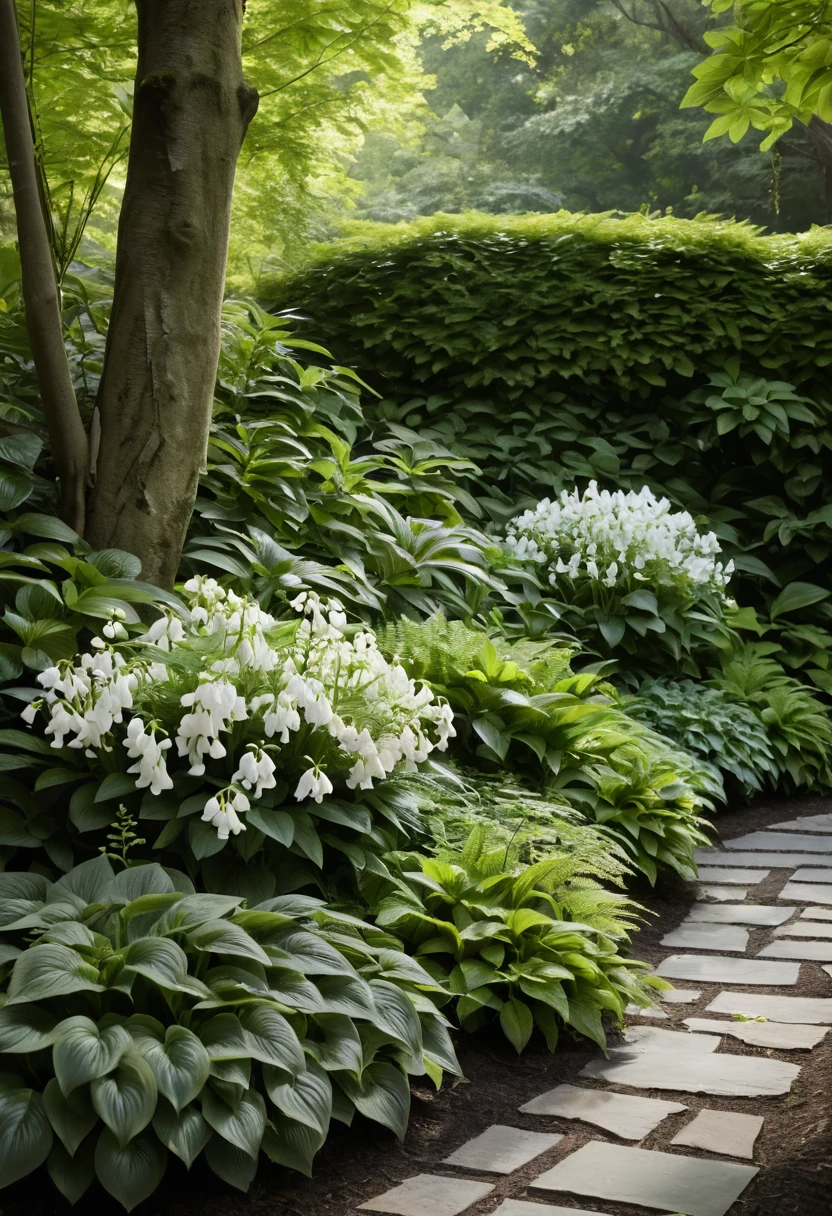
Not every corner receives full sun. A fence, wall, house, or mature tree can create shade for several hours each day.
Before selecting flowers, observe the area throughout the day. Don’t assume the entire yard has the same amount of sunlight. A corner may receive morning sun and afternoon shade or the opposite.
For 13+Flower Garden & Planting, choose shade-tolerant plants that match your actual conditions. Depending on your climate, options may include hostas, ferns, astilbes, heucheras, begonias, and other suitable plants.
Use foliage as a major design element in shady corners. Different leaf sizes, textures, and shades of green can create an attractive garden even when fewer flowers are blooming.
13. Design a Full-Sun Corner With Bold Flowers
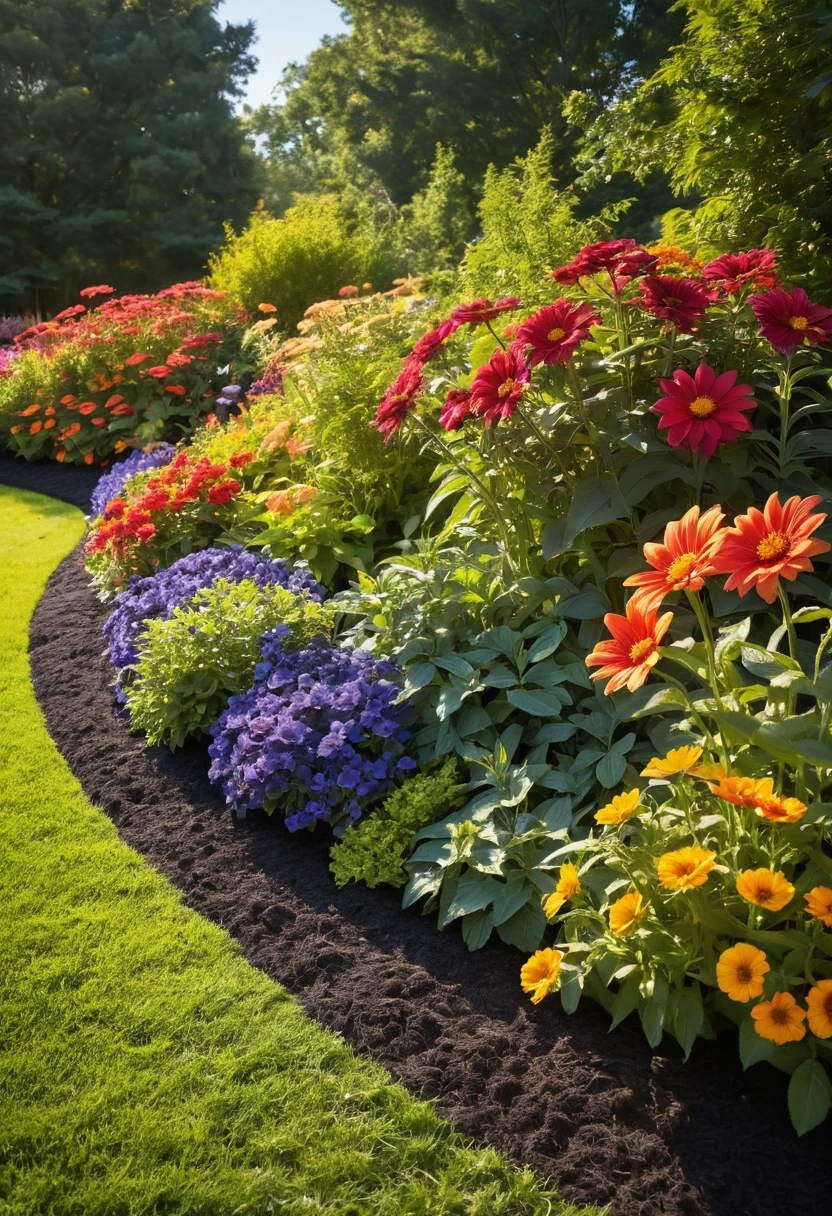
A sunny corner gives you many possibilities, particularly if the soil drains well and irrigation is available when needed. Choose flowers that tolerate the site’s heat and sunlight rather than selecting plants simply because they look attractive in a garden center.
For a vibrant 13+Flower Garden & Planting display, combine bold flowers such as suitable zinnias, coneflowers, sunflowers, salvias, or other regionally appropriate plants. Vary the heights so the corner has structure.
Tall flowers can soften a fence while medium-height blooms fill the center. Low-growing plants should form a visual transition between the flowers and lawn or paving.
14. Create a Vertical Flower Wall
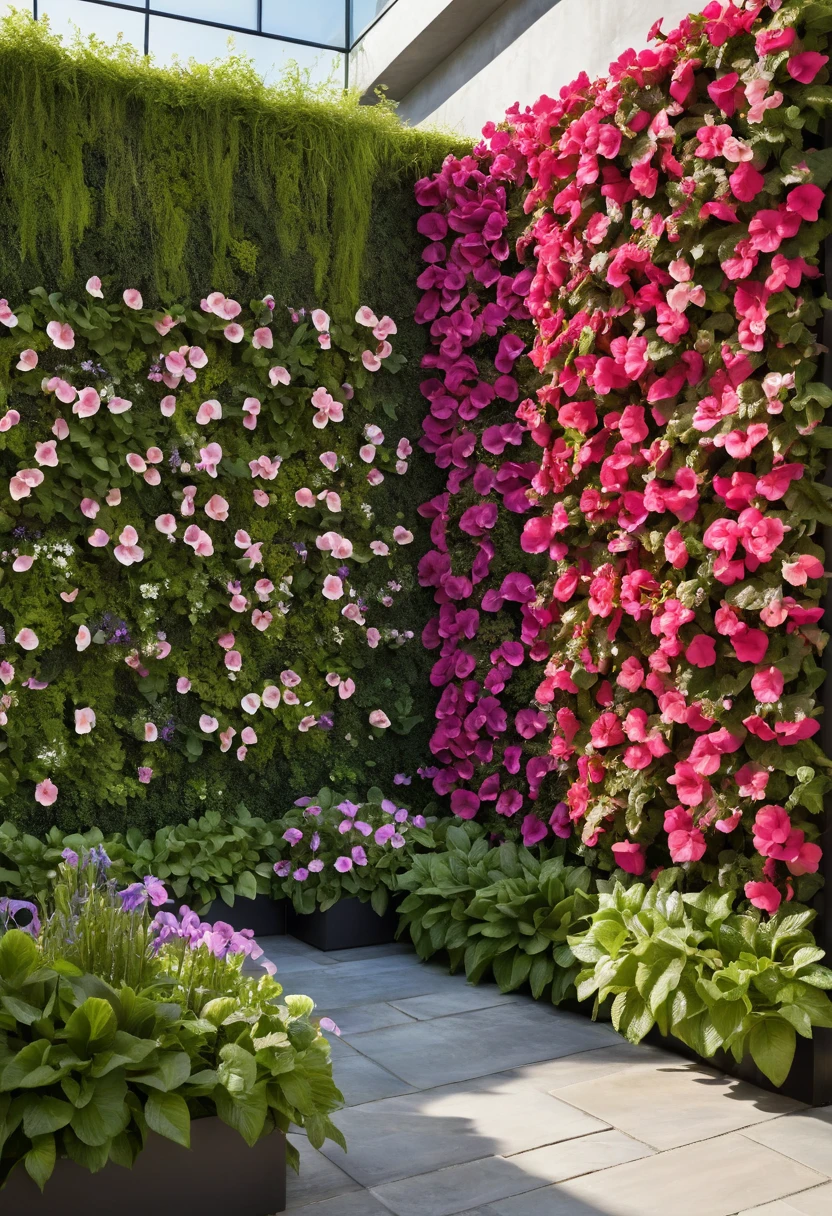
If the ground area is extremely narrow, move some of the planting upward. A trellis, wall planter, vertical frame, or suitable hanging structure can add flowers without consuming much floor space.
This is one of the most useful 13+Flower Garden & Planting ideas for narrow side yards and compact corners. Vertical structures can also hide unattractive fencing or create privacy.
However, don’t cover every inch of the wall. Leave enough negative space to keep the area visually balanced. A few well-placed climbing plants can have more impact than an overcrowded wall.
15. Use Flowering Shrubs for Year-Round Structure
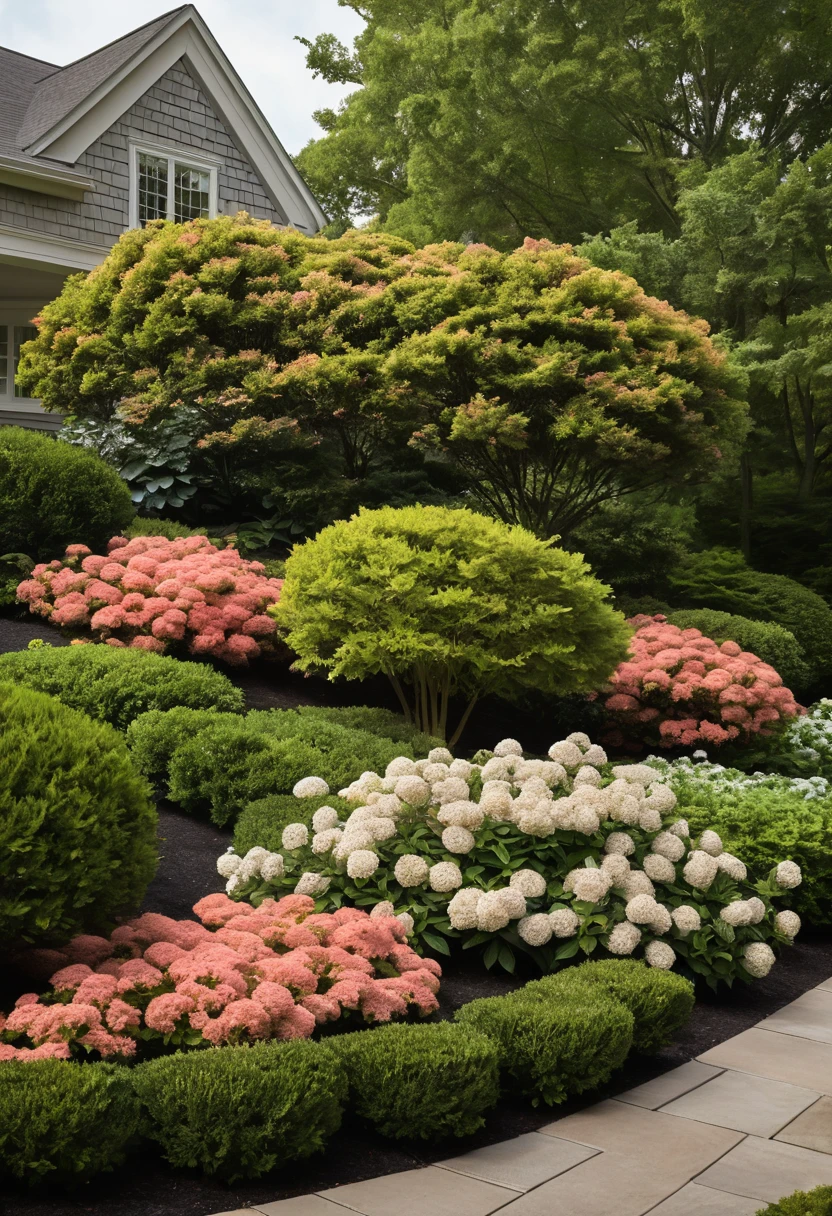
Flowering shrubs can provide a permanent framework for a corner bed. Unlike short-lived annuals, shrubs maintain their structure after individual flowers disappear.
Select shrubs according to mature size, climate, soil, sunlight, and maintenance requirements. Hydrangeas, roses, spirea, and other flowering shrubs may work in appropriate conditions, but exact choices should be based on your local growing environment.
In 13+Flower Garden & Planting, place shrubs toward the deepest section of the corner and use lower flowers around them. This creates a stable background that can be refreshed seasonally with annuals.
FAQs
What is the best shape for a corner flower bed?
Triangular, curved, L-shaped, and gently rounded beds can all work well; the best shape depends on the fences, walls, pathways, and available space.
What flowers are best for a corner garden?
The best flowers depend on the site’s sunlight, soil, drainage, climate, and mature space; suitable options can include roses, salvias, coneflowers, daisies, zinnias, lavender, and other locally adapted plants.
How do you make a corner flower bed look full?
Use layered heights, repeated plant groups, contrasting foliage, and staggered flowering periods rather than planting many unrelated flowers close together.
How do you landscape a shady corner?
Observe the actual light levels and choose shade-tolerant flowers and foliage plants suited to those conditions, while using leaf texture to create interest where flowering may be limited.
How can I make a small corner garden look bigger?
Use curved edges, vertical planting, fewer repeated plant varieties, and a gradual height transition to create depth without overcrowding the space.
Conclusion
A neglected corner doesn’t need to remain an awkward patch of lawn or an empty meeting point between two fences. With thoughtful 13+Flower Garden & Planting planning, it can become a colorful focal point, a pollinator-friendly retreat, a cozy seating area, or a low-maintenance landscape feature. The strongest designs work with the shape and conditions of the space rather than trying to hide them.
Start by observing sunlight, drainage, wind, and viewing angles, then choose a simple plant palette that fits the location. Use height layers, repeated colors, defined edging, and a focal point to create structure. Whether you have a large backyard corner or only a narrow space beside a fence, a carefully planned flower bed can turn unused ground into one of the most enjoyable parts of your garden.

