
A cutting garden is a dedicated space where flowers are grown mainly for harvesting and bringing indoors. Instead of treating every bloom as something that must remain untouched in the landscape, you grow productive varieties specifically for bouquets, arrangements, gifts, and everyday enjoyment. A cutting garden can be a large backyard plot, a few raised beds, a narrow border, or even a collection of containers.
The best 15+Garden ideas for flowers combine beauty with productivity. Long-stemmed blooms such as cosmos, zinnias, sunflowers, sweet peas, dahlias, and many perennials can provide an ongoing supply of flowers when they are planted thoughtfully. The RHS recommends growing cut flowers in dedicated rows where possible because rows make watering, weeding, staking, and harvesting easier.
Whether you dream of overflowing farmhouse bouquets or simply want fresh flowers on your kitchen table, a well-planned cutting garden can make that dream practical. Keep reading for creative 15+Garden ideas, flower combinations, layout suggestions, planting tips, harvesting advice, and simple ways to keep your garden producing blooms for as long as possible.
1. Long Rows of Colorful Annuals
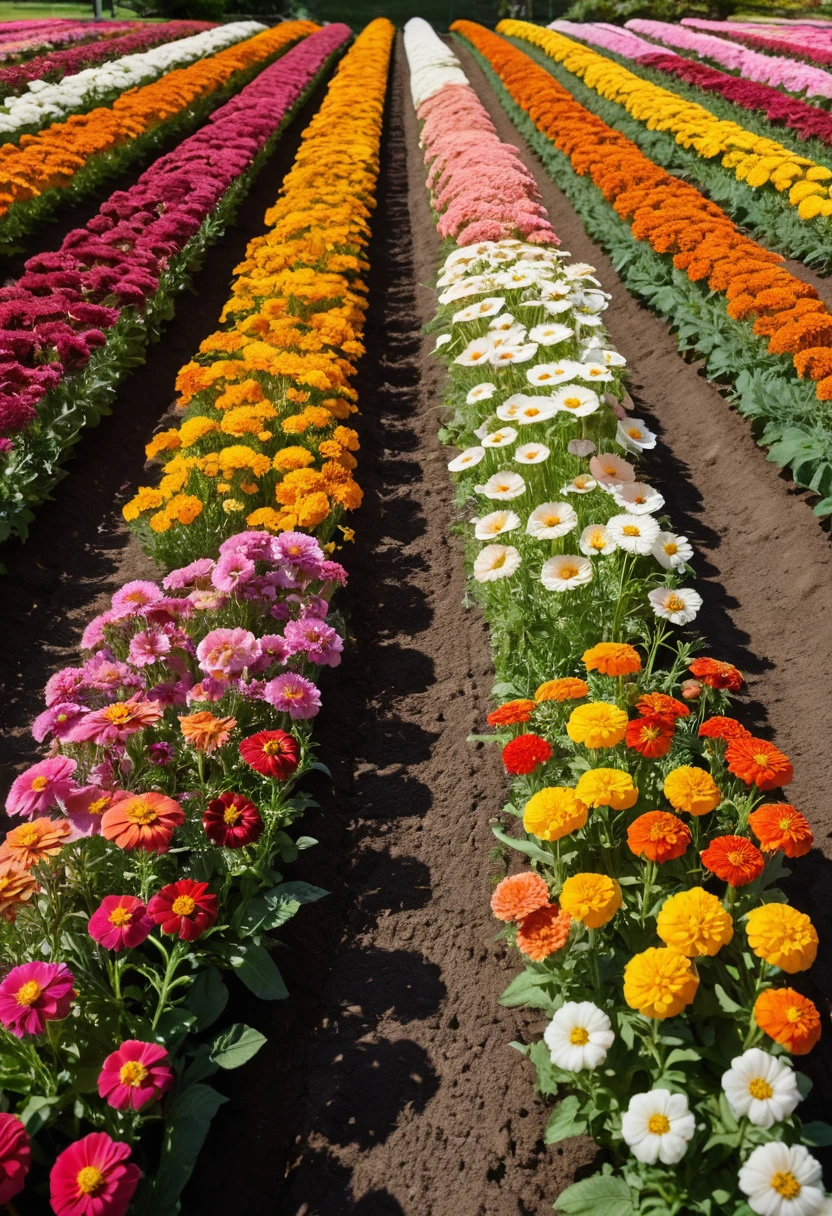
One of the simplest 15+Garden ideas is to create straight rows of annual flowers. Annuals are particularly useful in cutting gardens because many produce flowers quickly and can keep flowering when harvested regularly.
Try arranging cosmos, zinnias, calendula, cornflowers, sunflowers, and celosia in separate rows. This creates an organized flower-farm appearance while making it easy to identify each variety. The RHS specifically recommends rows for cutting gardens because they simplify access for maintenance and harvesting.
Leave enough walking space between rows so you can reach the plants without stepping into the growing area. A narrow path covered with straw, bark, or another suitable mulch can make the space cleaner and more comfortable to maintain.
2. A Raised Bed Cutting Garden
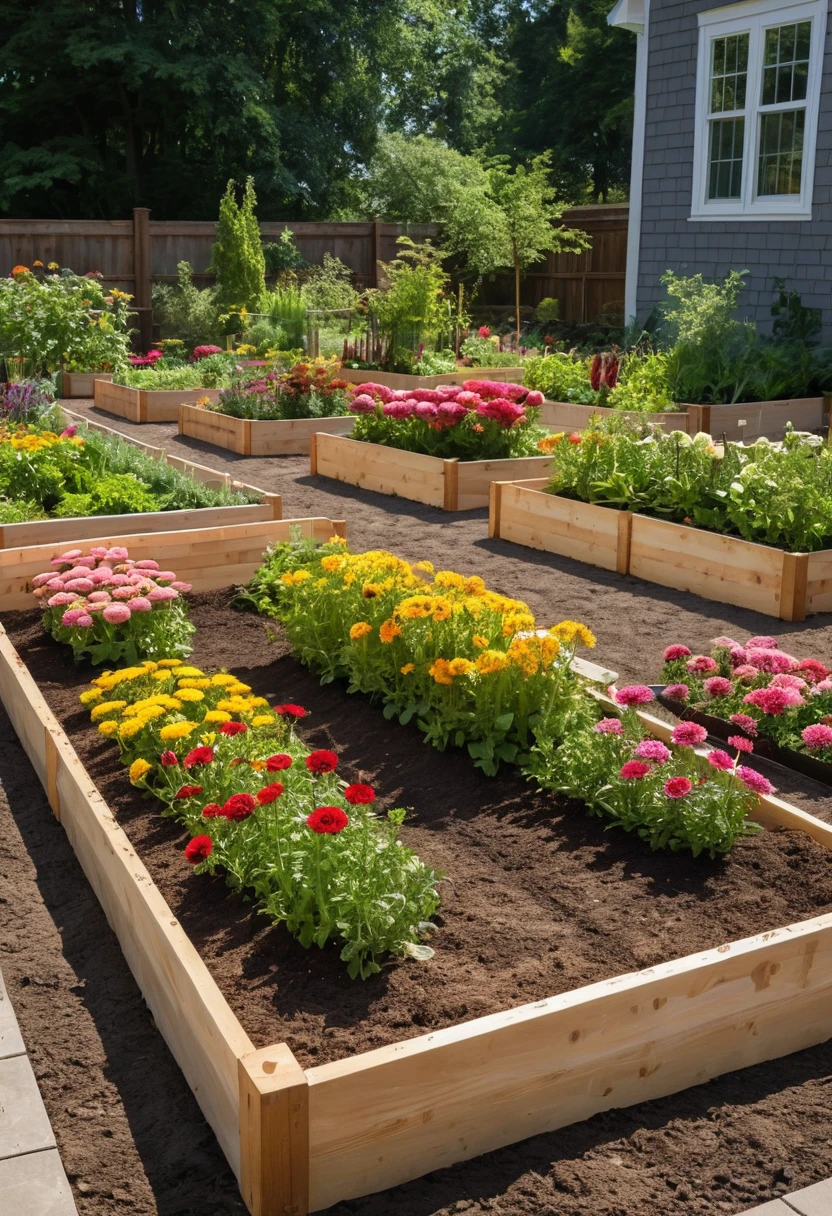
Raised beds are another practical choice when you want a tidy and productive flower-growing area. They provide defined planting spaces and can be especially helpful where the existing soil is compacted or poorly drained.
For 15+Garden ideas in a raised bed, dedicate one bed to tall flowers, another to medium-height fillers, and another to lower-growing varieties. This makes harvesting easier because you can quickly find the flowers you need for an arrangement.
A raised bed does not have to be large. Even one modest bed can produce a surprising number of stems when planted intensively. Extension guidance recommends choosing a sunny location, preparing fertile soil, considering mature plant size, and selecting varieties with useful stem lengths.
3. Grow a Dedicated Dahlia Section
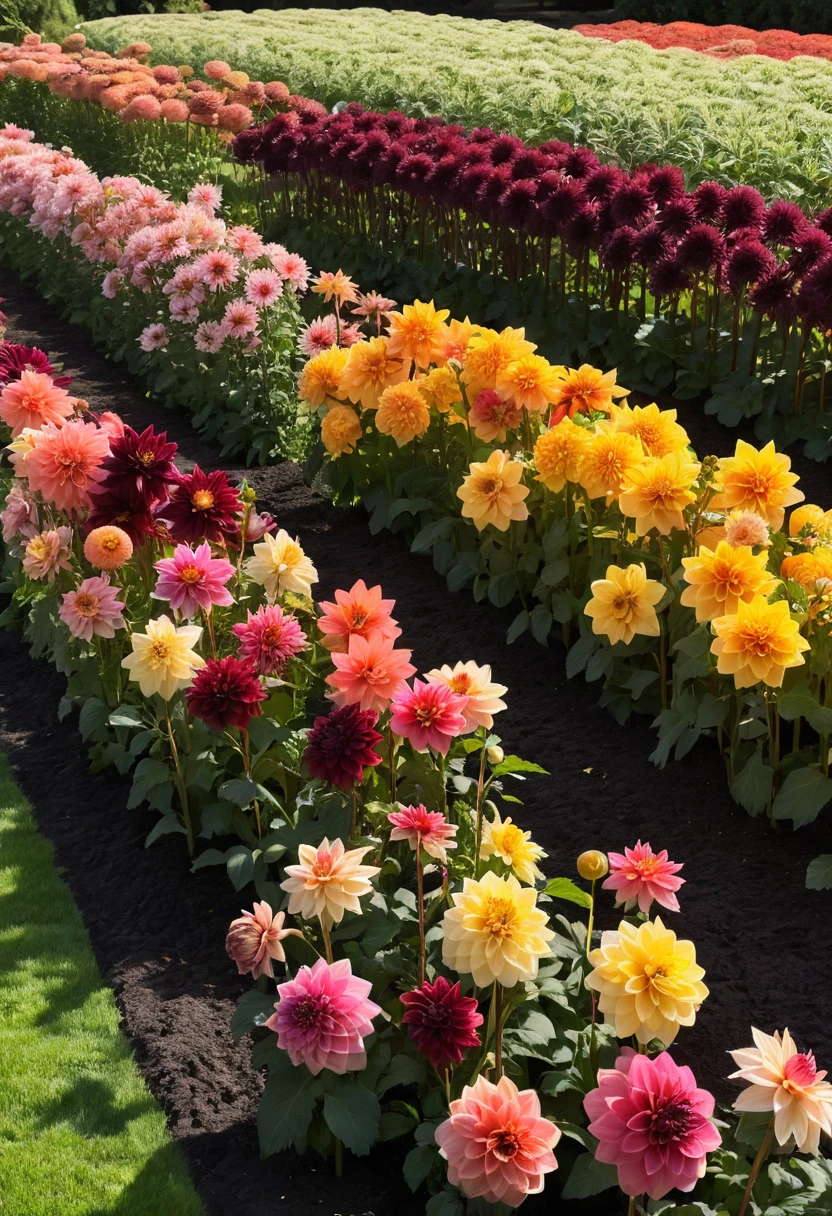
Dahlias deserve a special place in a cutting garden because their flowers offer impressive shapes, colors, and sizes. Their dramatic blooms can become the focal point of almost any bouquet.
Plant dahlias together in a dedicated section where you can support their stems and access them easily. Choose several flower forms rather than growing only one type. Decorative, ball, cactus, waterlily, and other forms can create visual variety.
Regular harvesting can encourage continued flower production in suitable varieties. RHS guidance also highlights dahlias among reliable choices for gardeners who want flowers to cut repeatedly through the growing season.
4. A Fragrant Sweet Pea Corner
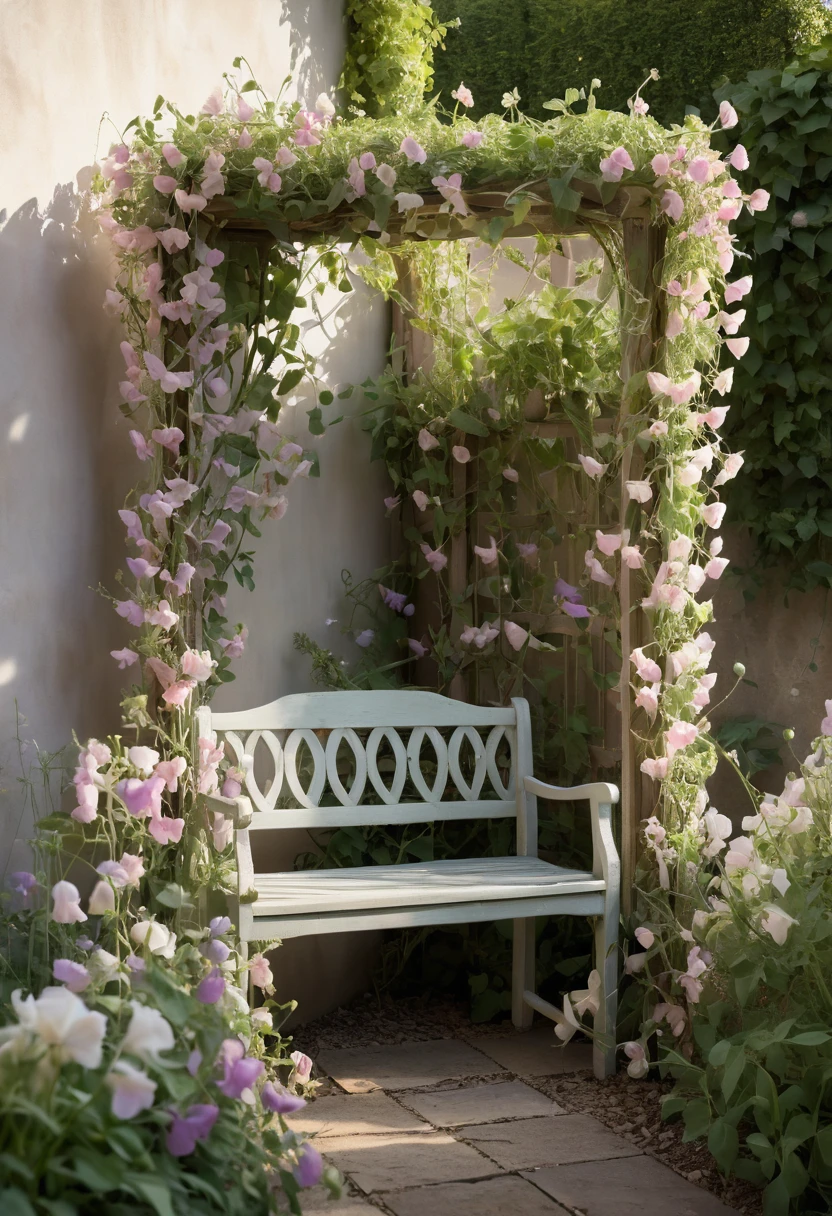
If fragrance matters as much as appearance, include sweet peas. Their delicate flowers and climbing habit make them particularly useful for bouquets.
Create a simple trellis, netting system, or support structure and train the plants upward. Keep the flowers picked regularly rather than allowing every bloom to develop seeds, as regular harvesting can encourage longer flowering.
A sweet pea corner can also make a narrow garden feel taller. Place the support toward the back of your cutting area and combine it with medium-height flowers in front.
Read also: 11+ Flower Garden & Planting Ideas With Roses for a Beautiful Backyard
5. The Classic Cosmos and Zinnia Combination
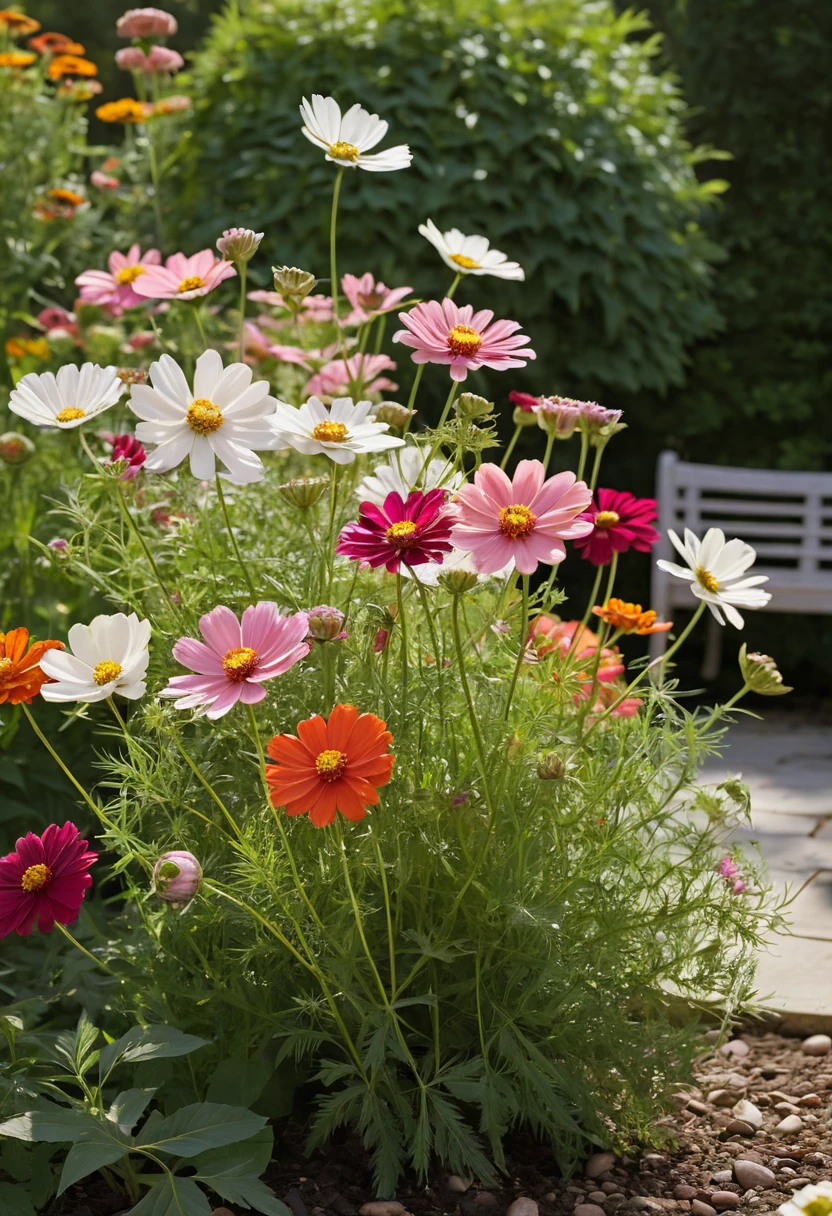
Among the easiest 15+Garden ideas for beginners is a mixed bed of cosmos and zinnias. Both can add abundant color and work well in informal bouquets.
Cosmos provide airy stems and soft, daisy-like flowers, while zinnias contribute stronger shapes and a wide range of colors. Planting several colors together gives you a ready-made palette for summer arrangements.
The RHS specifically lists cosmos and zinnias among annual flowers suitable for regular cutting, while also recommending dahlias as an excellent source of repeated blooms.
6. A Sunflower Backdrop
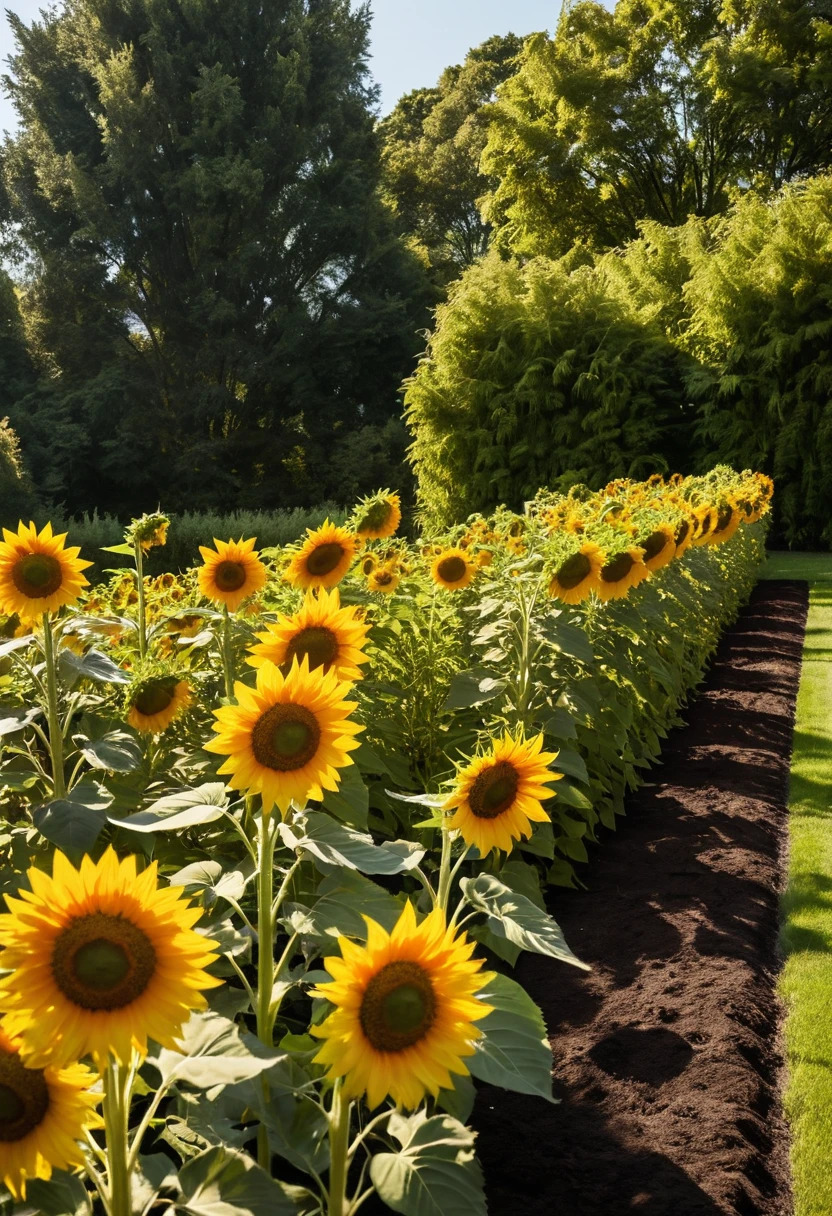
Tall sunflowers can create a dramatic background for a cutting garden. They provide height, strong color, and large flower heads that instantly make bouquets cheerful.
Plant them along the northern or back edge of the garden where possible so they do not shade shorter flowers. If you grow different varieties, consider mixing branching types with single-stem varieties to create different harvesting patterns.
Sunflowers also make a useful seasonal statement even when the rest of the cutting garden is still developing. Their tall stems can help create the feeling of a miniature flower field.
7. Add Filler Flowers for Bouquets
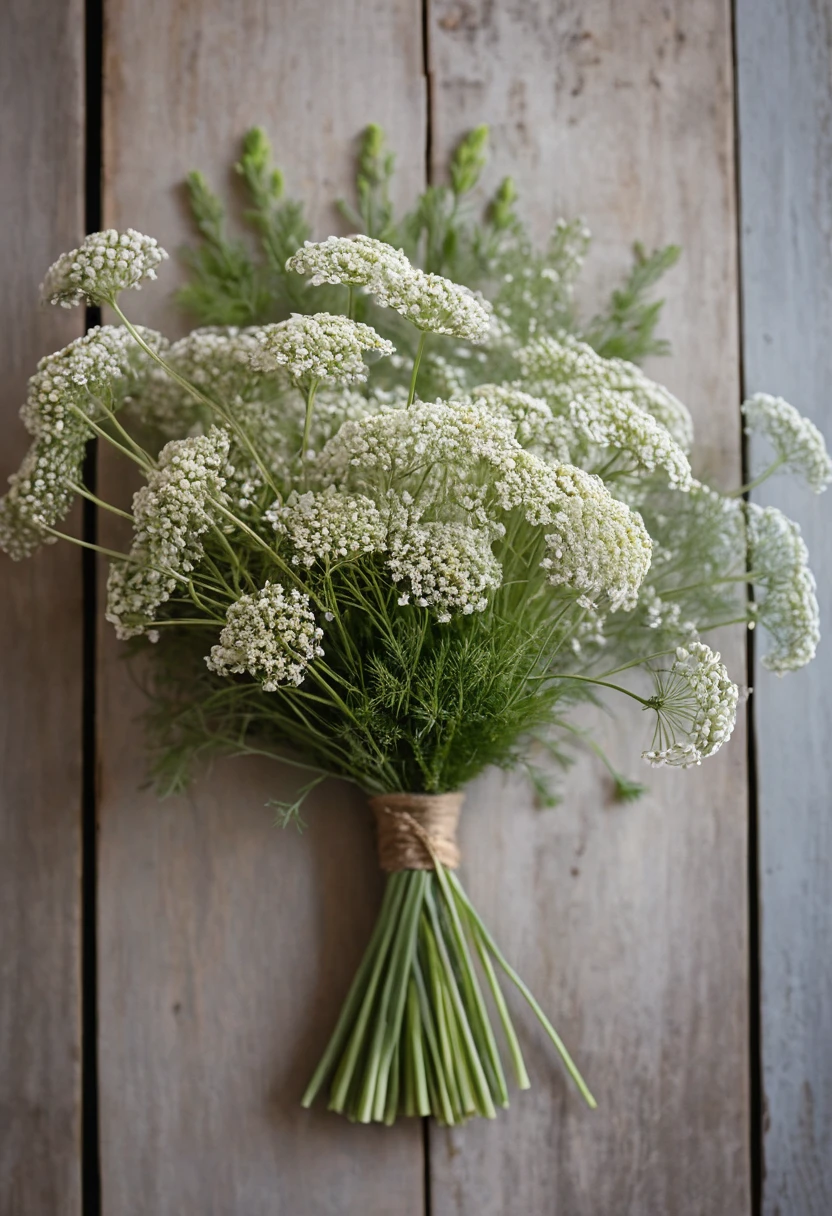
A common mistake is planting only large statement flowers. Bouquets usually look more natural when they include smaller filler flowers and delicate foliage.
Good options include ammi, feverfew, nigella, statice, small asters, and other airy flowers suited to your climate. The University of Vermont recommends including filler and foliage plants when planning mixed-flower arrangements because they provide structure and help complete a bouquet.
One of the most useful 15+Garden ideas is therefore to dedicate a complete row to fillers. This prevents you from having plenty of large flowers but nothing to soften the arrangement.
8. Create a Foliage and Greenery Bed
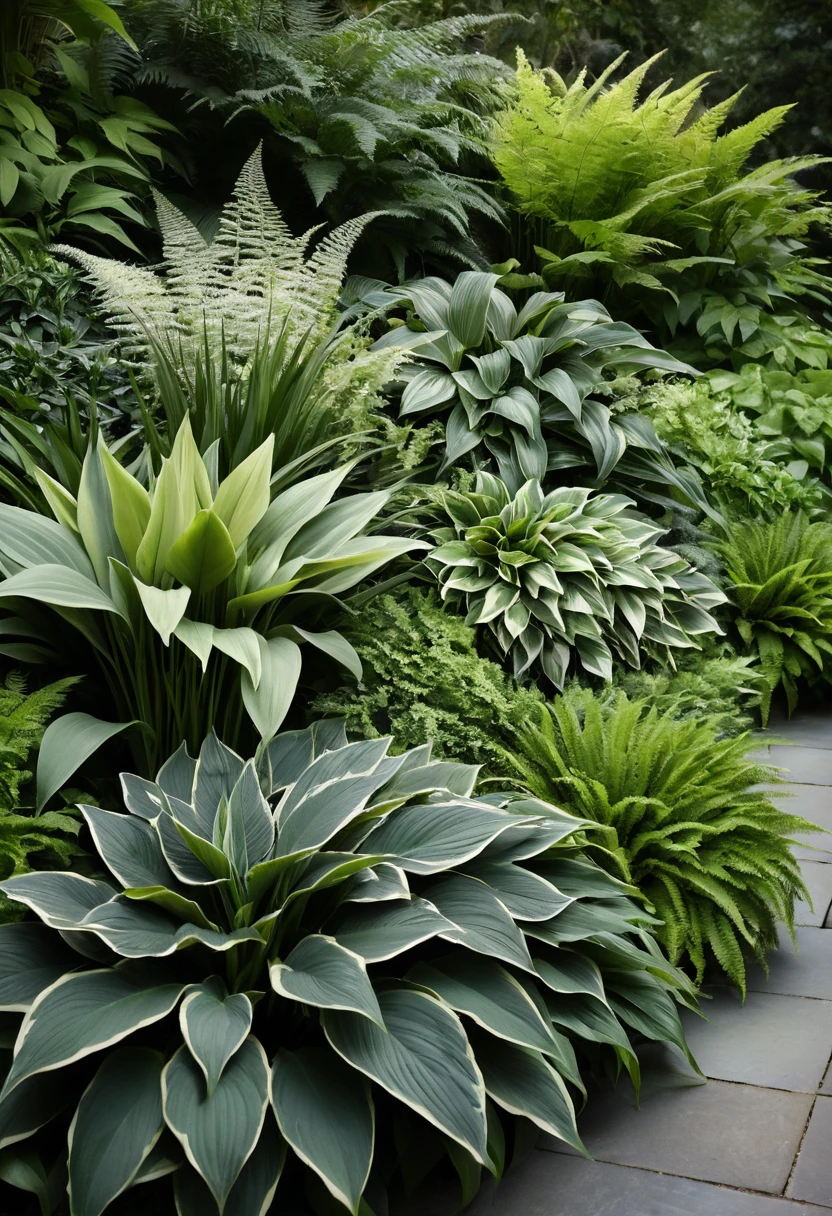
Flowers are only part of a successful bouquet. Foliage can add texture, movement, contrast, and volume without competing with the main blooms.
Consider plants with attractive leaves, stems, seed heads, or aromatic foliage. Some shrubs and perennial plants can also provide useful greenery for arrangements. The RHS points out that shrubs and foliage plants can be valuable additions to a cut-flower garden.
A dedicated greenery section is particularly useful if you make bouquets frequently. Instead of cutting attractive foliage from ornamental plants throughout the garden, you have a planned source specifically for arranging.
9. Design a Cottage-Style Cutting Garden
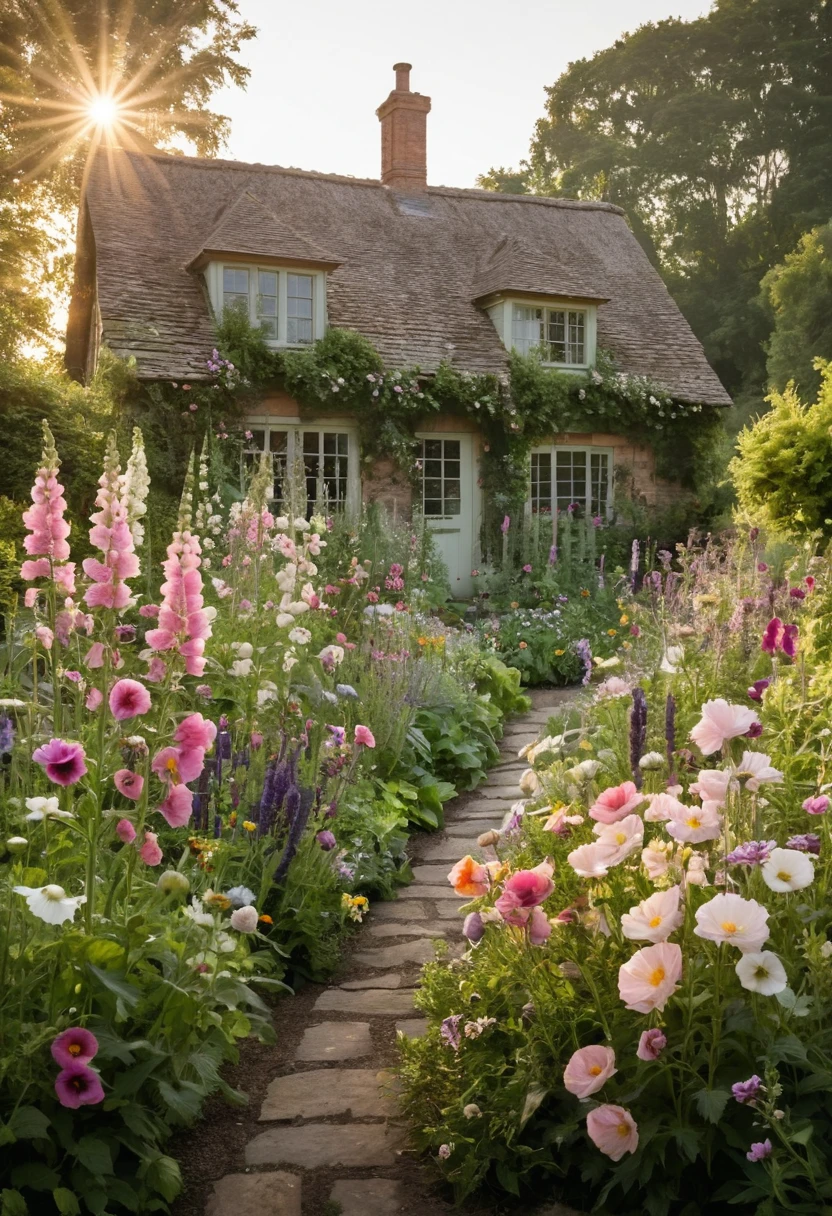
For a softer, romantic look, combine flowers in loose blocks rather than perfectly separated rows. This is one of the prettiest 15+Garden ideas for gardeners who want productivity without sacrificing charm.
Use combinations such as cosmos, roses, lavender, scabiosa, foxglove, calendula, and airy filler flowers where suitable for your growing conditions. Repeat a few colors throughout the space so the planting feels intentional.
A cottage-style cutting garden can still be highly productive. The trick is to maintain clear paths and give each plant enough space for healthy growth and easy harvesting.
10. Try a Four-Section Color Garden
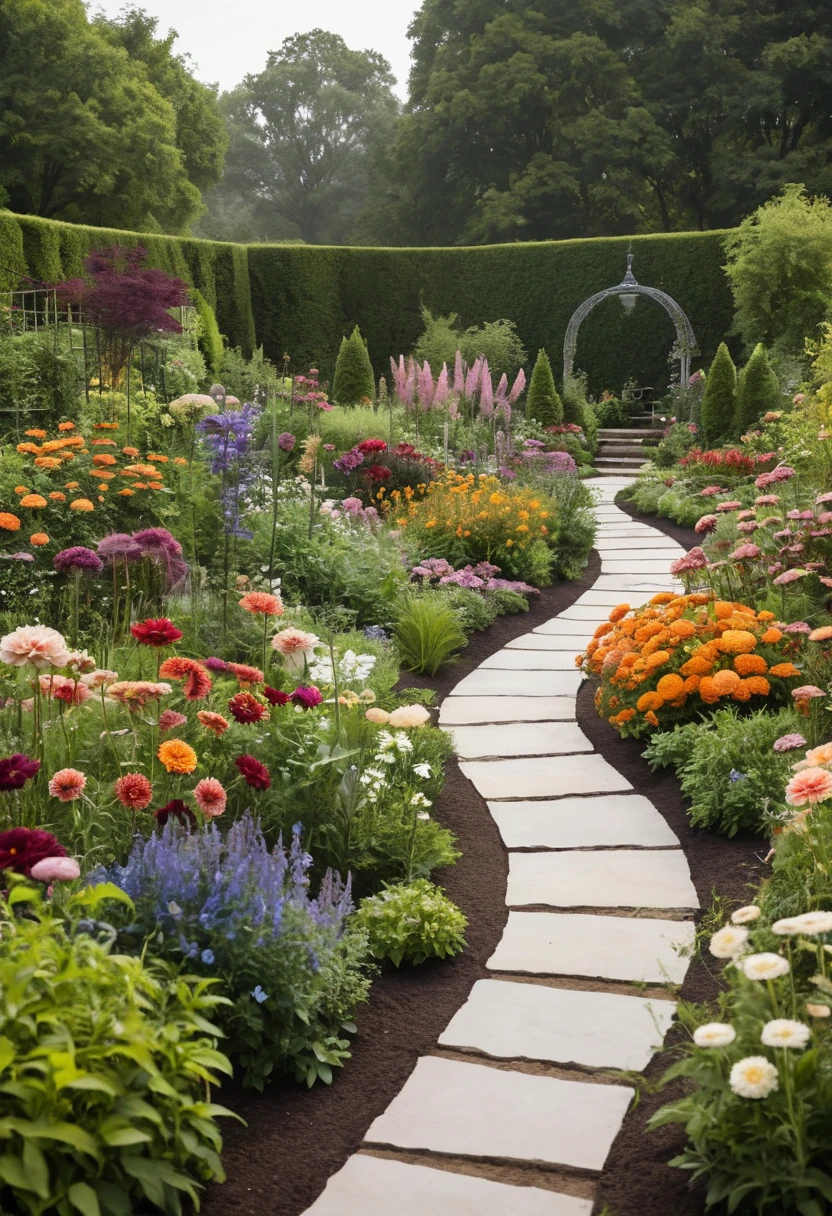
Instead of mixing every color together, divide your cutting area into four color families. For example, create one section for pinks and whites, one for yellows and oranges, one for blues and purples, and one for rich reds.
This makes bouquet planning much easier. You can walk into the garden and immediately gather flowers for a specific color scheme.
These 15+Garden ideas are especially useful if you enjoy arranging flowers for different rooms or occasions. A cool-toned section can create elegant arrangements, while warm colors can produce cheerful summer bouquets.
11. Build a Small Cutting Garden Along a Fence
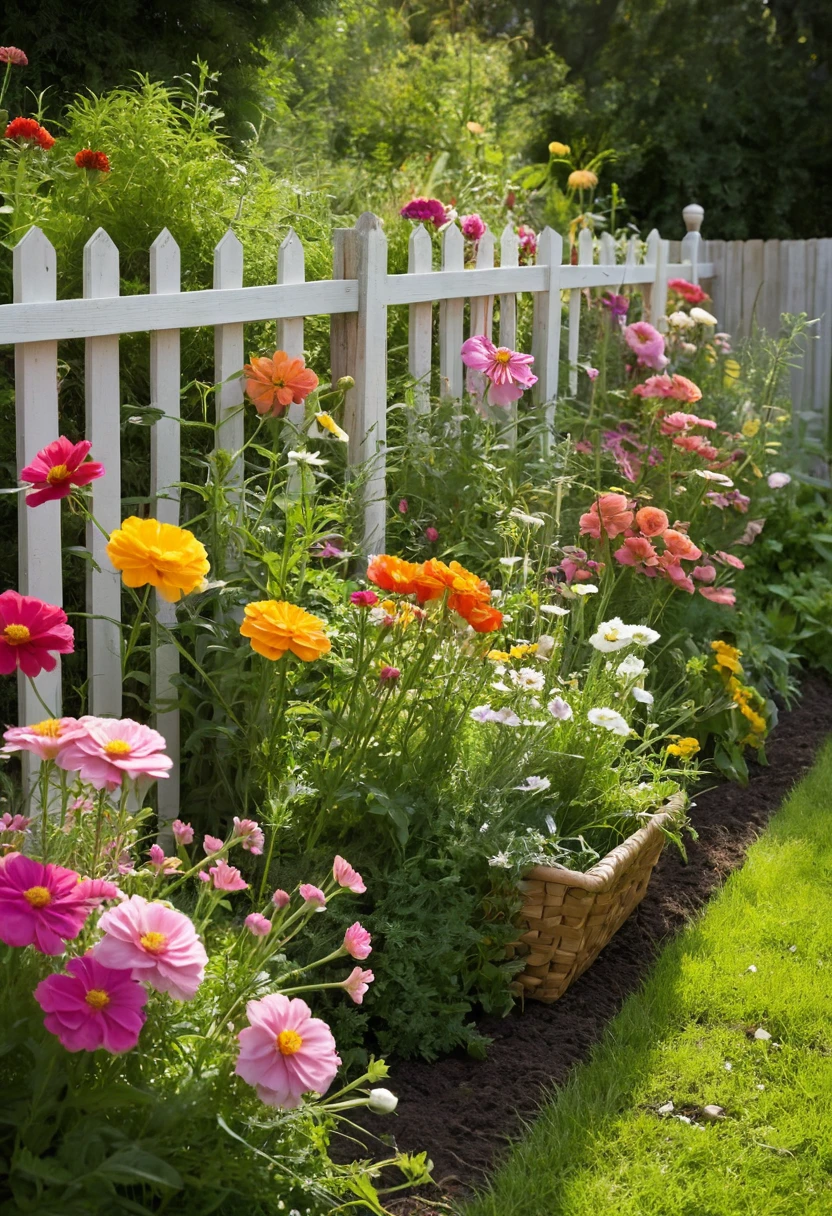
You do not need a huge backyard to grow flowers for cutting. A narrow strip along a sunny fence can become an efficient flower-producing area.
Plant tall varieties toward the fence and shorter flowers toward the front. Add a narrow pathway or stepping stones if the space allows. Vertical supports can be attached to the fence for climbers such as sweet peas.
This layout is one of the best 15+Garden ideas for small gardens because it uses an otherwise underutilized edge while keeping the central yard open.
12. Grow Flowers in Containers
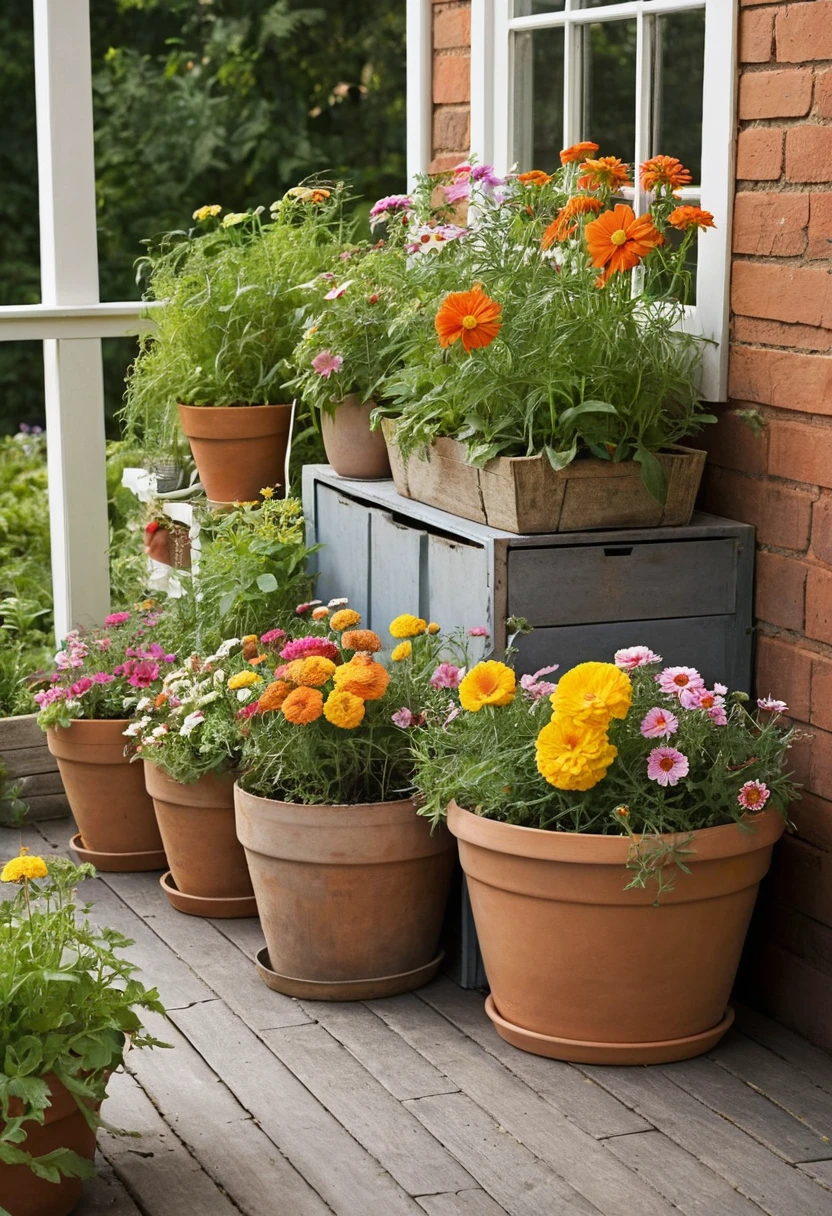
Containers make cutting flowers possible for renters, patio gardeners, and people with limited ground space. Large pots can support flowers such as zinnias, cosmos, compact dahlias, calendula, and other suitable varieties.
Group several containers together instead of scattering them around the patio. This creates the feeling of a miniature cutting garden and makes watering easier.
Choose containers with good drainage and match their size to the mature plants. Tall flowers may require heavier pots or additional support so wind does not cause them to topple.
13. Use Succession Planting for More Flowers
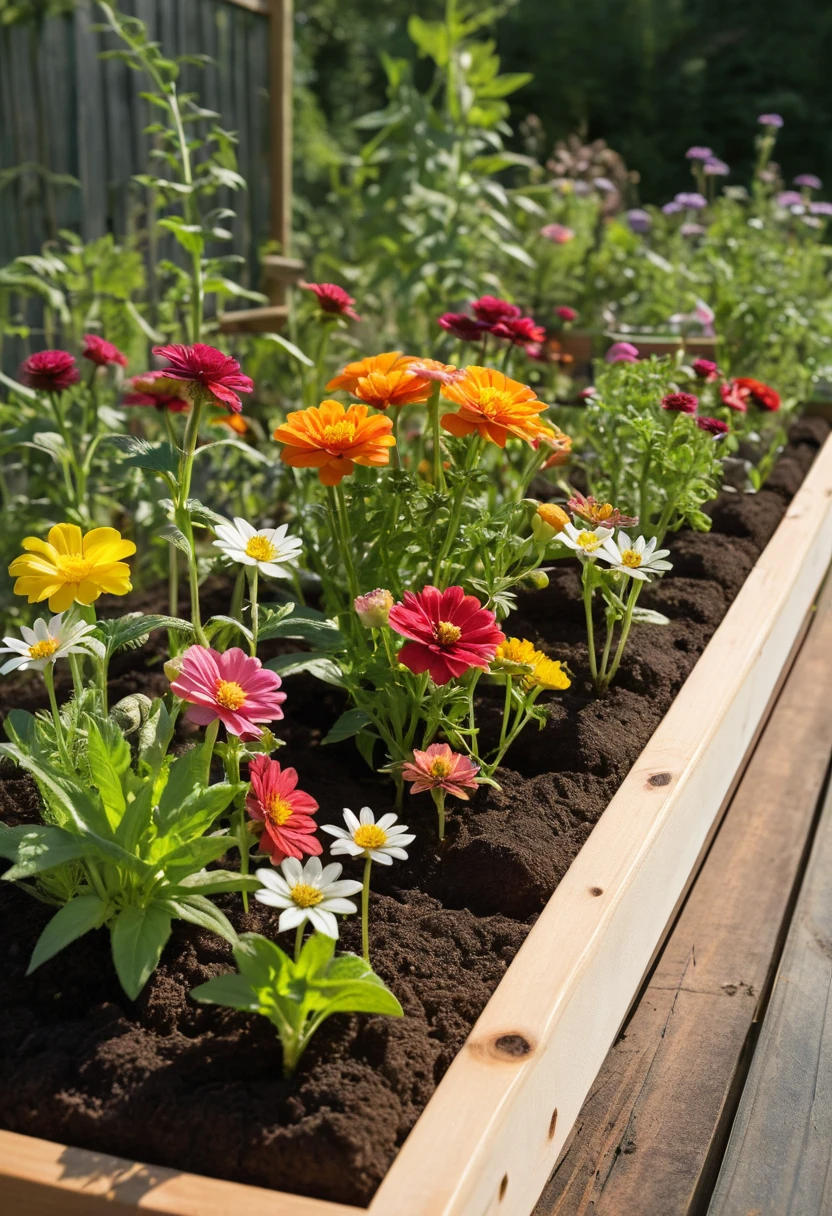
One of the smartest 15+Garden ideas is succession planting. Rather than sowing every seed on one day, plant smaller batches at intervals appropriate to the flower and your climate.
The goal is to avoid having the entire crop flower at once and then finish together. Succession planting can spread production across a longer period, providing a more consistent supply of stems. Extension guidance identifies succession planting as an important technique for extending the cutting season.
For example, instead of planting all your fast-growing annuals at once, stagger several sowings. Keep notes about germination, flowering, and harvest dates so you can improve your schedule next year
FAQs
What are the best flowers for a cutting garden?
Cosmos, zinnias, dahlias, sunflowers, sweet peas, calendula, and suitable perennials are popular choices because many provide useful stems and repeated flowers.
How do I start a cutting garden?
Choose a sunny location, prepare well-drained fertile soil, select flowers with different heights and flowering periods, and plant annuals, perennials, fillers, and foliage for variety.
Can I grow a cutting garden in a small space?
Yes. Raised beds, containers, narrow borders, and fence-side strips can all be used. Focus on productive varieties and use vertical supports where possible.
How often should I cut flowers from a cutting garden?
Many productive annuals can be harvested regularly throughout their flowering period. Frequent picking can encourage additional blooms, although slower-growing plants should be harvested more lightly.
What time of day is best for cutting flowers?
Early morning is generally ideal because plants are well hydrated. Place freshly cut stems into water as quickly as possible after harvesting.
Conclusion
A successful cutting garden is about more than filling a flower bed with pretty blooms. The best 15+Garden ideas combine productive flowers, useful foliage, fillers, thoughtful spacing, succession planting, and convenient access so the garden can supply fresh stems throughout the season. Whether you choose a few containers, a raised bed, or a full flower-farm-style layout, careful planning can turn even a modest space into a reliable source of bouquets.
Start with a manageable selection of flowers and expand as you learn what grows well in your climate. Plant varieties with different heights, shapes, colors, and flowering periods, harvest them at the right stage, and keep picking regularly. With these 15+Garden ideas, your backyard can become both a beautiful garden and your own personal source of fresh flowers.

