
Here’s the frustrating truth about tropical houseplants: you can nail the watering schedule, find the perfect light spot, and still watch the leaf tips turn brown and crispy anyway. Nine times out of ten, the missing piece isn’t water or light at all it’s humidity, and it’s the one factor most plant owners never think to measure.
Most tropical houseplants originate from rainforest environments with humidity levels between 60% and 90%. The average home, especially once heating or air conditioning kicks in, often sits somewhere between 20% and 40%. That gap is exactly what’s stressing your monstera, calathea, or fern and the twelve tips below close it.
Stick around for tip #4 there’s an important nuance about a popular humidity trick that most articles get slightly wrong.
Save this guide now you’ll want it most during the driest stretch of winter, when the gap between what your plants need and what your home provides is at its widest.
1. Measure Your Actual Humidity Before Changing Anything
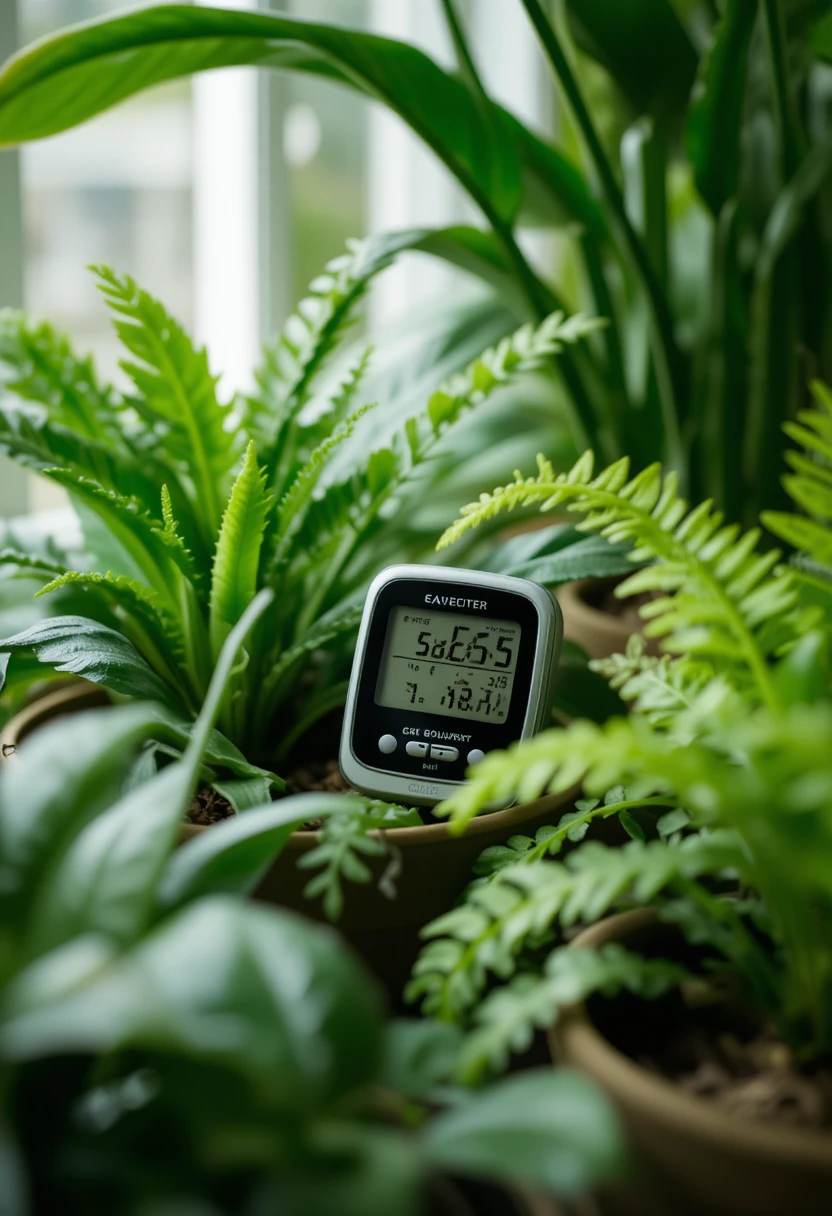
Before buying a single humidifier or pebble tray, find out what you’re actually working with. A hygrometer an inexpensive device that measures moisture in the air tells you your real baseline instead of leaving you guessing.
Here’s the thing: many hygrometers double as thermometers, so one small device gives you both numbers that matter most for tropical plant health.
Quick tip to save: check humidity near the plants themselves, not just in the middle of the room levels can vary noticeably close to a window or heating vent versus a few feet away.
2. Know the Target Range for Your Specific Plants
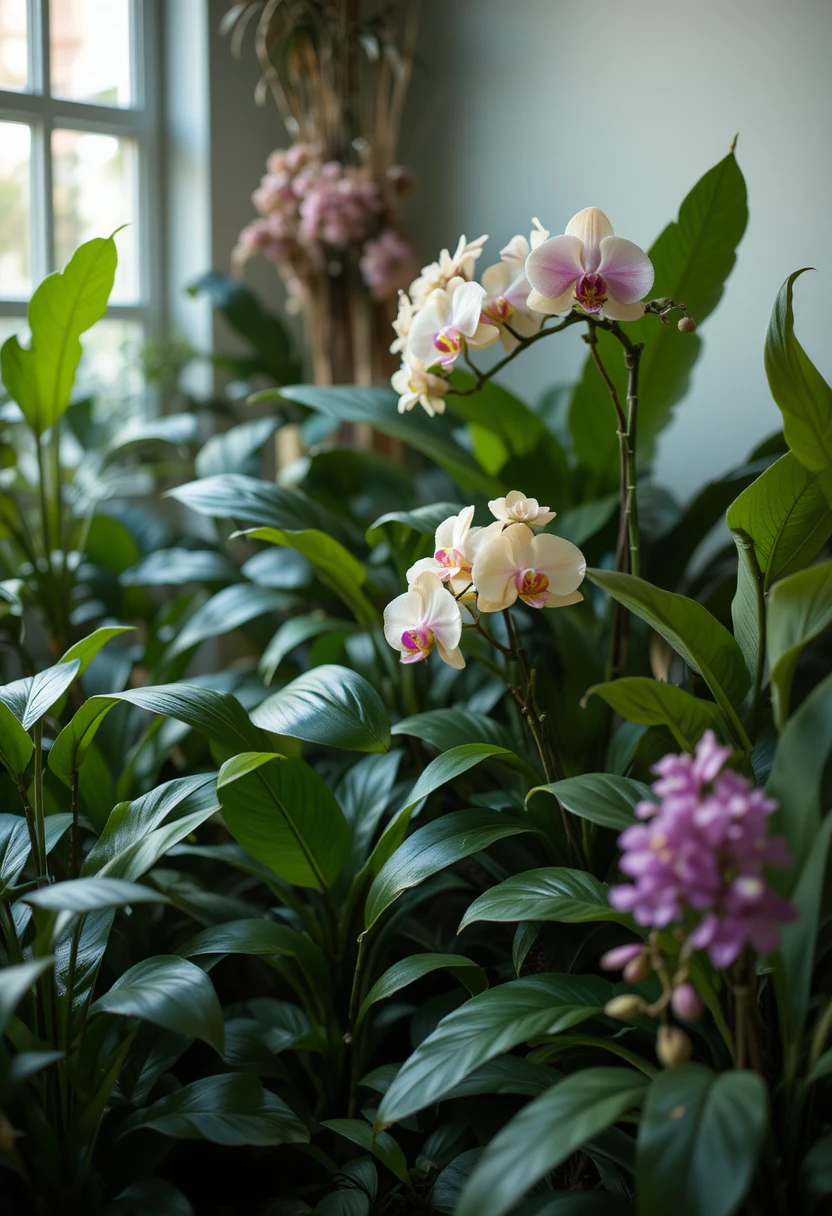
Not every tropical plant needs the same humidity level, and aiming for a single number across your whole collection can mean over- or under-shooting for individual plants.
A general guide:
- Most common tropical houseplants thrive in the 50-60% range
- Rainforest natives like calathea, ferns, and orchids often prefer 60-80%
- Thicker-leaved tropicals like sansevieria or pothos tolerate lower humidity far better than delicate-leaved varieties
So what does this mean for you? Group plants with similar humidity needs together rather than treating your entire collection as one uniform group.
3. Invest in a Humidifier for the Most Reliable Results
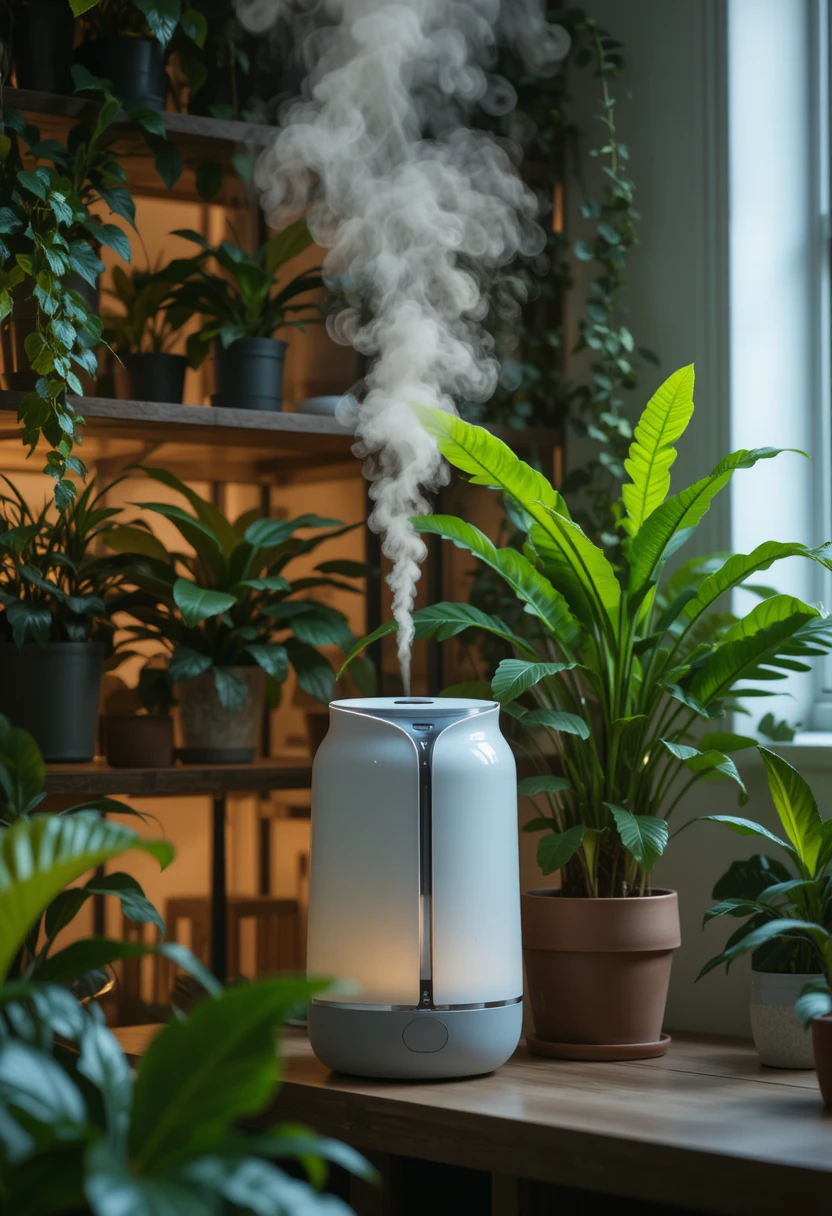
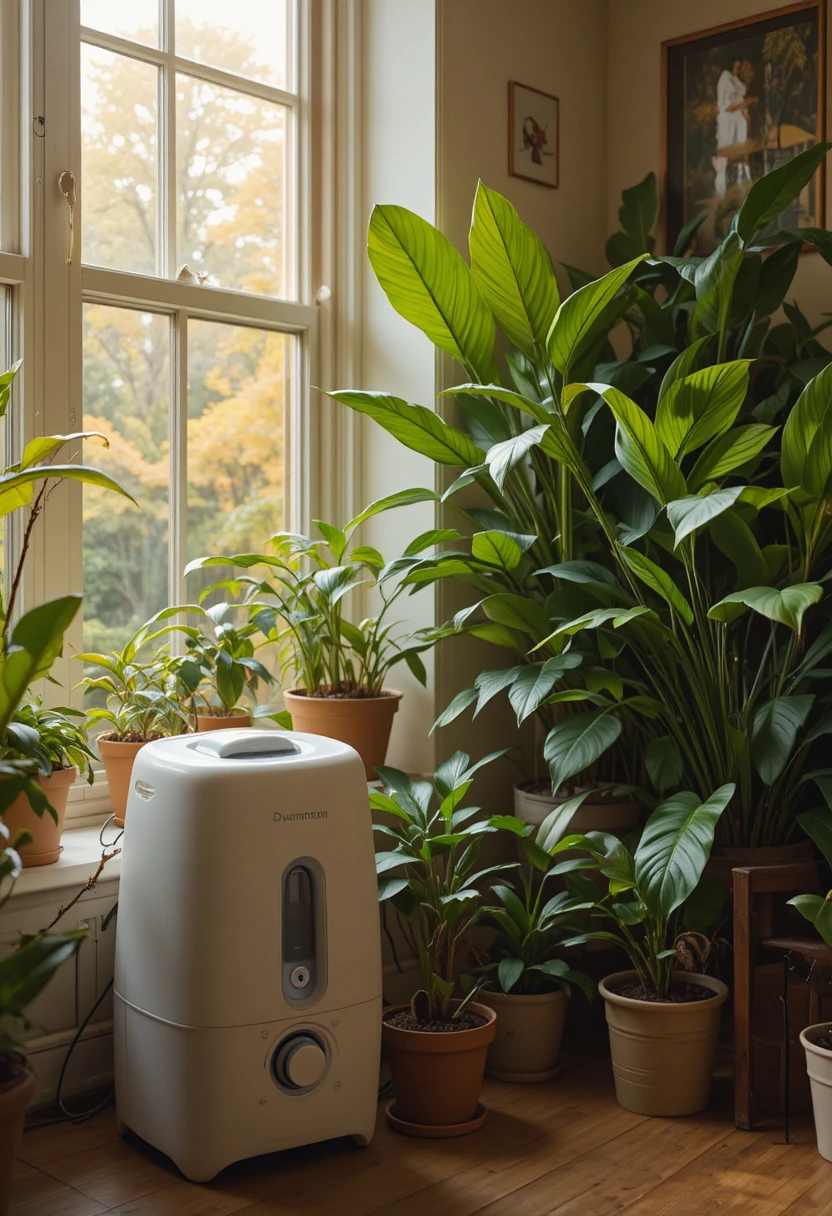
Of every method on this list, a dedicated humidifier is consistently the most reliable and lowest-maintenance long-term solution. Cool-mist humidifiers are generally the safer choice, since they won’t damage foliage or encourage fungal growth the way some other methods can.
Quick tip to save: place the humidifier near, but not directly aimed at, your plants direct, constant moisture on leaves can invite its own problems even while solving the dry-air issue.
Image idea: a vertical shot of a cool-mist humidifier surrounded by a cluster of lush tropical houseplants a strong, aspirational Pinterest image.
4. Understand the Real Limits of Pebble Trays and Misting (The Nuance Most Guides Skip)
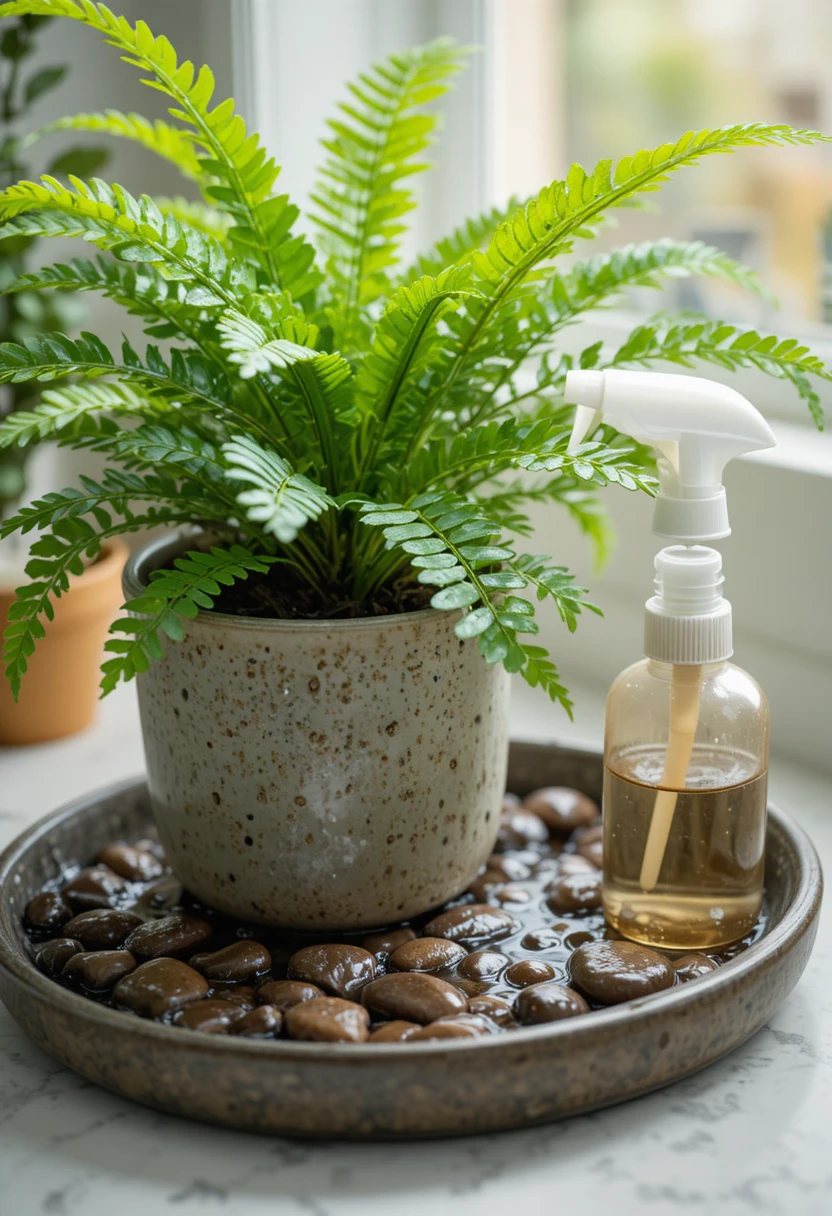
Pebble trays and misting are the two most commonly recommended humidity tricks and they do help, but not nearly as dramatically as a humidifier does. Both create a small, localized boost in moisture immediately around the plant rather than meaningfully raising humidity in the surrounding air overall.
Here’s the thing: that doesn’t mean skip them entirely. They’re genuinely useful as a low-cost supplement, especially for plants with modest humidity needs just don’t expect a pebble tray alone to rescue a struggling calathea in a bone-dry room.
Quick recap you can save:
- Pebble trays: fill a tray with gravel or clay pebbles, add water below the pot’s base (not touching the pot directly), and let evaporation do modest, localized work
- Misting: a light supplement a few times a week, never a replacement for addressing the room’s overall humidity
Read Also: 12+ Repotting Houseplants Step-by-Step Ideas for Happier, Healthier Plants
5. Group Humidity-Loving Plants Together
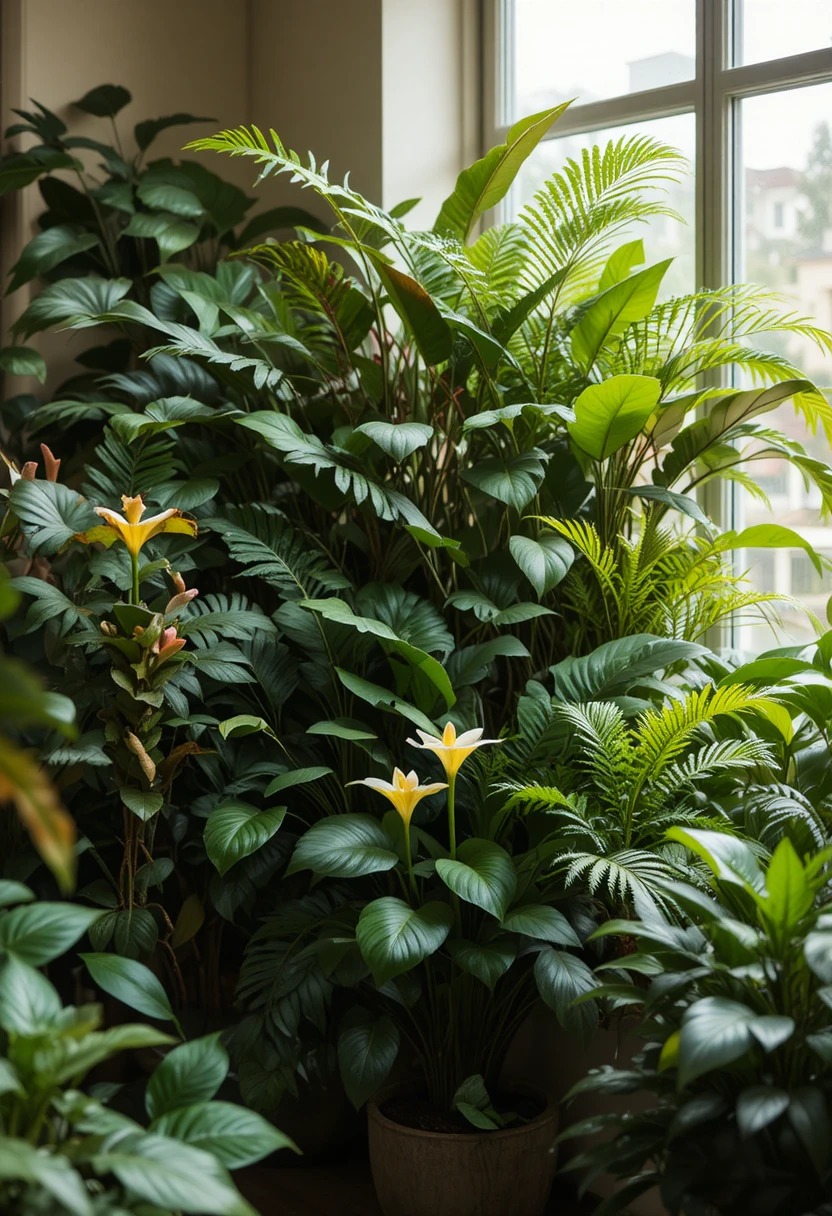
Plants naturally release moisture through their leaves in a process called transpiration. When several plants are clustered together, they create a small, shared microclimate that’s measurably more humid than the surrounding room air.
Here’s the payoff: this costs nothing beyond rearranging what you already own, and it’s one of the simplest ways to boost humidity for a whole group of plants at once rather than treating each one individually.
6. Keep Plants a Safe Distance From Heat Sources
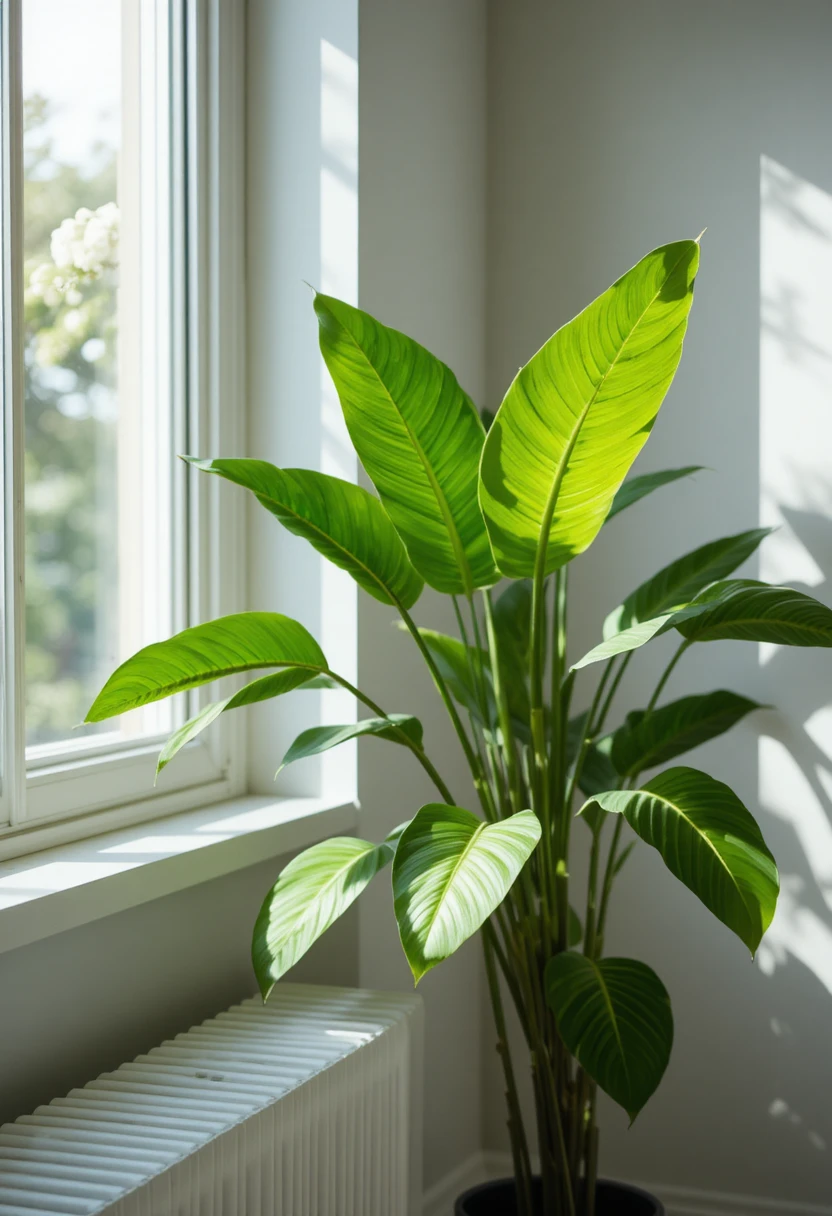
Heating vents, radiators, and fireplaces don’t just warm a room they actively strip moisture from the air immediately around them, right where a nearby plant would otherwise be trying to hold onto what humidity it can.
Quick tip to save: aim to keep tropical plants at least a few feet away from any direct heat source, and be especially mindful of hanging plants, since warm air naturally rises and can concentrate dryness higher in a room.
7. Choose Naturally Humid Rooms for Your Neediest Plants
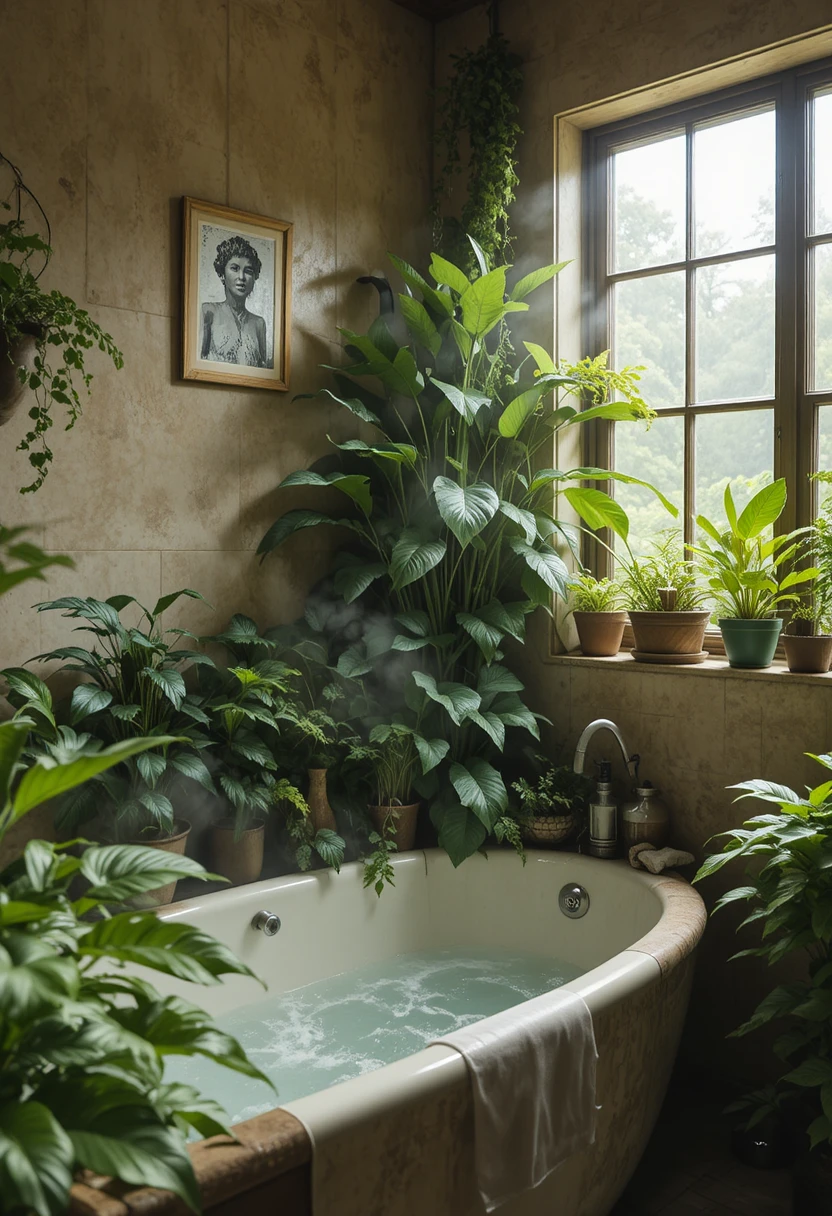
Bathrooms and kitchens tend to run more humid than the rest of the house, thanks to showers, boiling water, and general steam from daily use. If a room has a window offering enough light, it can be a genuinely better home for your most humidity-sensitive tropicals than a dry, sunny living room.
So what does this mean for you? Before investing in equipment, consider whether simply relocating a struggling fern or orchid to your bathroom windowsill solves most of the problem for free.
8. Use a Mini Greenhouse or Cloche for Especially Sensitive Plants
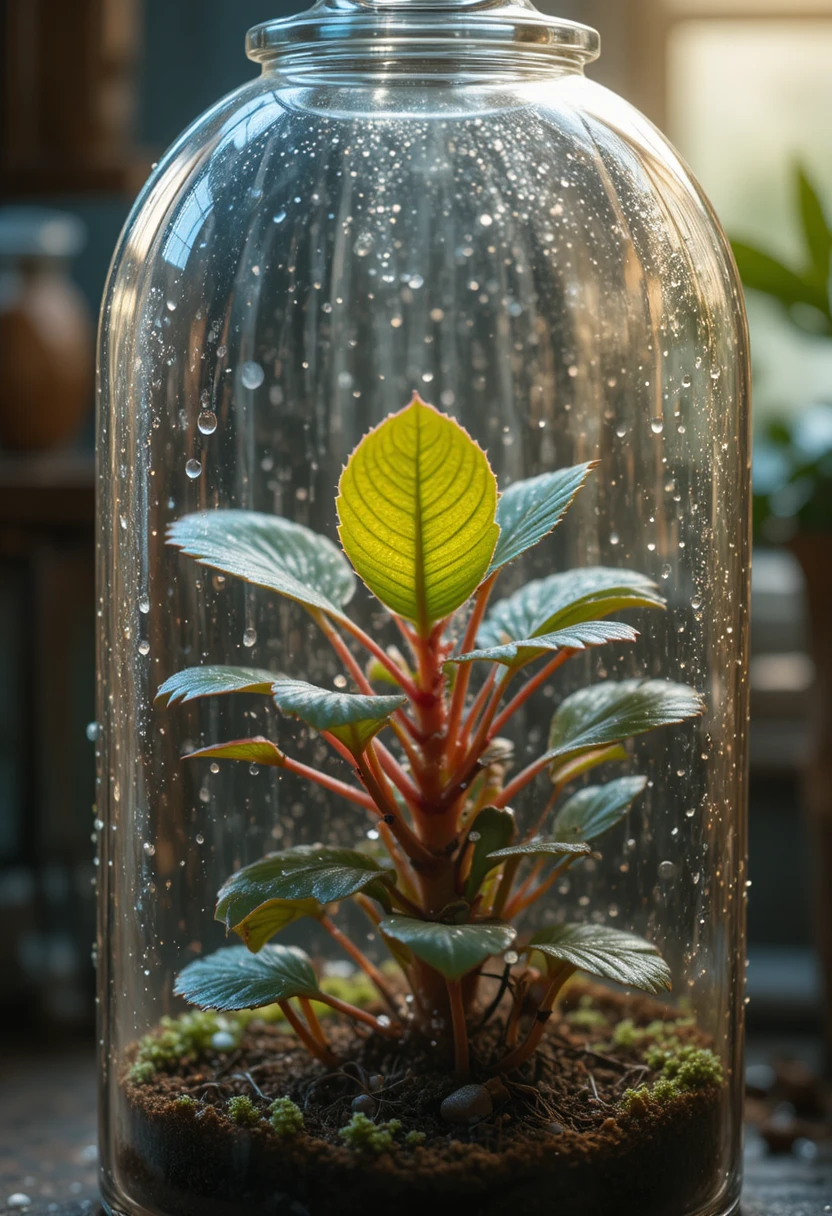
For tropical plants that need consistently high humidity — well above what’s comfortable for the humans living in the same room a small greenhouse cabinet or a simple glass cloche placed over the plant creates a sealed, humid microenvironment without affecting the rest of the room at all.
Here’s the thing: this approach solves the tension between what a rainforest native wants (70-90% humidity) and what’s realistic or comfortable for an entire living space to maintain.
Image idea: a vertical shot of a glass cloche or small greenhouse cabinet housing a humidity-loving tropical plant a distinctive, save-worthy setup idea.
9. Don’t Chase High Humidity at the Expense of Airflow
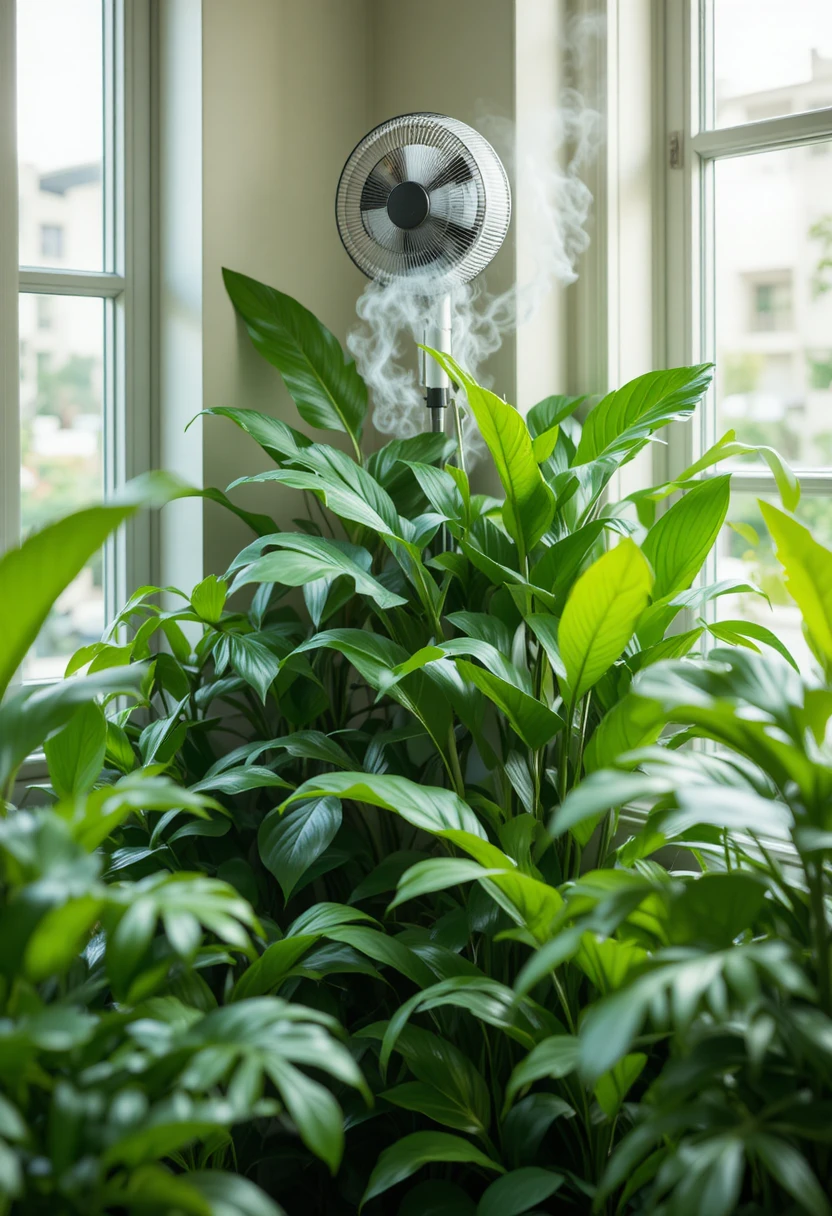
It’s tempting to think more humidity is always better, but stagnant, overly damp air without adequate air circulation invites its own set of problems fungal issues, mold, and conditions that encourage root rot rather than preventing plant stress.
Quick tip to save: a small fan set to low, positioned to circulate air gently around your plant grouping rather than blast directly on them, helps maintain healthy humidity without creating a stagnant, disease-prone environment.
10. Watch for the Early Warning Signs Before Damage Sets In
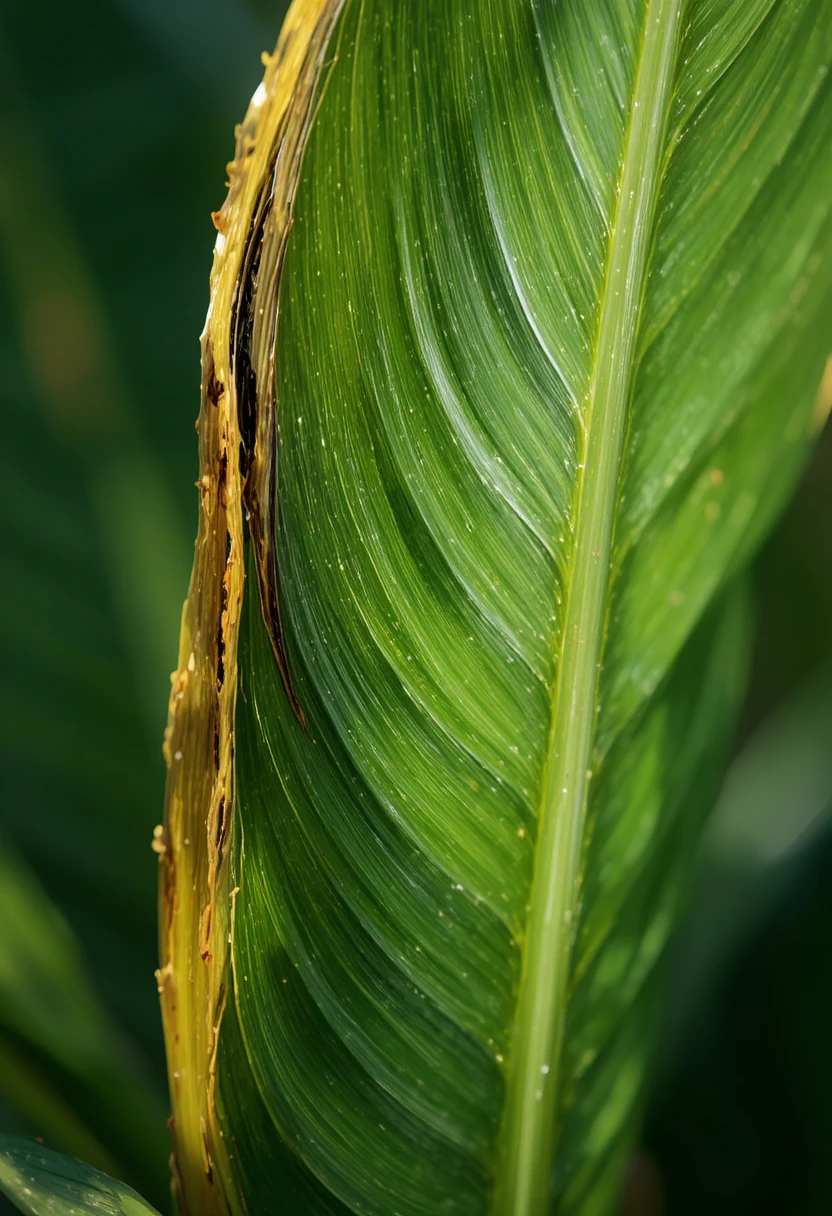
Rather than waiting for obvious crispy brown edges, learn to catch the earlier, subtler signals that humidity is running too low: dull-looking leaves, slowed growth, and mild leaf curling often show up before more dramatic damage does.
Quick recap you can save:
- Early signs: slowed growth, dull foliage, slight curling
- Later signs: brown, crispy leaf tips and edges, wilting, leaf drop
- Bonus red flag: spider mites often move in specifically because dry air favors them, so a sudden mite problem can itself be a humidity signal
11. Choose More Forgiving Tropicals If Raising Humidity Isn’t Realistic
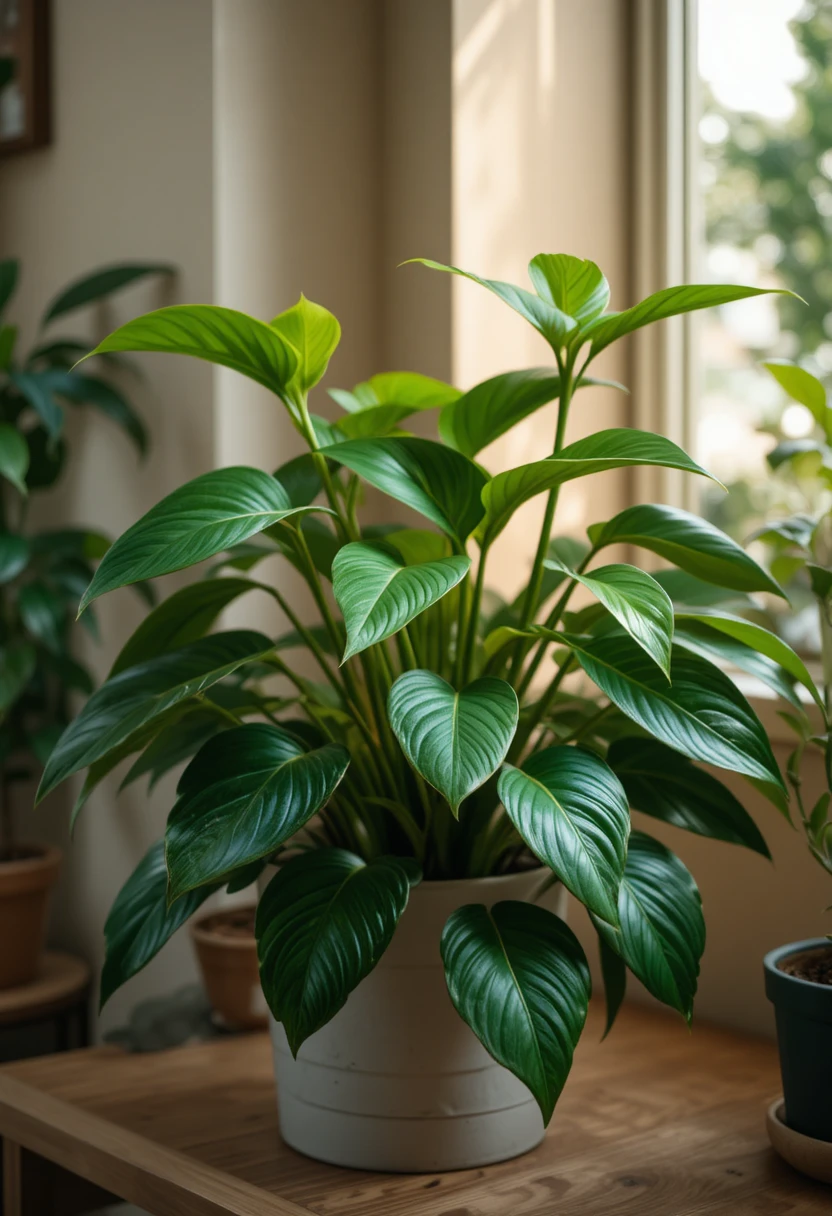
If your living situation genuinely doesn’t allow for humidifiers, grouped plant corners, or bathroom relocations, it’s worth being honest about that constraint and choosing tropical plants accordingly, rather than fighting an uphill battle indefinitely.
More humidity-tolerant tropical options: pothos, sansevieria, and philodendron are all considerably more forgiving of average indoor humidity than delicate rainforest natives like calathea or maidenhair fern.
12. Reassess Your Approach Seasonally, Not Just Once
Humidity needs aren’t a “set it and forget it” situation. Indoor air can drop as low as 15% during the coldest winter months when heating systems run constantly, while the same room might sit at a perfectly comfortable level for your plants in spring or summer with windows open.
Here’s the payoff: checking your hygrometer readings at the start of each season, rather than assuming last year’s setup is still adequate, means you catch the drop before your plants start showing stress from it.
Frequently Asked Questions
What humidity level do most tropical houseplants need?
Most common tropical houseplants do well in the 50-60% humidity range, though rainforest natives like calathea, ferns, and orchids often prefer levels closer to 60-80%.
Do misting and pebble trays actually raise humidity for houseplants?
They provide a modest, localized humidity boost immediately around the plant, but they’re far less effective than a humidifier at meaningfully raising humidity in the surrounding air, especially in very dry rooms.
How do I know if my houseplant needs more humidity?
Early signs include dull-looking leaves and slowed growth, while more advanced signs include brown, crispy leaf tips and edges, wilting, and leaf drop spider mite problems can also signal that the air is too dry.
Can too much humidity harm houseplants?
Yes — very high humidity without adequate air circulation can encourage mold, fungal issues, and conditions that favor root rot, so airflow matters just as much as the humidity level itself.
Bringing It All Together
Humidity is the quiet variable behind a surprising number of houseplant problems that get blamed on watering or light instead. Start by actually measuring what you’re working with, invest in a humidifier if you’re serious about rainforest natives, and use grouping, placement, and airflow to round out the rest.
You don’t need to turn your whole home into a greenhouse. A few targeted changes around the plants that need it most will solve the majority of the crispy-leaf, dull-growth problems that dry indoor air causes.
Pin this guide so you can check back through it each time the seasons shift and your indoor air changes along with them.