
Here’s something most fall cleanup guides don’t tell you upfront: a little effort now saves an entire exhausting weekend in spring. Skip fall cleanup, and you’re not just leaving your yard messy you’re leaving diseased leaves, pest eggs, and neglected tools to become spring’s problem instead of fall’s.
The twelve items below cover everything that actually matters before winter sets in including one idea near the end that goes against traditional “clean everything” advice, and that a lot of experienced gardeners now do on purpose.
Save this checklist before the first hard frost hits — several of these tasks are timing-sensitive.
1. Walk the Garden and Take Notes Before You Touch Anything
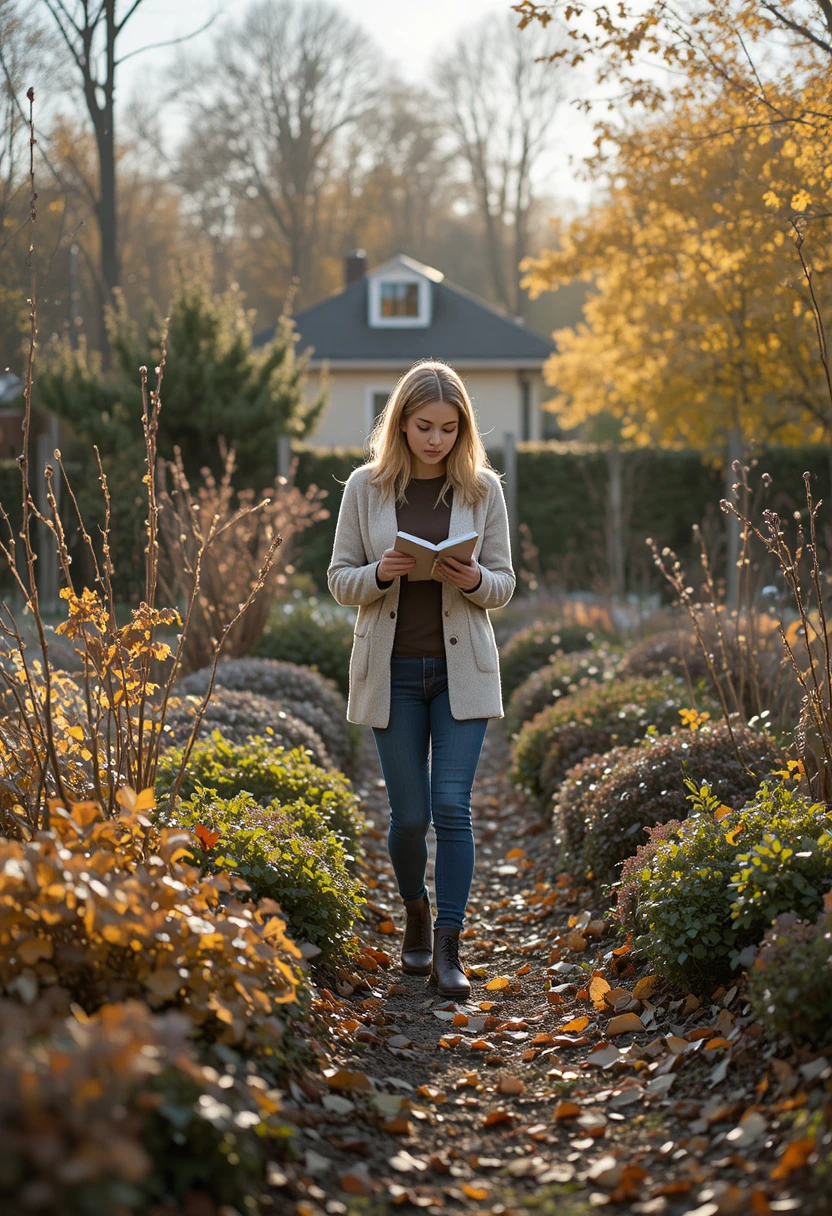
Before pulling a single plant, spend a few minutes walking through your garden and noting what worked and what didn’t. Which areas got too much shade? Which plants struggled with pests? This quick evaluation is the foundation for smarter decisions next spring and it costs nothing but a little attention.
Quick tip to save: snap a few photos of where everything was planted. Come spring, you’ll thank yourself for remembering exactly what went where for crop rotation or bed redesign.
2. Remove Large Debris First
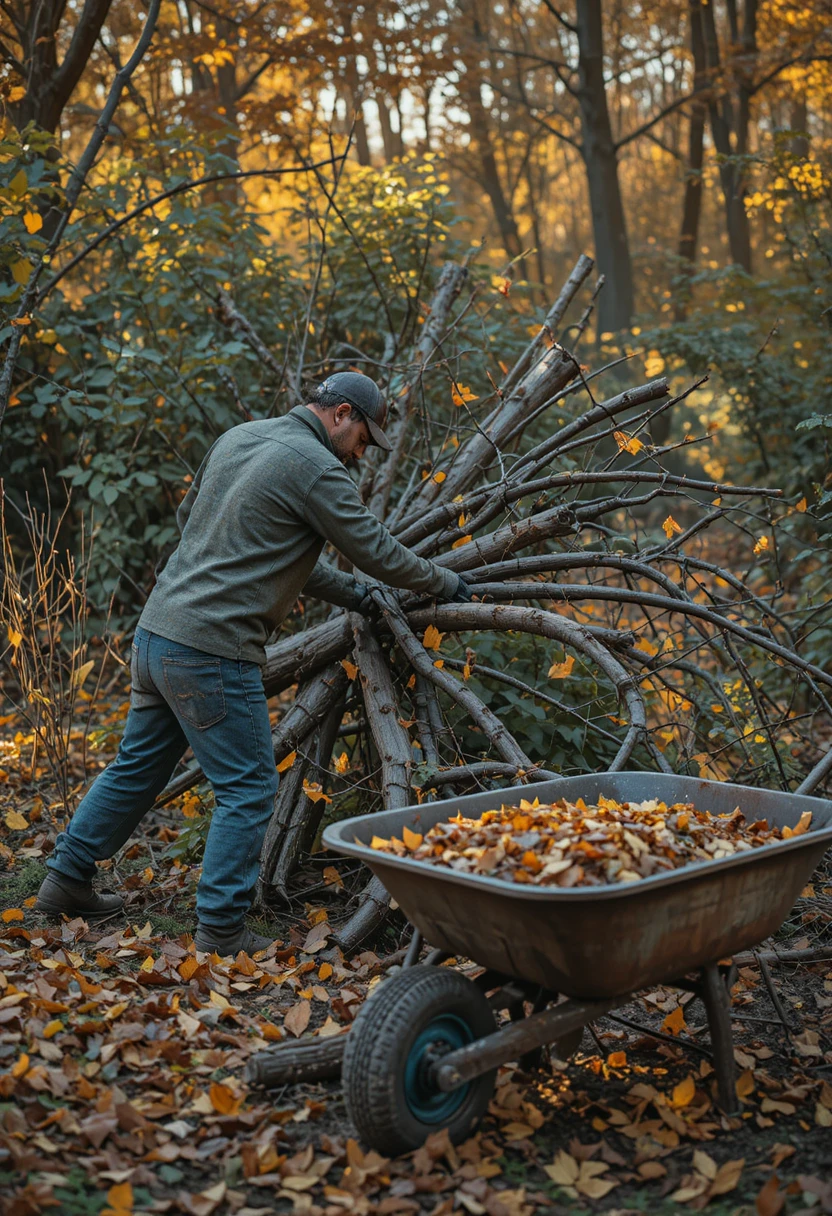
Start your physical cleanup with the big stuff sticks, stones, and anything that could damage a mower or get in your way during future gardening. This is the task that makes every step after it faster and safer.
Here’s the thing: clearing large debris first prevents the frustrating cycle of raking leaves around obstacles you should have removed before you started.
3. Pull Spent Annuals
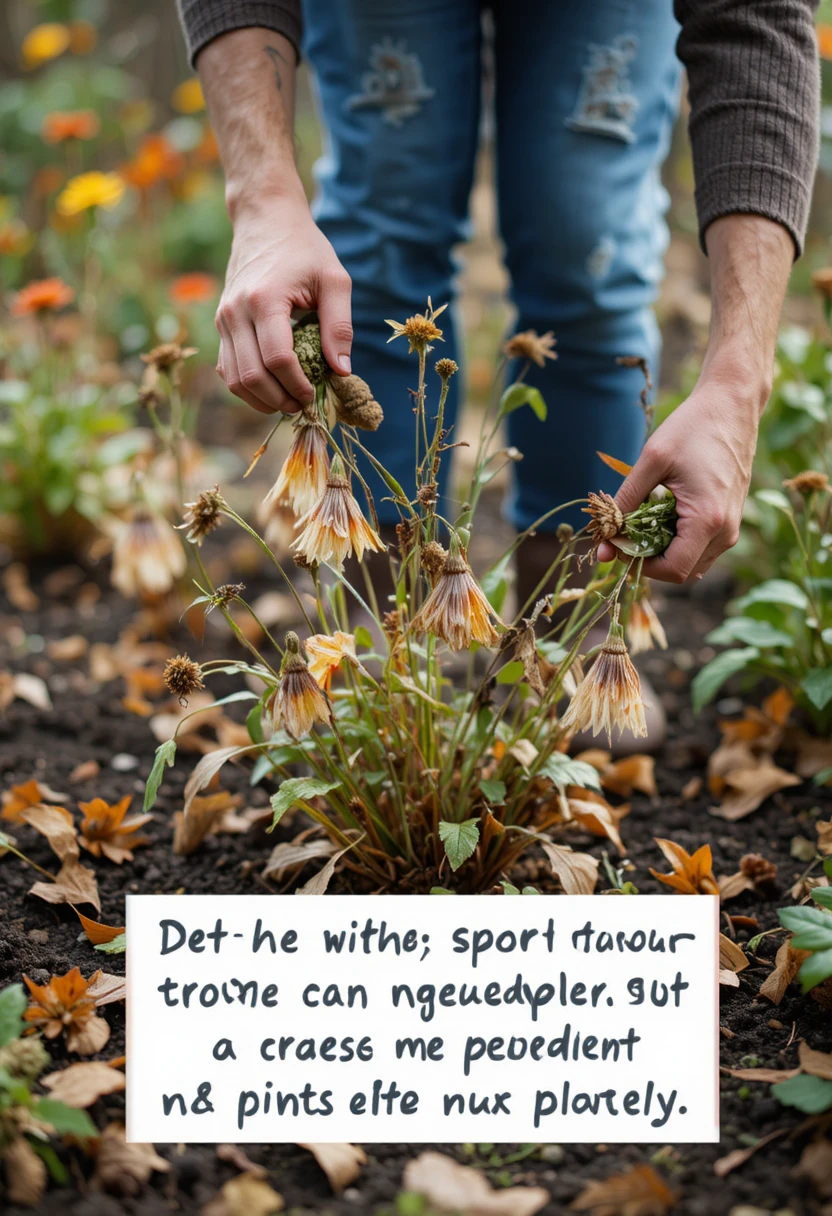
Annuals like petunias and marigolds won’t survive winter regardless of what you do, so this is the time to clear them out. Add the healthy ones to your compost pile; anything that looks diseased goes in the trash instead.
Quick recap you can save:
- Healthy annual debris → compost pile
- Diseased or pest-infested debris → trash, never compost
- In warmer zones, this is also your window to swap in cool-season annuals like pansies or flowering kale
4. Remove Dead and Diseased Plant Material
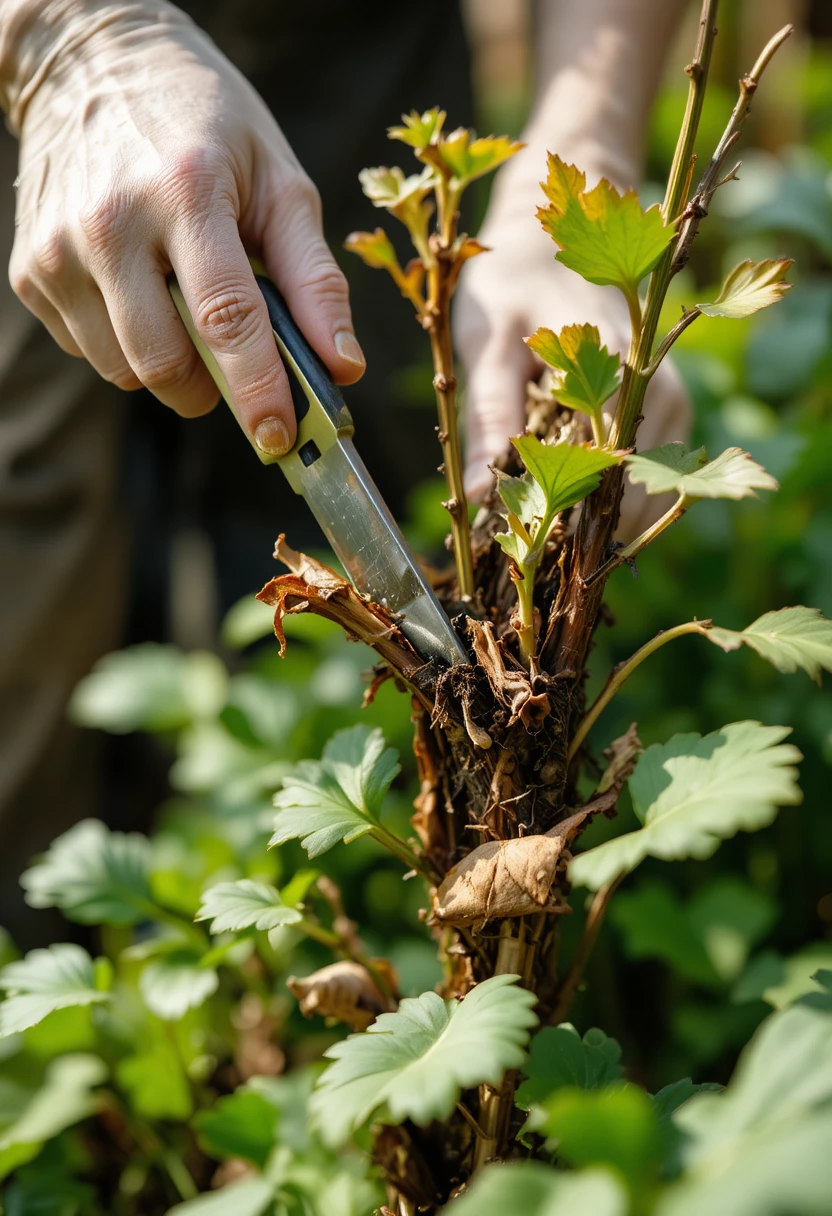
This is the single most important disease-prevention task on the entire checklist. Dead plants and fallen fruit left sitting in beds invite exactly the pests and diseases you don’t want carrying over into next year’s garden.
But there’s a catch: diseased material must go in the trash, never the compost bin home compost piles typically don’t get hot enough to reliably kill off plant pathogens, so composting infected material just spreads the problem right back into your soil.
Image idea: a vertical before-and-after shot of a bed cleared of dead foliage and debris a genuinely satisfying comparison image for Pinterest.
Read Also: 12 Spring Flower Bulbs to Plant This Fall for a Garden That Blooms for Months
5. Cut Down Finished Vegetable Plants at Ground Level
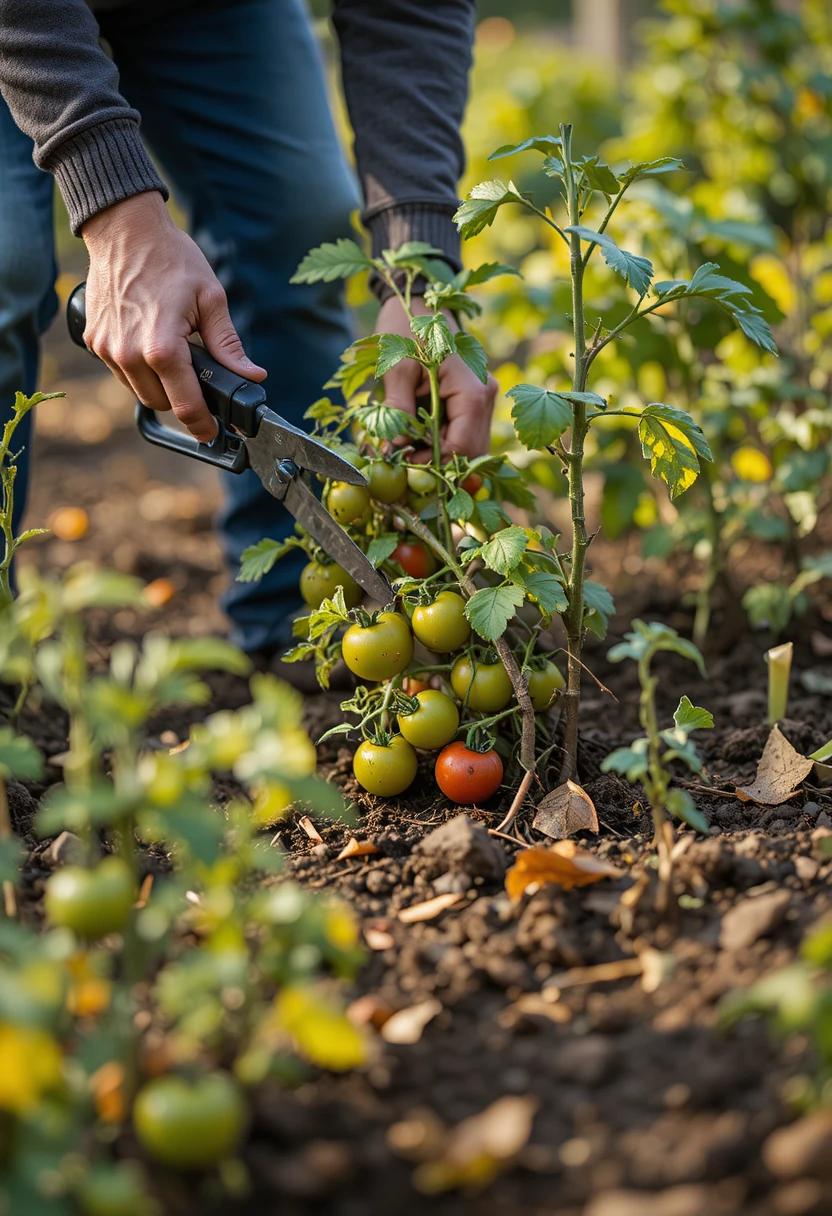
For anything in a vegetable garden that’s done producing, cut plants off at ground level rather than pulling them entirely. Beans and peas, in particular, fix nitrogen in their roots leaving those roots in place feeds next year’s soil instead of wasting that benefit.
So what does this mean for you? A small change in technique (cut instead of pull) that turns this year’s spent crop into a quiet nutrient boost for whatever you plant there next.
6. Dig Up and Store Tender Bulbs
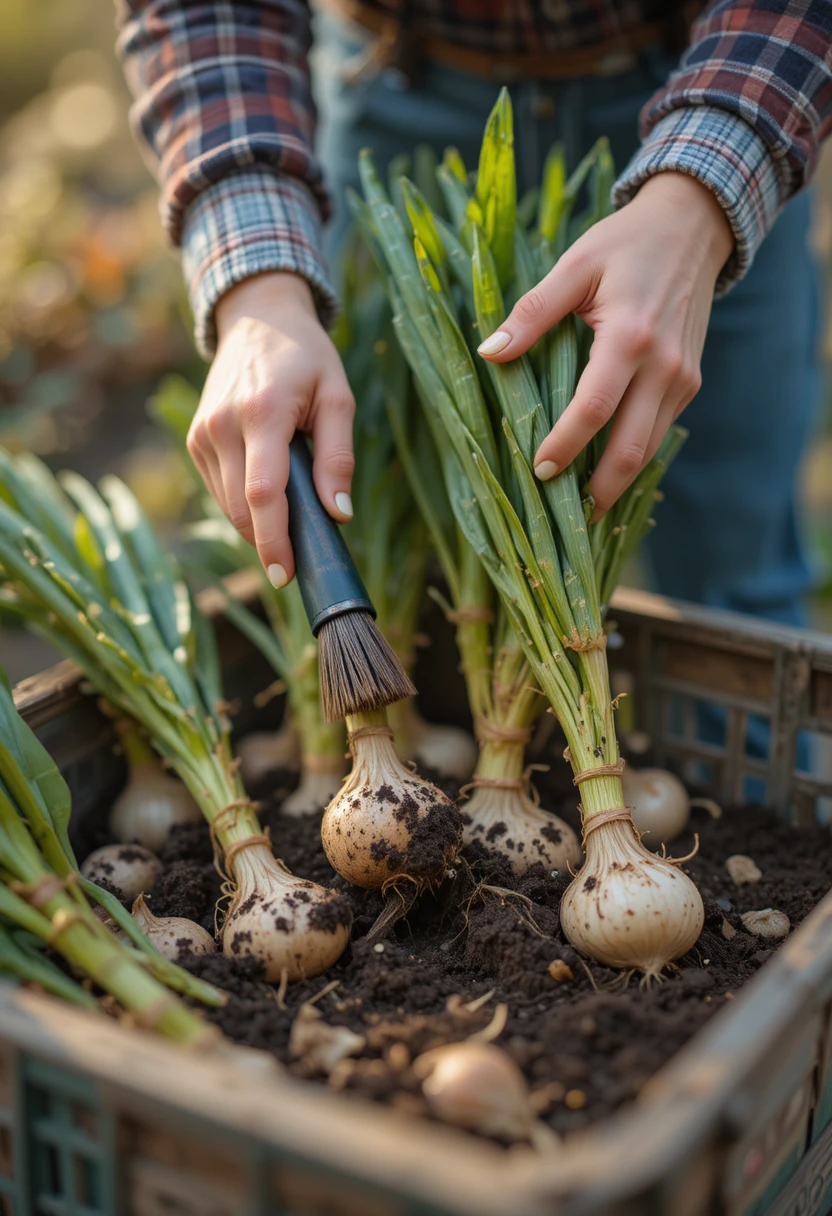
Summer-blooming bulbs like dahlias and gladiolus won’t survive a hard freeze in the ground in most climates. Dig them up, let them dry thoroughly, and store them somewhere cool and dark until it’s safe to replant in spring.
Quick tip to save: while you’re handling bulbs, check for any that feel soft or show signs of rot remove those now so they don’t spread to the healthy ones in storage.
7. Plant Spring-Blooming Bulbs Before the Ground Freezes
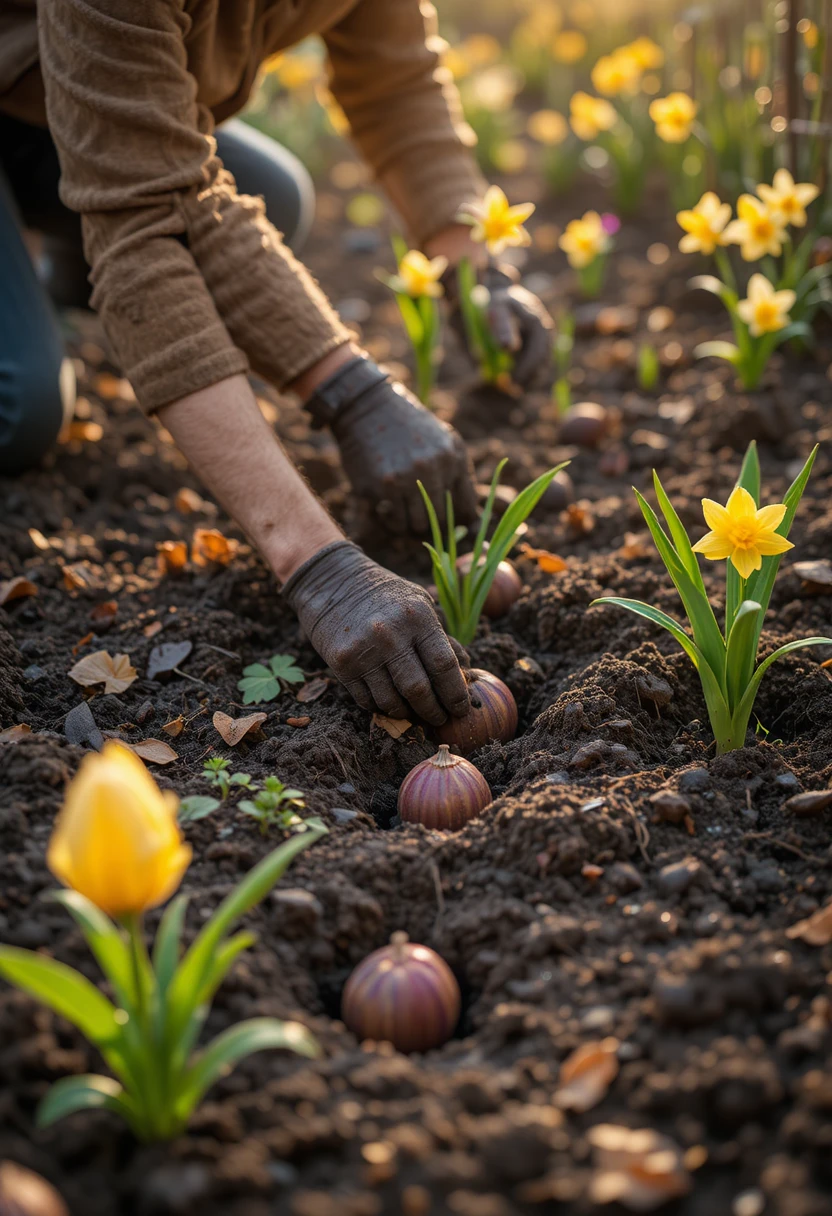
While you’re digging for the task above, this is also the ideal window to plant tulips, daffodils, and other spring-flowering bulbs. They need a period of cold dormancy over winter to bloom properly, so getting them in the ground before a hard frost is essential, not optional.
Here’s the payoff: bulbs planted now mean color waiting for you the moment winter finally breaks without lifting a finger in early spring.
8. Prune Selectively — Not Everything at Once
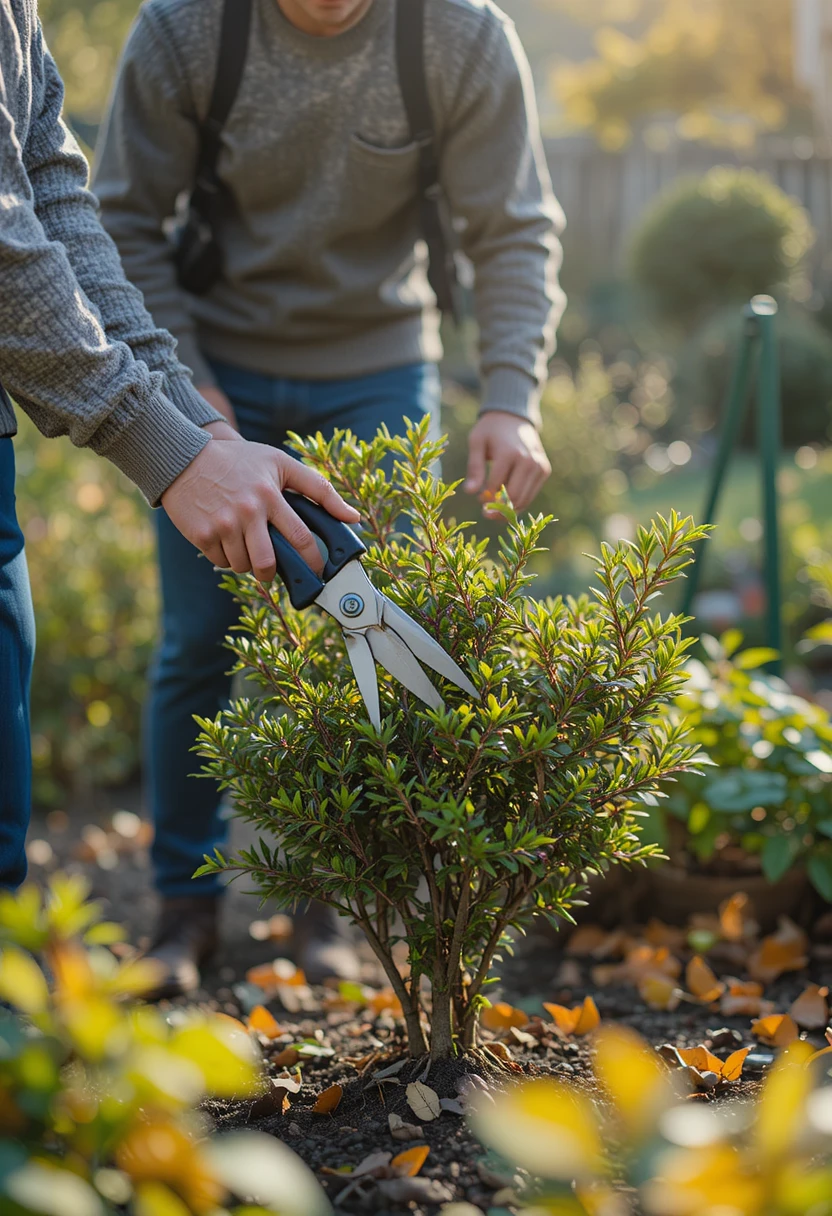
Fall pruning isn’t a blanket task. Some perennials, like peonies, hostas, and irises, benefit from a fall trim. Others, like lavender, lilacs, and azaleas, should wait until spring, since fall pruning can remove next year’s flower buds before they even form.
Quick tip to save: research the specific pruning season for each plant in your garden rather than applying the same rule to everything a few minutes of checking prevents accidentally pruning away next year’s blooms.
9. Add a Fresh Layer of Compost or Organic Matter
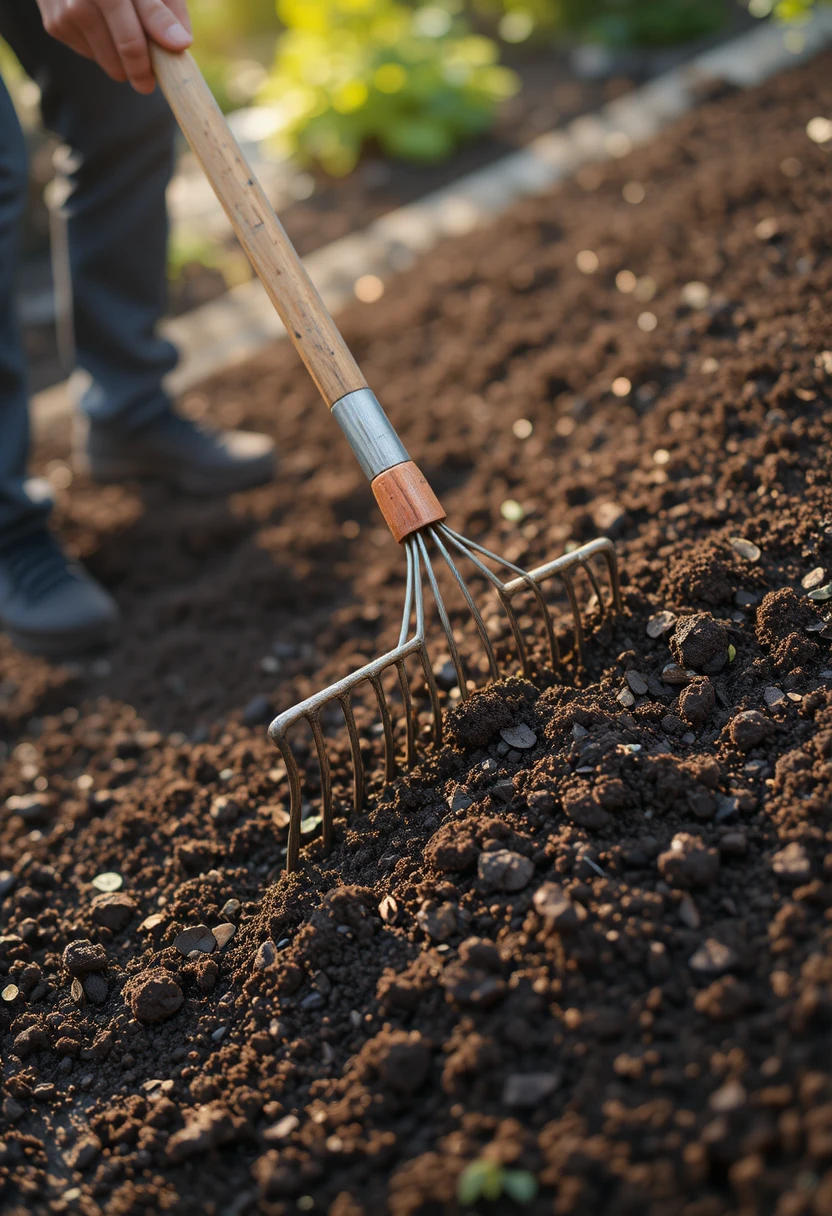
Once beds are cleared of debris and spent plants, this is the moment to feed the soil for next year. Spreading a few inches of compost or organic matter now gives it all winter to break down and work its nutrients into the soil naturally.
A layering method that works well: spread roughly 3 inches of organic material, top it with about half an inch of finished compost or manure, then repeat the layers until you reach your desired depth.
10. Consider Leaving Some Stems and Leaves Standing (The Idea Most Cleanup Guides Skip)
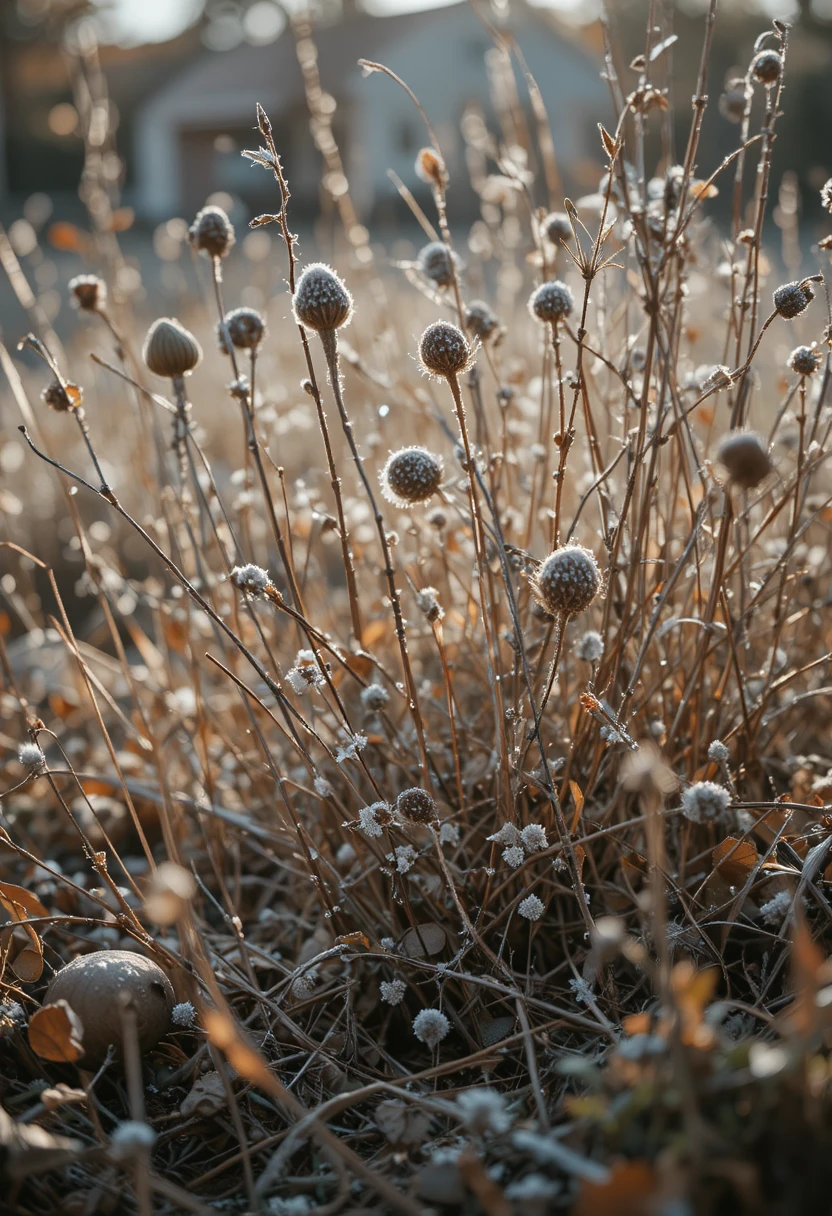
Here’s where fall cleanup wisdom has genuinely shifted in recent years: many experienced gardeners now deliberately leave some perennial stems and leaf litter in place rather than clearing every bed down to bare soil. Hollow stems and fallen leaves provide overwintering shelter for pollinators, beneficial insects, and small wildlife habitat that a fully “tidy” fall cleanup wipes out entirely.
Here’s the thing: you don’t have to choose all-or-nothing. Clear debris that’s diseased or a pest risk, but consider leaving ornamental grasses, seed heads, and a portion of perennial foliage standing through winter for both wildlife value and off-season visual structure.
So what does this mean for you? A fall cleanup that’s actually a little less work in certain spots, while quietly supporting the pollinators your garden will depend on again next spring.
11. Water Perennials if Rain Is Scarce
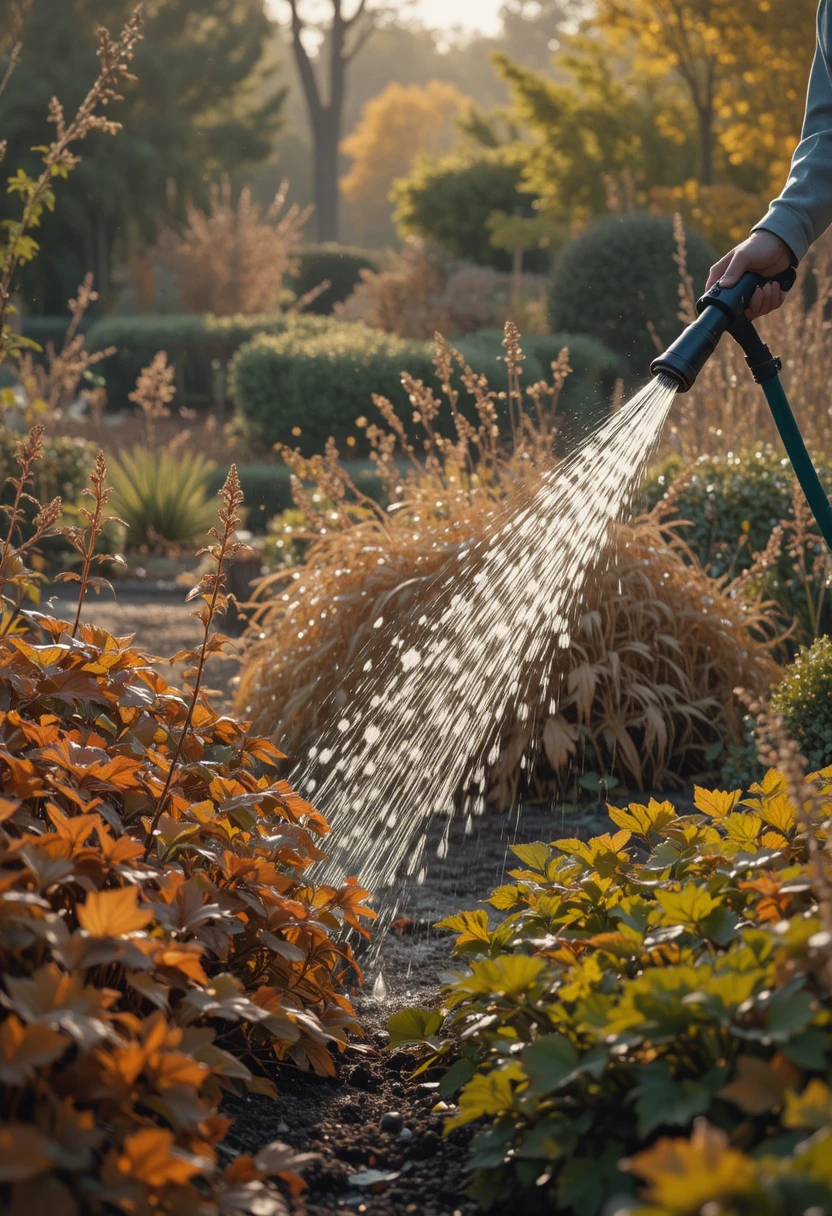
Fall cleanup isn’t only about cutting back and clearing out perennials, especially newly planted ones, still need consistent moisture as long as the ground isn’t frozen. Skipping this step in a dry fall can weaken plants heading into winter dormancy.
Quick recap you can save: continue watering as needed right up until the ground freezes solid, even in colder zones, particularly for anything planted within the last year.
12. Clean, Sanitize, and Store Your Tools and Containers
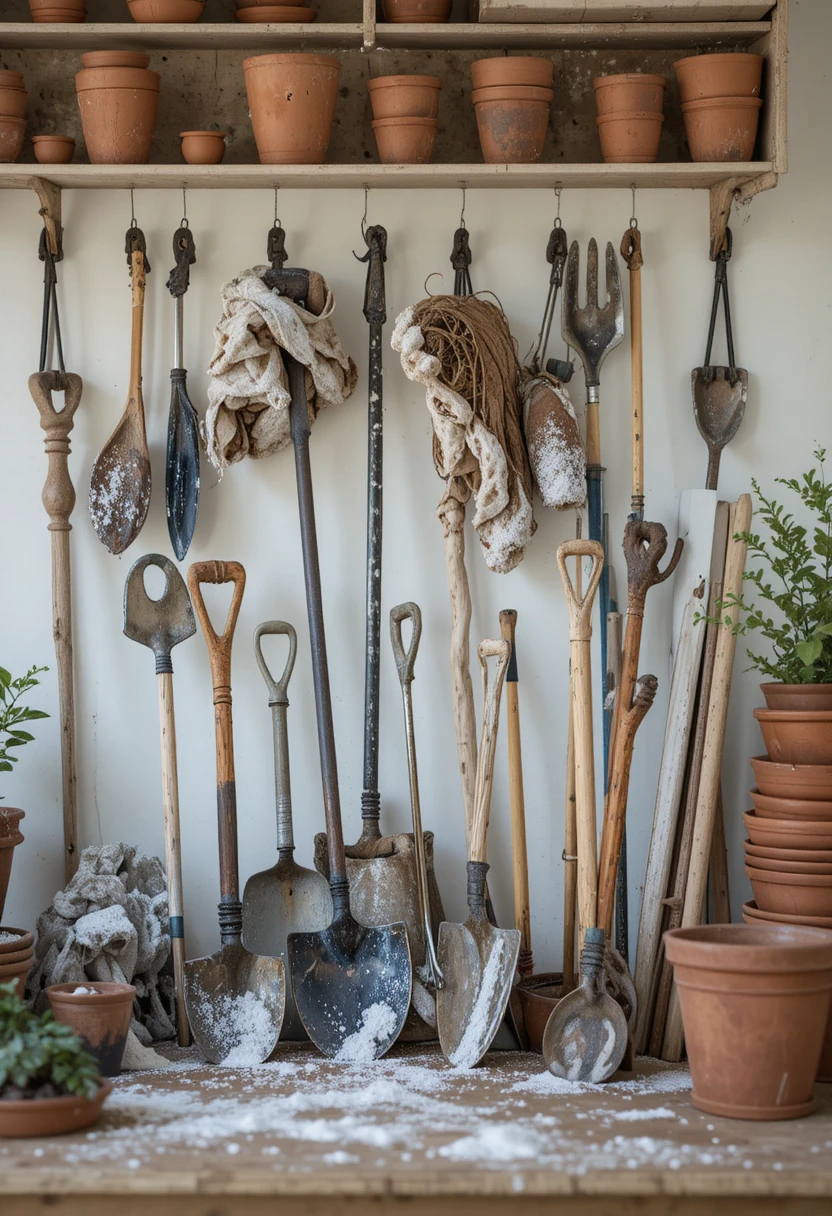
The final step ties everything together and sets up an easier spring start. Clean soil and debris off your tools, sanitize plant supports and cages with a diluted bleach solution to kill off any lingering disease, and bring ceramic or clay pots indoors before freezing temperatures crack them.
Quick tip to save: don’t stack pots directly on top of each other in storage they can stick together over winter and become genuinely difficult to pull apart come spring. A few twigs between them prevents that headache entirely.
Image idea: a vertical flat-lay of clean garden tools and stored pots ready for winter a practical, save-worthy “prep” image.
Frequently Asked Questions
When should I start my fall garden cleanup?
Most experts recommend waiting until after the first killing frost so you’re only removing dead or dying material, though you can remove clearly diseased or fading plants earlier if you spot them.
Should I compost all my fall garden debris?
No healthy plant material can go in the compost pile, but anything diseased or pest-infested should go straight into the trash, since most home compost piles don’t get hot enough to kill off plant pathogens.
Is it better to leave some parts of the garden messy in fall?
Many gardeners now intentionally leave some perennial stems, seed heads, and leaf litter in place rather than clearing everything, since these provide winter shelter for pollinators and beneficial insects.
What fall garden tasks are the most time-sensitive?
Digging up tender summer bulbs and planting spring-blooming bulbs both need to happen before the ground freezes solid, making them among the most deadline-driven tasks on any fall checklist.
Bringing It All Together
Fall garden cleanup isn’t about scorched-earth tidiness it’s about removing what genuinely causes problems (disease, pests, tender bulbs left in frozen ground) while being thoughtful about what you leave behind for both soil health and local wildlife.
Work through this checklist over a few weekends rather than trying to finish it all in one exhausting day. The version of you standing in the garden next spring, with healthy soil already resting and bulbs already planted, will be glad you did.
Pin this checklist so you can reference it task by task as the season winds down.