
Spring gardening advice is everywhere but most of it comes as a scattered pile of tips with no sense of what to do first. Plant this now, but wait on that. Prune here, but not there yet. For a beginner, it’s overwhelming enough to make you want to close the laptop and just wing it.
Here’s the fix: the checklist below is built in the actual order these tasks should happen, from the first mild day of the season through the moment frost danger has passed. Follow it in sequence, and you’ll never find yourself fertilizing bulbs that needed pruning three weeks earlier.
Save this checklist now you’ll want to check items off it over the next several weeks, not all in one afternoon.
1. Clean Up Winter Debris First
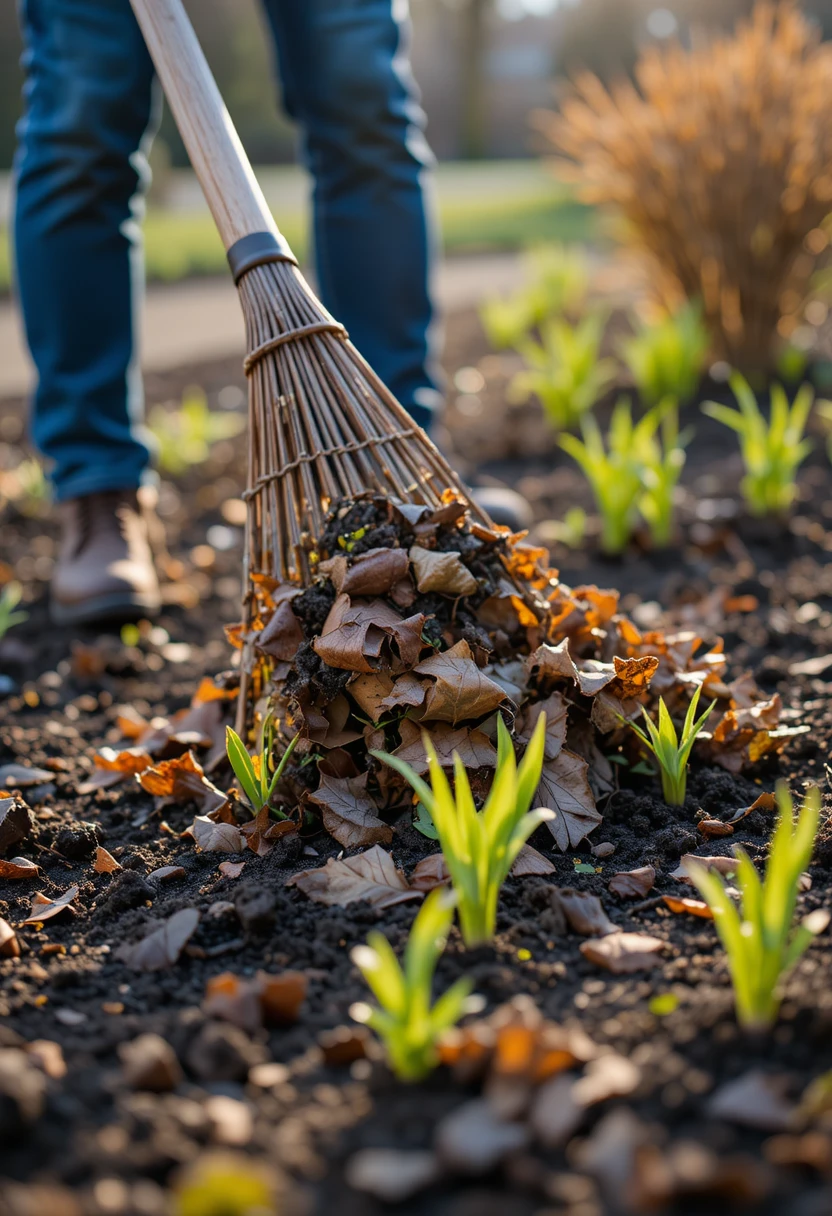
Before anything else goes on your spring to-do list, clear your beds of fallen leaves, broken stems, and any matted debris left over from winter. This is the task every other item on this checklist depends on you can’t properly assess your garden’s condition while it’s still buried under last season’s mess.
Here’s the thing: don’t just toss this debris in the trash. Composting it recycles those nutrients back into your soil instead of sending them to a landfill.
Quick tip to save: wait until the ground has fully thawed and dried out a bit before walking through beds working wet soil compacts it and undoes a lot of the good this cleanup is meant to do.
2. Test and Amend Your Soil
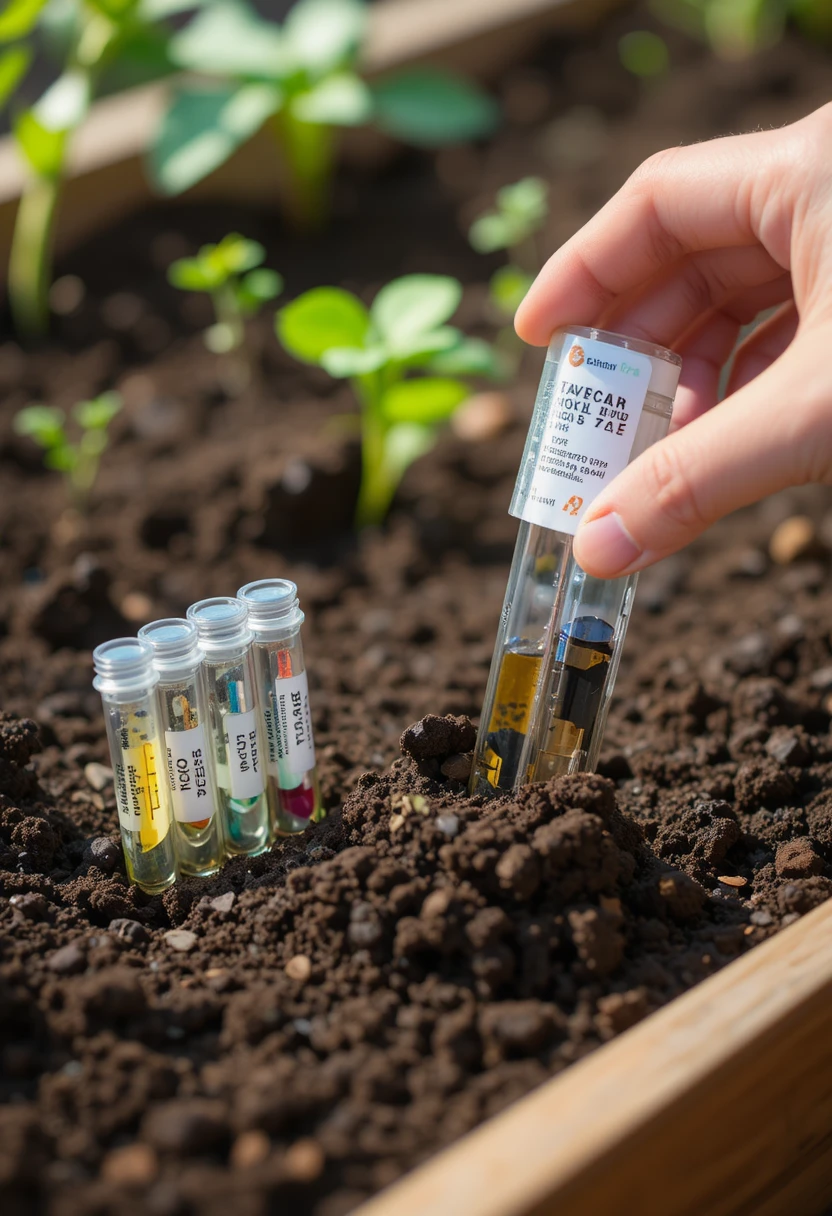
Once beds are clear, this is the moment to actually look at what you’re planting into. A simple soil test tells you your pH and nutrient levels before you spend money on plants that may not thrive in what you’ve got.
What this looks like in practice: work compost or aged organic matter into the top several inches of soil across your beds. This improves drainage, adds nutrients, and gives everything you plant later a genuinely better start.
So what does this mean for you? Skipping this step is the single most common reason beginner gardens struggle by midsummer good soil prep now prevents a season of underperforming plants later.
3. Prune Before New Growth Takes Over
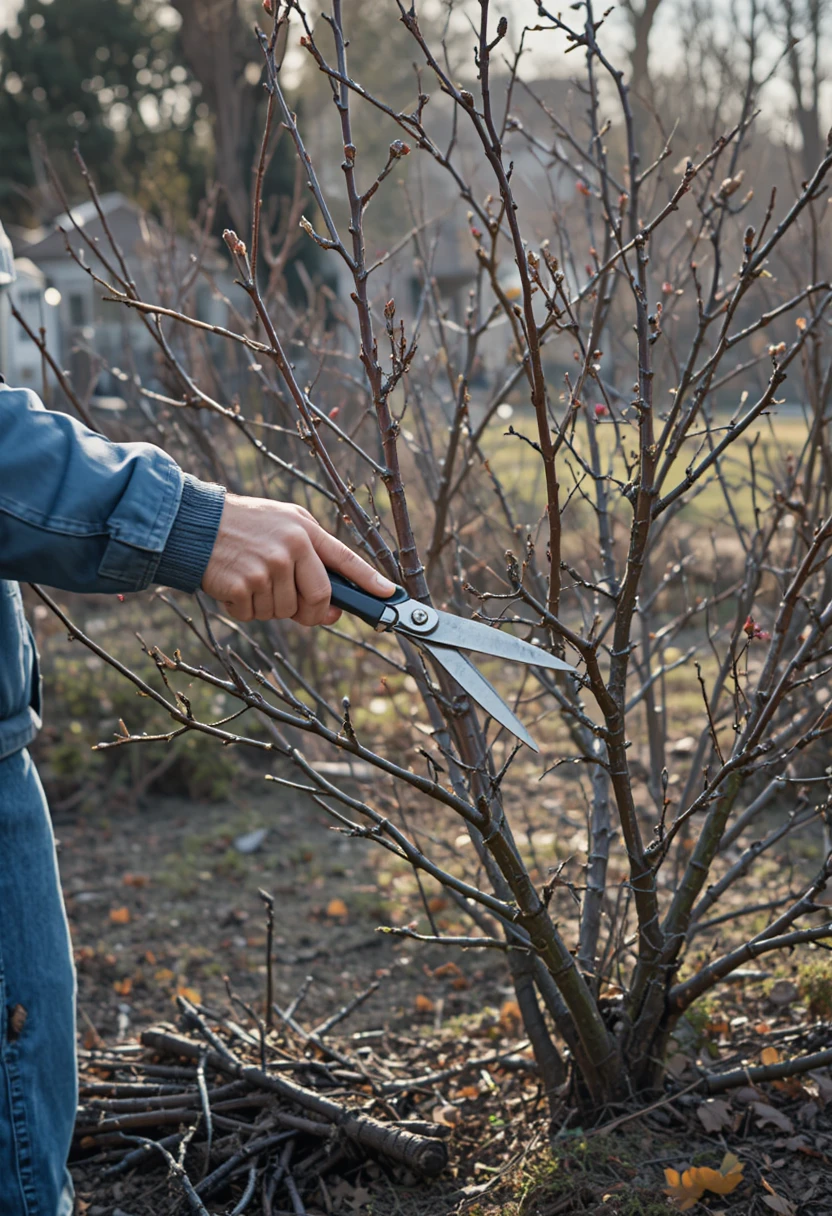
Many gardeners wait until late winter or early spring to prune ornamental grasses and leftover perennial foliage from the previous year, rather than doing it in fall. Timing matters here prune too late, and you risk cutting into the very buds that were about to produce this year’s flowers.
But there’s a catch: check first. Some shrubs set next season’s flower buds on old wood, meaning an overeager spring prune can accidentally remove blooms before they ever open.
Image idea: a vertical before-and-after shot of a perennial bed pre- and post-spring cleanup a satisfying, save-worthy comparison image.
4. Tackle Early Weeds Before They Establish
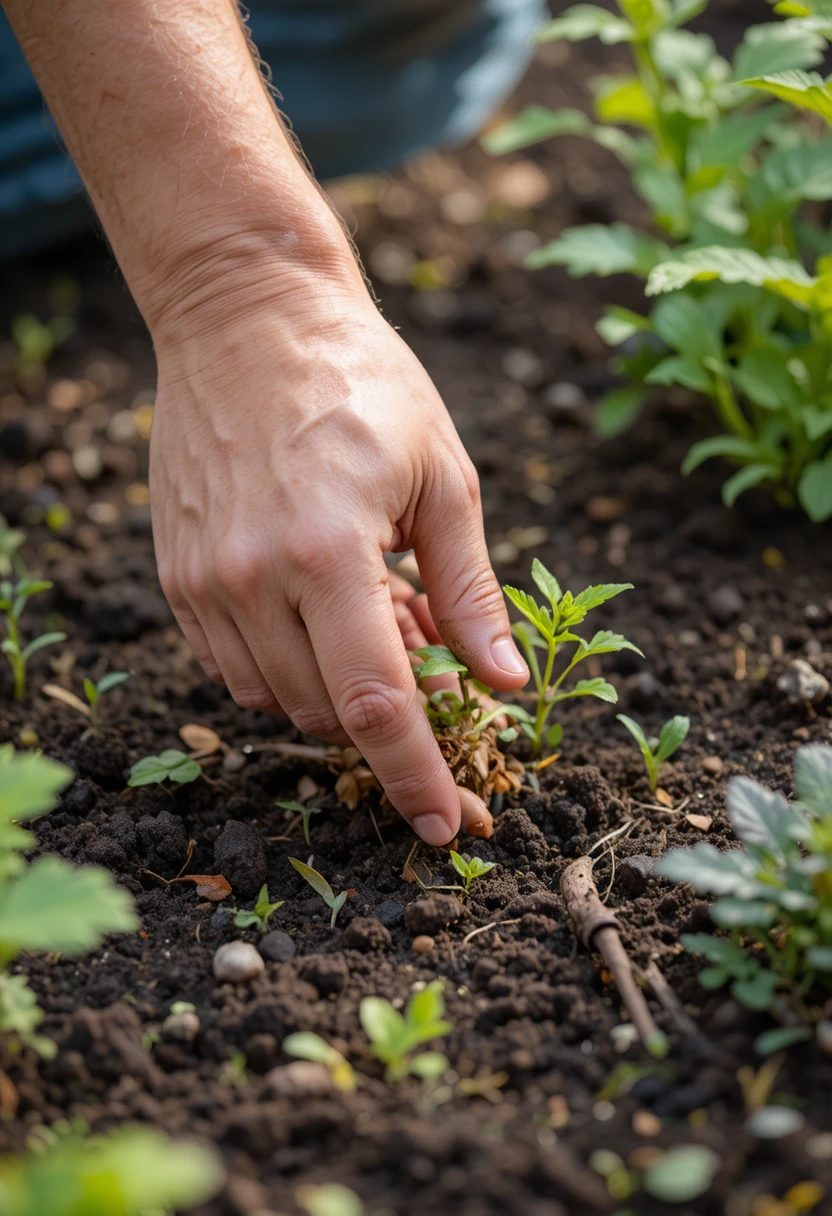
Weeds that get pulled in early spring are dramatically easier to manage than the same weeds left to establish through summer. Every weed removed now is one less plant competing with your flowers for sunlight, water, and nutrients later in the season.
Quick recap you can save:
- Hand-pull small patches while soil is still soft from spring moisture
- Use a hoe for larger open areas
- A layer of mulch after weeding helps prevent the next wave from sprouting as quickly
Read Also: 12+ What to Plant in a Spring Garden Ideas (Flowers, Veggies & Everything Between)
5. Sketch or Revisit Your Garden Plan
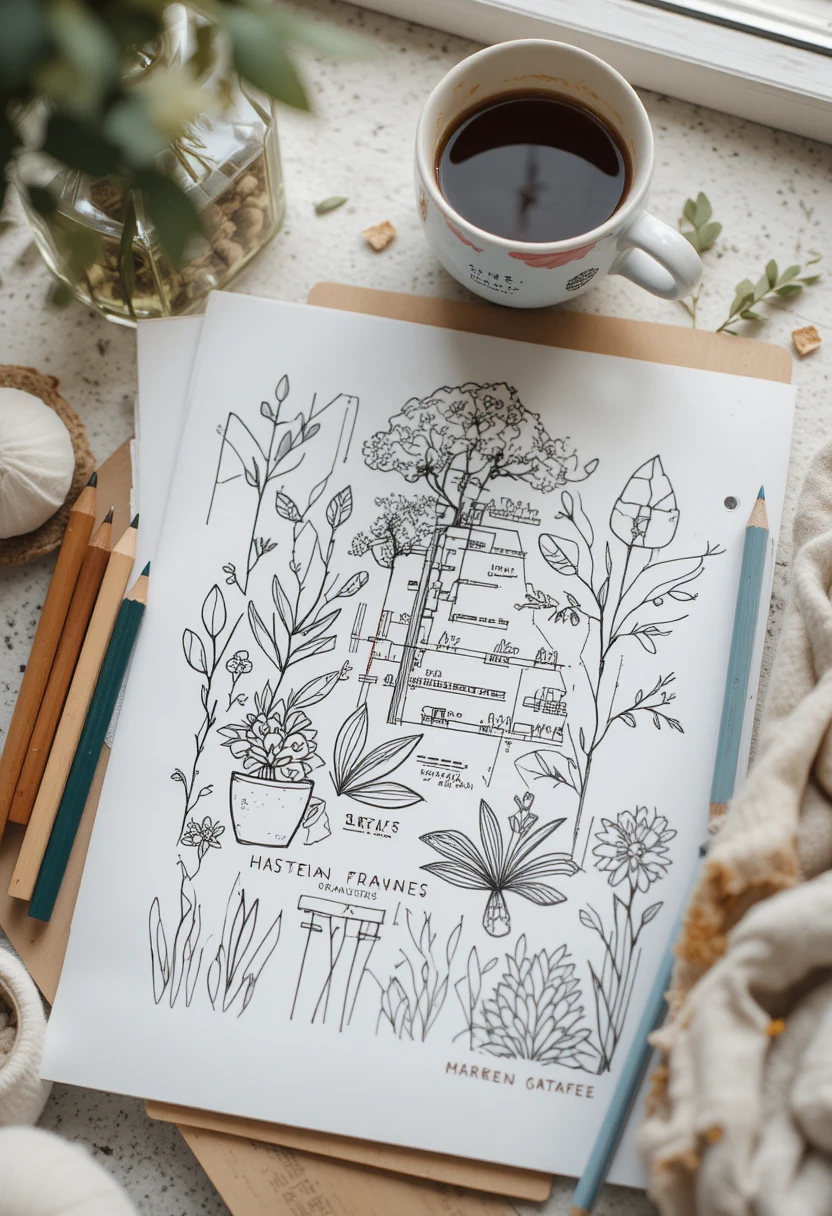
Before buying a single seed packet, take some time to sketch out or revisit your plan for the season. Even a rough plan for spring and summer, with a loose idea for fall, keeps you from impulse-buying plants that don’t actually fit your space or your goals.
Here’s the payoff: a beginner with even a simple plan on paper makes far fewer expensive plant mistakes at the garden center than someone shopping without one.
6. Order Seeds and Supplies Early
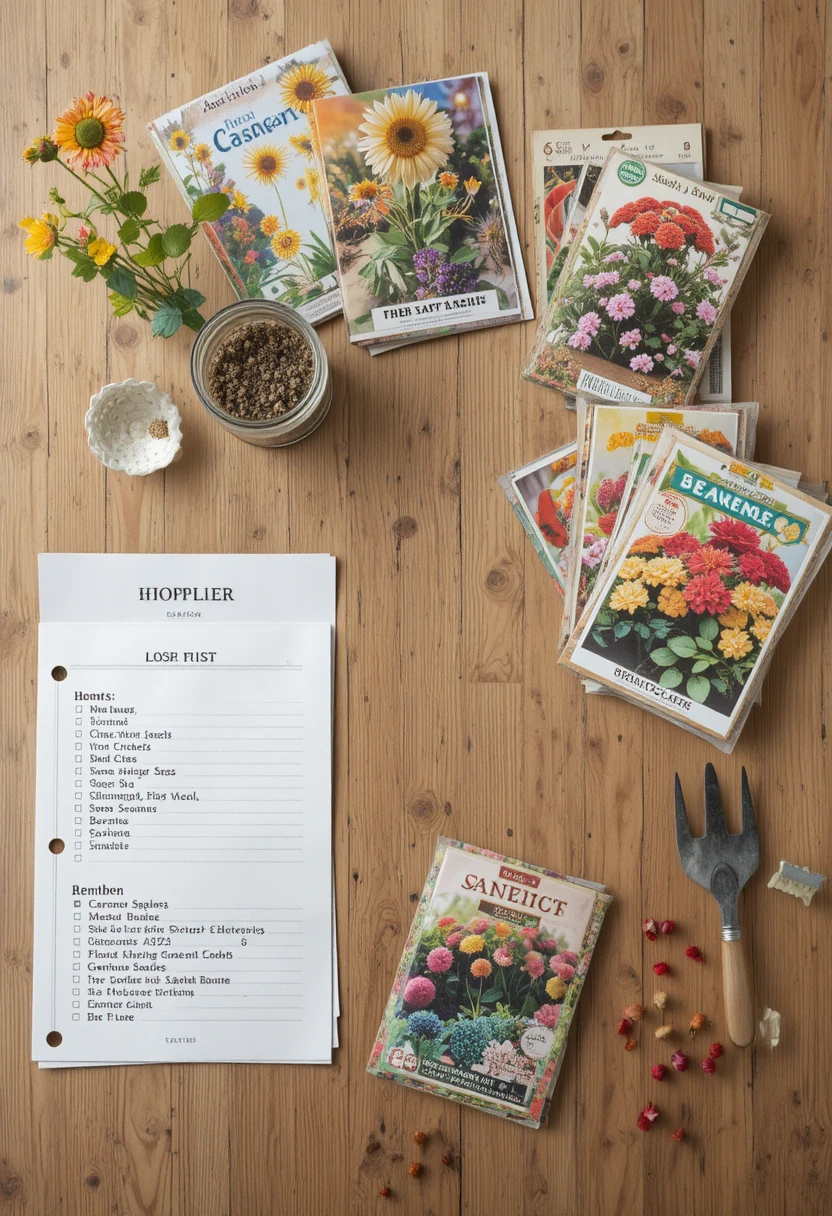
Once your rough plan exists, this is the time to actually order your seeds for the season popular varieties sell out earlier than most beginners expect, especially heirloom or specialty types.
What to check while you’re at it: restock any tools or supplies that broke or wore out over winter, so you’re not scrambling mid-planting season when you realize your trowel handle snapped last fall.
7. Start Seeds Indoors (If Your Timeline Calls for It)
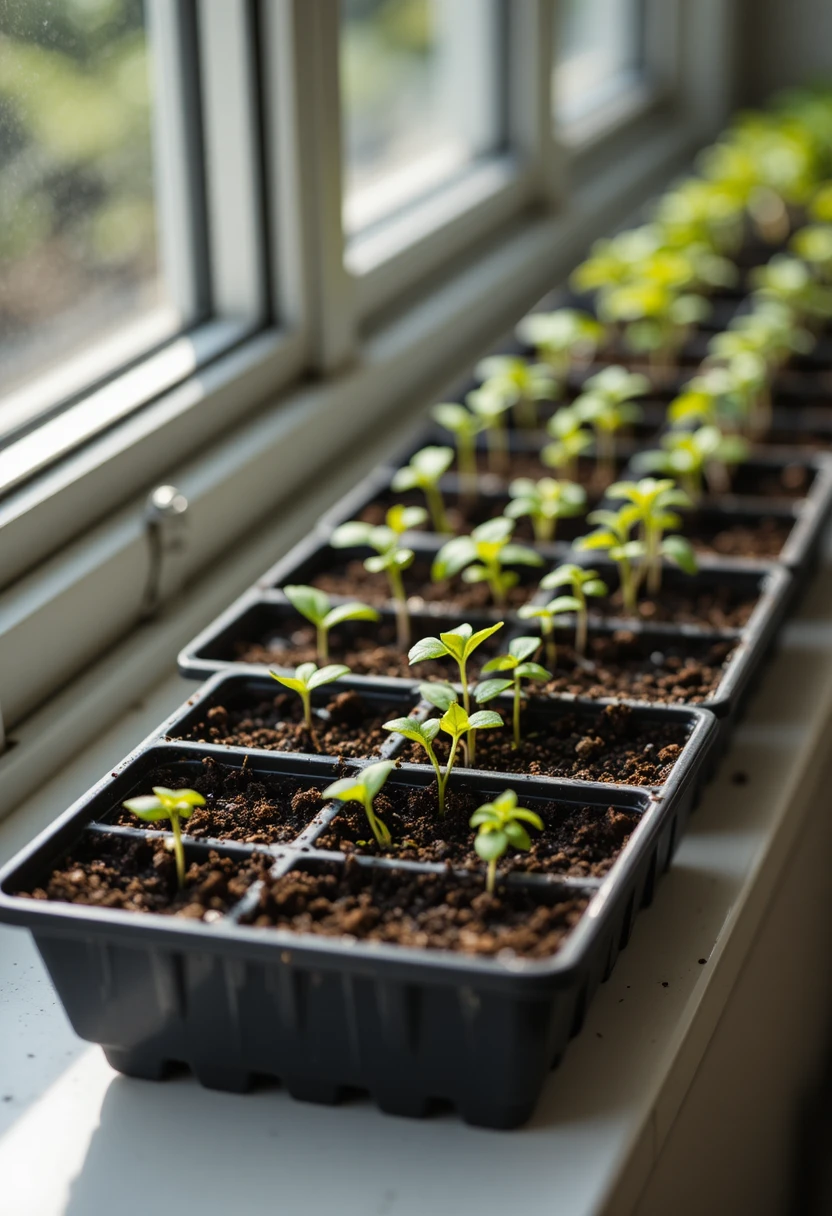
Depending on your climate and what you’re growing, certain flowers and vegetables need a real head start indoors often 6 to 8 weeks before your last expected frost date to bloom or produce on schedule outdoors.
Quick tip to save: check your seed packet’s “days to maturity” alongside your region’s average last frost date to work backward and find your ideal indoor start date, rather than guessing.
Image idea: a vertical shot of seed trays on a sunny windowsill, labeled with plant names a classic, highly pinnable “getting started” image.
8. Divide and Transplant Overgrown Perennials
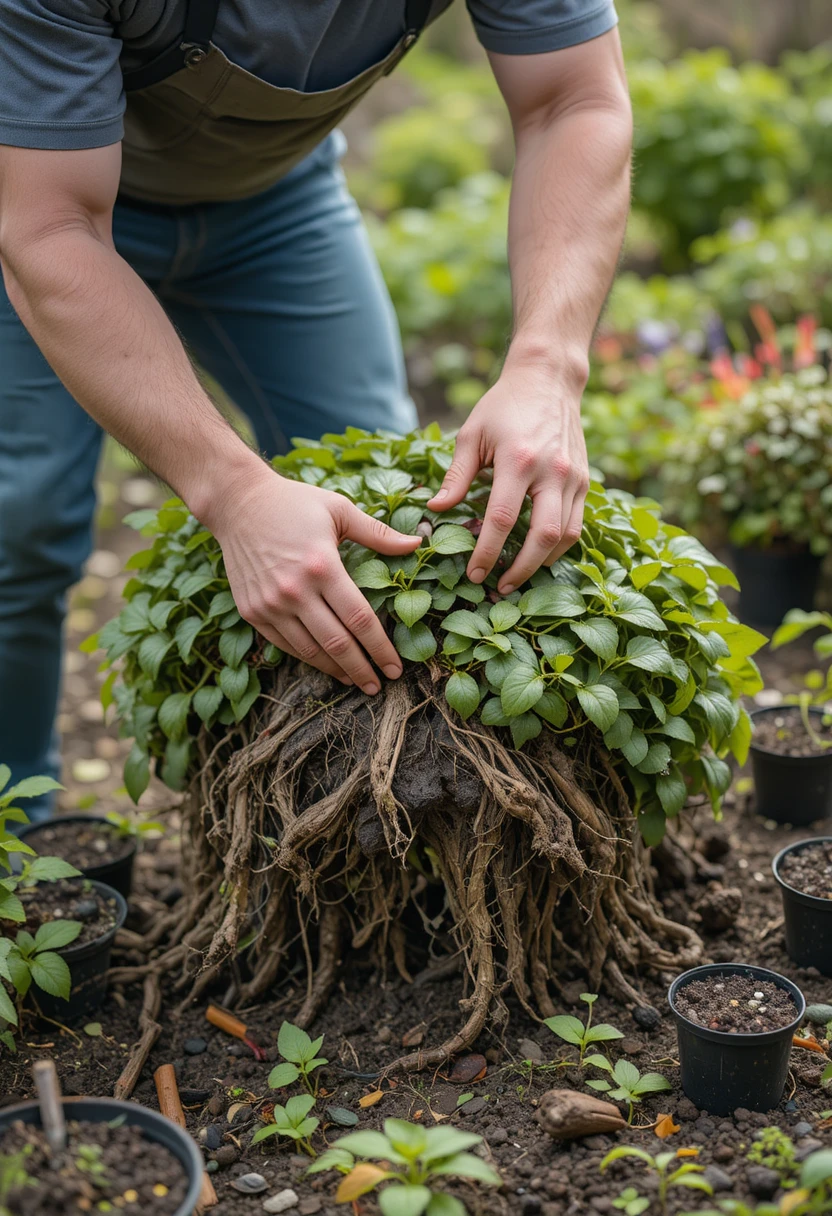
Early spring, while plants are still small and mostly dormant, is the ideal window to divide overcrowded perennials and transplant anything that ended up in the wrong spot last year. Waiting until plants are in full leaf makes this process far more stressful on the plant and on you.
Here’s the thing: dividing isn’t just tidying up. It’s free plants a single overgrown clump of daylilies or hostas can often be split into three or four separate plants for other areas of your yard.
9. Fertilize Spring-Flowering Bulbs
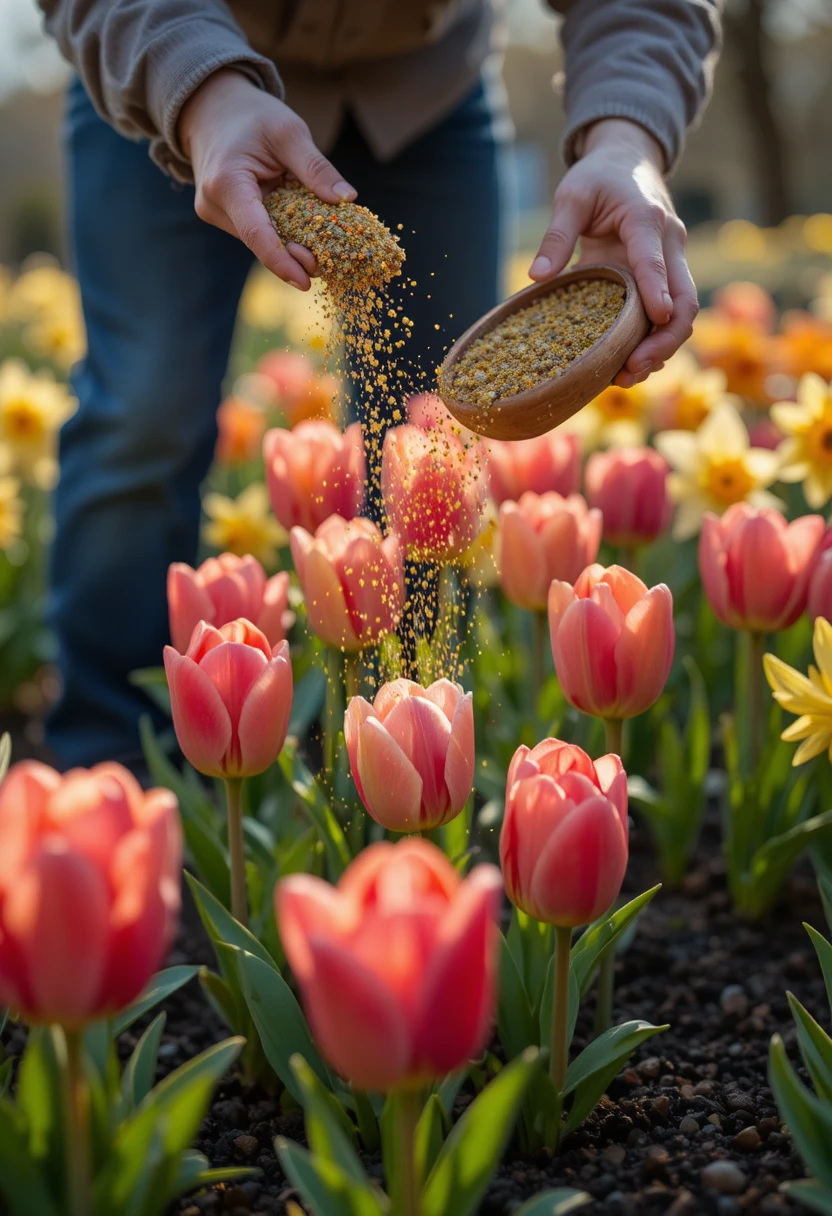
If you have tulips, daffodils, or other spring bulbs already emerging, this is their moment. Fertilizing while they’re actively growing rather than after they’ve finished blooming supports both this year’s flowers and next year’s bulb strength underground.
Quick tip to save: while you’re out checking on bulbs, remove any that feel soft or show signs of rot if you’re storing extras a soft bulb won’t recover and can spread rot to healthy ones nearby.
10. Apply Fresh Mulch
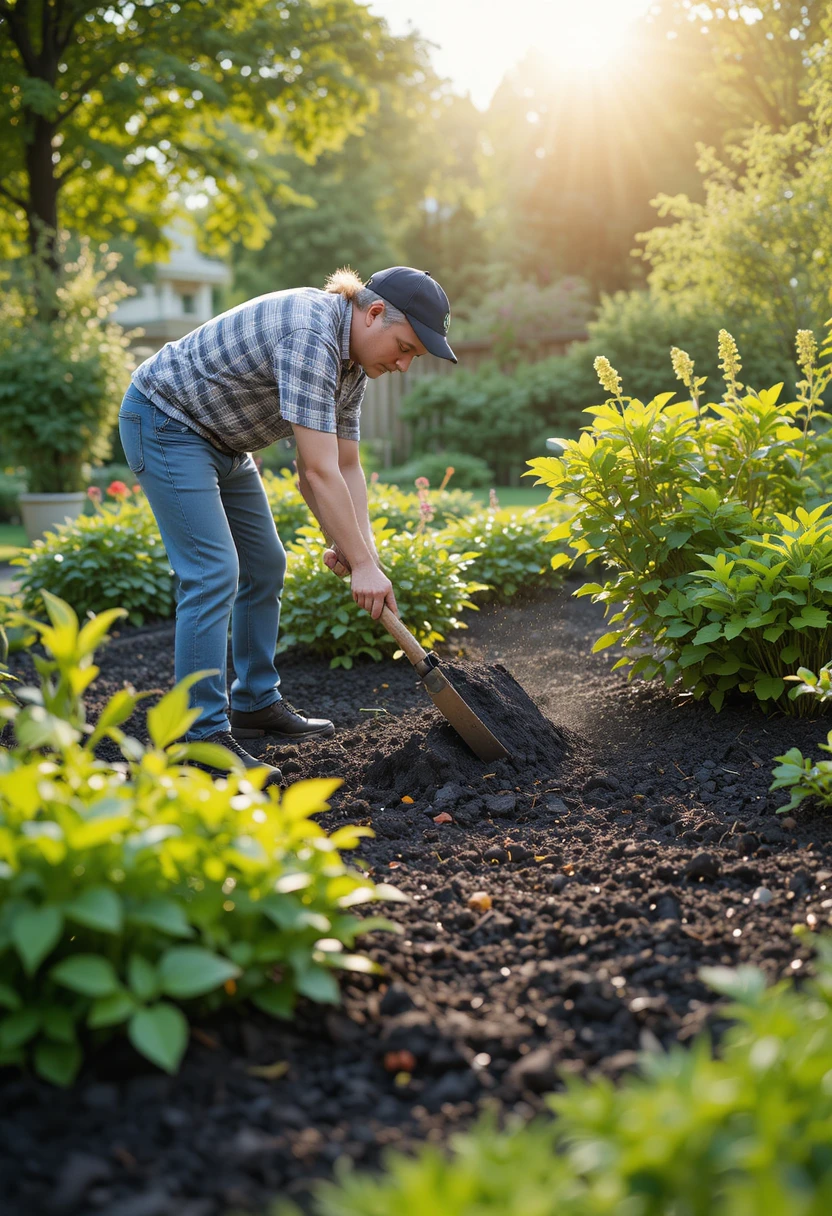
Once beds are weeded, pruned, and freshly planted or divided, a new layer of mulch locks in the benefit of everything you’ve just done. It retains moisture, insulates roots against a late cold snap, and suppresses the next round of weeds before they even sprout.
So what does this mean for you? Mulching now, rather than waiting until summer, means your beds are already protected through the unpredictable temperature swings spring often brings.
11. Watch for Pests as Temperatures Rise
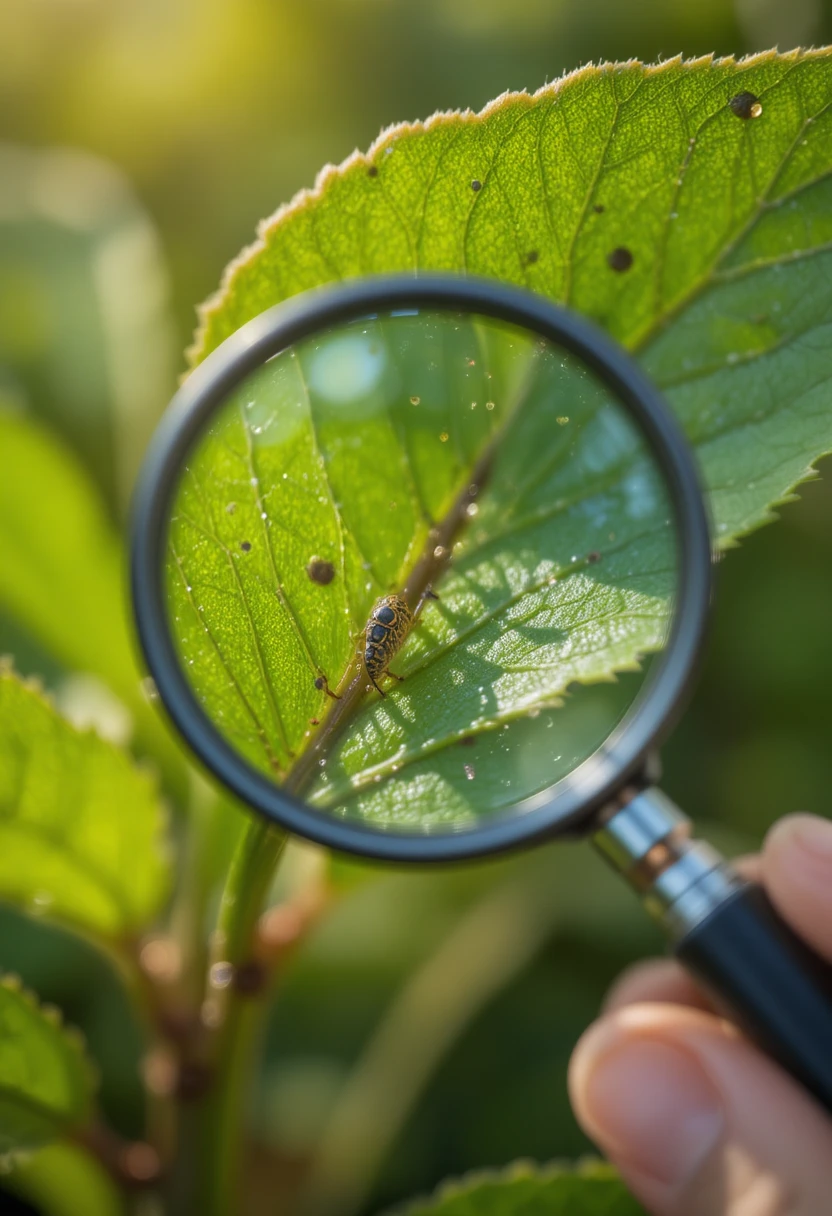
Warmer weather doesn’t just wake up your plants it wakes up pests too. This is the point in the checklist to apply preventive pest control, whether that’s a natural or synthetic option, before an infestation has a chance to take hold.
Quick recap you can save:
- Always follow label instructions exactly
- Keep pets and children off treated areas until it’s dry or as directed
- Consider companion planting (like marigolds near vulnerable plants) as a lower-intervention layer of pest prevention
12. Refresh Garden Décor and Hardscaping
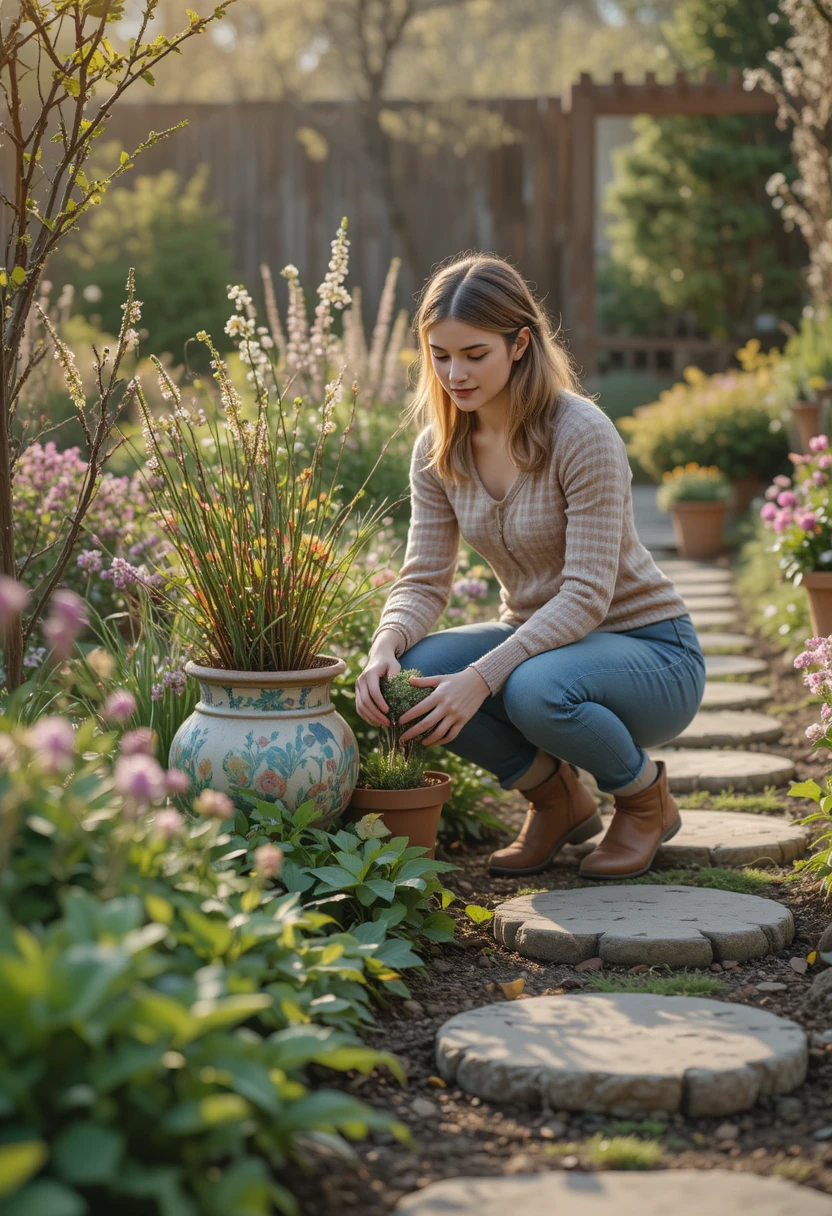
With the bulk of the planting work underway, this is a good time to circle back to the parts of your garden that aren’t plants at all. Scrub algae and grime off birdbaths, statues, and garden furniture, check fences for winter damage, and power wash walkways or patios that built up moss over the cold months.
Here’s the payoff: this is a genuinely low-effort task compared to everything above it, and it’s the difference between a garden that looks cared-for and one where the plants look great but everything around them looks forgotten.
13. Hold Off on Frost-Tender Planting Until It’s Truly Safe

The final item on this checklist is really a rule that governs several of the ones above it: don’t transplant tender plants or apply certain fertilizers until frost danger has genuinely passed for your area. As soon as it has, you’re clear to fertilize more broadly, transplant with confidence, and add any remaining new plants to your beds.
Quick tip to save: your local Cooperative Extension office almost always publishes an average last-frost date for your specific region use it as your baseline, but keep an eye on the actual forecast in case the season runs unusually late.
Frequently Asked Questions
What is the first thing I should do in my garden in spring?
Clear out winter debris fallen leaves, broken stems, and matted plant material before doing anything else. It’s difficult to properly assess soil condition, pruning needs, or plant damage while beds are still covered from winter.
When should I start pruning in spring?
Prune once the worst of winter has passed but before significant new growth appears, and always check whether a specific shrub blooms on old or new wood first, since pruning at the wrong time can remove this year’s flowers.
How do I know when it’s safe to plant frost-tender flowers outside?
Check your region’s average last frost date, typically available through a local Cooperative Extension office, and wait until that date has passed before moving tender plants outdoors keeping an eye on the actual forecast in case of a late cold snap.
Do I need to fertilize my garden in early spring?
Spring-flowering bulbs benefit from fertilizing while actively growing, but hold off on fertilizing frost-tender plants until after your last frost date, since fertilizing too early can encourage vulnerable new growth right before a cold snap.
Bringing It All Together
Spring gardening feels overwhelming mostly because the advice usually comes without an order attached to it. Work through this checklist roughly in sequence cleanup and soil first, pruning and weeding next, planning and planting after that and each task sets up the next one instead of competing with it.
You don’t need to finish this list in a single weekend. Spread it across the early weeks of the season, and by the time frost danger has passed, your garden will be genuinely ready for everything summer brings.
Pin this checklist so you can come back to it week by week as your own spring garden season gets underway.