
There’s a specific kind of excitement that hits the second the ground thaws and the garden centers roll out their spring displays and also a specific kind of overwhelm that hits right after, standing in front of a hundred seed packets wondering where to even start.
Here’s the good news: spring planting doesn’t have to be complicated. Whether you’re dreaming of colorful flower beds, a productive vegetable patch, or just a few pots by the front door, this guide covers 12+ spring garden ideas that’ll help you plant with confidence and actually know why each choice makes sense for the season.
Save this guide for reference all spring idea #9 below is the one that saves the most heartbreak from a late frost.
First, Know Your Two Planting Windows
Before diving into what to plant, here’s the one concept that makes everything else click: spring has cool-season and warm-season planting windows, and mixing them up is the most common spring gardening mistake.
- Cool-season plants (peas, lettuce, pansies) thrive when air is cool and days are shorter plant these as soon as soil is workable.
- Warm-season plants (tomatoes, zinnias, basil) need warmer soil and air, and longer days these wait until after your last frost date.
Quick tip: look up your local last frost date before planting anything warm-season. It’s the single most useful number in spring gardening.
1. Start Cool-Season Vegetables Early
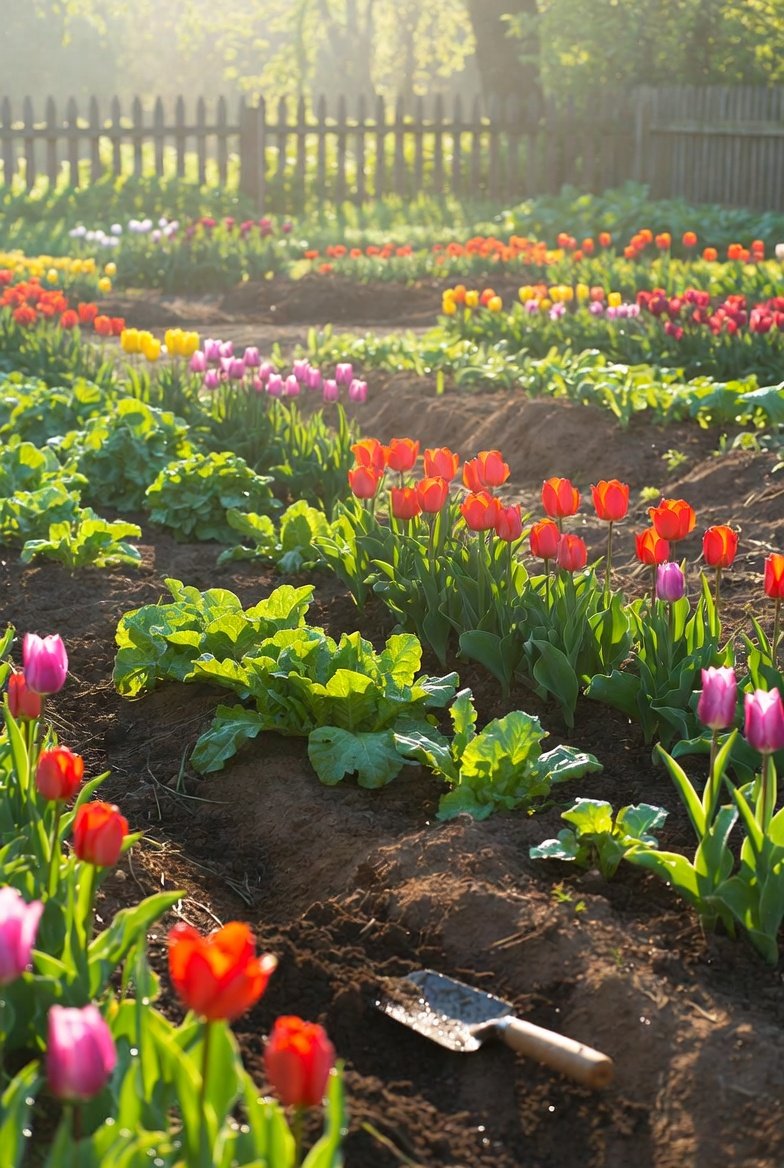
As soon as the soil can be worked, direct-sow frost-tolerant crops like peas, spinach, lettuce, beets, chard, and radishes. These vegetables actually prefer the cooler temperatures of early spring and can often be harvested before summer heat sets in.
- Peas
- Spinach and lettuce
- Radishes
- Beets and chard
- Kale and broccoli seedlings
2. Save Warm-Season Vegetables for After Your Last Frost
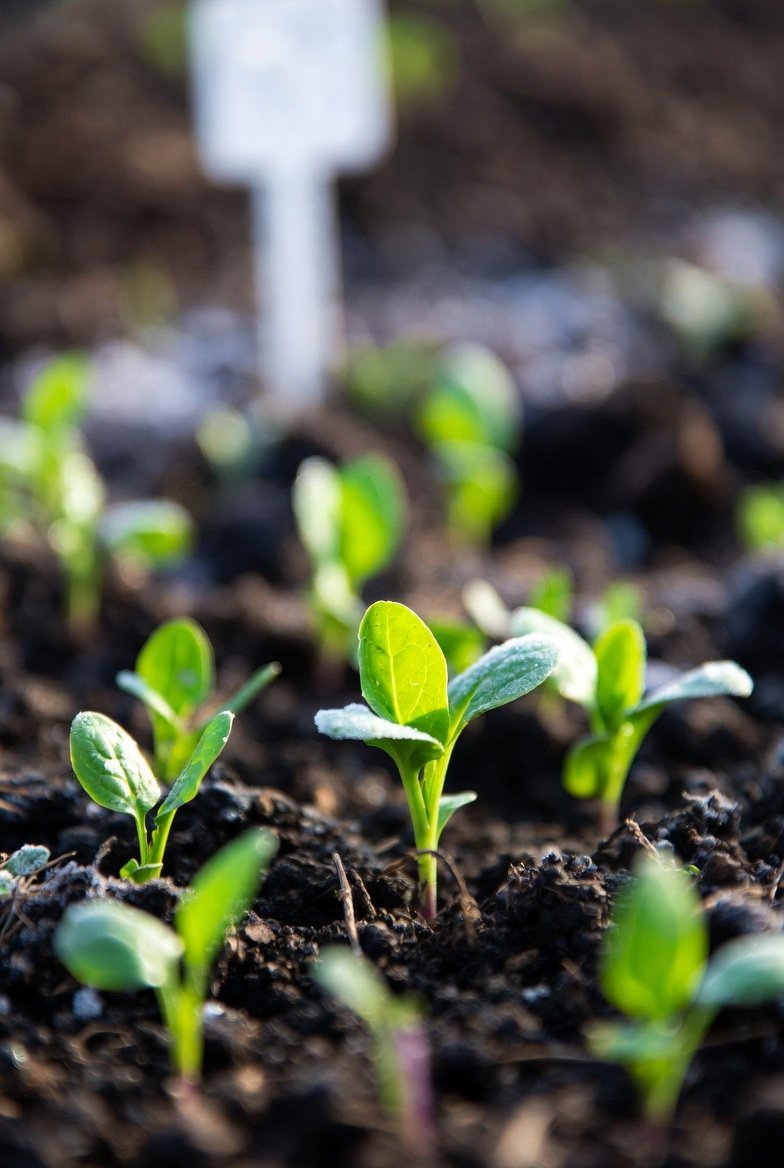
Here’s the thing: tomatoes, peppers, squash, cucumbers, and melons need warmer soil and air to thrive, so hold off until the danger of frost has passed. Starting these too early usually means stunted, unhappy plants rather than a head start.
Image idea: a vertical shot of young tomato seedlings ready for transplant. Alt text: “Young tomato seedlings ready to plant in a spring vegetable garden.”
3. Plant an Herb Garden for Fresh Flavor All Season
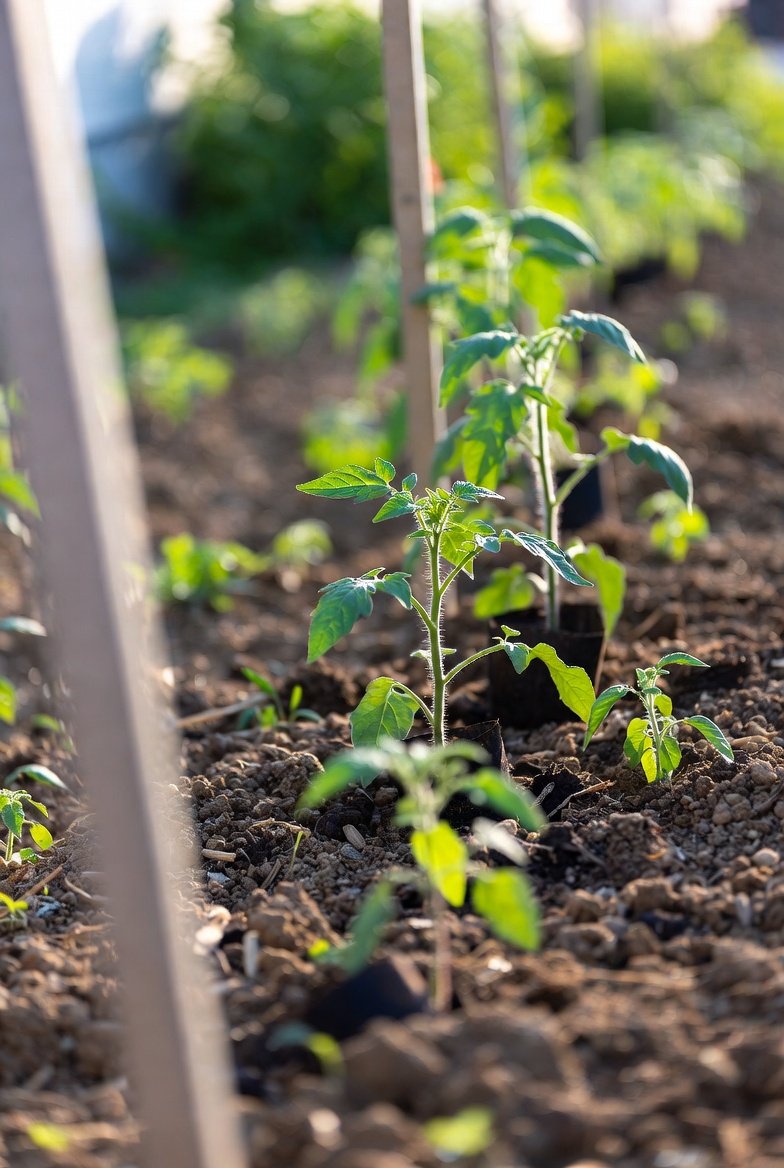
Spring is one of the easiest times to start herbs, and many can go directly into the ground from seed. Cilantro, dill, and parsley can be sown directly about 60 days before your last frost, while basil, chives, and rosemary round out a well-stocked spring herb bed.
Save-worthy tip: cilantro and dill are ready to harvest in around 45 days, making them some of the fastest payoffs in the whole spring garden.
4. Add Cheerful Spring Annuals for Instant Color
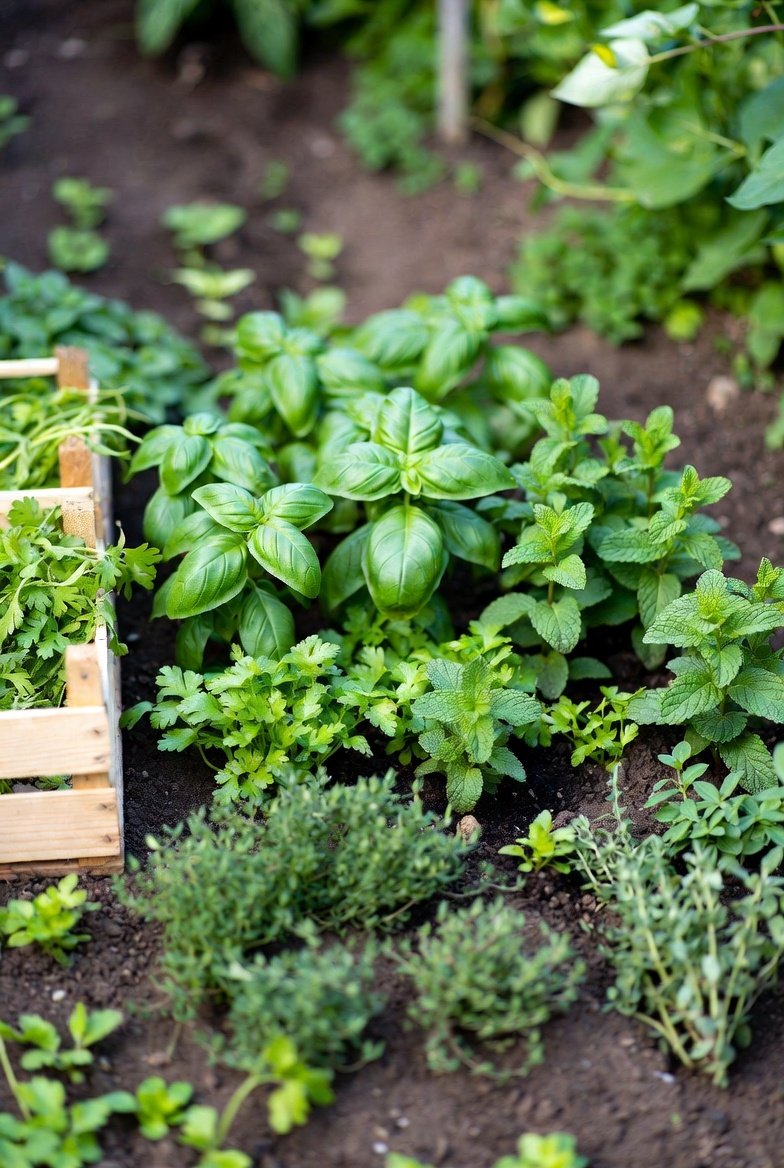
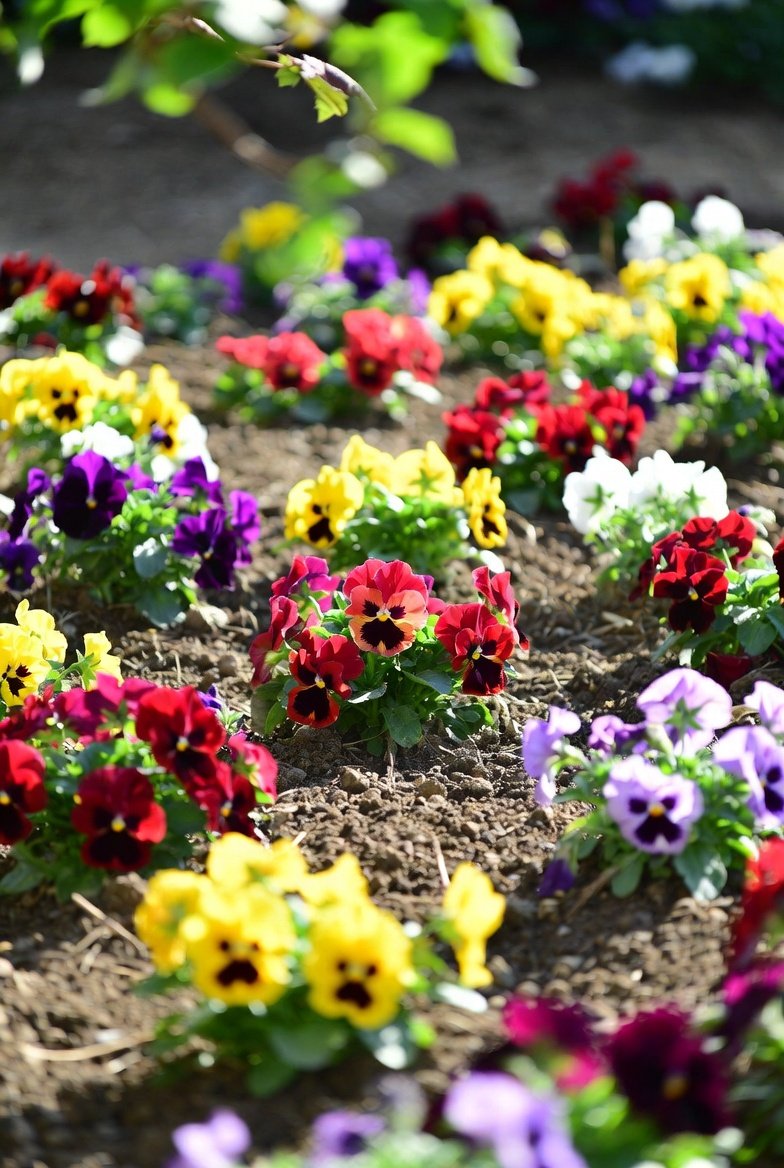
If you want fast, reliable color, annuals are the answer. Petunias, marigolds, and pansies are among the most popular spring choices petunias for their huge range of colors, marigolds for their pest-repelling reputation, and pansies for thriving in the cool, shorter days of early spring.
- Petunias – full sun, well-draining soil
- Marigolds – full sun, tolerant of most soil types
- Pansies – cool-season lovers, great for early spring color
- Impatiens – ideal for shady spots once warmer weather arrives
5. Plant Spring Bulbs for a Classic Seasonal Display
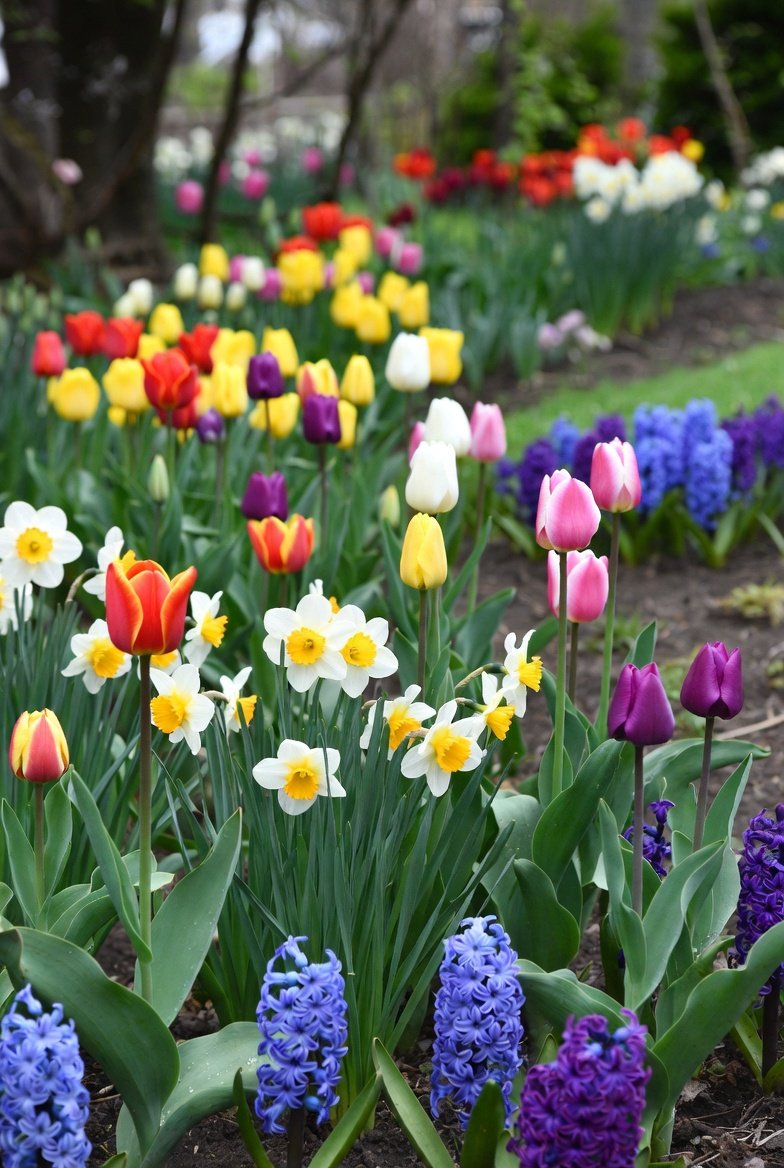
No spring garden feels complete without tulips and daffodils. Planting bulbs in clusters rather than single spots creates a fuller, more eye-catching display, and daffodils in particular tolerate a range of light conditions from full sun to partial shade.
Quick summary: cluster your bulbs in odd-numbered groups for a more natural-looking drift of color.
6. Add Pollinator-Friendly Flowers
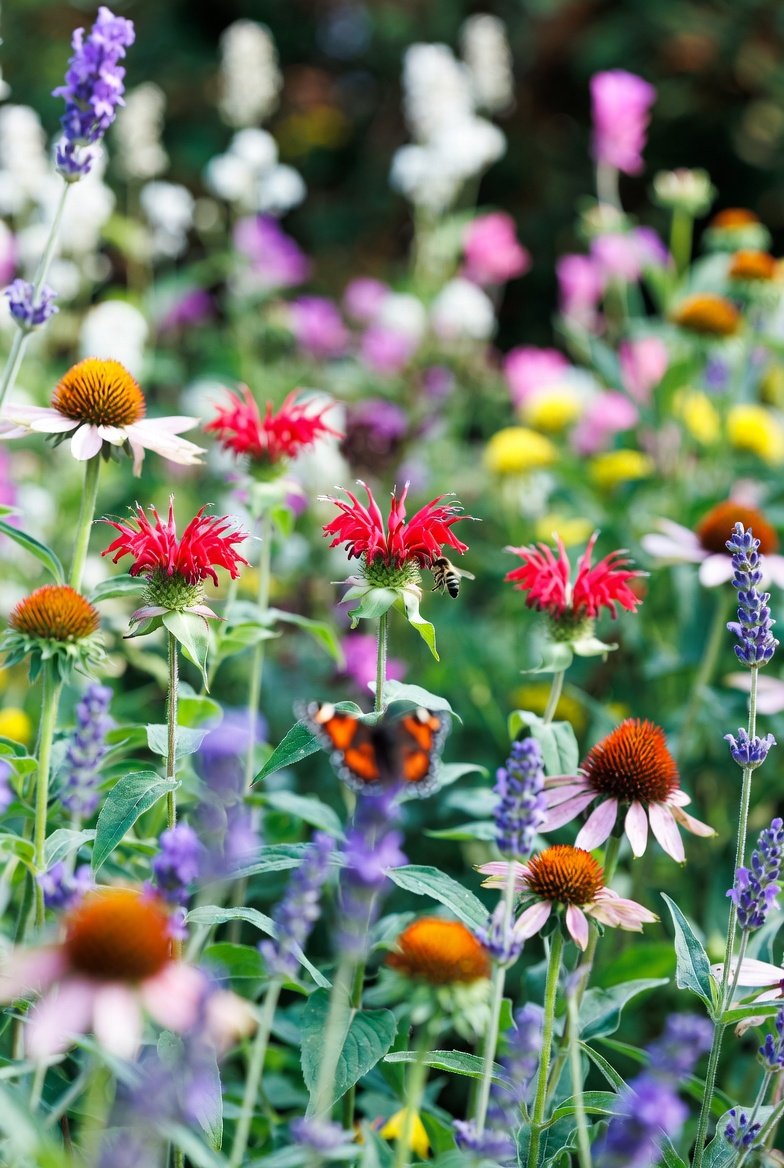
So what does this mean for you? It means your spring garden can support the local ecosystem while looking gorgeous. Nectar-rich flowers like coneflower, butterfly bush, and milkweed attract butterflies and pollinators, adding both color and ecological value to your yard.
Image idea: a vertical shot of butterflies feeding on coneflowers in a spring garden bed. Alt text: “Butterflies feeding on pink coneflowers in a pollinator-friendly spring garden.”
Read Also: Green Nest Hubs
7. Plant Peonies and Other Spring Perennials
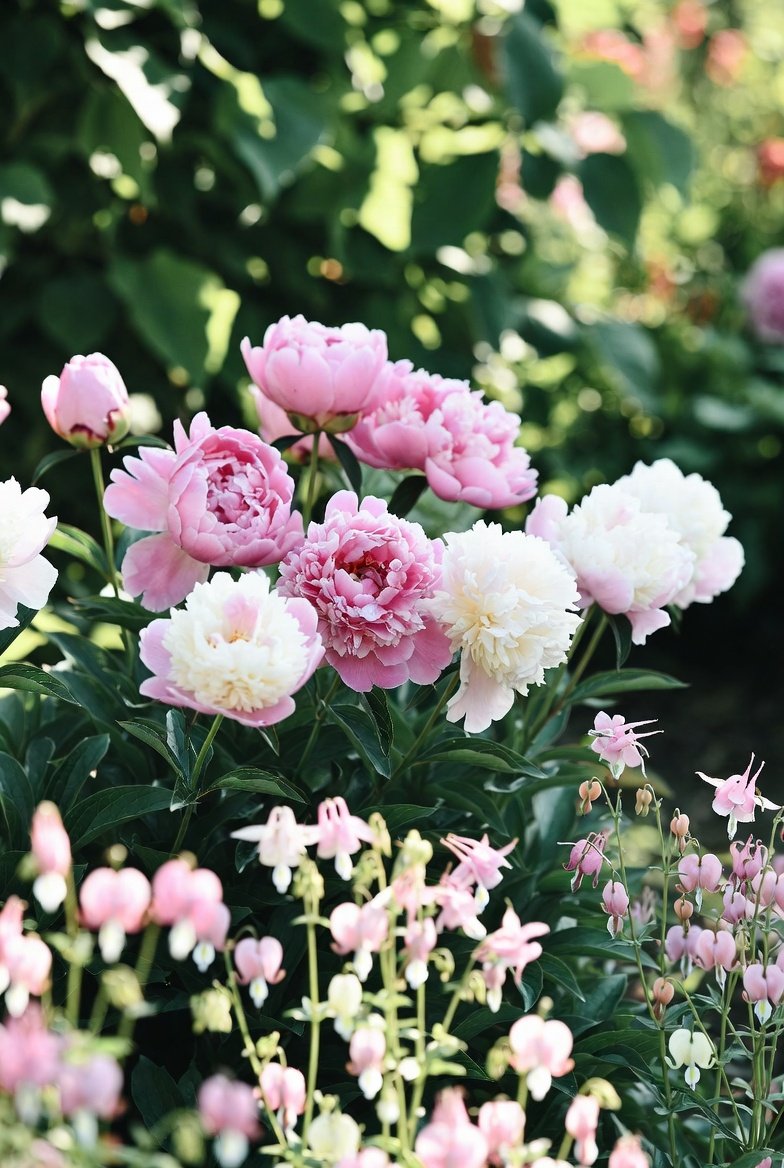
Unlike annuals, perennials come back year after year, making them a smart long-term investment. Peonies are a spring favorite for their large, fragrant blooms in shades of pink, white, and red, and they prefer full sun with well-draining soil.
8. Add Fragrant Blooms for a Multi-Sensory Garden
Don’t plant for looks alone. Lilacs, hyacinths, and roses bring fragrance into the mix, turning a simply pretty garden into one that delights on every level something a purely visual plant selection can miss.
9. Choose Bare-Root Plants for Shrubs and Trees Early in the Season
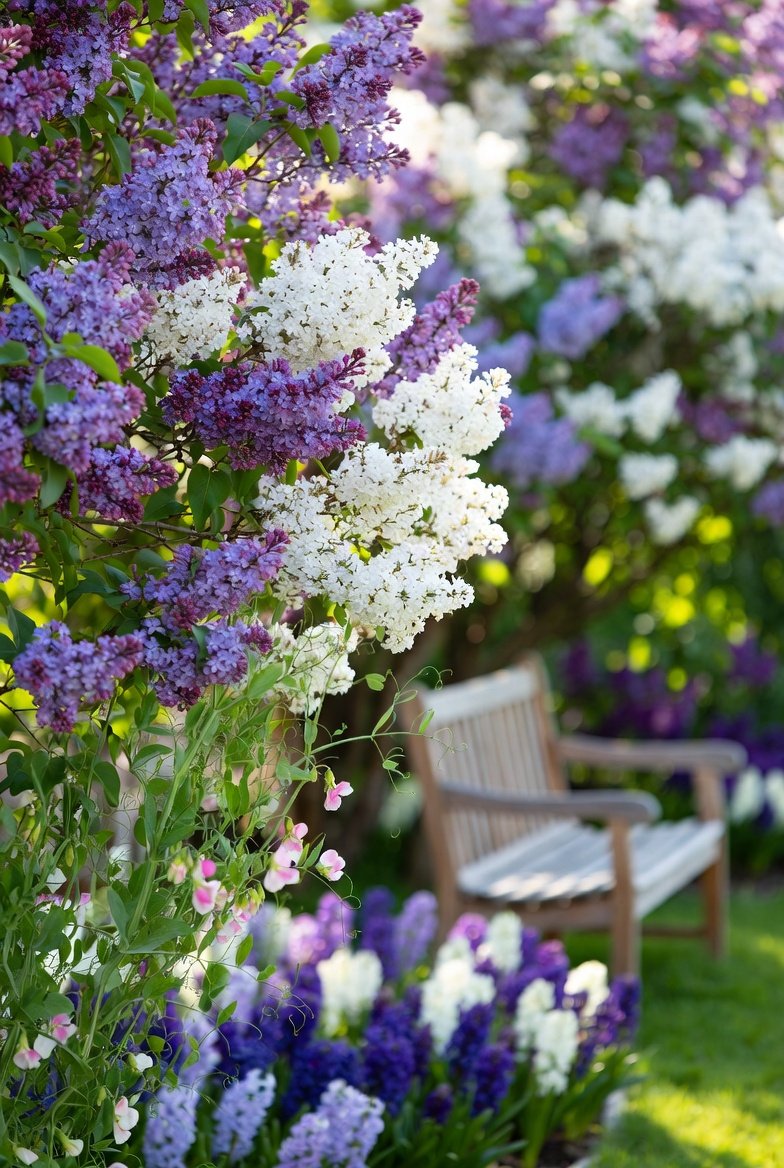
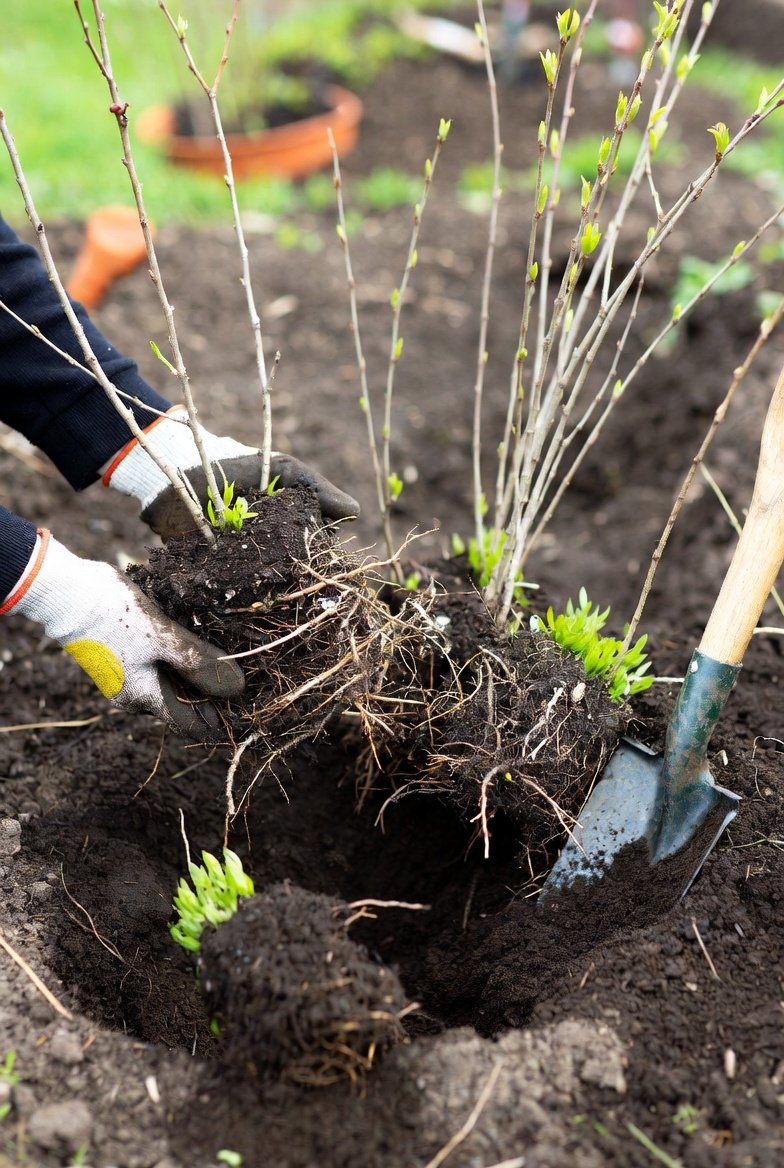
But there’s a catch: if you’re adding shrubs or trees to your landscape this spring, timing changes what you should buy. Bare-root plants work best early in the season while temperatures are still cool and rain is more frequent; once you’re closer to summer, switch to container-grown plants, which already have an established root system to handle summer stress.
10. Use Raised Beds for Better Drainage and Easier Care
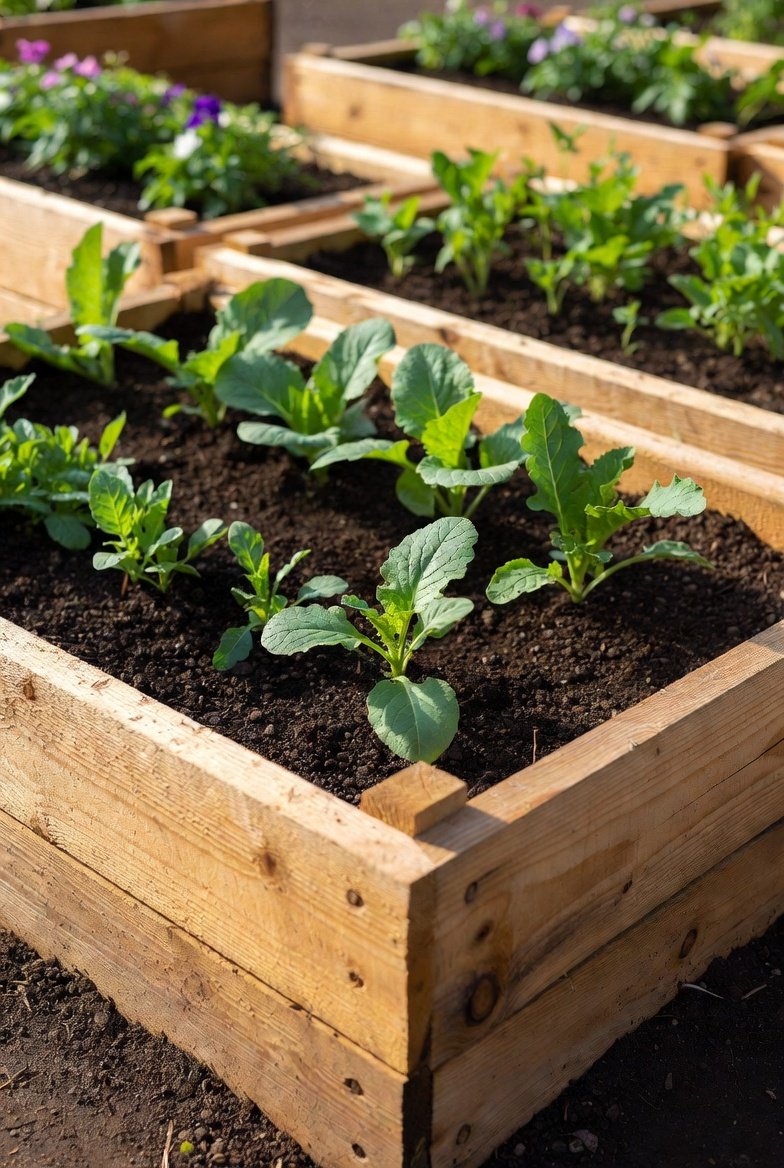
Raised garden beds improve drainage, boost soil quality, and make maintenance noticeably easier especially valuable for root vegetables like carrots, beets, and onions, which need loose, well-aerated soil to develop properly.
11. Try a Spring Container Garden for Patios and Entryways
You don’t need a full yard to enjoy spring planting. A container filled with cold-tolerant annuals, herbs, and even a few edible greens makes a charming, low-commitment entryway display. A classic combination:
- A vertical accent like snapdragons or ornamental kale
- Mid-height color from pansies
- Edible additions like colorful lettuce or parsley
- A trailing plant like alyssum or vinca spilling over the edge
Save-worthy tip: old teapots, wooden crates, and vintage buckets make charming, budget-friendly planters if you want a cottage-style container look.
12. Use a Cold Frame to Extend Your Growing Season
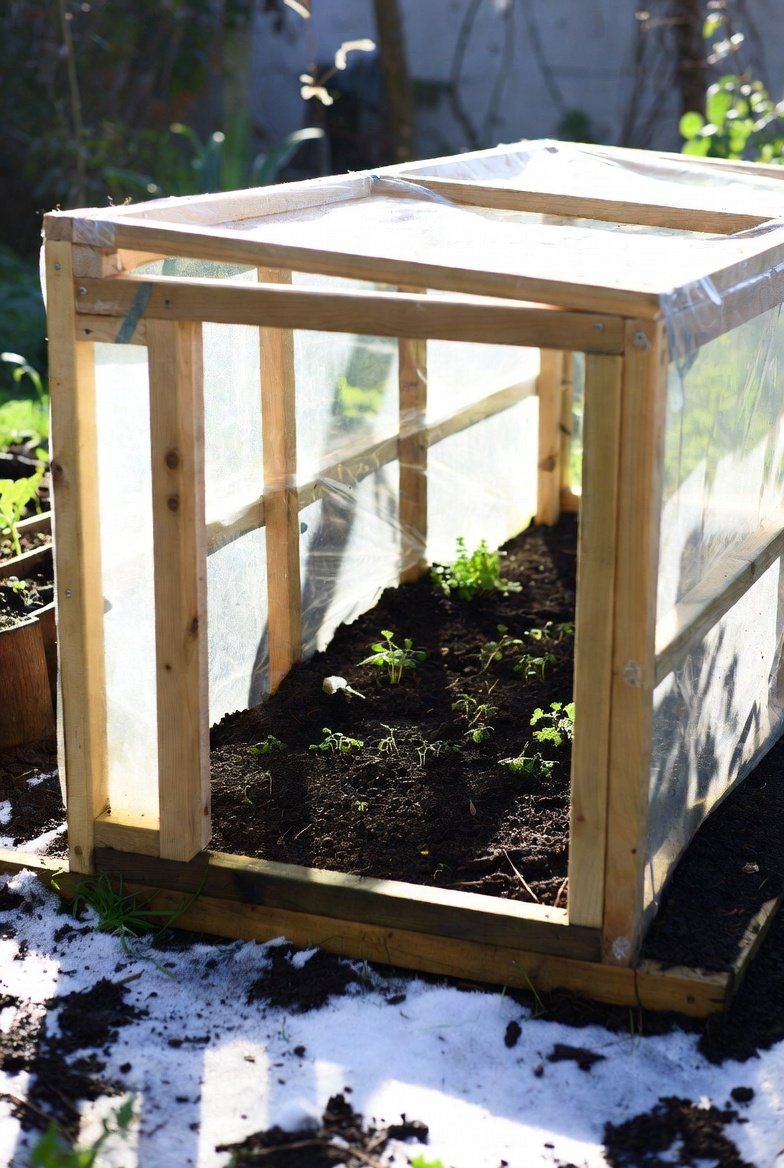
A simple cold frame protects young plants from late, unexpected frosts and lets you get a genuine head start on the vegetable garden especially useful if your region tends toward unpredictable spring weather.
13. Prep Your Soil Before Anything Goes in the Ground
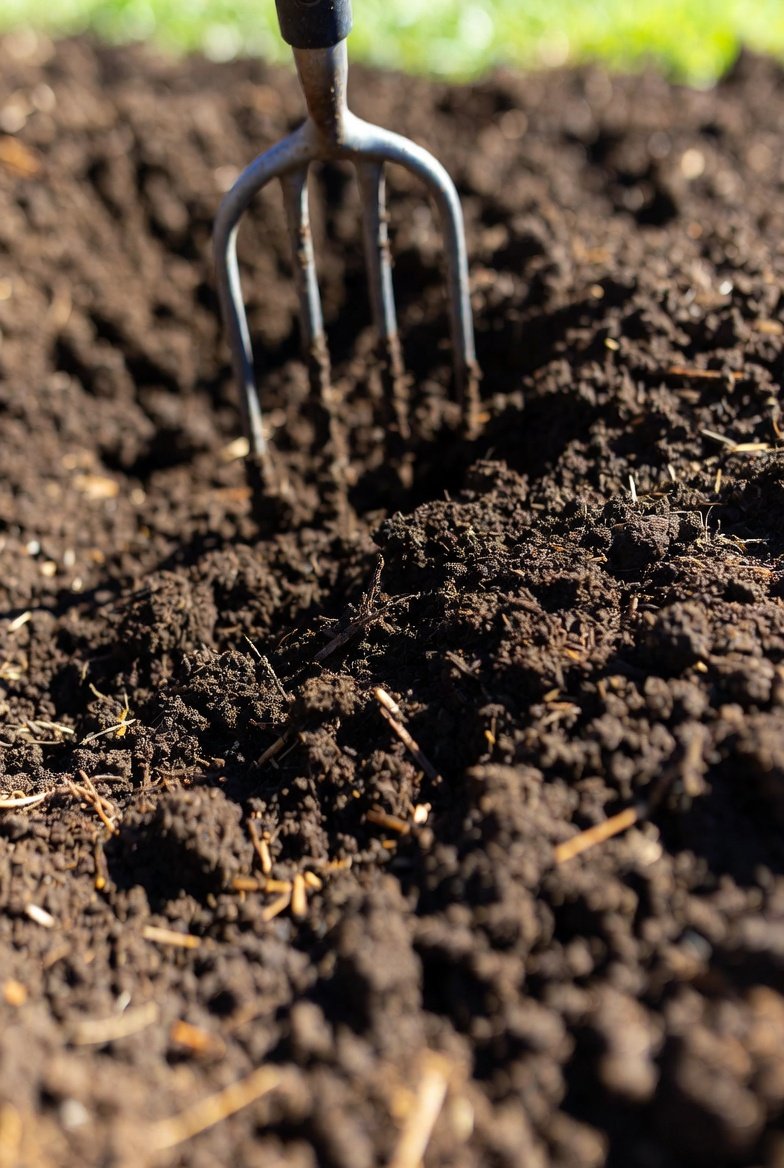
Bucket brigade: before you plant a single seed, give your soil a little attention. Remove weeds, rocks, and debris from beds, loosen the soil so roots can establish easily, and work in compost or other organic matter to improve structure and fertility. Skipping this step is one of the quietest reasons spring gardens underperform.
14. Stagger Plantings for a Steady Harvest, Not One Big Glut
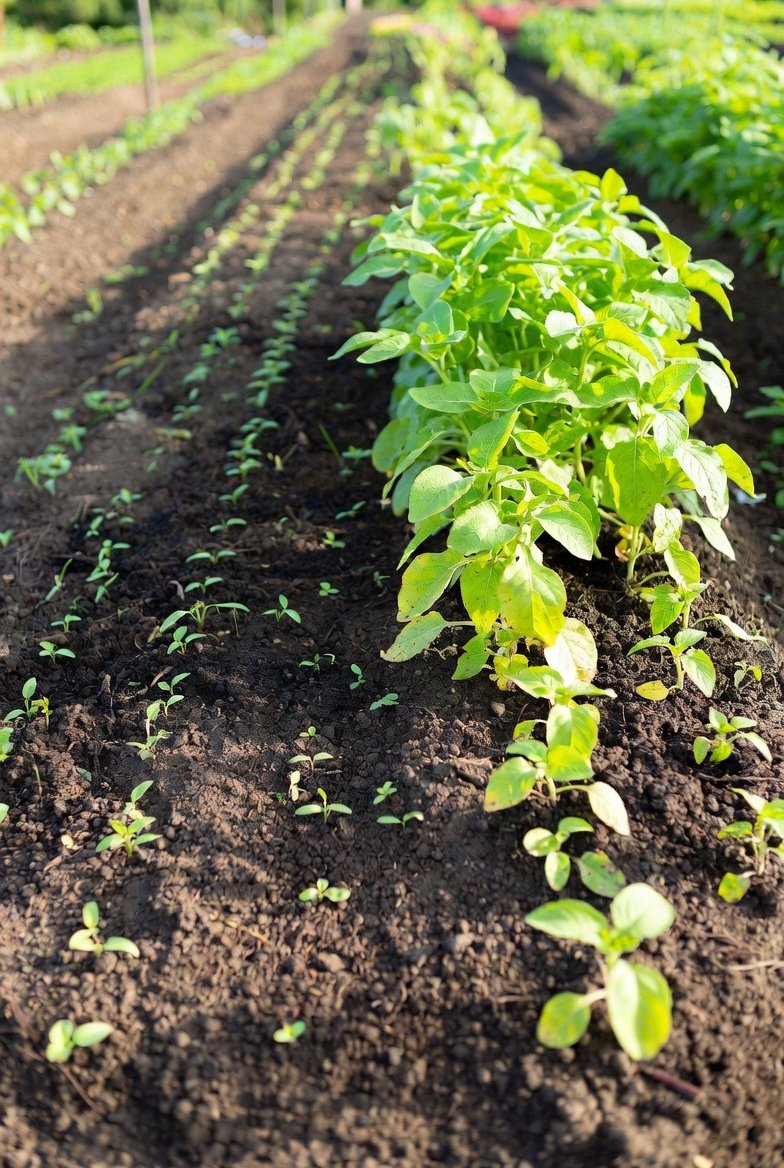
With fast-maturing crops like lettuce and other hardy greens, plant small batches every couple of weeks instead of sowing everything at once. This “succession planting” approach keeps your harvest spread out over weeks instead of arriving all at once and going to waste.
Image idea: a vertical shot of a raised bed with staggered rows of lettuce at different growth stages. Alt text: “Raised garden bed with staggered lettuce plantings for continuous spring harvest.”
Frequently Asked Questions
What should I plant first in a spring garden?
Cool-season crops like peas, spinach, lettuce, and radishes, along with cold-tolerant annuals like pansies, can go in as soon as the soil is workable well before your last frost date.
When is it safe to plant tomatoes and other warm-season crops?
Wait until after your local last frost date, when both soil and air temperatures have warmed consistently, since these crops are sensitive to any lingering cold.
What flowers are easiest to grow in spring for beginners?
Marigolds and petunias are especially beginner-friendly, thriving in full sun with well-draining soil and requiring minimal care to bloom reliably.
Can I start a spring garden with just containers?
Absolutely. A single container combining a vertical plant, mid-height flowers, an edible green, and a trailing plant can create a full, charming display without any in-ground space.
Do I need to fertilize before spring planting?
Working compost or organic matter into your soil before planting is usually enough for most spring crops; heavier feeding can come later based on what you’ve planted.
What’s the benefit of a cold frame in spring?
A cold frame protects young, tender plants from late frosts, letting you plant earlier and extend your effective growing season without losing seedlings to a cold snap.
Your Spring Garden, Ready to Grow
Spring planting comes down to timing more than talent know your cool-season and warm-season windows, prep your soil, and mix in a few fragrant, pollinator-friendly, or purely fun choices along the way. Start with two or three ideas from this list that fit your space, and build from there as the season warms up.