
Close your eyes and picture a coastal room. If what popped up was a rope-wrapped mirror, a fishing net on the wall, and a throw pillow that says “Life’s a Beach,” you’re picturing 2010, not 2026.
Modern coastal decor has quietly evolved into something far more sophisticated and honestly, far more livable. It’s less about beach souvenirs and more about the feeling of the coast: soft light, natural texture, breathing room, and a palette pulled straight from sand, sea glass, and driftwood. Keep reading, because idea #5 below is the one styling shift that instantly separates “elevated coastal” from “beach gift shop,” and most guides never mention it.
By the end of this guide, you’ll have more than a dozen practical ways to bring a calm, grounded coastal aesthetic into your home whether you live three blocks from the ocean or three states away using natural, sustainable materials that feel as good as they look.
Save this guide for later so you have it ready the next time you’re refreshing a room.
What Modern Coastal Decor Actually Means in 2026
Here’s the thing: coastal decor was never really about the ocean itself. It’s about the feeling the ocean gives you openness, ease, and a sense that nothing is trying too hard.
The modern version of this style has moved away from literal beach themes and toward what designers now call coastal modernism: clean lines, natural materials, and light-filled spaces that feel connected to the water without leaning on shells, anchors, or nautical stripes to say it out loud. Texture and natural materials do the talking instead.
This shift matters for anyone decorating today, because it means coastal style now works in almost any home, in any climate not just an actual beach house. It also pairs naturally with sustainable living, since the materials that define this look (linen, rattan, reclaimed wood, natural stone) are the same materials favored by eco-conscious design in general.
1. Build Your Palette Around Light, Not Just Blue
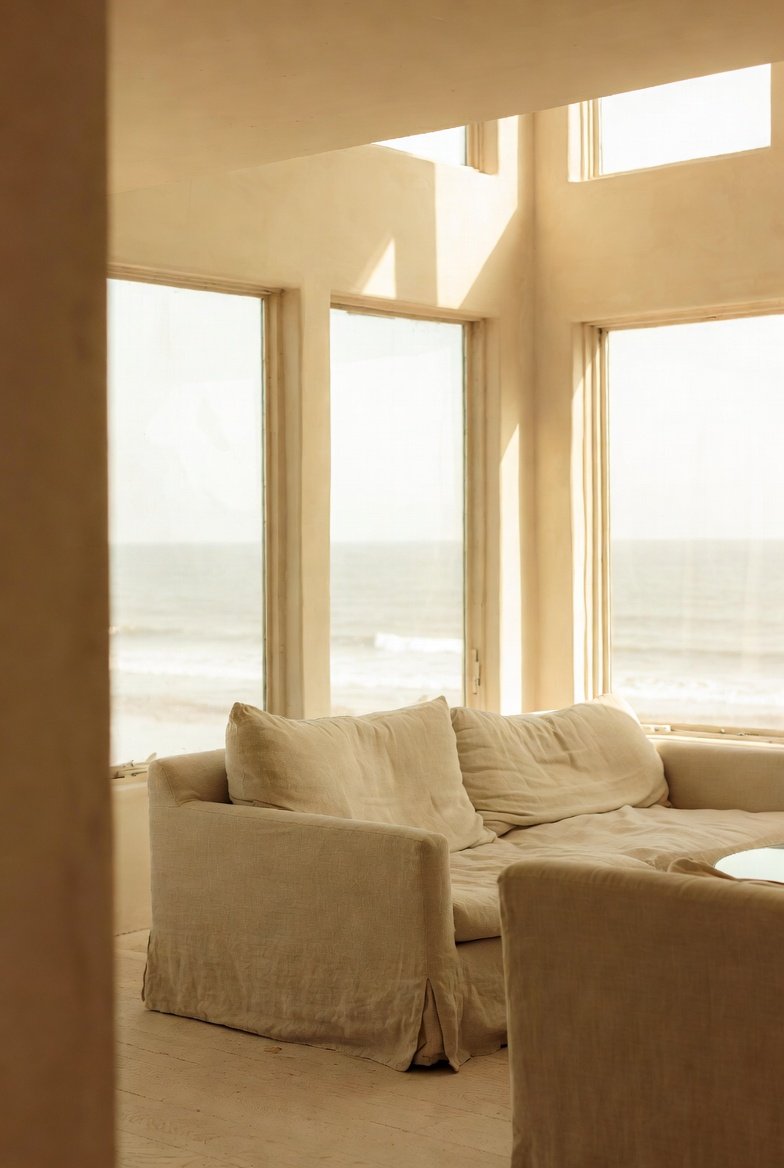
The biggest myth about coastal decor is that it has to be blue and white. It doesn’t. What actually defines the style is a light, airy palette, not a specific color.
Try building your base around:
- Warm white and Cloud Dancer-style off-whites for walls and large furniture
- Sandy beige, oatmeal, and driftwood grey for flooring and larger textiles
- Soft sea-glass green, muted sage, or a deep pluff-mud brown as an unexpected accent
Quick tip: if you want a truly current, elevated coastal look, pull your accent color from nature around your actual home rather than defaulting to ocean blue a deep forest green or warm clay can feel just as coastal, and considerably more original.
2. Let Natural Materials Set the Foundation
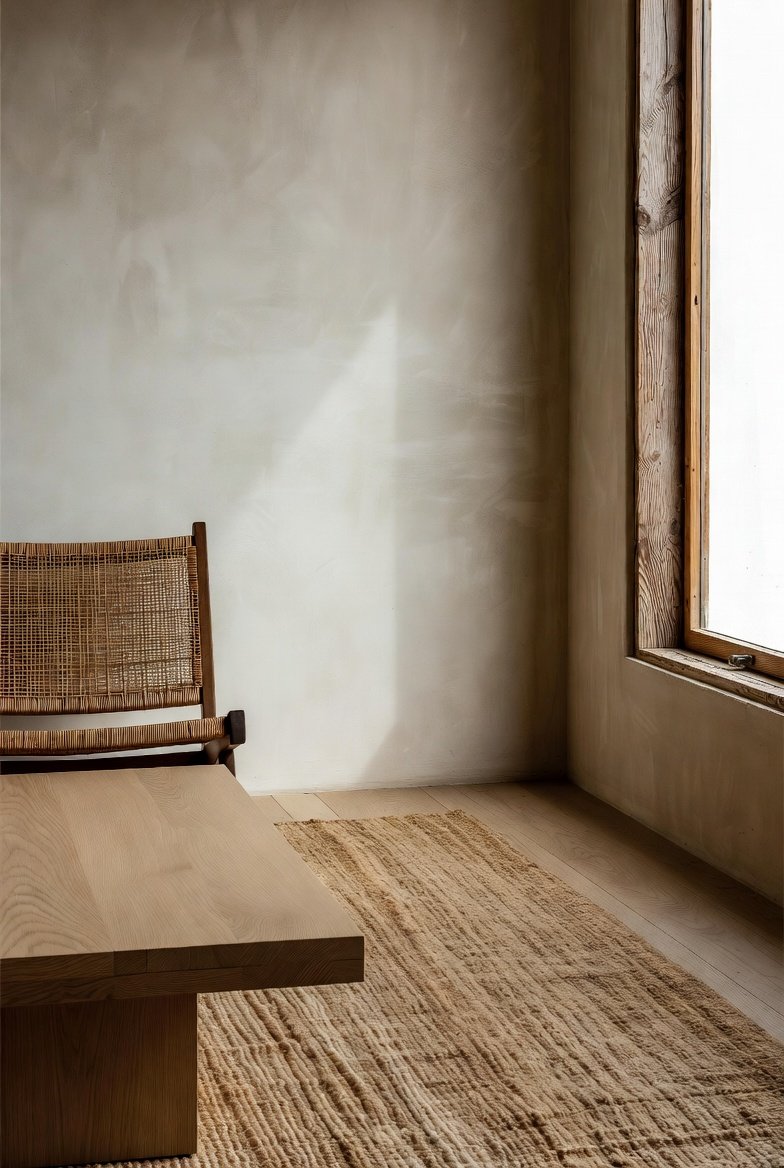
This is where coastal decor and an eco-conscious home overlap almost perfectly, and it’s the biggest opportunity most coastal decor guides skip entirely.
Light woods, linen, jute, rattan, and stone are the defining materials of coastal style and every one of them is also a natural, lower-impact choice compared to synthetic alternatives. Look for:
- FSC-certified or reclaimed light wood furniture
- Organic linen or cotton upholstery and curtains
- Handwoven jute, sisal, or seagrass rugs
- Natural stone or ceramic accents over plastic or resin lookalikes
Save-worthy takeaway: the materials that make a room look coastal raw texture, organic shapes, a slightly imperfect handmade quality are the exact same materials that make a room more sustainable. You don’t have to choose between the two.
3. Choose Hardware That Can Handle Salt Air (Even Inland)
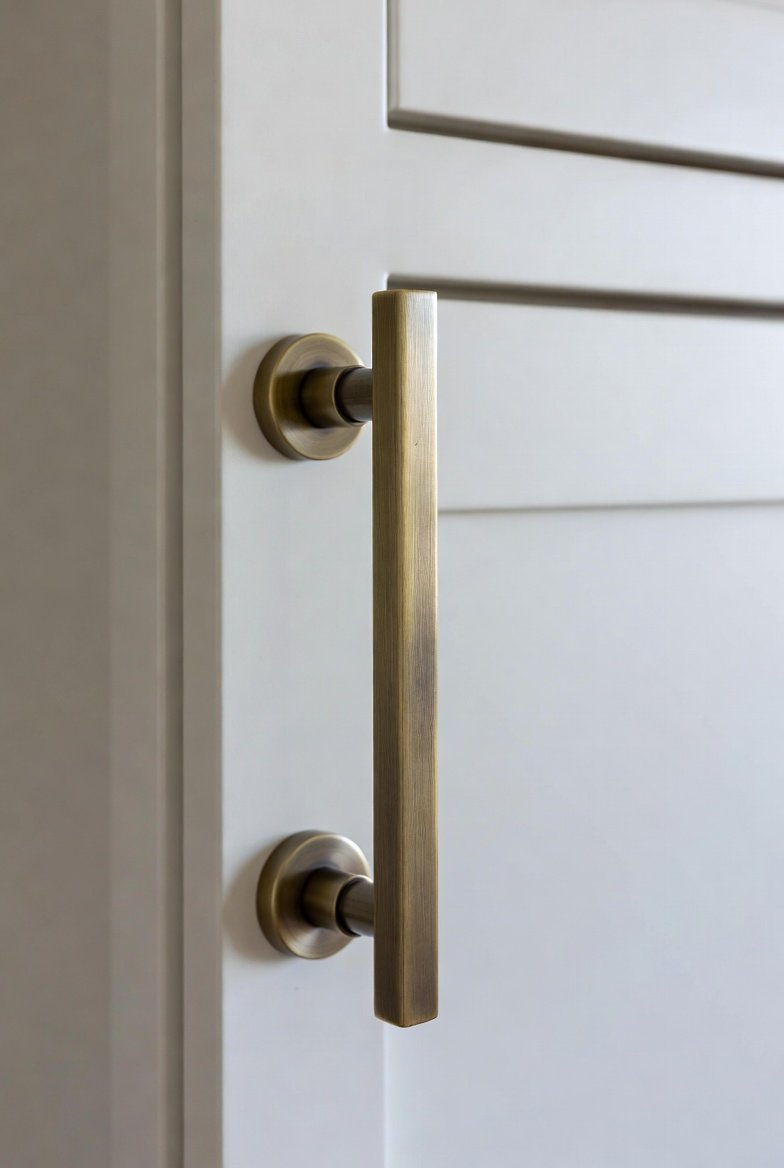
If you’re decorating an actual coastal home, this tip is essential. If you’re not, it’s still worth borrowing, because the finishes involved happen to look beautiful anywhere.
Salt air corrodes standard brass and many metal finishes over time. Solid bronze hardware, by contrast, develops a rich patina that only improves with age instead of breaking down. For cabinet pulls, light fixtures, and door hardware, look for:
- Solid bronze or brushed brass rated for coastal or outdoor use
- Matte black finishes, which resist visible corrosion well
- Ceramic or wood hardware for a softer, more organic look
4. Keep Furniture Streamlined, Not Themed
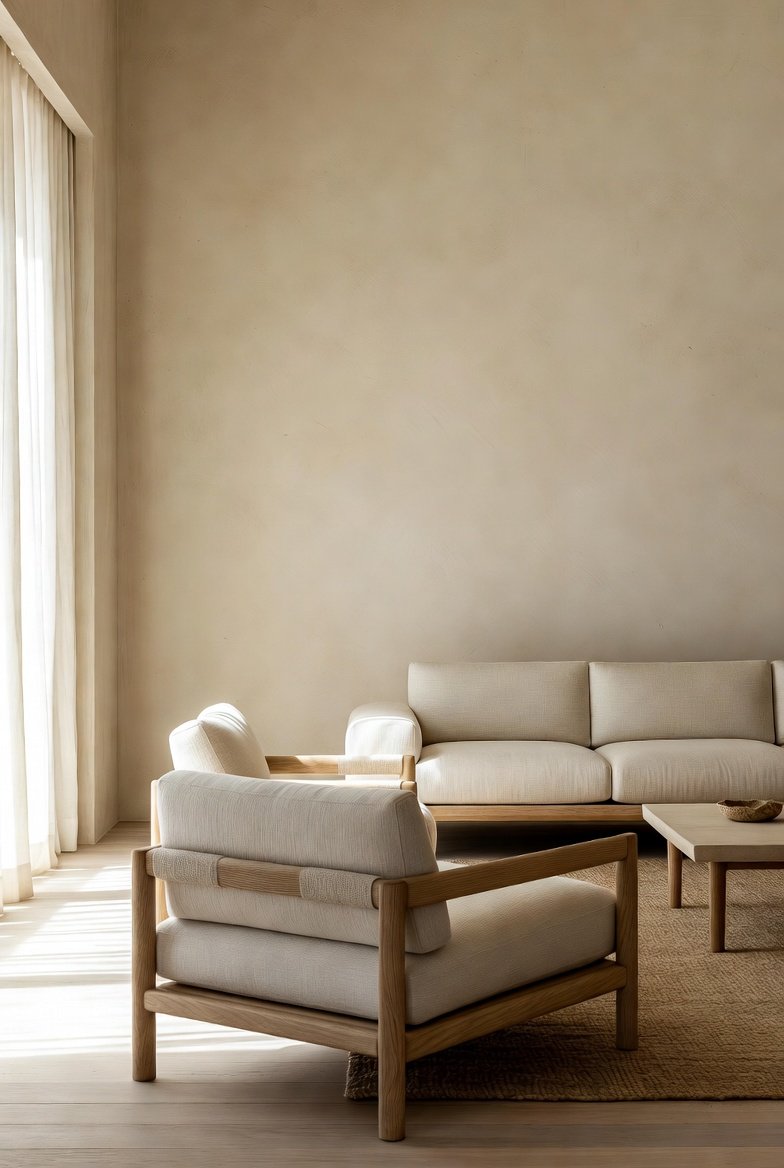
Modern coastal design rewards restraint. Skip anchor-shaped side tables and rope-wrapped everything, and instead choose furniture with clean, simple lines and natural texture doing the visual work instead of literal beach imagery.
- Choose a slipcovered or linen-upholstered sofa in a light neutral
- Add one rattan or cane accent chair for texture without bulk
- Use a light-wood coffee table with visible grain instead of a glossy, dark finish
A clutter-free, function-first approach isn’t just a modern coastal signature it also happens to be one of the easiest ways to keep any small or open-plan space feeling calm.
Read Also: Green Nest Hubs
5. Swap Literal Beach Motifs for Abstract, Nature-Inspired Art
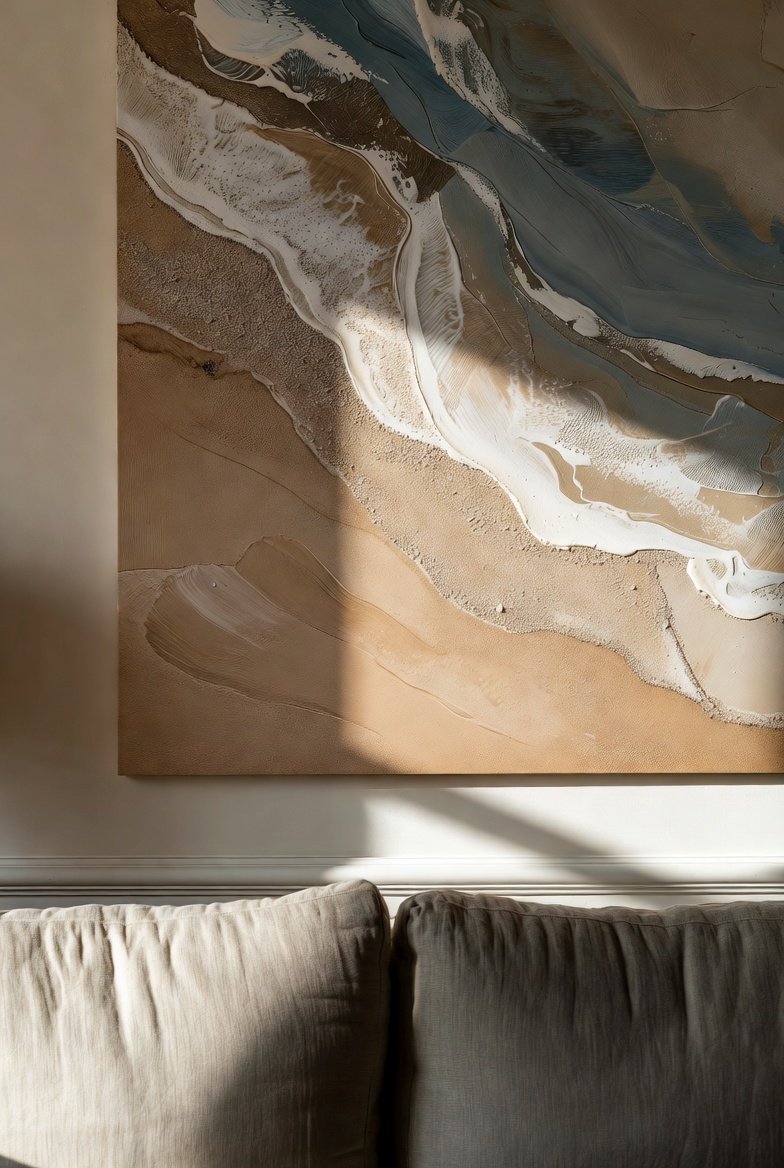
Here’s the tip most people get wrong: they reach for a framed photo of a lighthouse or a canvas print of seashells, and it instantly dates the whole room.
Instead, choose art that evokes the coast without depicting it literally:
- Abstract ocean-toned paintings or watercolor prints
- Sculptural pieces made from driftwood or reclaimed wood
- Black-and-white coastal photography with a documentary, not touristy, feel
This one swap does more to modernize a coastal room than almost anything else on this list — it keeps the feeling of the coast without tipping into kitsch.
6. Layer Texture the Way the Coast Does
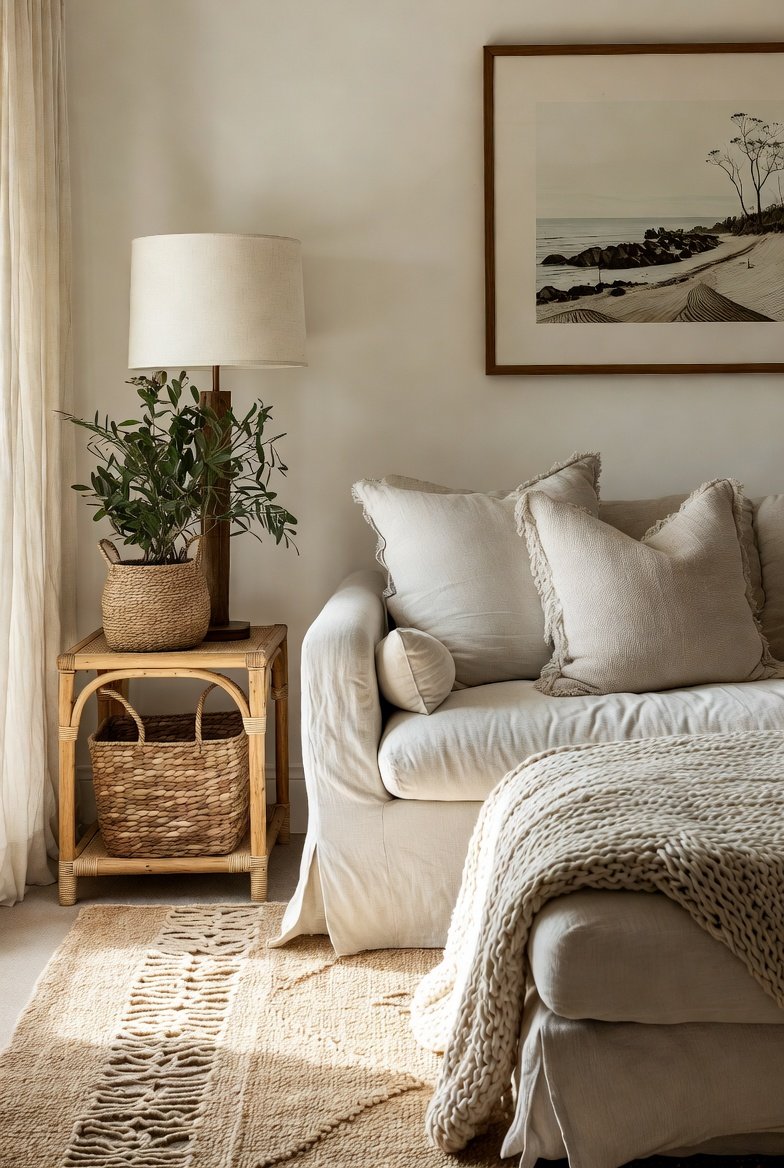
Since a light, neutral coastal palette limits color contrast, texture becomes your main design tool the same way it does in any neutral-driven aesthetic.
Mix in:
- Chunky knotted wool or knit throws
- Handwoven baskets in jute or seagrass
- Nubby linen and boucle upholstery
- Smooth, hand-thrown ceramic vases
- Raw, lightly finished driftwood or reclaimed wood accents
When you combine soft, rough, matte, and smooth textures against a quiet color palette, the room feels rich and tactile instead of empty which is exactly the sensation a real coastal environment gives you.
7. Bring the Outdoors In With Real Greenery
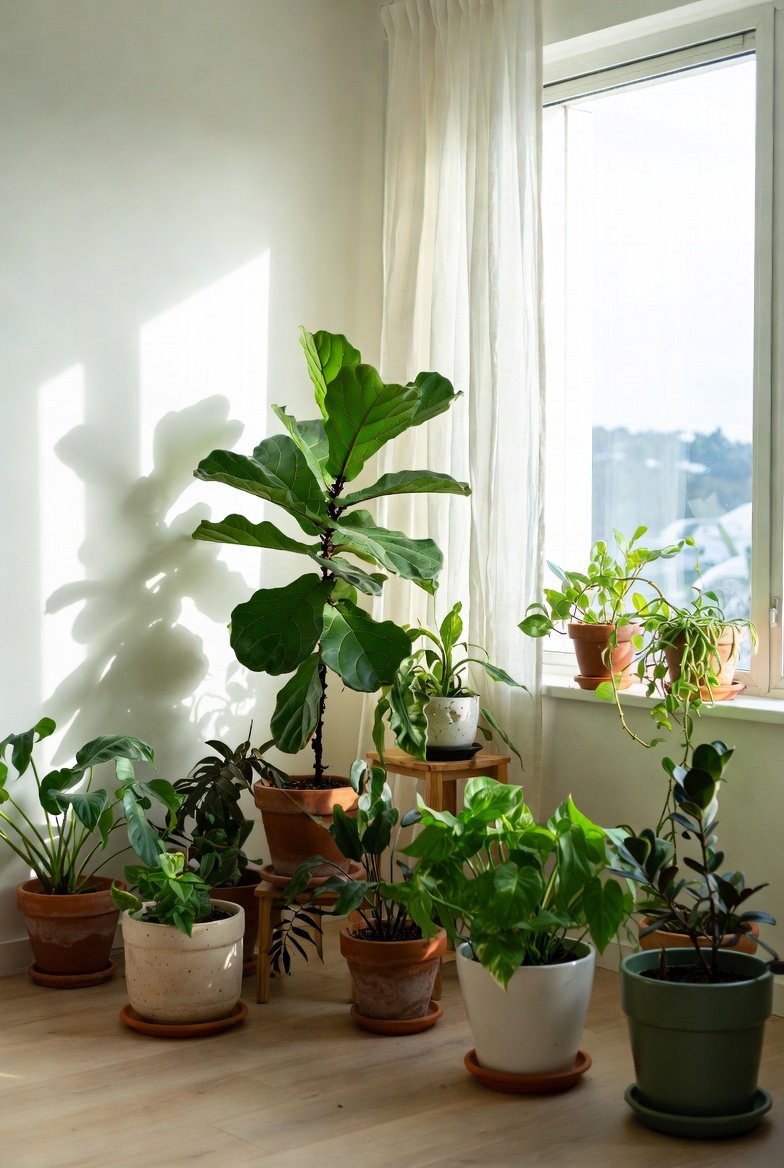
Indoor plants do double duty in a coastal space: they add organic color, and they visually echo the dune grasses, palms, or coastal greenery just outside. Even in a landlocked home, greenery reinforces the “connection to nature” that defines this style.
Easy, coastal-friendly options:
- Potted palms or areca palms for a bold, tropical silhouette
- Trailing pothos or ferns for softness on shelves
- Dried pampas grass, sea oats, or eucalyptus for zero-maintenance texture
- A single large olive tree as a sculptural statement piece
8. Use Woven and Natural-Fiber Rugs Underfoot
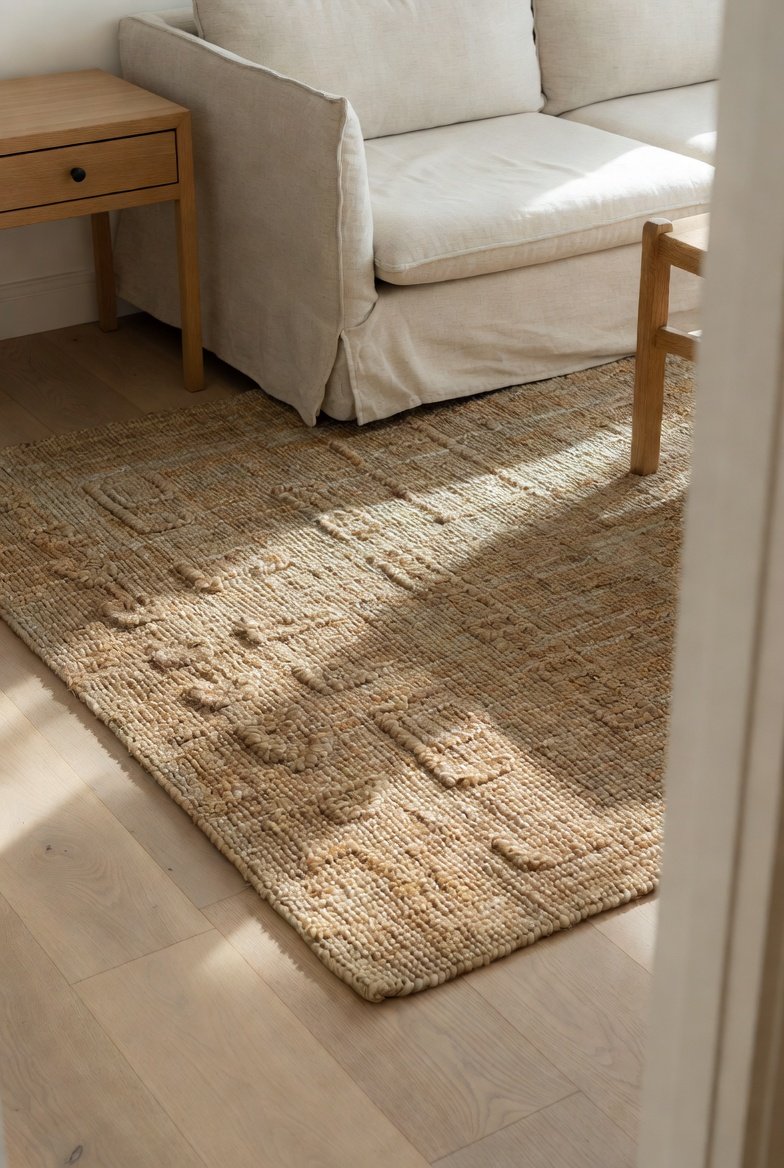
A knotted wool or handwoven sisal rug does more than ground a room in coastal-adjacent homes, natural fiber rugs also hide sand and everyday wear far better than delicate synthetic weaves.
- Choose a flat-weave jute or sisal rug as a durable base layer
- Layer a smaller wool or chunky knit rug on top for softness
- Stick to tonal, undyed colors so the rug reads as natural rather than “beach themed”
9. Bring in Tactile, Durable Finishes
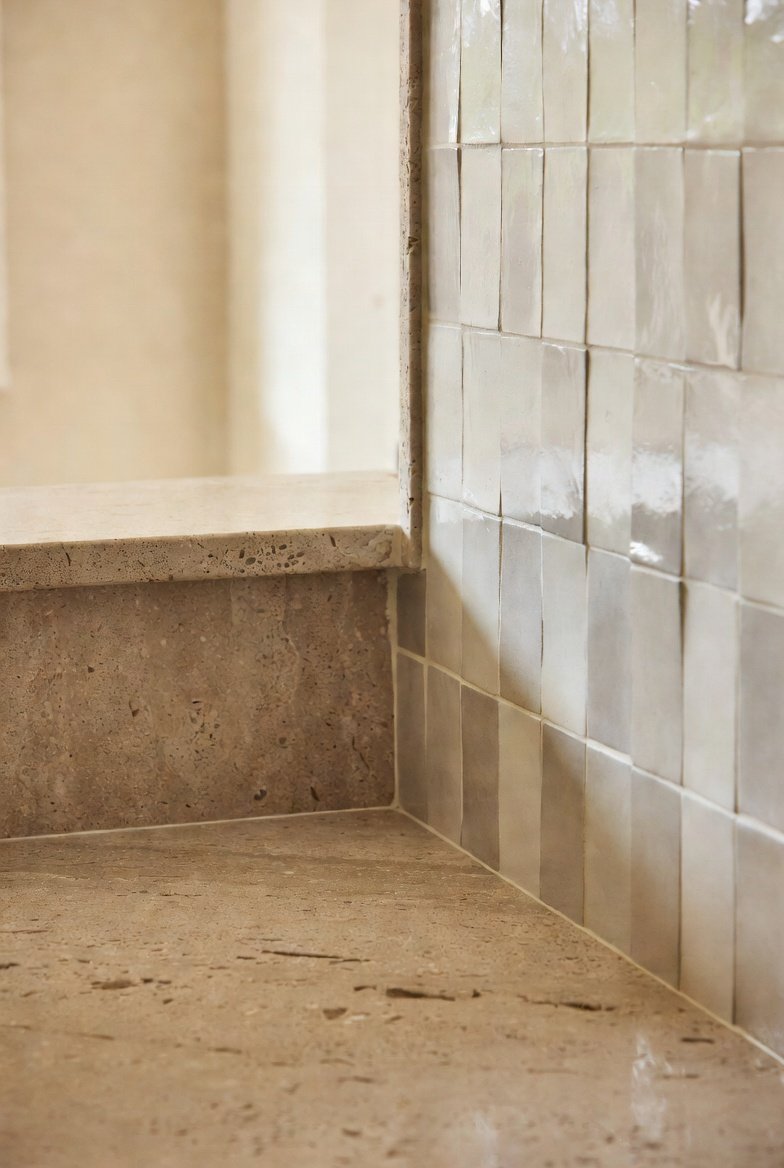
2026’s coastal interiors lean heavily on textured, handcrafted-feeling finishes rather than smooth, glossy surfaces. These finishes are especially well suited to humid, high-traffic coastal climates, but they add warmth and depth in any home.
- Limewash or mineral-based paint for walls with subtle, cloud-like texture
- Microcement or tumbled stone in bathrooms and entryways
- Fluted or ribbed wood paneling on cabinetry or accent walls
- Handmade ceramic tile in kitchens and bathrooms for heirloom character
10. Maximize Natural Light Everywhere You Can
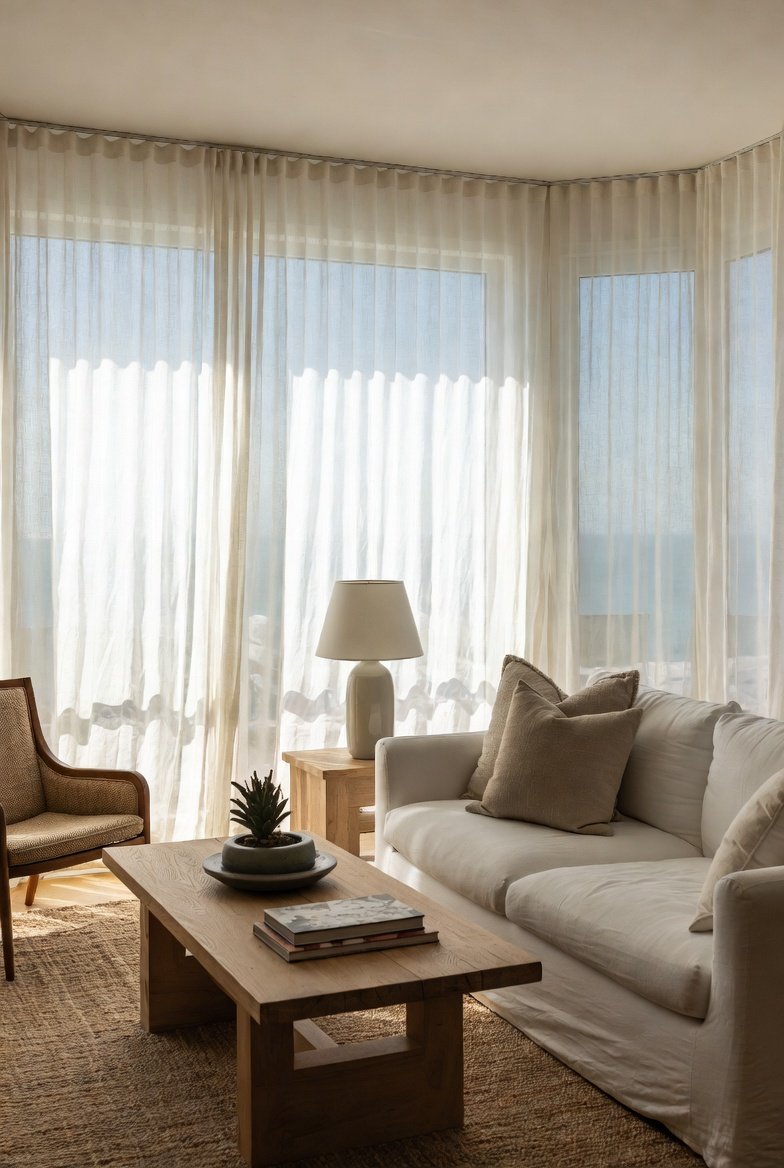
Soft, abundant natural light is the backbone of every coastal room, modern or traditional. Heavy, dark drapery works against the entire aesthetic.
- Swap heavy curtains for airy linen or sheer drapes
- Keep window sills clear so nothing blocks incoming light
- Add layered lighting woven pendant fixtures, warm table lamps, and soft evening lighting so the room still feels calm after the sun goes down
11. Create an Indoor-Outdoor Flow
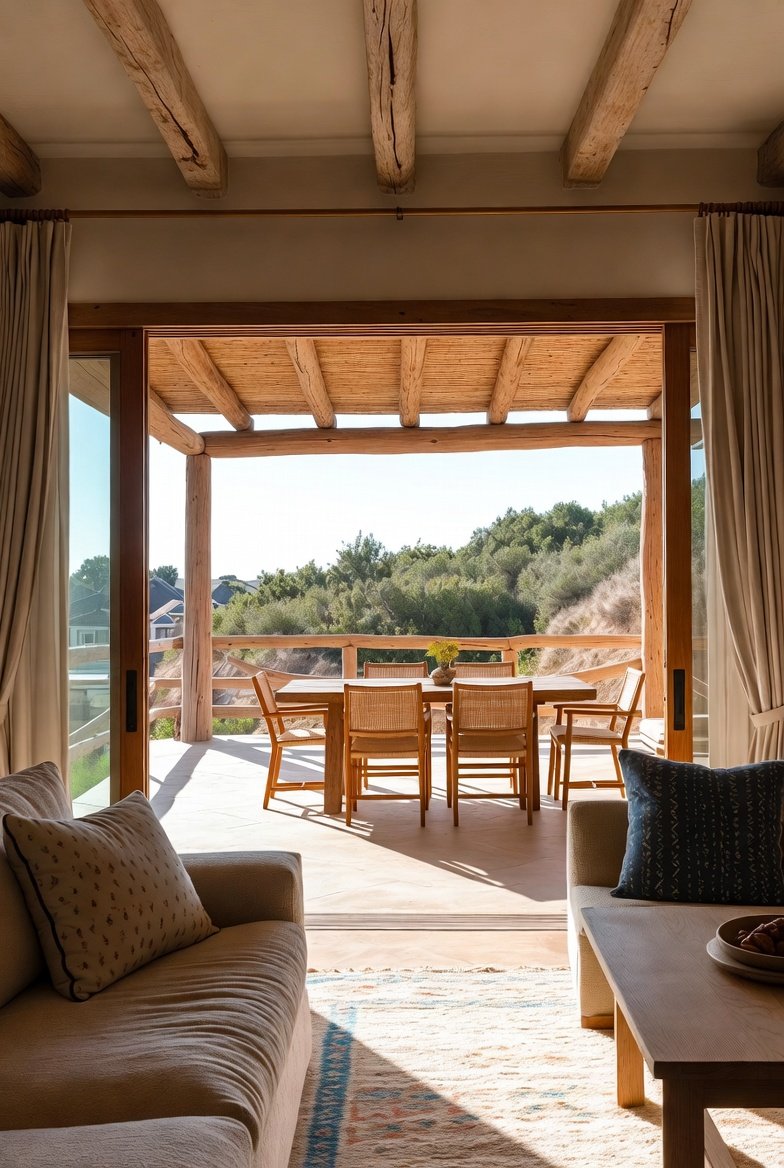
Even without direct beach access, you can borrow the coastal habit of blurring the line between inside and outside. This is one of the defining features of the coastal modernism movement shaping 2026 interiors.
- Choose furniture and materials that could believably sit indoors or on a covered porch
- Repeat the same natural material palette (light wood, linen, stone) in both spaces
- If you have sliding doors or large windows, keep window treatments minimal so the view itself becomes part of the decor
12. Curate, Don’t Collect
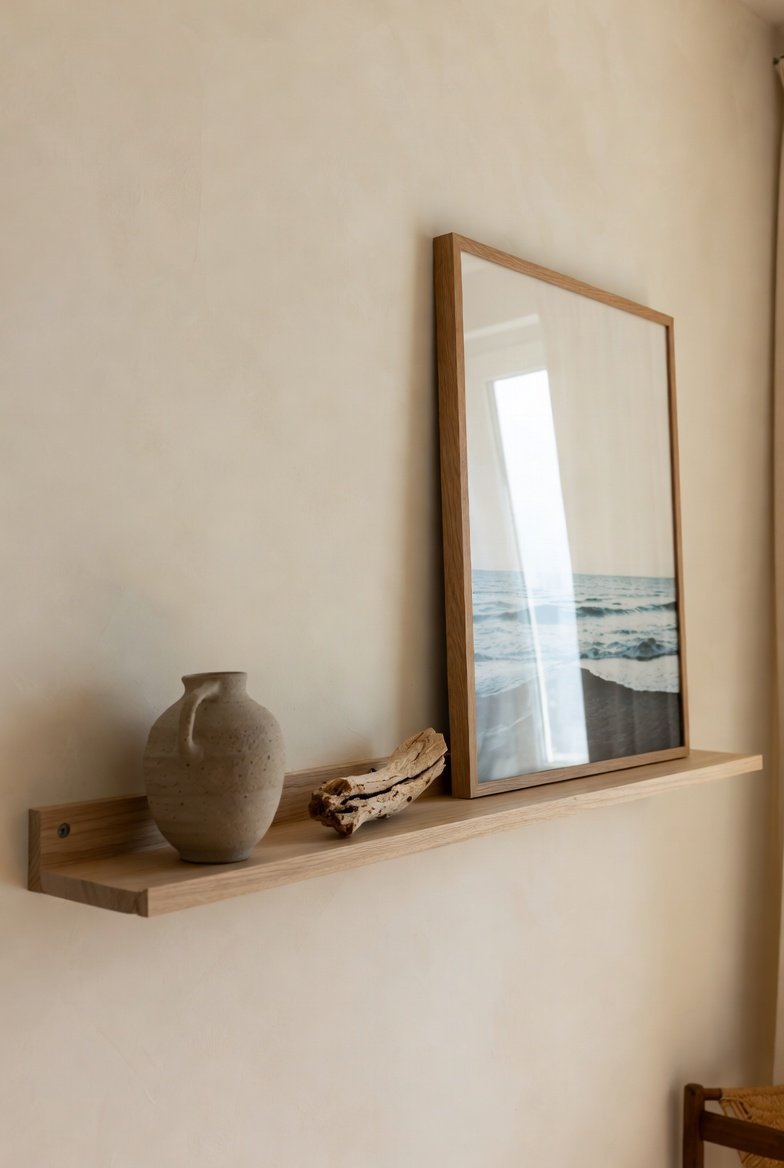
A common coastal decorating trap is going overboard with “a collection” shells in every bowl, driftwood on every shelf, blue-and-white striped everything. It’s an easy habit to fall into, but it’s also the fastest way to tip a room from elevated into kitschy.
Instead, choose one or two natural collections and display them with intention:
- A single bowl of stones or shells on a console, not scattered across every surface
- One meaningful piece of driftwood art rather than driftwood accents in every room
- A curated stack of books and a single ceramic vase instead of a shelf full of trinkets
So what does this mean for you? Treat coastal motifs the way you’d treat any accent sparingly, and only where they add real texture or meaning, not just theme.
13. Invest in Fewer, Better, Longer-Lasting Pieces
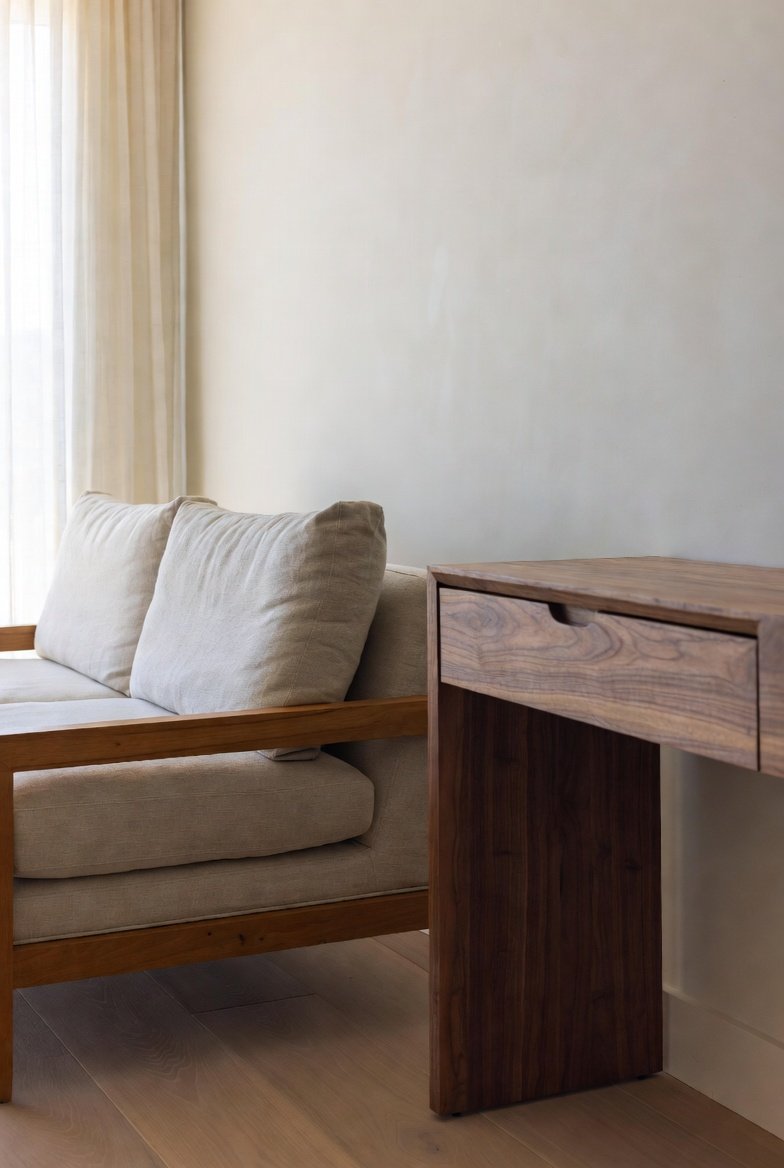
Sustainable luxury is one of the defining threads running through 2026 coastal design, and it shows up as a preference for quality over quantity. Rather than filling a room with fast-furniture pieces, the current coastal aesthetic favors one well-made, artisan-quality piece over several disposable ones.
- Choose one custom or handmade dining table instead of a mass-produced set
- Invest in a single statement pendant light rather than several generic fixtures
- Select artisan-made ceramics or textiles that age gracefully instead of trend-driven decor that won’t
This isn’t just a design preference pieces made from reclaimed wood, organic textiles, and durable natural materials genuinely hold up better in humid, sun-exposed coastal climates, and they reduce the churn of replacing decor every few years.
Apply the Coastal Aesthetic Room by Room
Coastal decor doesn’t need to look identical in every room it just needs the same natural materials and light-driven palette running through the whole house.
- Living room: anchor with a linen-upholstered sofa, a light-wood coffee table, and one rattan accent chair, then layer in a handwoven jute rug and a chunky knit throw for texture.
- Bedroom: lean into soft, breathable textiles organic cotton or linen bedding, a woven headboard, and sheer curtains to create a restful, dune-grass-quiet retreat.
- Kitchen: use light wood open shelving, handmade ceramic dishware, and a woven pendant light over the island to keep the space airy without feeling sparse.
- Bathroom: tumbled stone or handmade tile, a natural fiber bath mat, and a single sculptural driftwood or ceramic accent bring the aesthetic somewhere it’s often forgotten.
- Entryway: a woven bench or console in reclaimed wood, paired with one abstract coastal-toned print, sets the tone for the whole home the moment someone walks in.
A well-chosen entryway sets expectations for everything beyond it, so it’s worth the same care as your main living spaces even though it’s often the smallest room in the house.
Common Coastal Decor Mistakes to Avoid
Mistake #1: Going too literal. Anchors, sailboats, and “Life’s a Beach” signage read as gift-shop decor rather than genuine coastal design. Let materials and light do the work instead.
Mistake #2: Overusing blue and white. It’s a classic combination, but leaning on it exclusively is what makes a coastal room feel dated. Broaden the palette with greens, browns, and warm neutrals.
Mistake #3: Choosing synthetic materials for a “beachy” look. Faux rattan, printed nautical fabric, and resin “driftwood” accents tend to look flat compared to the real, textured materials they’re imitating and they don’t hold up nearly as well.
Mistake #4: Skipping texture in favor of color. A pale, monochromatic room without varied texture can feel flat and unfinished, no matter how perfectly the color palette is chosen.
Mistake #5: Collecting instead of curating. A shelf crowded with shells, coral, and beach finds reads as clutter, not style. One meaningful piece almost always beats several small ones.
A Simple Checklist Before You Start Shopping
- Have you chosen a light, nature-inspired palette that goes beyond blue and white?
- Are your material choices natural (wood, linen, rattan, stone) rather than synthetic lookalikes?
- Do you have at least three different textures planned in the room?
- Is your art abstract or nature-inspired rather than literally beach-themed?
- Have you planned for layered natural and artificial lighting?
- Are you investing in fewer, higher-quality pieces rather than several trend-driven ones?
Why This Aesthetic Pairs So Naturally With Sustainable Living
Coastal design and sustainable design aren’t separate trends that happen to overlap in 2026 they’re built from the same instincts. Both favor natural materials over synthetic ones, texture over excess, and durability over disposability. A linen sofa, a reclaimed-wood console, and a handwoven jute rug are coastal staples specifically because they’re honest, natural materials that age well which also happens to make them better for your indoor air quality and lower-impact over their lifetime.
Choosing low-VOC or mineral-based paints, FSC-certified wood, and organic textiles doesn’t just support a more sustainable home. In coastal decor specifically, it also supports the entire aesthetic: nothing looks more “coastal” than materials that were built to weather beautifully rather than wear out.
Frequently Asked Questions
Does coastal decor have to include blue and white?
No. While blue and white is a classic combination, current coastal design leans on a broader palette of warm neutrals, greens, and earthy tones inspired by sand, dune grass, and driftwood.
How do I make coastal decor feel modern instead of themed?
Swap literal motifs (shells, anchors, nautical stripes) for natural materials, abstract art, and texture. The feeling of the coast should come through material and light, not literal imagery.
Can I create a coastal aesthetic if I don’t live near the ocean?
Absolutely. Coastal decor is really a light, natural-material, texture-driven style that works in any climate the ocean itself is optional.
What materials are essential to a coastal look?
Light woods, linen, jute, rattan, and natural stone are the core materials that define coastal style, whether traditional or modern.
Is coastal decor compatible with sustainable, eco-friendly design?
Yes, very naturally. The natural materials that define coastal style reclaimed wood, organic linen, handwoven natural fibers are the same materials favored by sustainable design more broadly.
How much coastal-themed decor is too much?
If you can count more than two or three literal coastal motifs (shells, driftwood art, nautical accents) in one room, it’s likely tipping from curated into cluttered. Choose one or two meaningful pieces instead.
Final Thoughts
Modern coastal decor isn’t about recreating a souvenir shop in your living room it’s about borrowing the feeling of the coast: light, texture, natural materials, and room to breathe. Start with your palette, layer in real natural materials, and choose one or two meaningful pieces over a shelf full of small ones. The calm, elevated look will follow.