
Here’s a secret most beginner gardeners never hear: the most stunning flower gardens on your street usually aren’t the ones with the most work poured into them. They’re the ones designed smart from the start.
If you’ve ever planted a garden full of gorgeous annuals only to abandon it by July because the weeding, watering, and deadheading became a second job you’re not alone, and you’re not doing anything wrong. You just started with the wrong plants and the wrong layout. Fix those two things, and the garden practically takes care of itself.
Stick around for idea #6 it’s the one change most people never think to make, and it single-handedly cuts weekly maintenance time in half.
Save this guide before you head to the garden center it’ll save you from buying plants you’ll regret by August.
1. Build Your Backbone With Perennials, Not Annuals
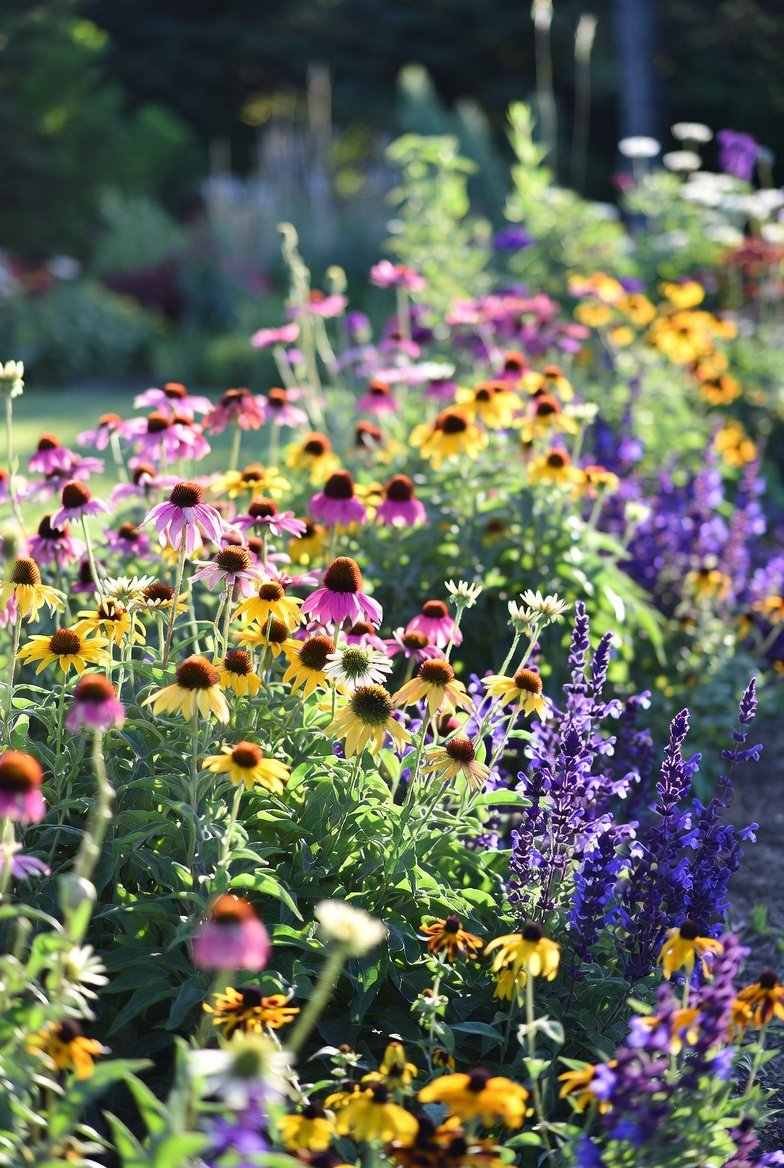
Here’s the thing about annuals: they look spectacular for one season, then you’re back at the garden center buying and planting the exact same bed all over again next spring. Perennials return on their own, year after year, with no reseeding or repurchasing required.
What to plant: Coneflower, black-eyed Susan, daylilies, and catmint are all reliable perennial performers that come back reliably and need minimal fussing once established.
So what does this mean for you? A garden that gets fuller and more established every year instead of starting from scratch every spring.
2. Go Native for Your Region
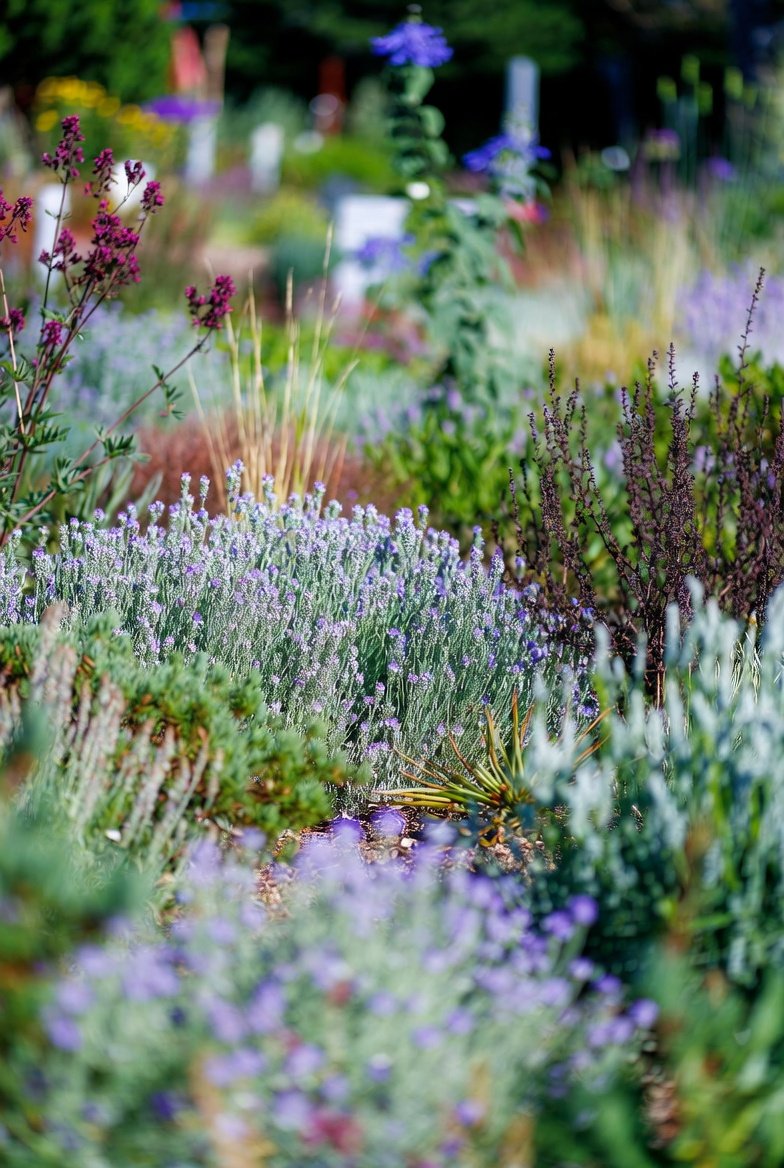
Native plants evolved to thrive in your exact climate, soil, and rainfall patterns which means they need less water, less fertilizer, and less pest control than imported ornamental varieties. This is one of the single biggest maintenance-reducers available, and it’s often the most overlooked.
Here’s the thing: a quick search for “[your state] native flowering perennials” or a visit to a local extension office plant list will point you toward species that are essentially pre-adapted to thrive on neglect in your yard specifically.
3. Choose Self-Deadheading Varieties
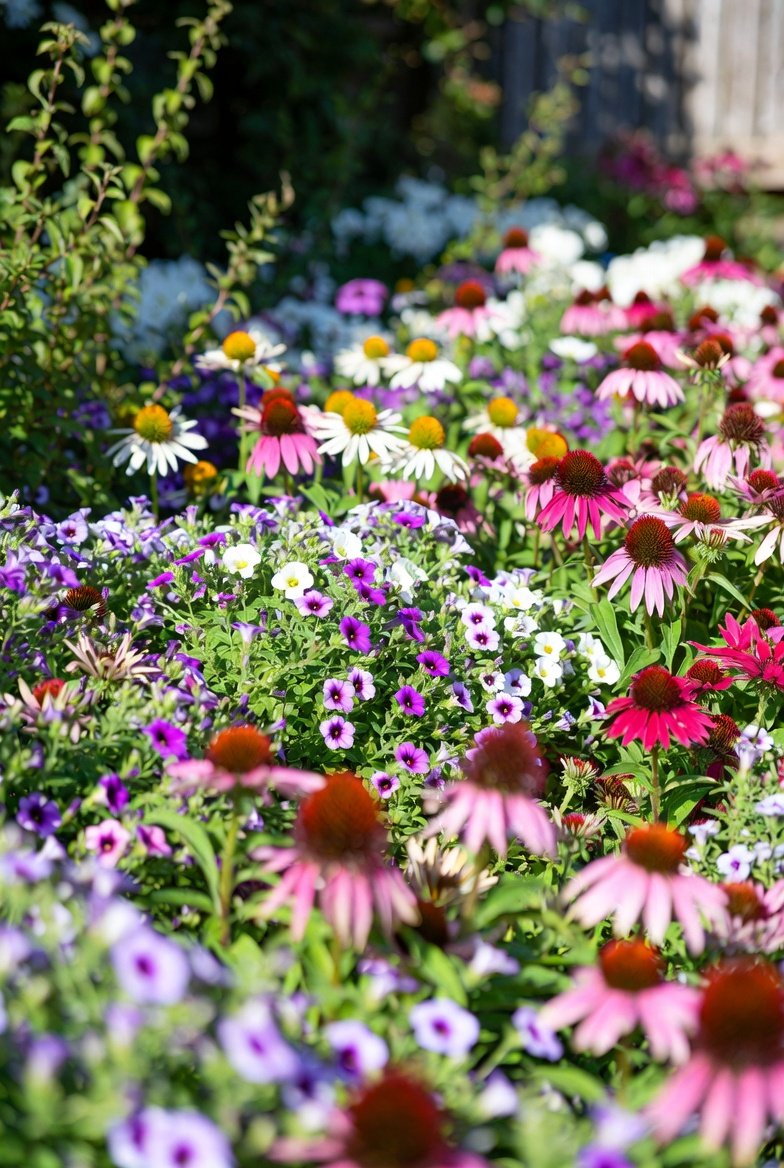
Deadheading snipping off spent blooms to encourage more flowers is one of the most commonly skipped garden chores, mostly because it never stops needing to be done. The fix: choose flowers that drop their own spent blooms or simply keep blooming without it.
What to plant: Many varieties of black-eyed Susan, calibrachoa, and certain coneflower cultivars are considered self-cleaning, meaning they look tidy with little to no deadheading required.
Quick tip to save: if you do want to deadhead occasionally for a tidier look, pair it with your weekly weeding so it’s one 15-20 minute chore instead of two separate ones.
4. Swap Problem-Area Grass for Groundcover
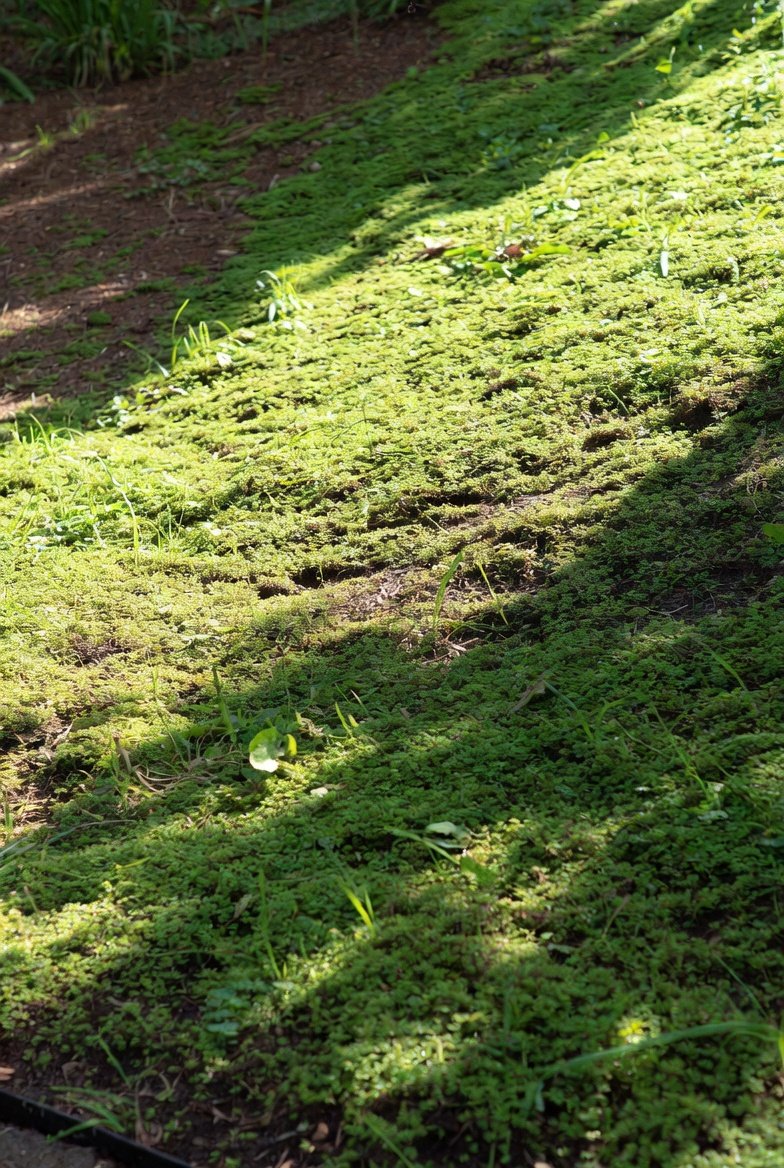
Struggling patches of lawn deep shade under a tree, a steep slope, a strip along a driveway cost more time to maintain than they’re worth. Flowering groundcover fills these spaces, chokes out weeds naturally, and never needs mowing.
What to plant: Creeping phlox, creeping thyme, and periwinkle all spread to form a dense mat that leaves little room for weeds to take hold.
Image idea: a close-up vertical shot of creeping phlox in full bloom cascading over a slope or garden edge visually striking and a strong Pinterest candidate.
Read Also: 12 Cut Flower Garden Ideas for Beginners That Actually Bloom
5. Mulch Like You Mean It
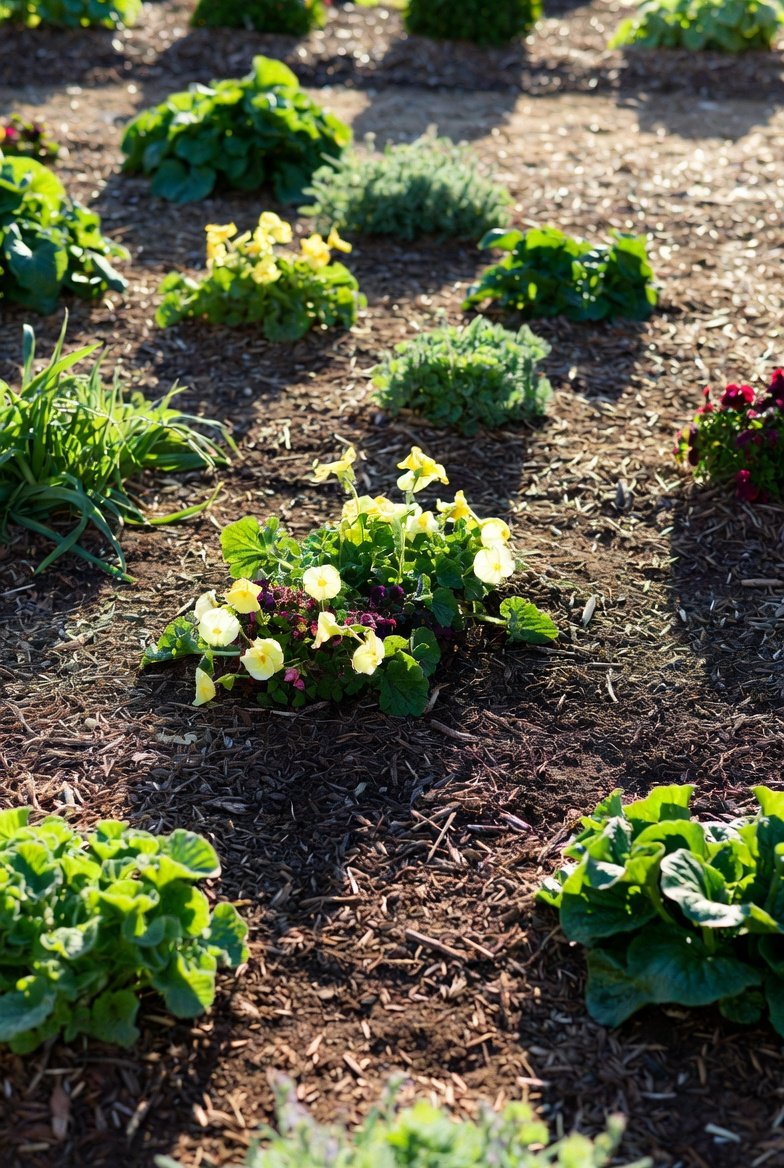
A thick layer of mulch 2 to 3 inches is one of the cheapest, fastest ways to cut down on both weeding and watering. It blocks sunlight from reaching weed seeds and slows moisture evaporation from the soil beneath it.
Here’s the payoff: a well-mulched bed can go noticeably longer between waterings than bare soil, and the weeds that do sprout pull out far more easily from loose mulch than from compacted dirt.
6. Plant Fewer, Larger Beds Instead of Many Small Ones (The Idea Most People Skip)
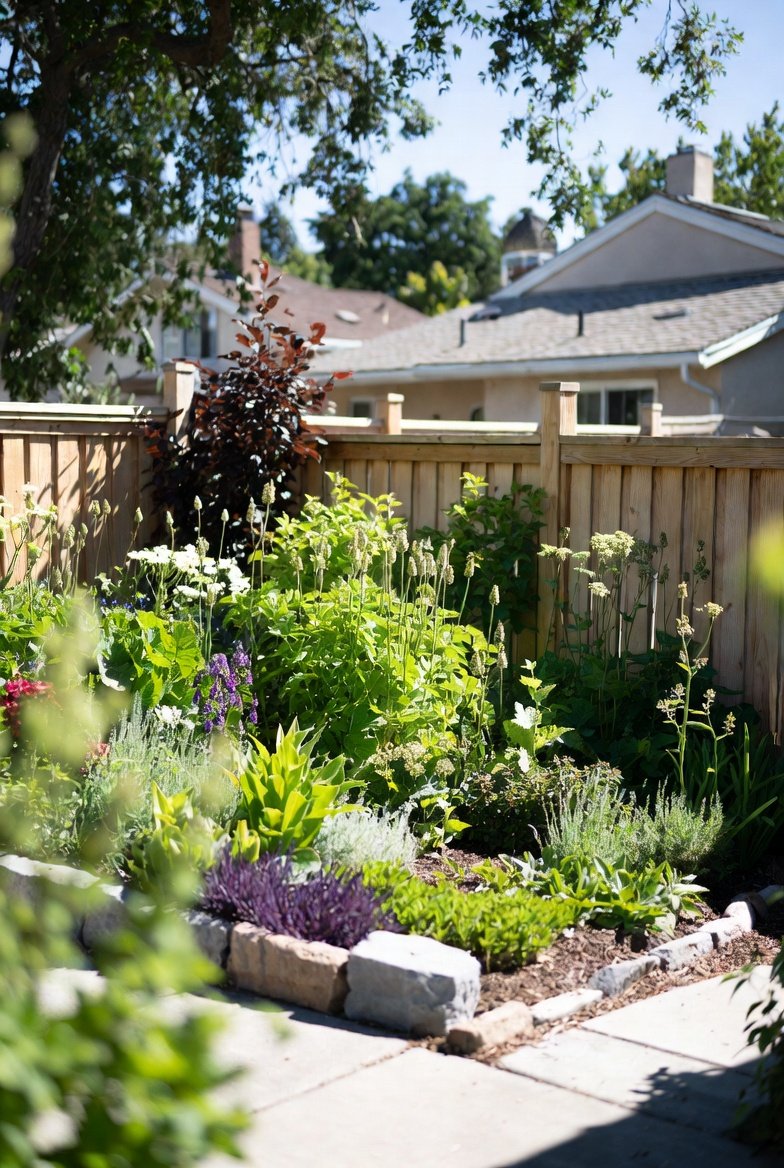
This is the change that actually moves the needle. Several small, scattered flower beds across a yard multiply your edges, your watering zones, and your weeding trips. One or two larger, well-designed beds concentrate your effort into a single space instead of spreading thin across five.
But there’s a catch: consolidating beds usually means removing some existing plantings. It’s worth it fewer beds mean fewer trips with the hose, fewer edges for grass to creep into, and a yard that reads as intentional rather than fragmented.
7. Install Drip Irrigation or Soaker Hoses
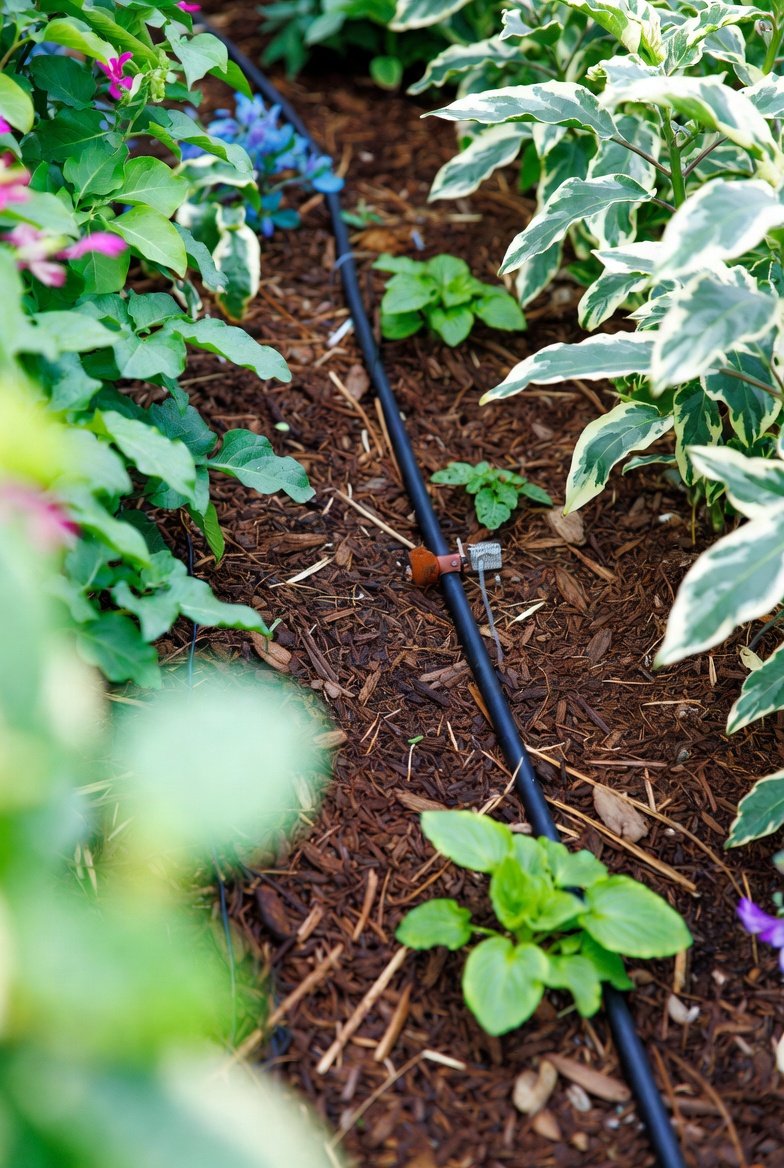
Hand-watering with a hose is one of the most time-consuming garden chores that exists, and it’s also one of the easiest to eliminate. A simple soaker hose or drip line laid through your beds, connected to a basic timer, waters consistently without you standing there holding a hose.
So what does this mean for you? Your flowers get deep, consistent moisture at the root zone which most plants prefer over surface watering anyway while you get your evenings back.
8. Define Clean Edges Around Every Bed
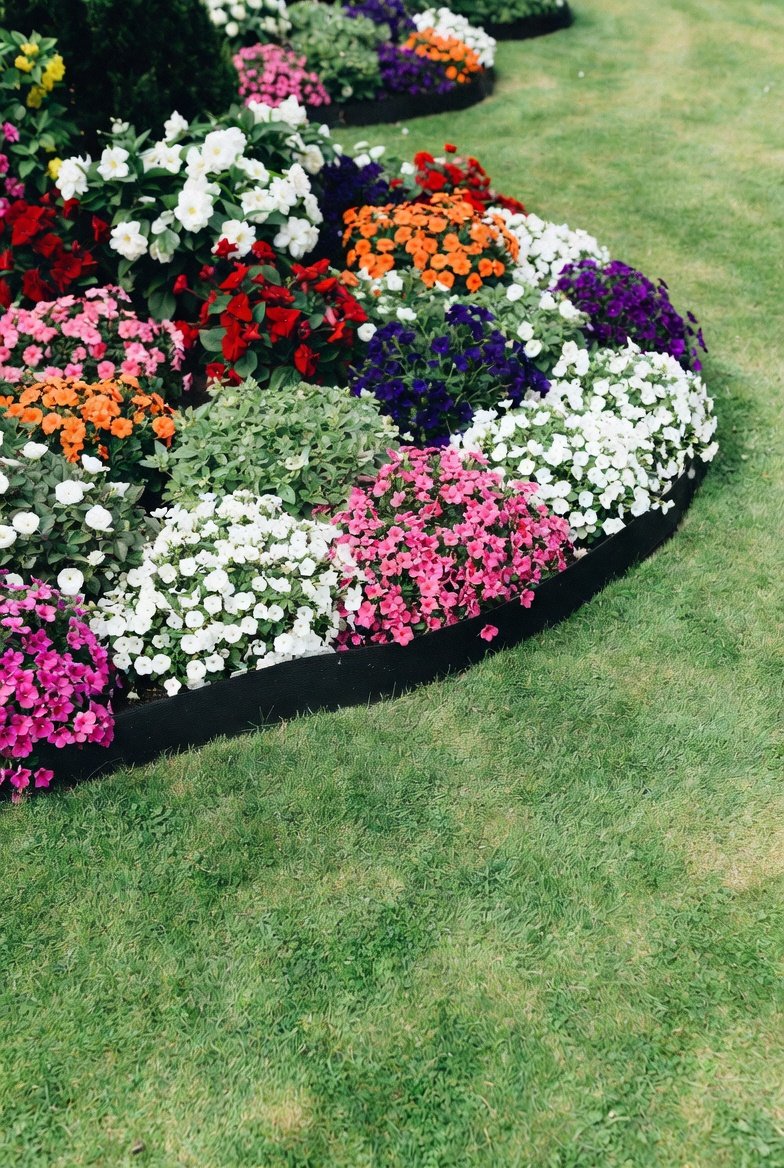
Grass creeping into flower beds is a constant, low-grade maintenance drain a little trimming here, a little pulling there, week after week. A physical edge (metal, brick, or stone) stops that creep before it starts.
Quick recap you can save:
- Metal edging is nearly invisible and very durable
- Brick or stone edging adds a finished, intentional look
- Either option pays for itself in the hours you’re not spending re-trimming grass lines all season
9. Prioritize Drought-Tolerant and Deer-Resistant Plants
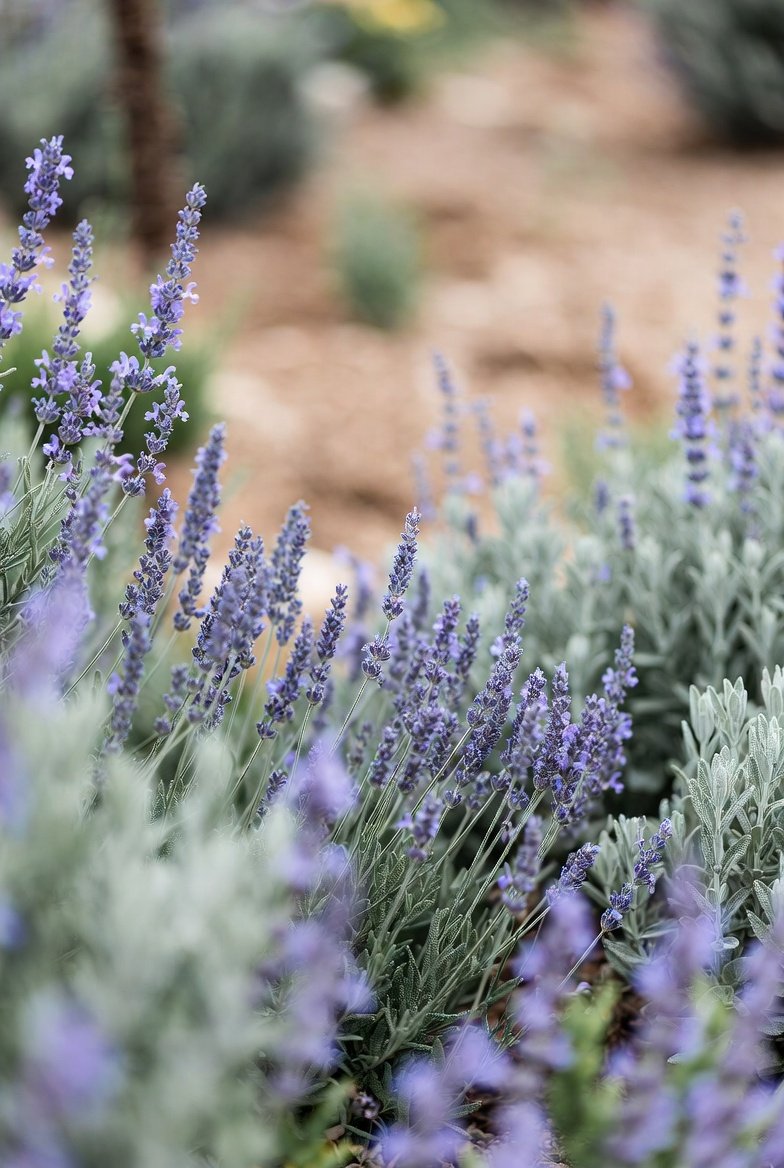
Two of the biggest recurring maintenance headaches — constant watering and replacing plants deer have eaten both have the same fix: choosing plants naturally resistant to both from the start.
What to plant: Lavender, yarrow, Russian sage, and salvia are widely known for tolerating dry spells and being largely ignored by deer, thanks to their strong scent and texture.
Here’s the thing: you’re not sacrificing beauty for practicality here all four of these are genuinely striking garden plants, not just “safe” backup choices.
10. Let Shrubs Do Some of the Visual Work
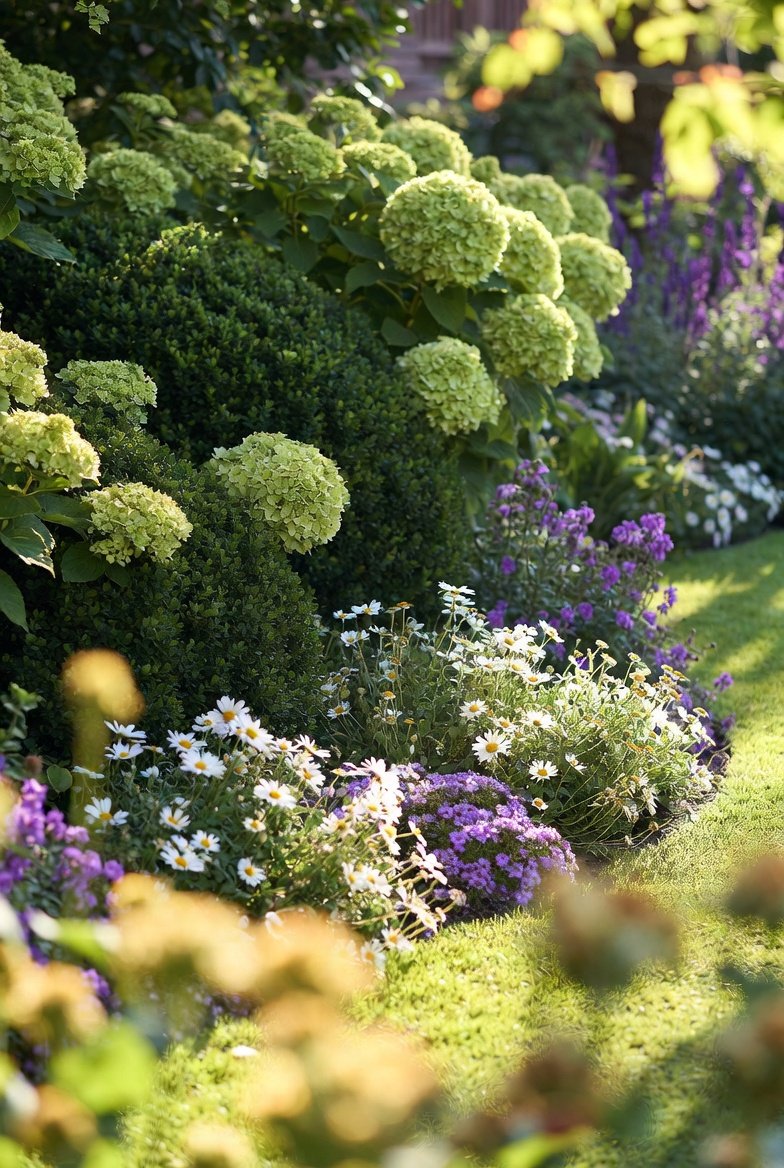
Flowers require more seasonal attention than shrubs most shrubs hold their structure and shape with just an occasional trim, while flower beds need replanting, deadheading, and more frequent watering. Anchoring your flower bed with two or three well-placed shrubs reduces how much of the bed depends entirely on high-maintenance blooms.
What to plant: Hydrangeas, boxwood, or spirea provide structure and seasonal interest, letting your lower-maintenance flowering perennials fill in around them for color.
Image idea: a wide shot of a mixed bed showing shrubs providing structure with flowering perennials layered in front — a good “design principle” pin.
11. Use Containers for High-Impact Color Instead of More Beds
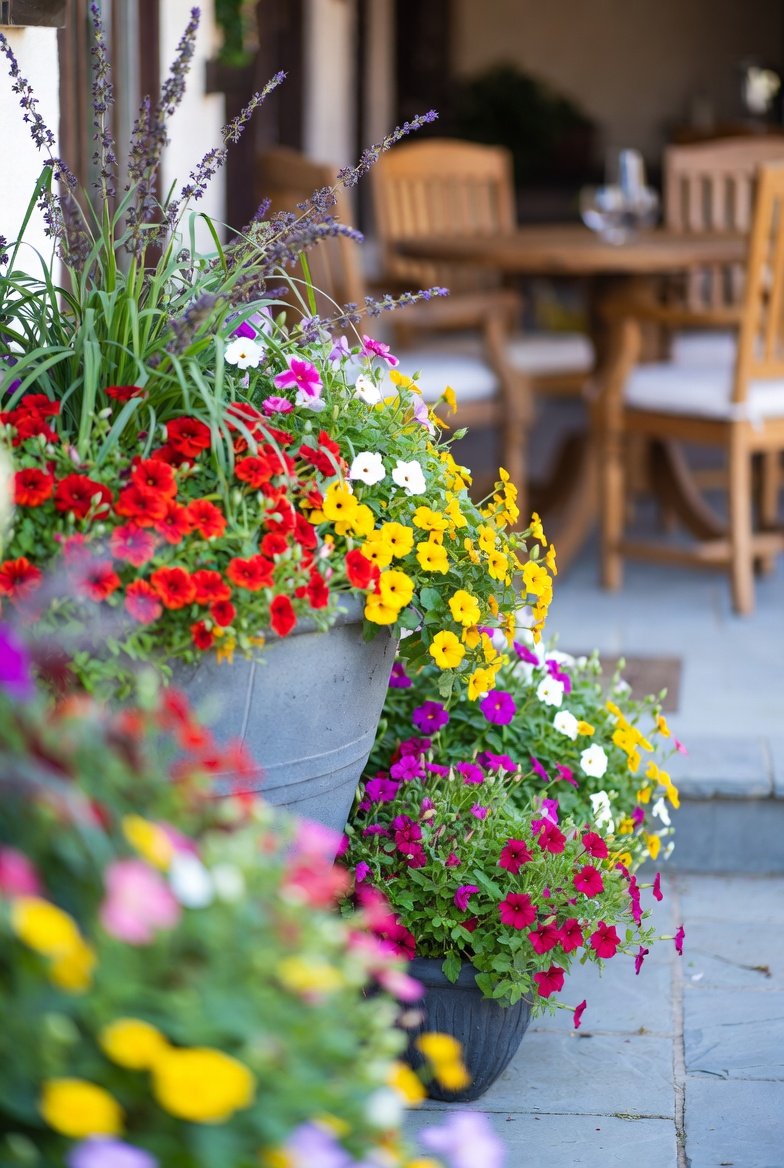
If you want a burst of seasonal color without expanding your in-ground maintenance load, containers by the front door or porch steps deliver a big visual payoff in a small, contained footprint that’s easy to water and refresh.
What to plant: Geraniums and calibrachoa both tolerate some missed waterings and bloom continuously for months without deadheading.
Save-worthy tip: group two or three containers together rather than spacing them out it looks fuller with the same amount of watering effort.
12. Build a 15-Minute Weekly Rhythm Instead of Occasional Big Cleanups
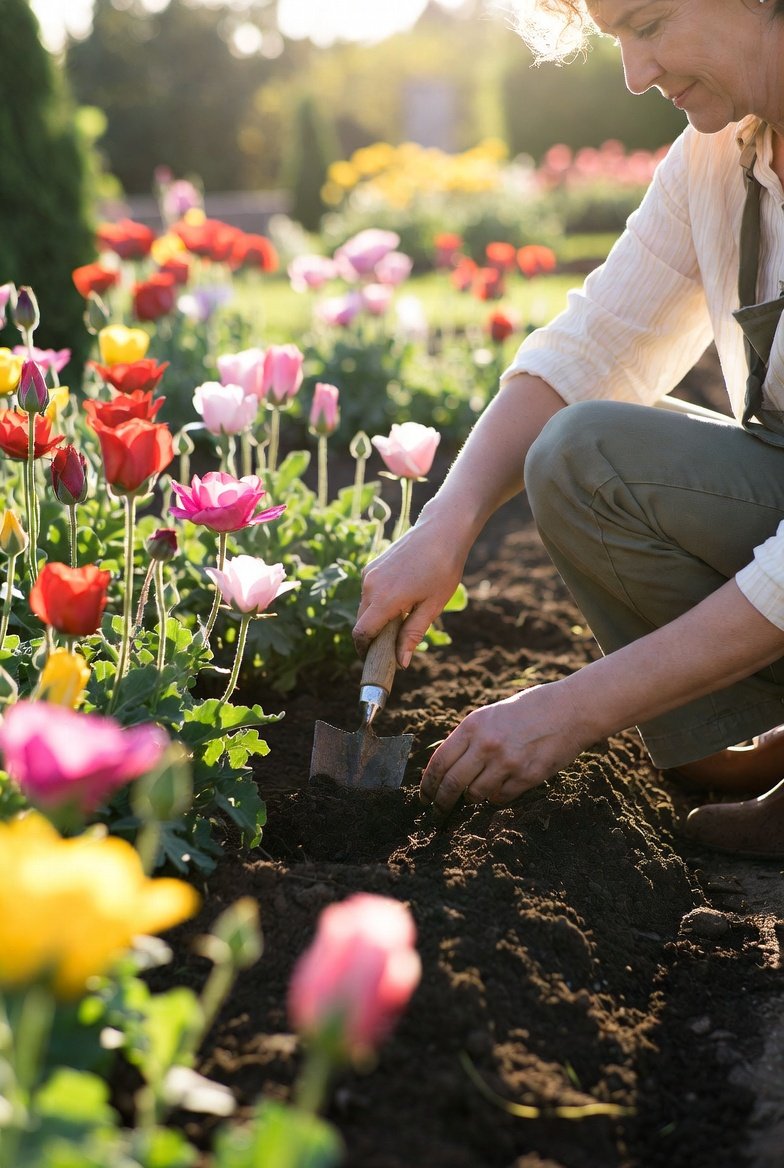
Here’s the mindset shift that ties everything else together: low-maintenance doesn’t mean zero-maintenance. It means small, consistent effort instead of letting things pile up into a weekend-consuming project.
What this looks like: one 15-20 minute walk through your beds each week pulling the handful of weeds that have appeared, snipping any spent blooms, and checking that mulch is still doing its job. Combined with the other eleven ideas above, this is genuinely all it takes.
Quick recap you can save: consistency beats intensity. A garden tended for 15 minutes every week stays effortless. A garden ignored for a month becomes a weekend project.
Frequently Asked Questions
What are the easiest low-maintenance flowers to grow?
Black-eyed Susan, coneflower, daylilies, and catmint are widely considered some of the easiest low-maintenance perennials they tolerate a range of soil and light conditions and need minimal deadheading or fussing once established.
Do low-maintenance flower gardens need less water than regular gardens?
Yes, generally. Native, drought-tolerant, and perennial-heavy gardens are designed to need less supplemental watering than beds full of thirsty annuals, especially once mulched and established.
Can I convert an existing high-maintenance flower bed into a low-maintenance one?
Yes — start by swapping thirsty annuals for drought-tolerant perennials, add 2-3 inches of mulch, and consolidate any small scattered beds into fewer, larger, well-edged ones.
Is a low-maintenance garden the same as a “no-maintenance” garden?
Not quite. Even the lowest-maintenance gardens benefit from a short weekly check-in for weeds and watering the goal is minimal, consistent effort rather than zero effort.
Bringing It All Together
A genuinely low-maintenance flower garden isn’t about giving up on beauty it’s about making smarter choices upfront so the garden works with you instead of demanding constant attention. Perennials over annuals, native plants over imports, fewer beds instead of scattered ones, and a short weekly rhythm instead of occasional overhauls.
Pick two or three ideas from this list to start with rather than overhauling everything at once. The garden that looks effortless a year from now started with exactly these kinds of small, deliberate decisions.
Pin this guide so you’ve got all twelve ideas ready the next time you’re standing in a garden center aisle deciding what actually belongs in your yard.