
There’s a particular kind of guilt that hits every gardener in late October the summer beds are fading, the to-do list feels endless, and it’s tempting to just close the door on the garden until spring. But here’s the truth: what you do (or skip) in the next few weeks decides how much work spring hands back to you.
The good news is that winter garden prep isn’t about doing everything it’s about doing the right things, in the right order, so your soil, plants, and tools all come out the other side ready to go. Here are 14 winter garden prep tips that’ll protect your yard through the cold months and make next spring dramatically easier.
Save this checklist tip #4 below is the one most gardeners get backwards, and it could be costing your local pollinators their winter shelter.
Why Winter Prep Actually Matters
Freeze-thaw cycles can lift roots, damage perennials, and stress shrubs if a garden isn’t properly prepared going into the cold months. Healthy soil and protected plants heading into winter translate directly into healthier growth come spring so this isn’t just tidying, it’s an investment in next season.
1. Clear Debris, But Don’t Overdo the Cleanup
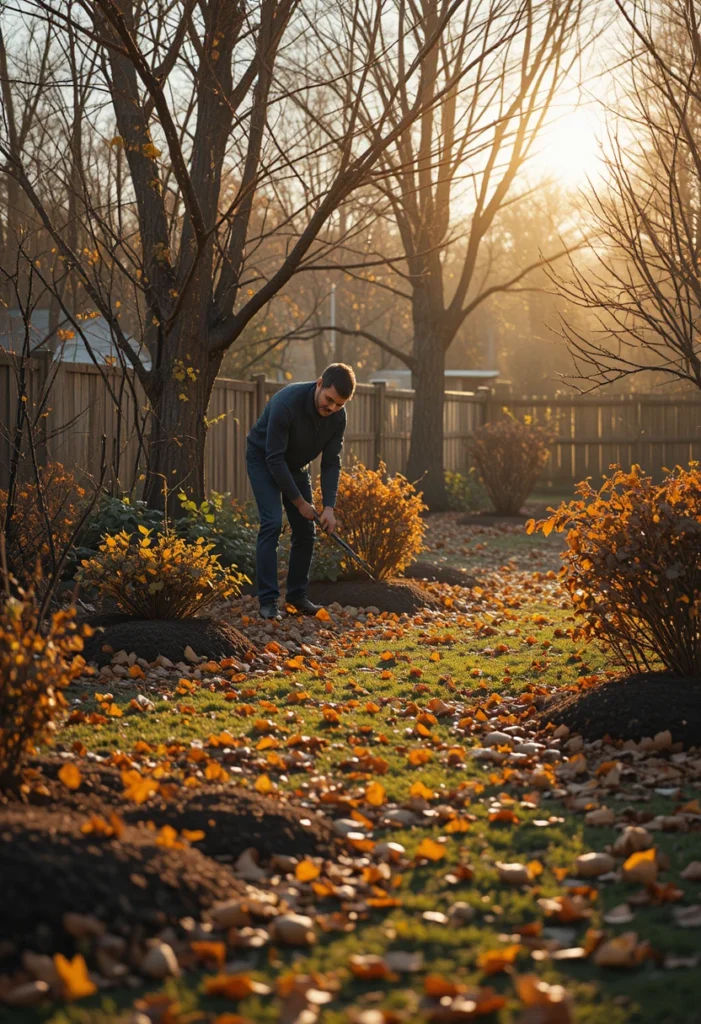
Start with the basics: clear fallen branches, spent annuals, and diseased plant material that can trap moisture and harbor pests over winter. But resist the urge to strip the garden bare as you’ll see in the next few tips, a completely “clean” garden bed isn’t actually the goal.
2. Rake Leaves But Put Them to Work Instead of Bagging Them
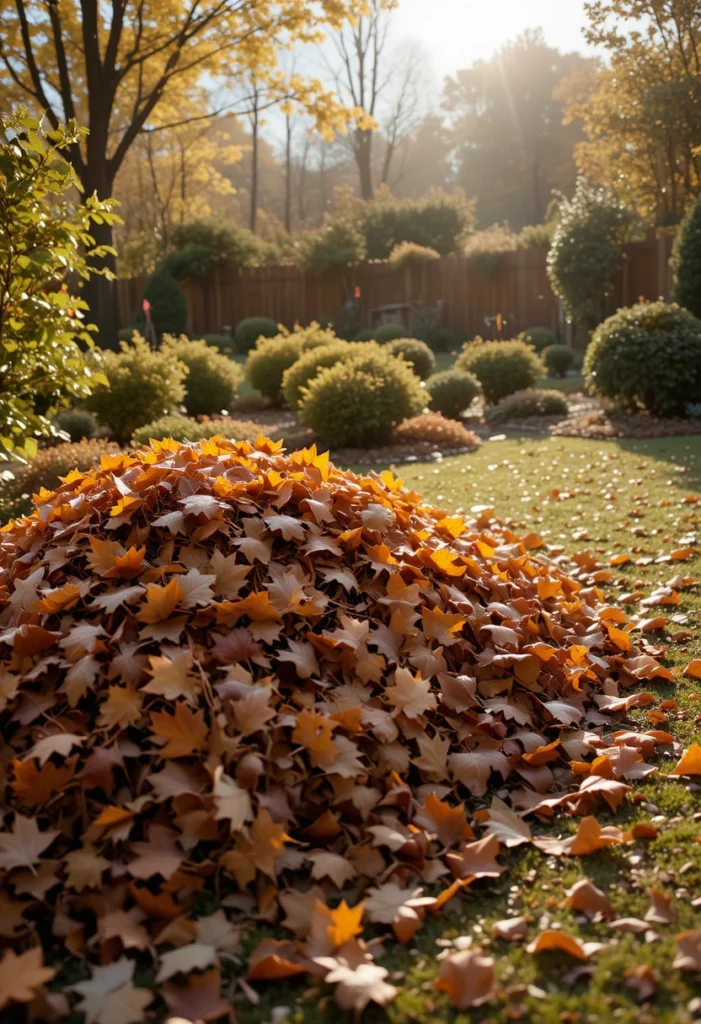
Here’s the thing: fallen leaves left in soggy layers on your lawn can smother turf, but that doesn’t mean they should go to the curb. Rake them onto a tarp and drag them to a corner of the yard to give pollinators winter cover, or run the mower over loose piles to turn them into mulch for perennial and bulb beds. Shredded leaves also make an excellent addition to your compost bin.
3. Trim Plants Near Paths for Safety
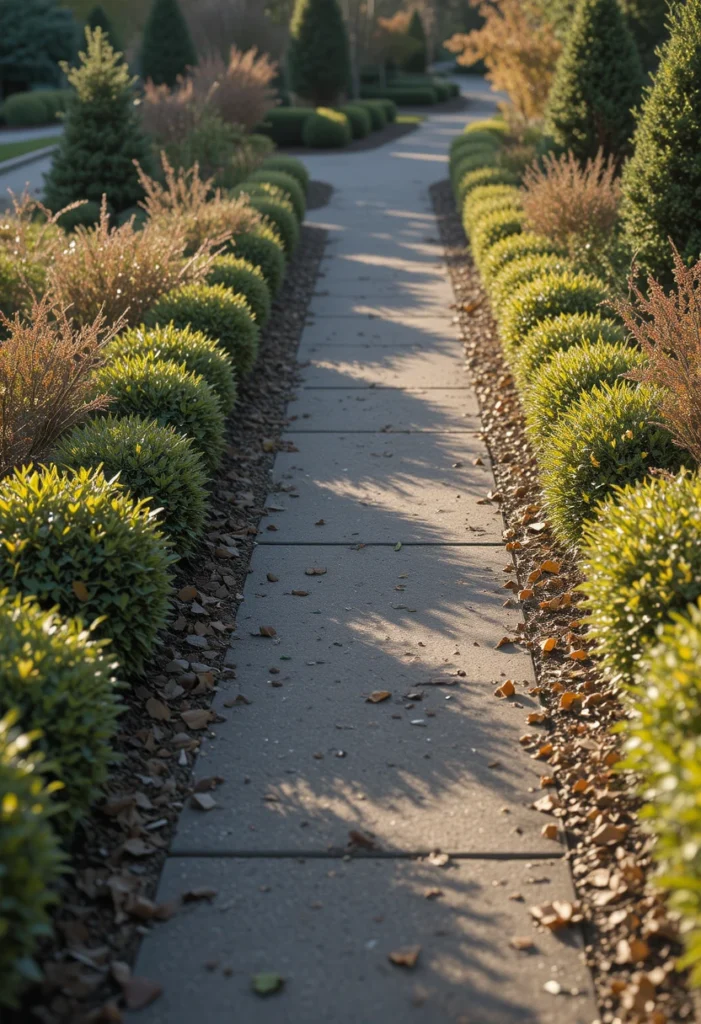
Cut back groundcovers and perennials that have spread over the edge of a sidewalk or path this makes snow shoveling far easier and prevents plants from getting damaged underfoot or under a snow shovel all winter.
4. Leave Most Perennials and Ornamental Grasses Standing
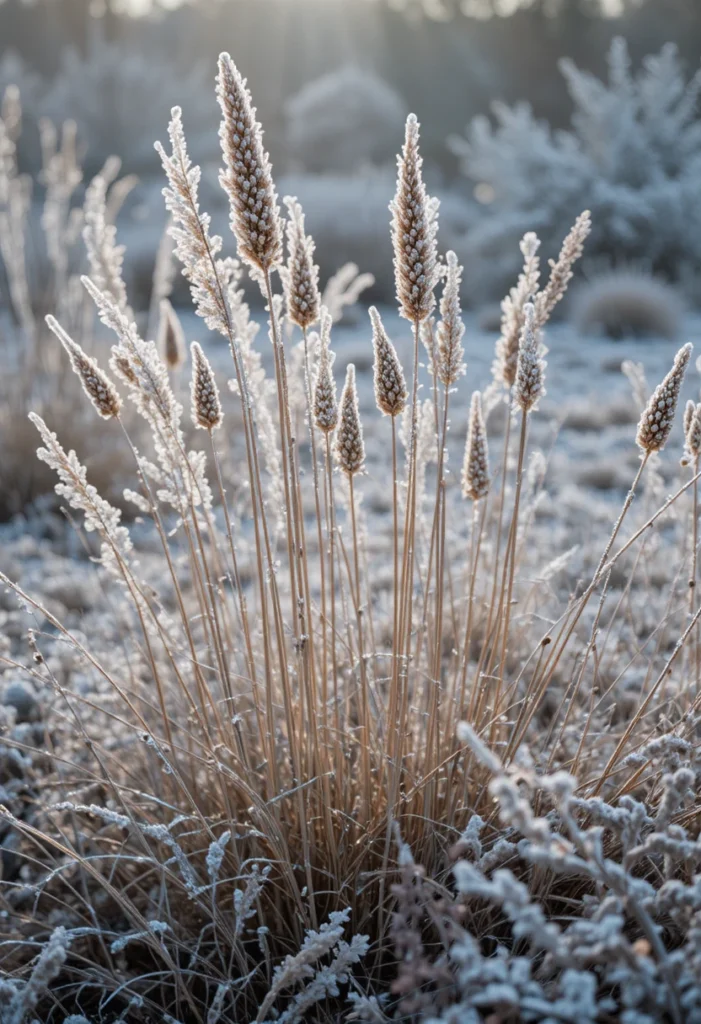
But there’s a catch most cleanup guides miss: you don’t need to cut back perennials or remove dried flower heads unless the plant was diseased. Standing stalks actually help protect root crowns through winter, and the windblown movement of ornamental grasses adds real visual interest to an otherwise bare winter landscape. Plan to cut grasses back in late February or early March, right before new growth begins.
Save-worthy tip: valuable native insects and pollinators often overwinter or lay eggs inside plant stalks — cutting everything back too early can wipe out habitat you didn’t even know was there.
Read Also: 12 Fall Garden Cleanup Checklist Ideas for a Yard That Bounces Back Fast in Spring
5. Plant Spring-Blooming Bulbs Now
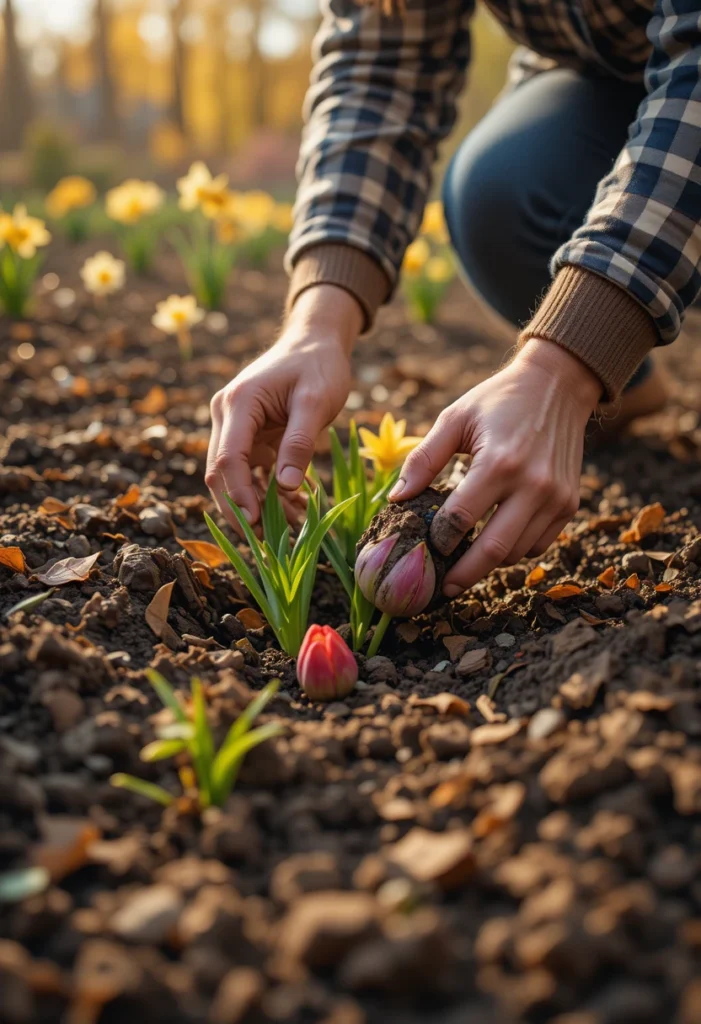
Fall is bulb-planting season. Tulips, daffodils, and crocuses should go in the ground while it’s still workable, in a full-sun site. Plant each bulb roughly twice as deep as it is wide, skip the fertilizer, and water them in before spreading mulch on top.
6. Water Deeply Before the Ground Freezes
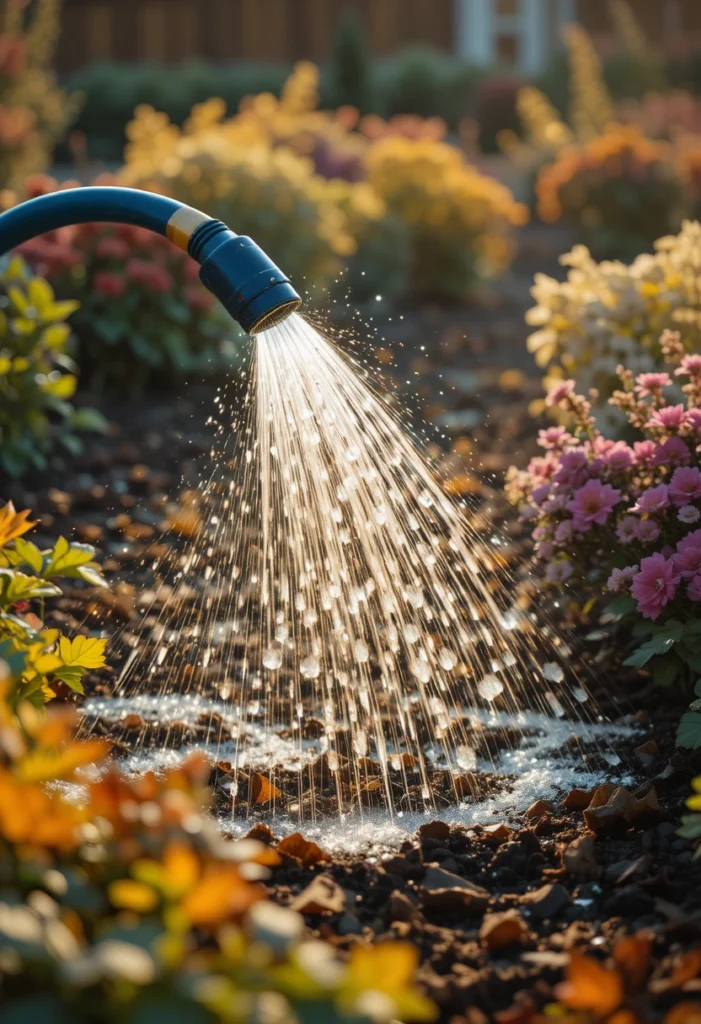
So what does this mean for you? Especially if you live somewhere with a drier winter climate, giving your garden one good, deep watering session at the end of fall helps roots enter dormancy properly hydrated a step that’s easy to forget once temperatures drop and watering feels unnecessary.
7. Wait to Prune Trees and Shrubs Until Full Dormancy
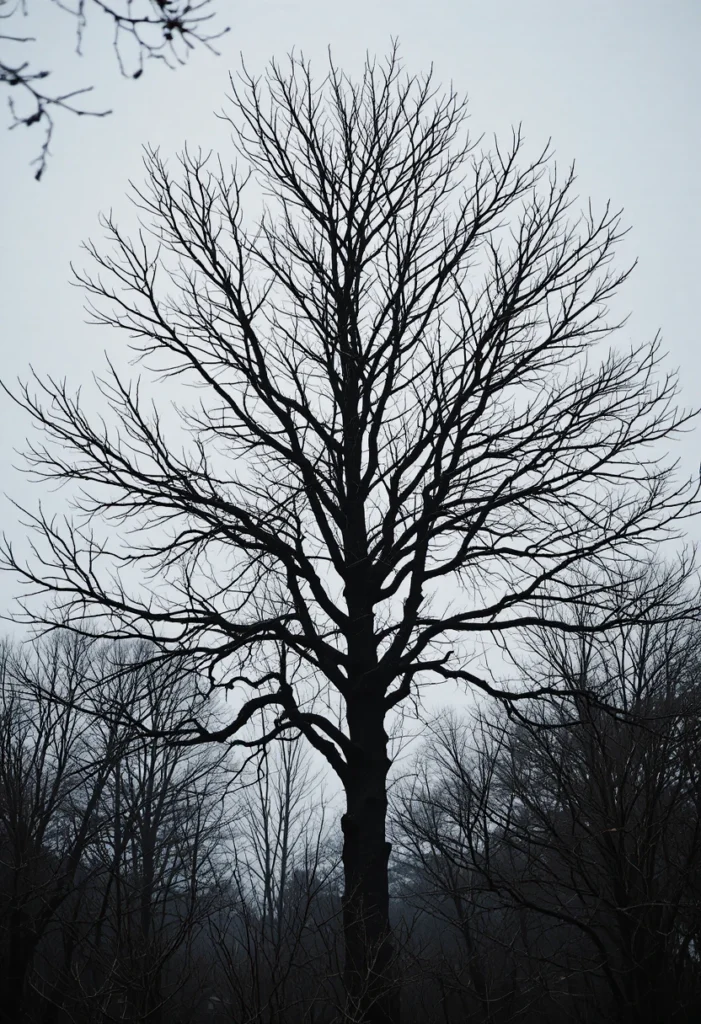
Trees and shrubs are best pruned in winter, once they’re fully dormant wait until all the leaves have dropped. Pruning too early can stimulate new growth that gets killed off by the first hard freeze, undoing the benefit of pruning in the first place.
8. Test and Amend Your Soil in Fall
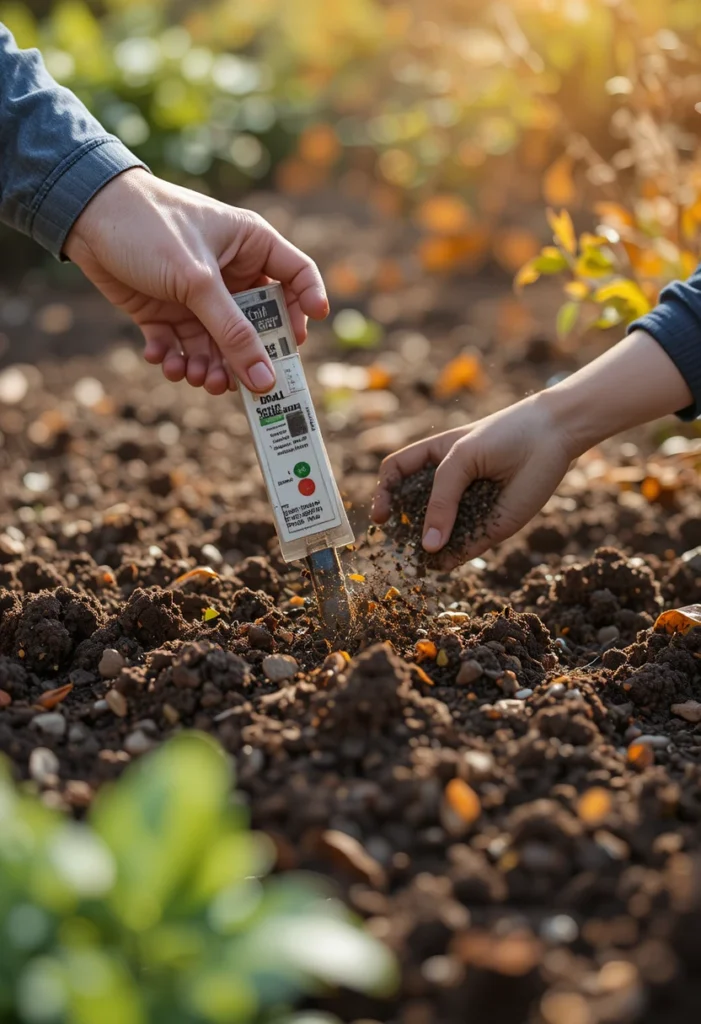
Fall is actually an ideal time to test your soil, since amendments like lime or sulfur have months to take effect before spring planting begins. This is especially useful if you grow vegetables in the same beds year after year, where nutrient depletion adds up over time.
9. Mulch Garden Beds 2-3 Inches Deep
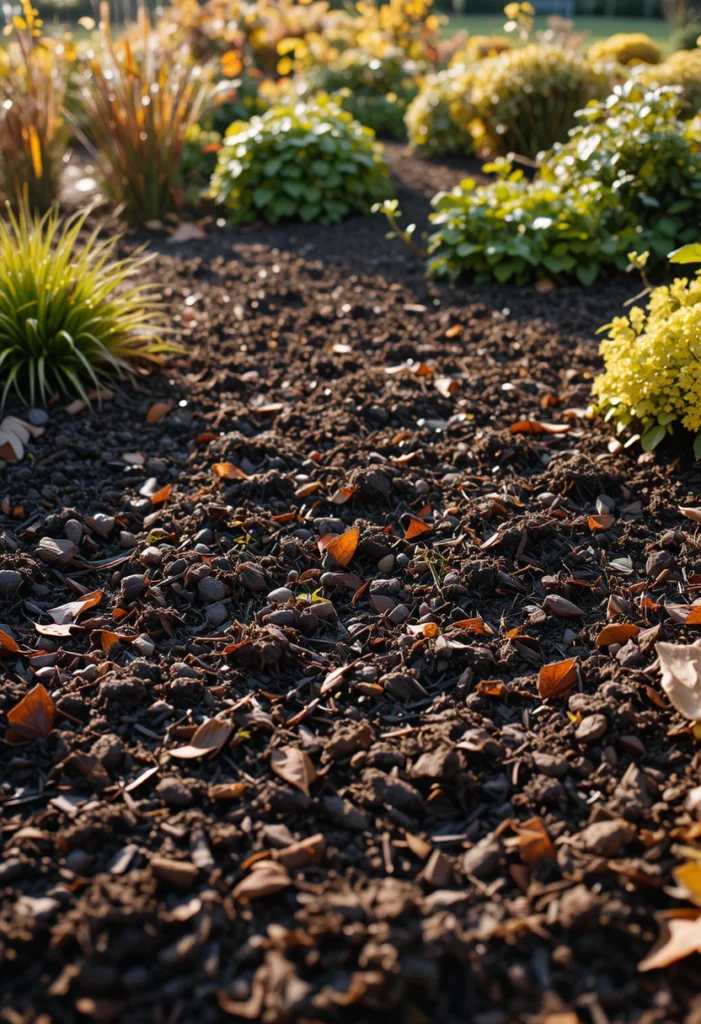
A 2-3 inch layer of organic mulch shredded leaves, pine needles, or compost helps regulate soil temperature and prevents frost heave, which is when repeated freezing and thawing pushes plant roots up out of the soil.
Quick summary: mulch isn’t just for looks in winter it’s actively protecting root systems from temperature swings underground.
10. Protect Tender Perennials and Containers
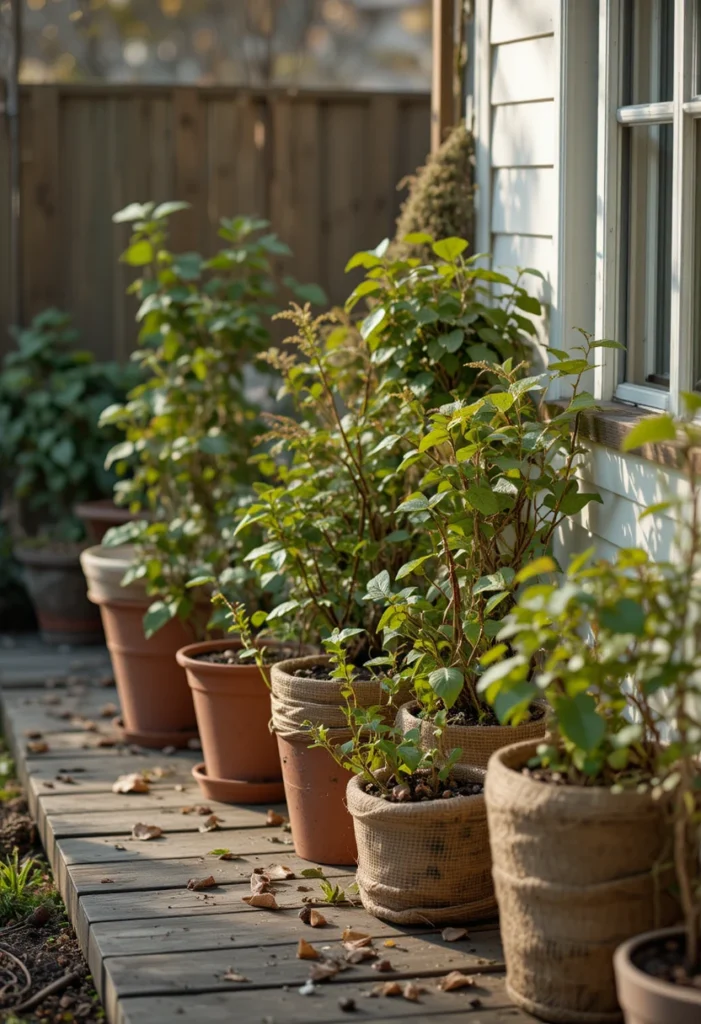
Some perennials need extra protection to survive winter, whether that’s wrapping, mulching more heavily, or moving potted plants indoors ahead of a hard freeze. Inspect vulnerable plants now, before the first real cold snap catches you off guard.
11. Remove Invasive Weeds Now, Not Later
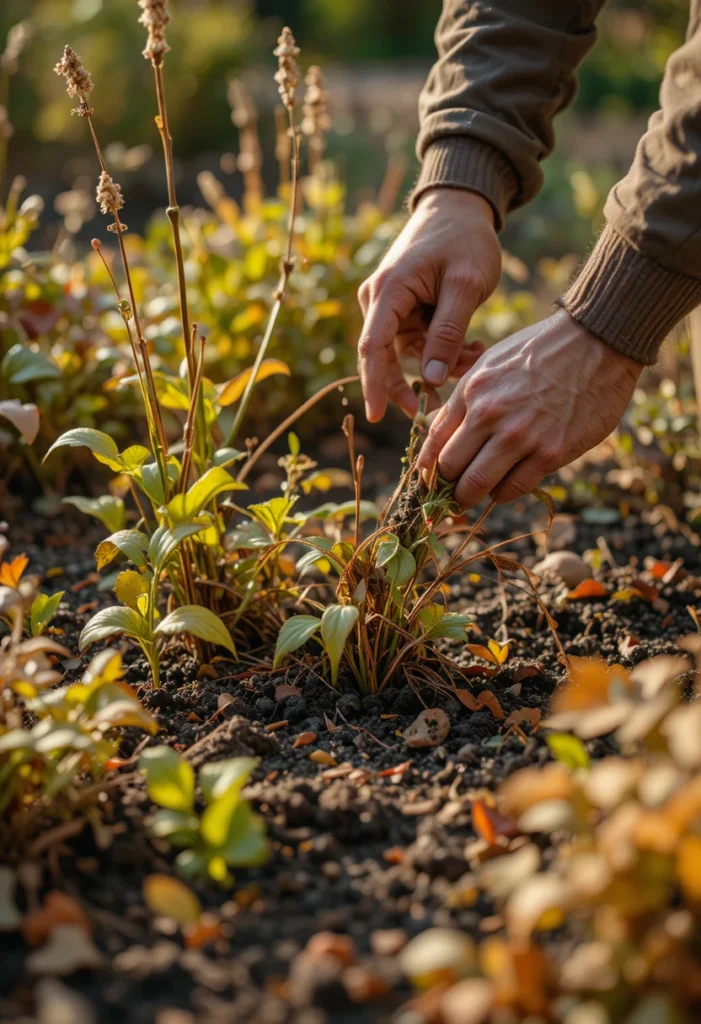
Don’t count on cold weather to handle invasive growth for you. Left unattended over winter, invasive species will often sprout right back in spring, sometimes worse than before. Pulling them now, while you can still see and access them clearly, saves a much bigger headache later.
12. Clean, Sharpen, and Store Your Garden Tools
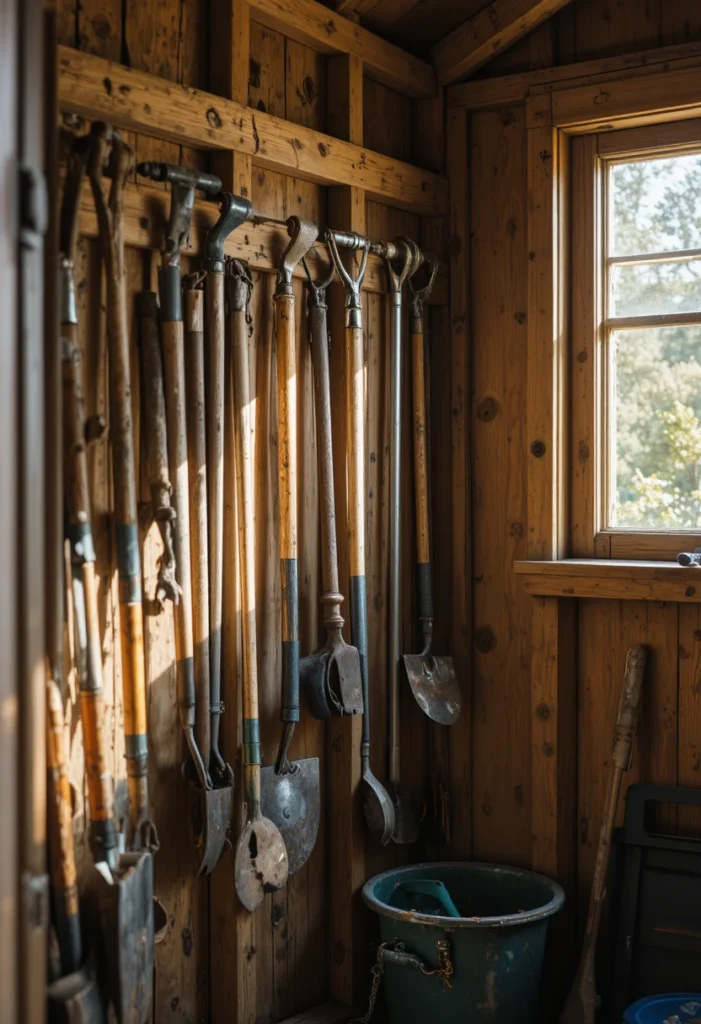
Bucket brigade: while you’re out there, don’t forget the tools that got you through the season. Scrub down and dry your garden tools before storing them, and consider wiping metal parts with a light coat of vegetable oil to prevent rust. Well-cared-for tools last years longer than neglected ones.
13. Drain Fuel From Power Equipment

If you use a lawn mower or other gas-powered garden equipment, drain the fuel tank before winter storage (or consult your owner’s manual for equipment-specific winterizing steps). Leftover fuel sitting all winter is one of the most common reasons equipment struggles to start again in spring.
14. Cover Your Compost Pile Before Snow Falls
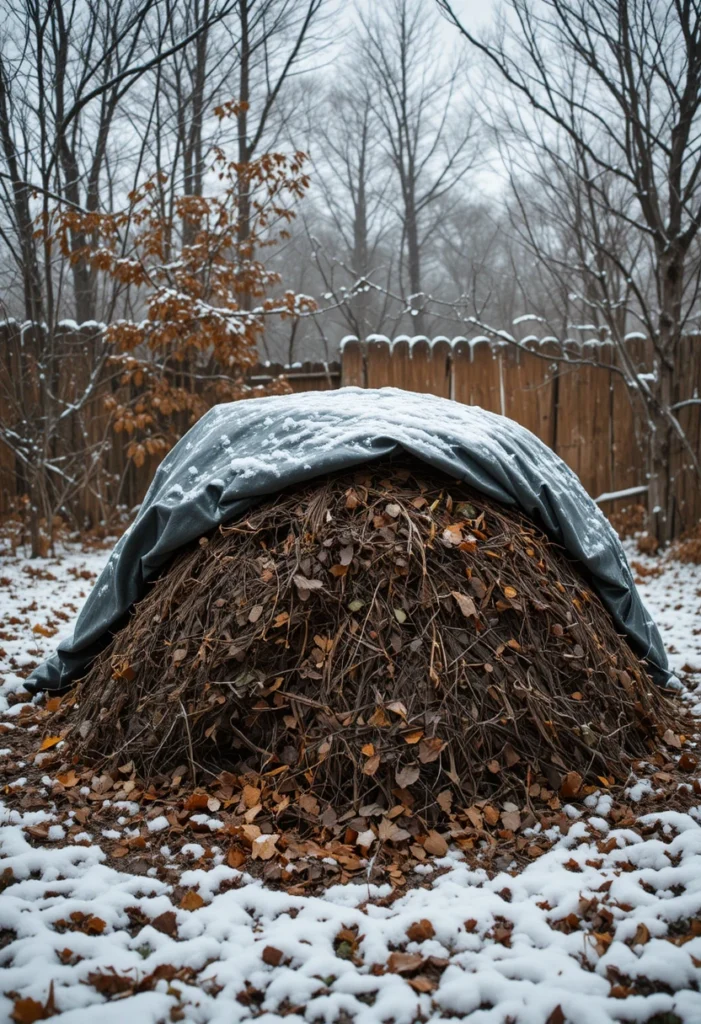
Protect your compost pile with plastic or a thick layer of straw before the first snowfall. This keeps the pile active longer into the cold months and prevents it from becoming a soggy, frozen mess by the time you need it again in spring.
Bonus: Take Notes for Next Spring
Before you close up the garden for the season, walk through and take photos of areas prone to wind exposure, deep shade, or pooling water. These notes are invaluable when you’re planning bed layouts and plant placement once spring rolls back around and it’s far easier to spot these problem areas now than to remember them months later.
Frequently Asked Questions
Should I remove all leaves from my garden in fall?
Not entirely while soggy leaf layers on the lawn should be raked up, leaving some leaves in beds or a corner of the yard provides valuable winter shelter for pollinators.
When is the best time to plant spring bulbs?
Plant bulbs like tulips, daffodils, and crocuses in fall, before the ground freezes, choosing a full-sun location for the best spring display.
Do I need to cut back all my perennials before winter?
No most perennials and ornamental grasses can be left standing through winter for root protection and pollinator habitat, then cut back in late winter before new growth starts.
When should I prune trees and shrubs for winter?
Wait until they’re fully dormant, after all leaves have dropped, to avoid stimulating new growth that could be damaged by cold.
Is fall a good time to test garden soil?
Yes fall soil testing gives amendments like lime or sulfur time to take effect before spring planting begins.
How thick should winter mulch be?
A layer of about 2 to 3 inches of organic mulch is generally recommended to regulate soil temperature and prevent frost heave.
Set Your Garden Up for an Easier Spring
Winter garden prep isn’t about erasing every trace of the growing season it’s about protecting your soil, giving pollinators a place to overwinter, and setting your tools and equipment up to work when you need them again. Tackle a few of these tips each weekend as the weather cools, and you’ll walk into spring with far less catch-up to do.