
If you’ve ever stood in front of a wild, overflowing garden full of roses, foxgloves, and buzzing bees and thought, “I want that, but I have no idea where to start,” you’re exactly who this guide is for.
Cottage gardens look like they just happened by accident, like nature took over and made something magical. But here’s the secret nobody tells you: that “effortless” look is actually the result of a few smart, repeatable choices. Get those choices right, and even a tiny side yard can feel like a page out of an English countryside storybook.
Save this list for later because by the time you finish reading, you’ll have more than 13 ways to fill your own patch of ground with color, fragrance, and that irresistible “lived-in” charm cottage gardens are famous for. And stick around for idea #9, because it’s the one most beginners skip and it’s the one that keeps your garden blooming from spring through frost.
1. Start With a Loose, Hand-Drawn Sketch Not a Rigid Plan
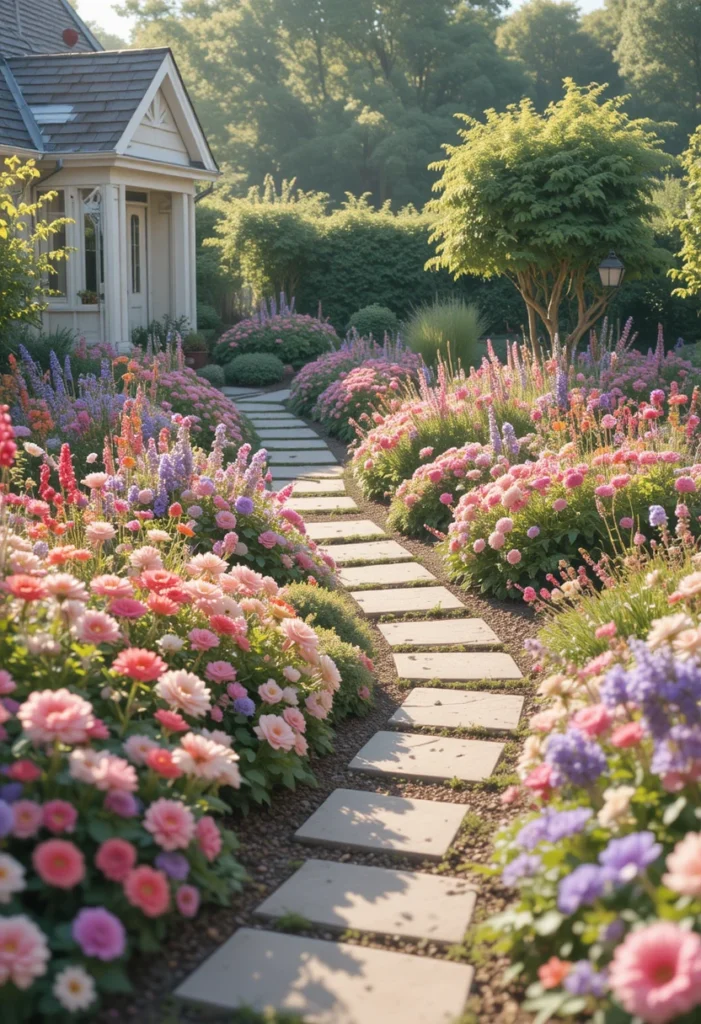
Every charming cottage garden starts the same way: with a plan that isn’t really a plan.
Grab a notepad, walk your yard, and sketch out roughly where you want beds, paths, and taller features like an arbor or trellis. Don’t measure it down to the inch cottage gardens thrive on imperfection.
A few things worth marking on your sketch:
- Sun exposure most classic cottage flowers want 6+ hours of direct sun.
- Existing structures a fence line is a free trellis for climbing roses; a blank wall is an invitation for vertical planting.
- Where you’ll walk even a “wild” garden needs a path you can actually get through.
If you’re working with a small space, keep it manageable. A 10×10 or 12×12 bed is a perfectly generous starting point for your very first cottage garden you can always expand once you see what thrives.
2. Layer Flowers by Height for That Signature “Overflowing” Look
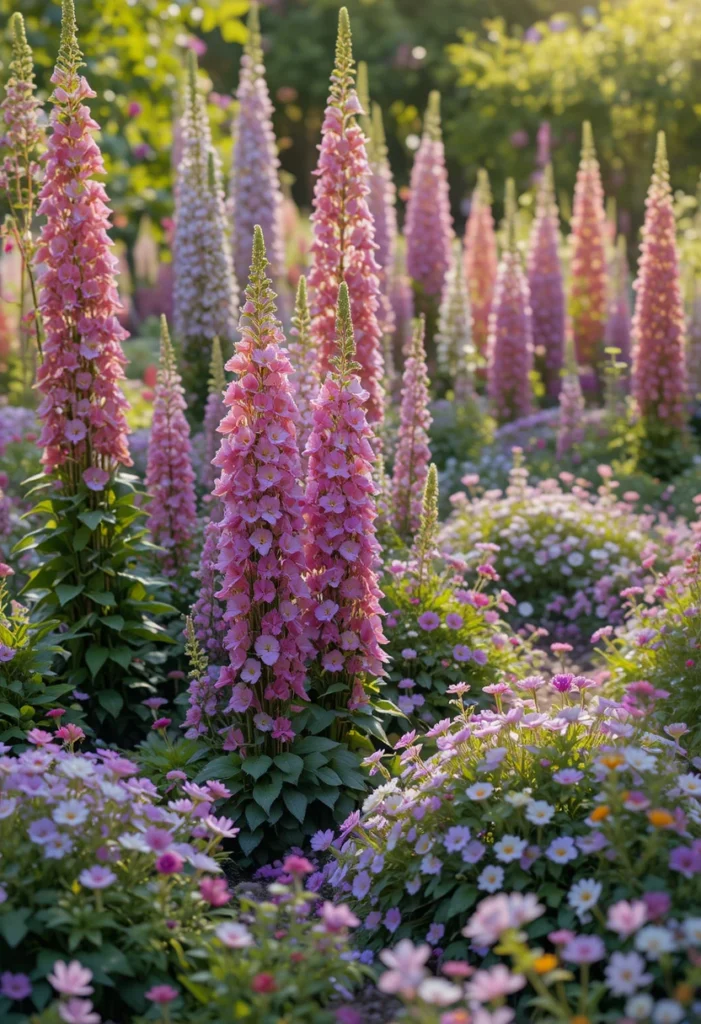
The single biggest difference between a cottage garden and a regular flower bed is layering.
Think of your bed in three tiers:
- Back layer (tall): hollyhocks, delphiniums, sunflowers, trellised sweet peas
- Middle layer (anchor plants): roses, peonies, salvia, phlox
- Front layer (soft edges): lady’s mantle, dianthus, alyssum, creeping thyme
This height layering is what creates that tumbling, “spilling over the edges” effect that makes cottage gardens so photogenic and so satisfying to walk past every day.
3. Anchor the Garden With Classic Roses
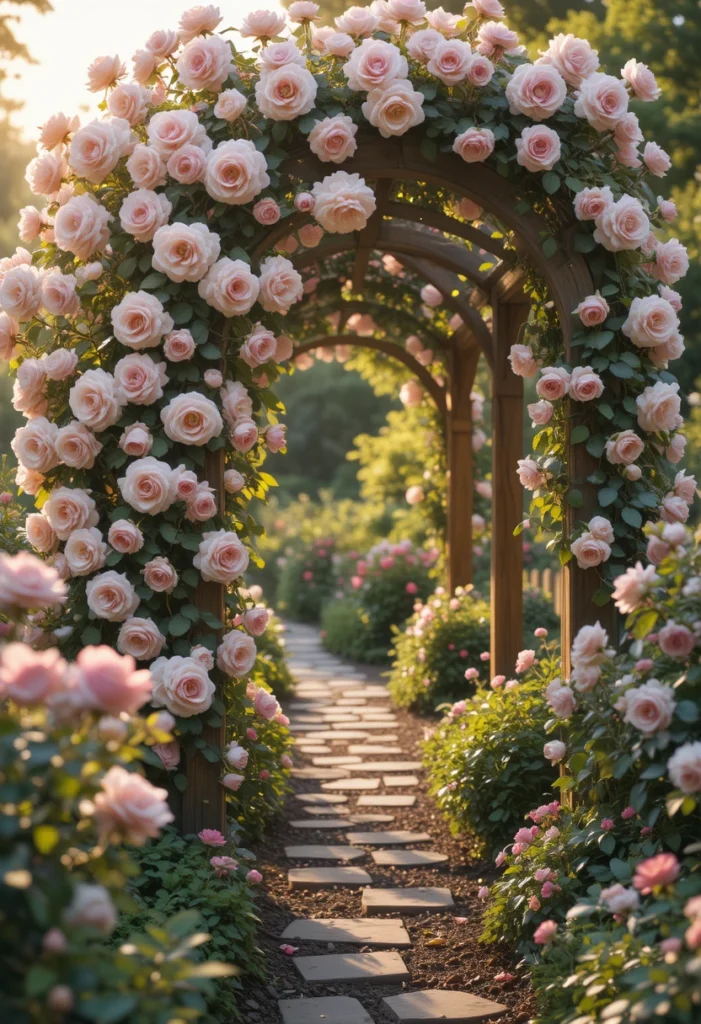
No flower says “cottage garden” quite like a rose. They’re the anchor plant that ties the whole romantic, old-world look together.
For beginners, look for disease-resistant, repeat-blooming varieties (Knock Out roses are a forgiving, low-fuss option) rather than finicky heirloom types. Plant them where they’ll get full sun, give them room to fill out, and let a few stems ramble slightly instead of pruning them into tight little balls.
Quick tip: Pair roses with something soft and low-growing at their base, like catmint or lavender, to hide bare rose stems and add a second layer of color.
4. Let Hollyhocks and Foxgloves Add Dramatic Height
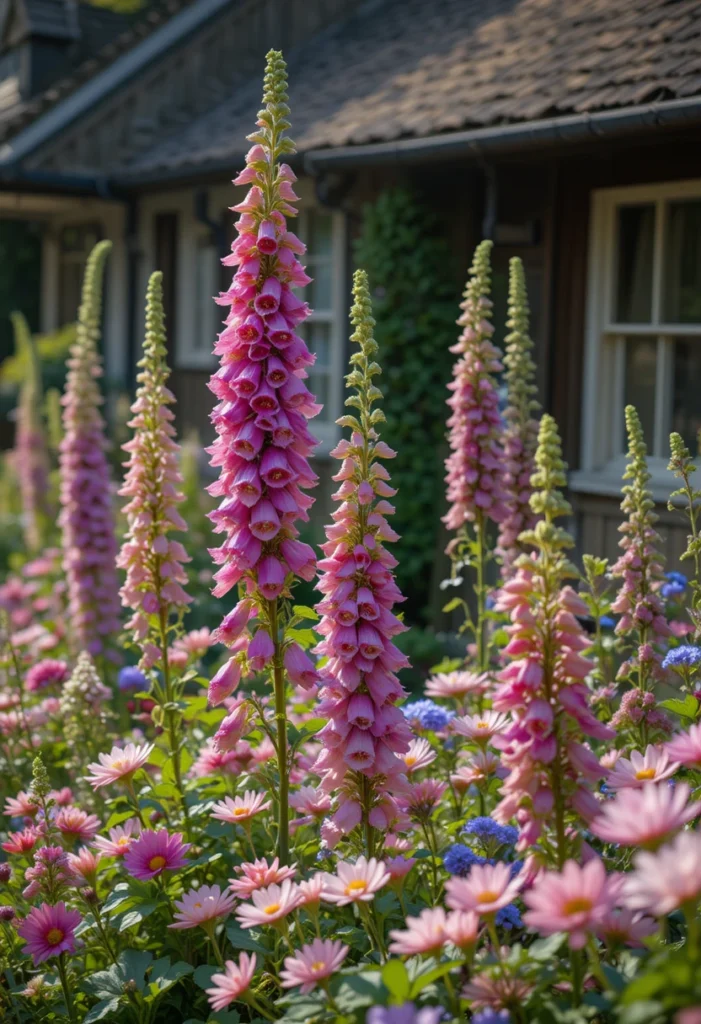
If roses are the heart of a cottage garden, hollyhocks and foxgloves are its skyline.
Hollyhocks can shoot up to six feet tall and come in shades from soft peach to nearly black, making them perfect for the back of a border or against a fence. Foxgloves prefer a bit of part-shade and add those iconic spotted, bell-shaped blooms that self-seed happily once established.
Both plants tend to reseed on their own, meaning a few years in, you’ll have volunteer seedlings popping up in the most charmingly unplanned places which, honestly, is the whole point of a cottage garden.
5. Fill Gaps With Self-Seeding Cottage Favorites
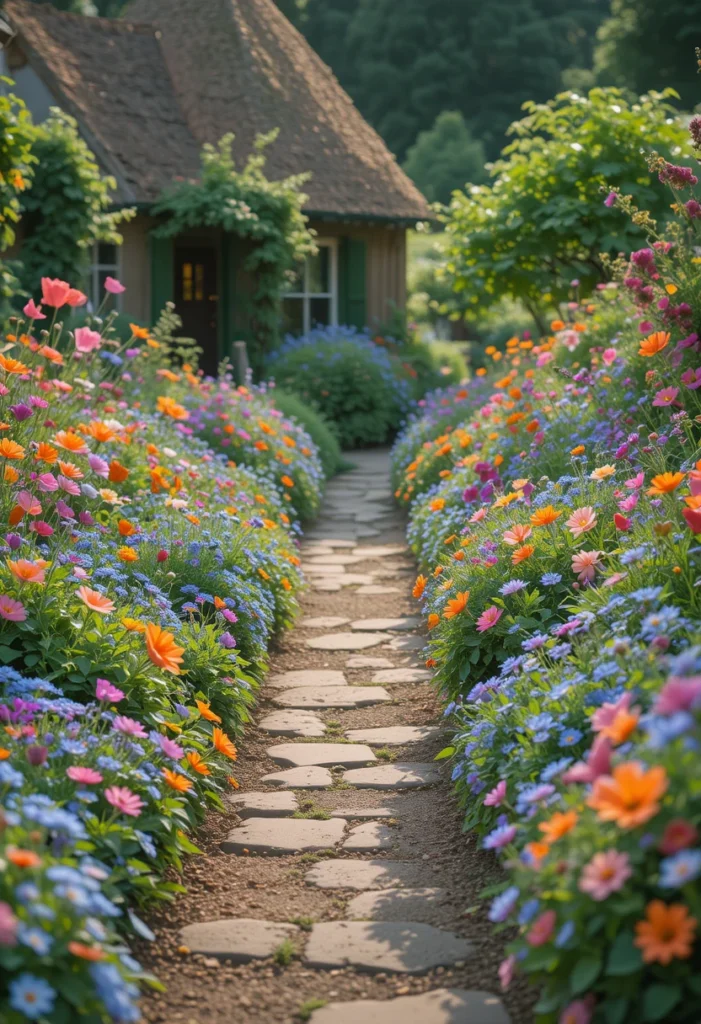
This is the tip that makes a cottage garden feel like it’s been there for decades, even in year one.
Cosmos, larkspur, poppies, and love-in-a-mist are all fast, easy-to-grow annuals that readily drop seed at the end of the season. Let a portion of your spent blooms go to seed instead of deadheading everything, and next spring you’ll find new plants filling in gaps naturally no replanting required.
A short cheat sheet for beginner-friendly self-seeders:
- Cosmos tall, airy, blooms non-stop through summer
- California poppies low, drought-tolerant, cheerful color
- Larkspur spiky blue-purple spires, similar look to delphinium
- Sweet alyssum low, fragrant, fills every gap along a border
Read Also: Green Nest Hubs
6. Add Fragrant Lavender Borders
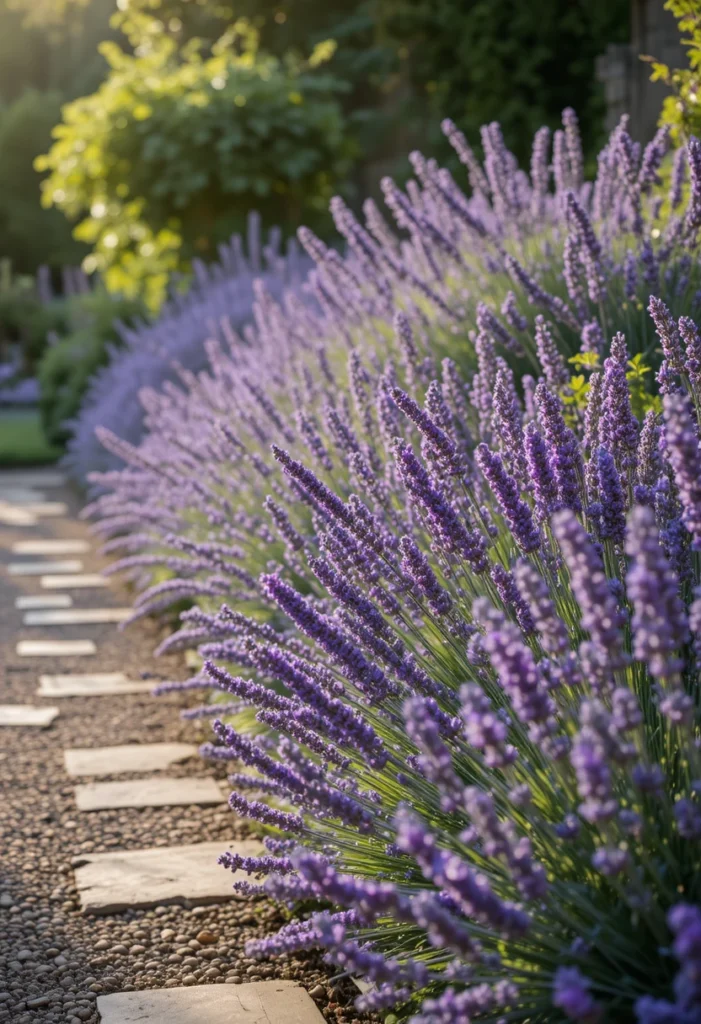
Lavender does double duty in a cottage garden: it edges beds beautifully, and it fills the whole yard with scent every time you brush past it.
Plant it along path edges, at the base of roses, or as a low hedge separating garden “rooms.” It tolerates some drought once established, attracts pollinators by the dozen, and holds its silvery structure even in the off-season, when flashier blooms have faded.
Quick summary: Lavender = fragrance + pollinators + year-round structure, in one easy, low-maintenance plant.
7. Weave in Peonies for Old-World Romance
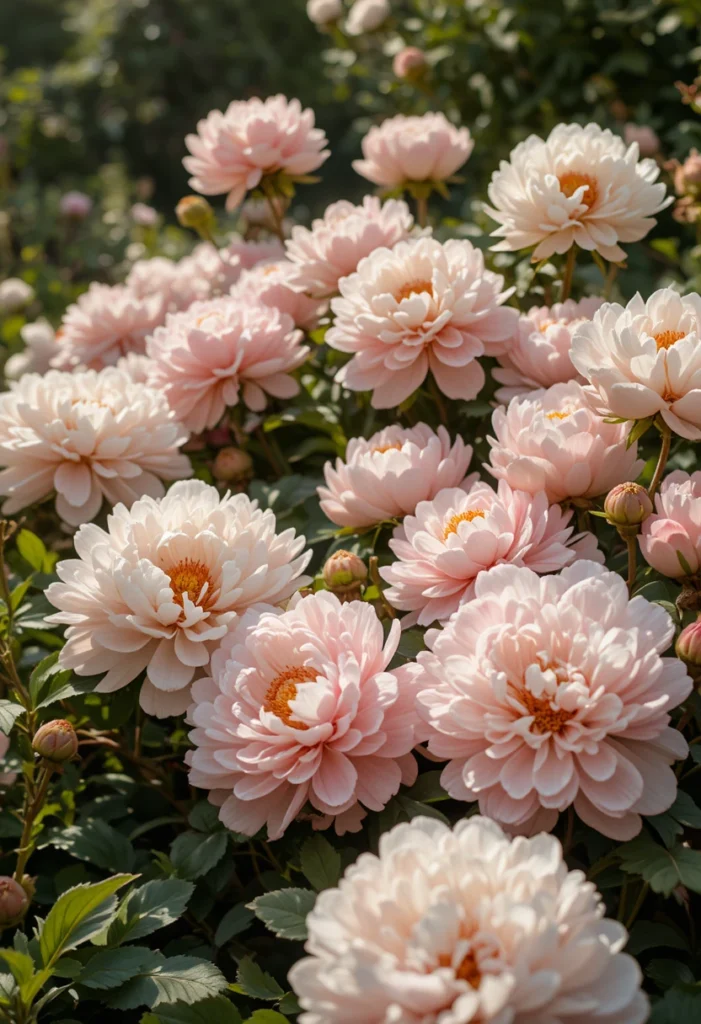
If cottage gardens have a signature scent, it’s roses and peonies together.
Peonies bloom for only a couple of weeks a year, but those weeks are spectacular huge, ruffled, fragrant blooms in soft pinks, whites, and corals. Plant them in part sun to full sun, and be patient; established peony clumps can bloom reliably for decades with almost no fuss.
Tuck them into the middle layer of your border, near roses, so when one finishes blooming the other is just getting started.
8. Train Climbing Vines Up Every Vertical Surface
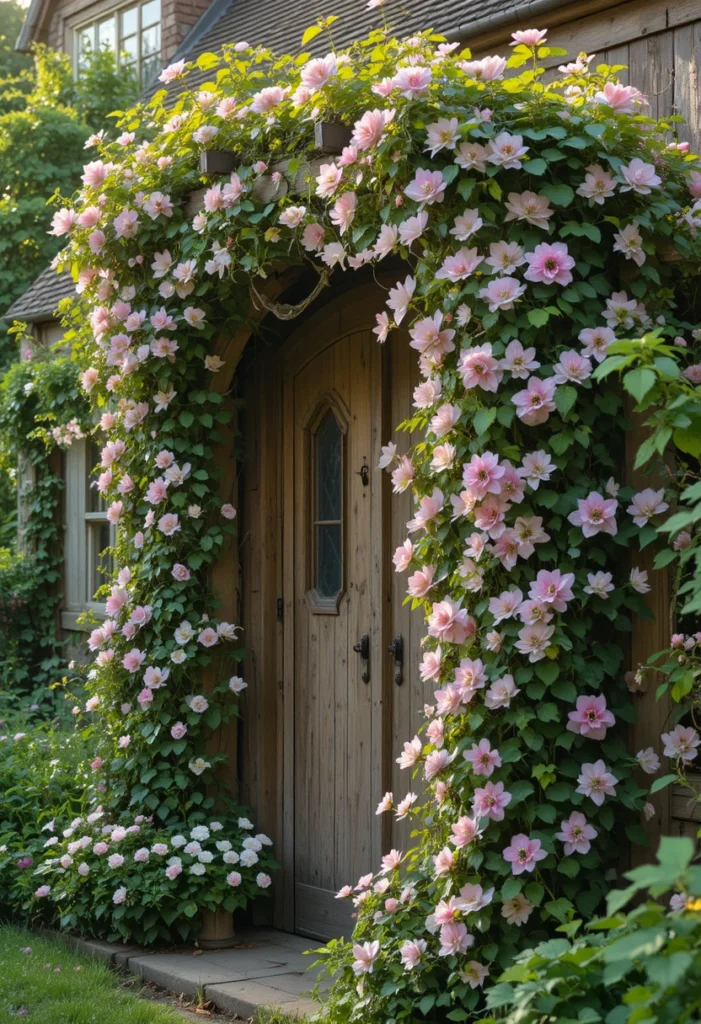
Cottage gardens don’t stay confined to the ground they climb.
Clematis, climbing roses, and wisteria trained up a trellis, arbor, or fence turn a flat garden into a layered, romantic scene. Wisteria in particular rewards patience with cascading late-spring blooms that look straight out of a fairytale, while clematis offers repeat color through much of the season.
If your space is small, this is one of the best ways to add drama without losing precious ground space you’re simply borrowing height you already have.
9. Mix in Pollinator-Friendly Perennials for Nonstop Blooms
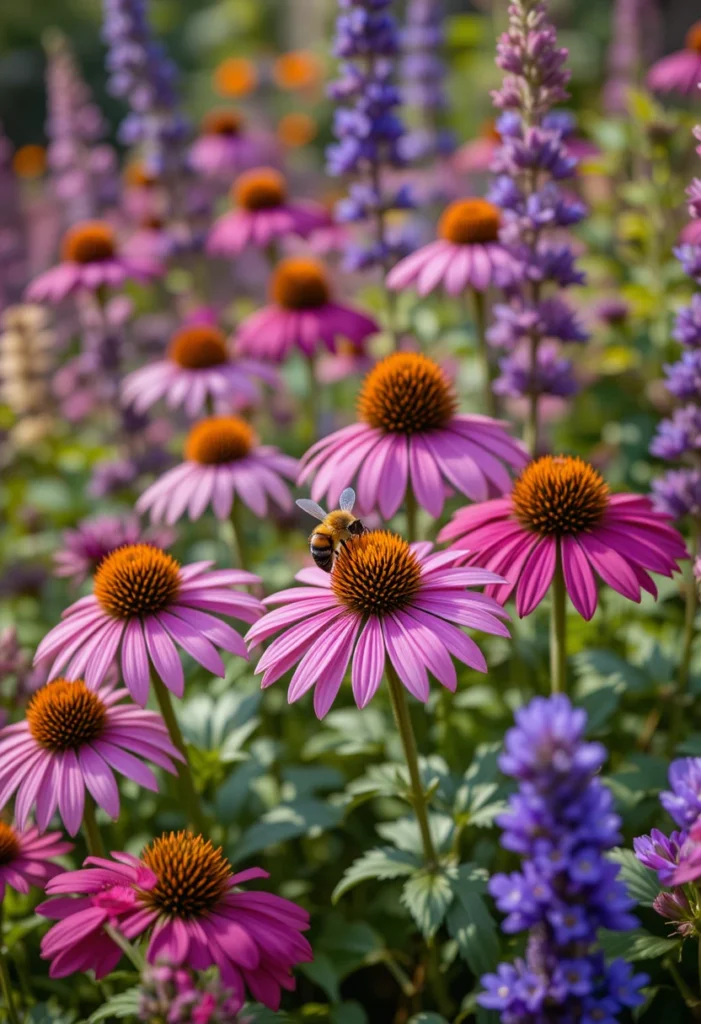
Here’s the tip most beginner cottage gardens miss and it’s the one that keeps your yard buzzing (literally) from late spring through the first frost.
Instead of relying only on a few showstopper plants that bloom for a couple of weeks, mix in reliable, long-blooming perennials like coneflower, salvia, bee balm, and asters. These plants:
- Bloom for weeks (sometimes months) at a stretch
- Attract bees, butterflies, and hummingbirds
- Fill the gaps between your rose and peony “star” moments
Save-worthy tip: Stagger bloom times on purpose. If everything flowers in June, you’ll have a stunning garden for three weeks and a green, quiet one for the rest of summer. Choosing a mix of early, mid, and late-season bloomers keeps the color and the pollinators coming all season long.
10. Swap Straight Lines for Curved Paths
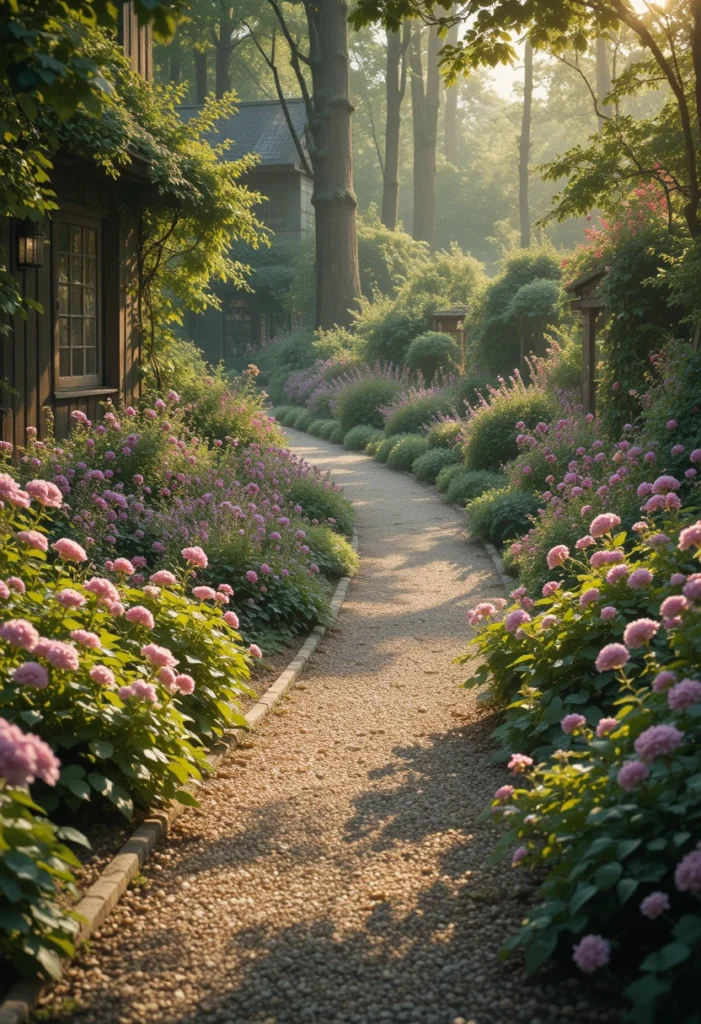
Straight paths feel formal. Cottage gardens feel anything but.
Use curved stepping-stone or gravel paths that wind through your beds instead of cutting a straight line to the door. Curves make even a small garden feel larger, slow visitors down to actually notice the flowers, and give plants a more natural, spilling-over-the-edge look along the borders.
Simple materials work best here pea gravel, reclaimed brick, or flagstone all read as “cottage,” while poured concrete tends to feel too modern for the style.
11. Tuck In Vintage Garden Accents
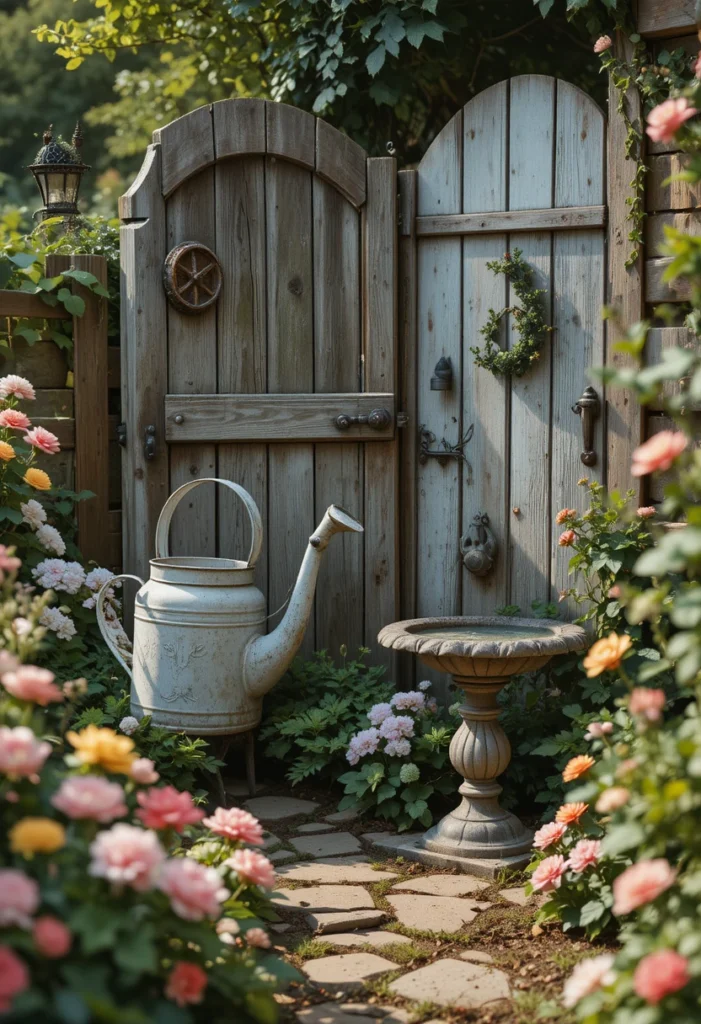
Part of the cottage garden’s charm has nothing to do with plants at all.
An old wheelbarrow used as a planter, a moss-covered birdbath, a rusty iron gate, or a simple wooden bench tucked into a flower-filled corner these small, lived-in touches are what make a garden feel like a story rather than a landscaping project. You don’t need to buy anything new; flea markets, estate sales, and even your own garage are great places to find character pieces.
12. Add Dahlias for a Late-Summer Color Boost
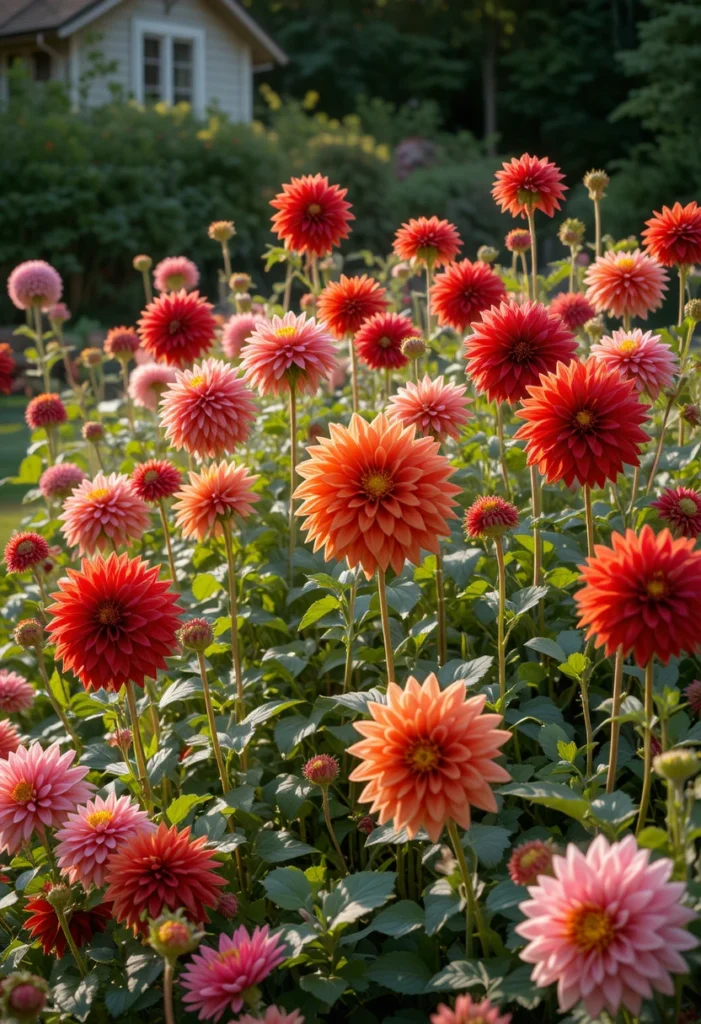
Just as many early-season flowers start to fade, dahlias step in to save the show.
Grown from tubers, dahlias love full sun and well-drained soil, and they bloom in nearly every color imaginable, from soft blush to deep burgundy. In warmer zones you can leave tubers in the ground over winter; in colder climates, dig them up and store them indoors until spring. Because many varieties grow tall, plan to stake them early so they don’t flop once the blooms get heavy.
13. Repeat Plants Throughout the Space for Cohesion
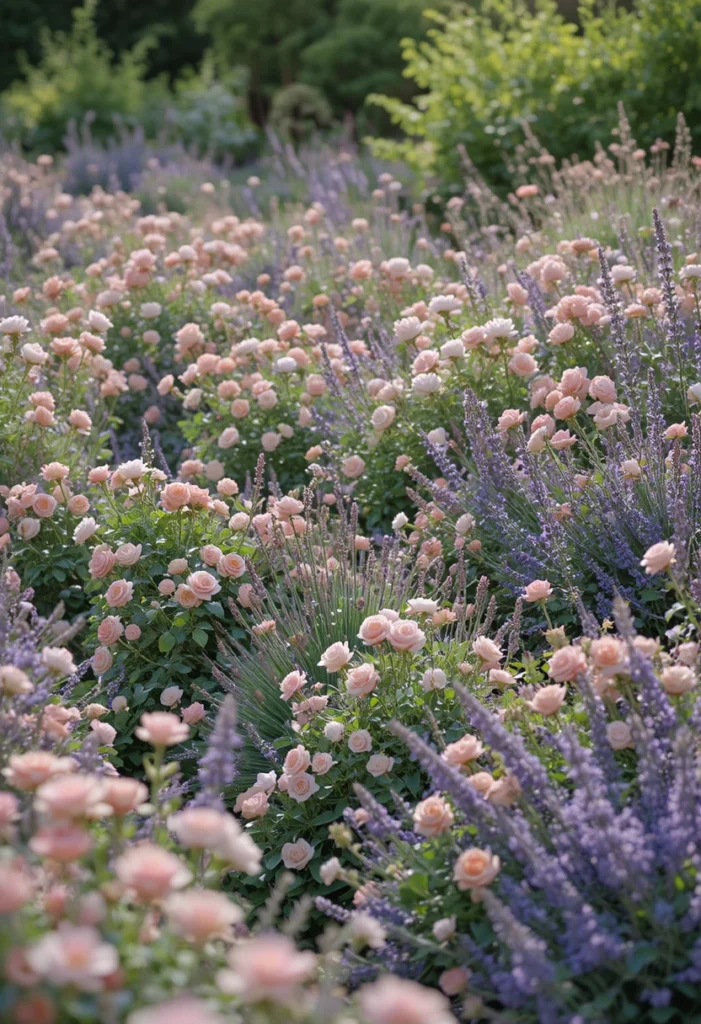
It’s tempting to buy one of every pretty plant you see but a garden full of “one of everything” can start to feel busy instead of charming.
Instead, pick a handful of favorite plants and repeat them in small clusters throughout the garden. Repetition of color and form is what ties a seemingly wild, informal space together into something that reads as intentional, even though it never feels stiff.
14. Tuck Herbs and Edibles Right in Among the Flowers
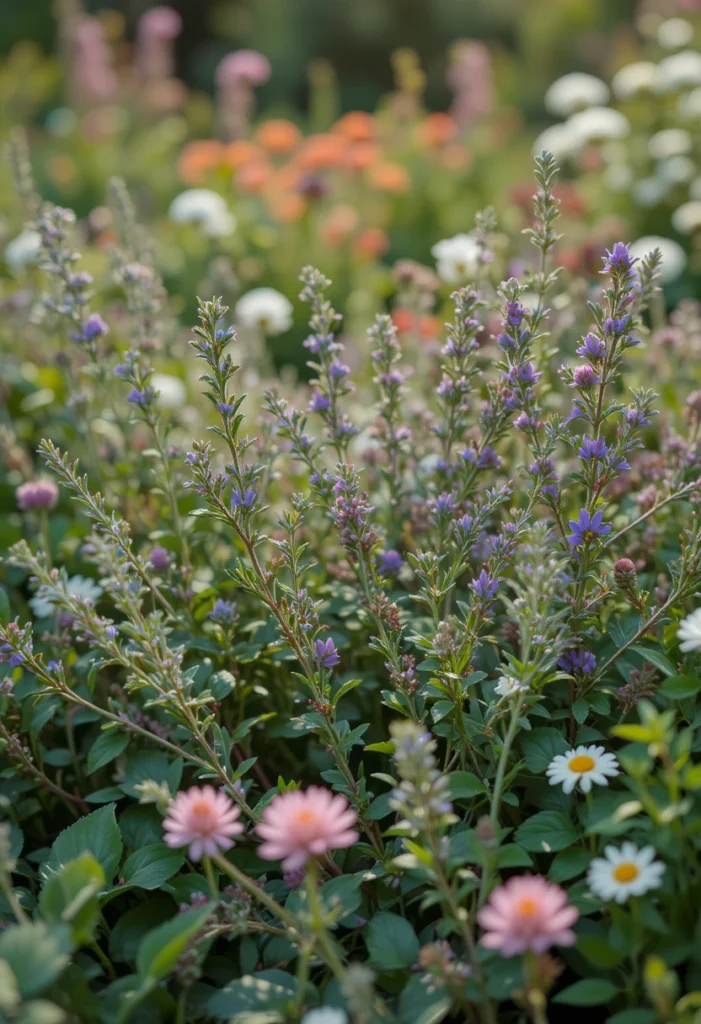
A true cottage garden doesn’t separate “pretty” from “useful.” Historically, cottage gardens grew flowers, herbs, and vegetables side by side and that mix is part of what gives the style its relaxed, abundant feel.
Try tucking chives, sage, or parsley along a bed edge, or letting a few cabbages or Swiss chard plants mingle with your flowers. It’s a small detail, but it instantly makes a garden feel more lived-in and less like a display.
15. Choose One Soft, Romantic Color Palette
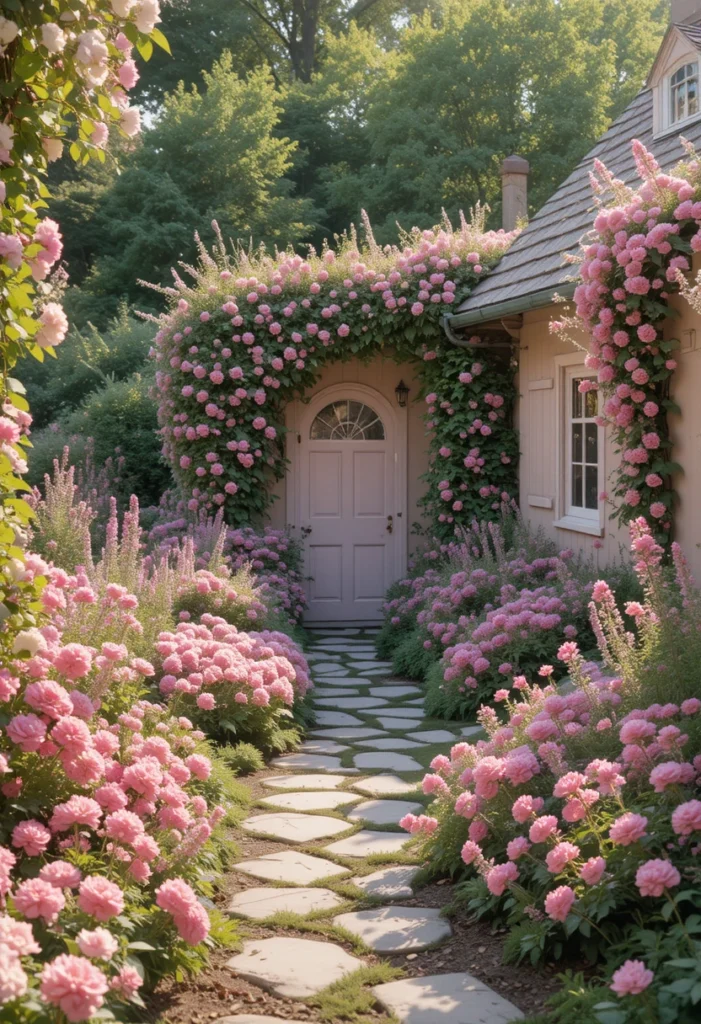
With so many flowers going into one space, color can quickly turn chaotic without a guiding palette.
The classic cottage look leans on soft pastels pinks, purples, blues, and creamy whites for that romantic, old-world feel. Prefer something bolder? A warm palette of oranges, golds, and deep reds reads more like a wildflower meadow. Either works beautifully; the key is picking one direction and letting most of your plant choices support it, rather than mixing every color at once.
Frequently Asked Questions About Cottage Flower Gardens
How much space do I need to start a cottage garden?
You can start surprisingly small. A single 10×10 bed is enough to try out layering, a few anchor plants, and a curved path you can always expand once you see what thrives in your space.
Are cottage gardens hard to maintain?
They’re actually one of the more forgiving garden styles. Because they’re informal by design, a little wildness, self-seeding, and imperfect pruning all add to the look rather than detract from it.
What are the easiest cottage garden flowers for beginners?
Cosmos, roses, lavender, coneflower, and sweet alyssum are all reliable, low-fuss choices that reward beginners with fast, forgiving growth.
Do cottage gardens need full sun?
Most classic cottage flowers prefer at least six hours of direct sun daily, though a few favorites like foxgloves and peonies tolerate part shade nicely.
Bringing It All Together
A cottage flower garden isn’t built in a single weekend it’s grown, season after season, one layered bed and one happy accident at a time. Start with a loose sketch, pick a handful of anchor plants you love, layer in height and fragrance, and let a little bit of self-seeded wildness do the rest.
Before long, you’ll be the one stepping outside with your morning coffee, looking at a garden full of roses, lavender, and buzzing bees, wondering how it all came together so beautifully.