
You check the weather app one more time before bed, and there it is a little snowflake icon next to tonight’s forecast. Your first thought isn’t about your own jacket. It’s about the tomatoes you’ve babied all season, the hydrangea buds just starting to swell, the potted citrus tree you finally got thriving.
Here’s the good news: a frost warning doesn’t have to mean disaster. With the right prep, most tender plants can sail through a cold night completely unscathed and you don’t need a greenhouse or fancy equipment to do it. You just need to know which of these 12+ methods to grab first.
Keep reading, because tip #6 is the one gardeners get wrong most often, and it can do more harm than the frost itself.
Why Frost Actually Damages Plants
Frost forms when a plant’s surface temperature drops to freezing, even if the surrounding air reads a few degrees warmer which is why frost can sneak up on you on a “safe-looking” 36°F night. Ice crystals form inside plant cells, rupture the cell walls, and once that happens, the damage is done. The goal of every method below is the same: trap the heat radiating up from the soil, and keep that heat close enough to the plant to prevent ice from forming in the first place.
12+ Proven Ways to Protect Your Plants From Frost
Know Your Average Frost Dates
Before frost ever shows up in the forecast, know roughly when it tends to arrive in your area in fall and when it typically ends in spring. This lets you plan ahead instead of scrambling and it tells you which plantings are genuinely at risk versus which are just an early-season worry.
How to use it: Mark your last and first expected frost dates on a calendar, and start watching nightly forecasts closely for two weeks on either side.
Watch for These Frost-Risk Conditions
Frost is most likely on clear, calm, dry nights cloud cover acts like a blanket that traps heat, so cloudless skies let that heat radiate straight out into the atmosphere. Combine that with still air and a forecast low in the low-to-mid 30s°F, and you’re in frost territory even if the app doesn’t say “frost” outright.
Save this for later: Clear sky + no wind + temps under 36°F = act tonight, don’t wait for morning.
Water the Soil the Afternoon Before

Moist soil absorbs and holds significantly more daytime heat than dry soil, then slowly releases that warmth overnight. Water in the early-to-mid afternoon so the moisture has time to soak in before temperatures drop — not right before dark, and not so heavily that you’re left with soggy, waterlogged roots.
Cover Plants With Sheets, Blankets, or Frost Cloth
This is the single most effective method for garden beds and shrubs. A breathable cover trapped over a plant can raise the temperature underneath by several degrees sometimes enough to be the entire difference between fine and frozen. Use old sheets, towels, burlap, or purpose-made frost cloth (row cover), and drape it loosely all the way to the ground so warm air from the soil stays trapped inside.
Read Also: 11+ Flower Garden Ideas With a Pathway (That Look Stunning Year-Round)
Never Let the Covering Touch the Leaves

Here’s the detail most people miss: wherever fabric touches a leaf, cold transfers straight through and that spot can freeze anyway. Use stakes, tomato cages, hoops, or even patio furniture to hold the material up and away from the foliage, creating an insulating air pocket instead of a direct contact point.
Skip the Plastic Sheeting (Or Use It Carefully)
Plastic is one of the worst insulators you can use directly on a plant where it touches, cold transfers immediately, and any condensation that forms underneath can actually make frost damage worse, not better. If plastic is all you have, build a frame (like a hoop or tomato cage) so it never makes direct contact with any leaf or stem.
Mulch Around the Base of the Plant
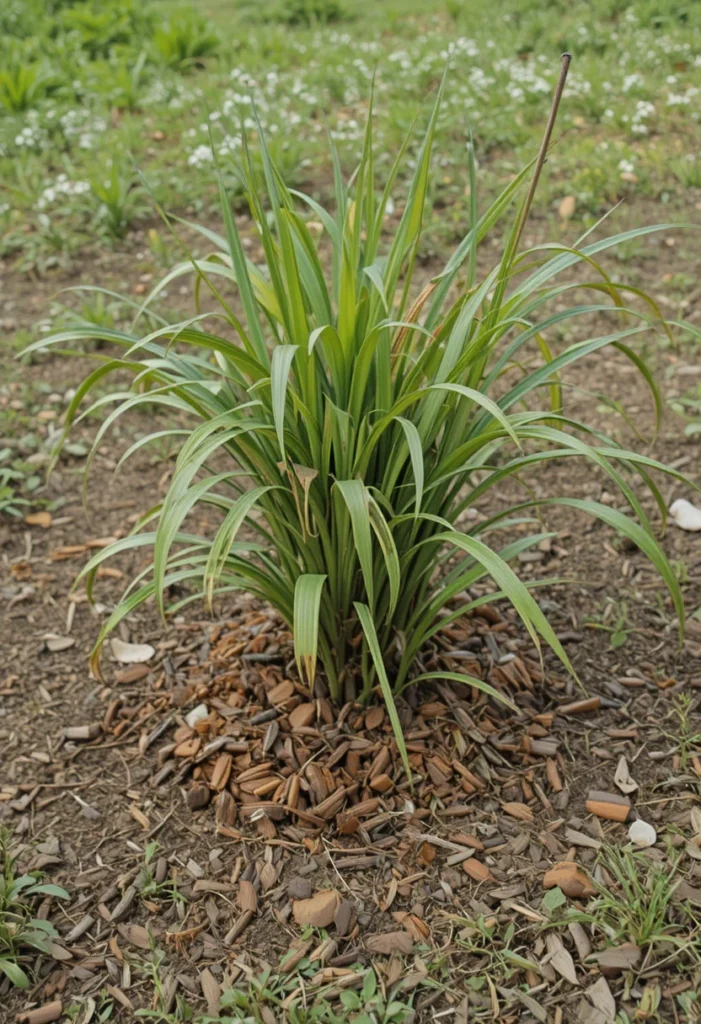
A few inches of straw, wood chips, shredded leaves, or bark laid around (not on top of) the base insulates the root zone and helps stabilize soil temperature through the coldest hours. This matters most for perennials and young shrubs whose root systems haven’t fully established yet.
How to use it: Apply mulch the evening before a predicted frost, and pull it back once temperatures stabilize so roots can breathe again.
Bring Container Plants Indoors
Potted and container plants are far more vulnerable than in-ground plants because their roots have almost no surrounding soil mass to buffer the cold. If a hard frost is coming, the single easiest fix is simply relocating pots to a garage, shed, porch, or indoors overnight.
Use DIY Cloches for Small Plants
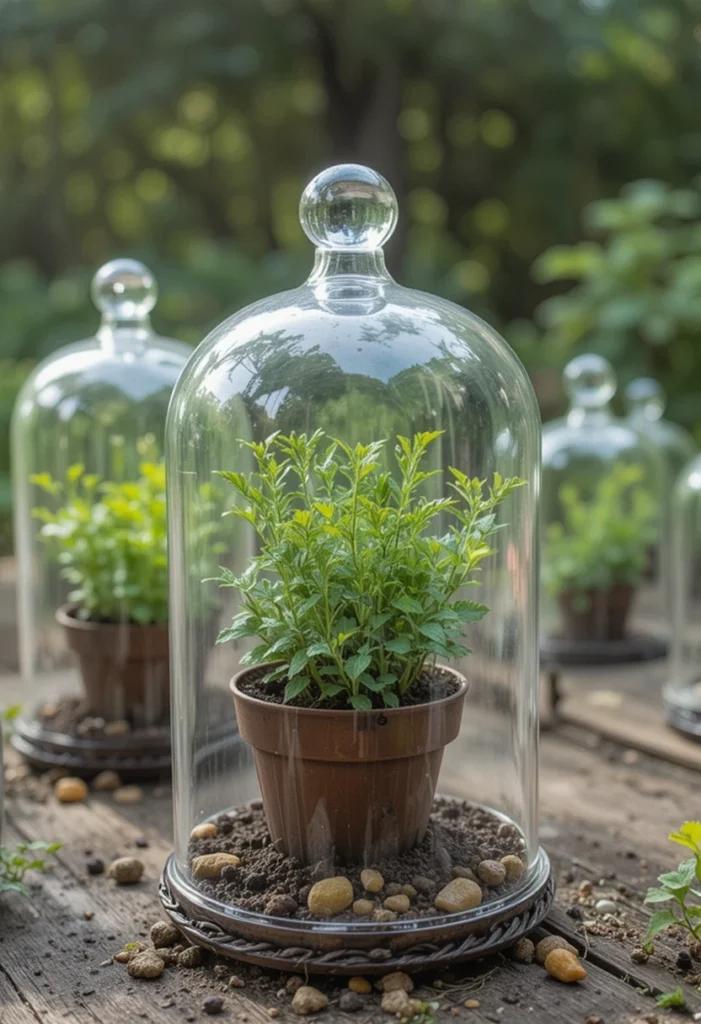
For individual seedlings or small plants, a cut-open plastic milk jug, a large glass jar, or an overturned bucket makes an instant mini-greenhouse. Push the open edge slightly into the soil to seal in ground heat, and remove it as soon as temperatures rise the next morning so the plant doesn’t overheat or lose airflow.
Build a Simple Cold Frame or Hoop Tunnel
For a whole row of vegetables or a raised bed, a cold frame (a box with a clear lid) or a hoop tunnel (bent wire or PVC covered in row cloth or plastic) provides ongoing frost protection across multiple cold nights without needing to re-cover everything by hand each evening.
Cluster Container Plants Together
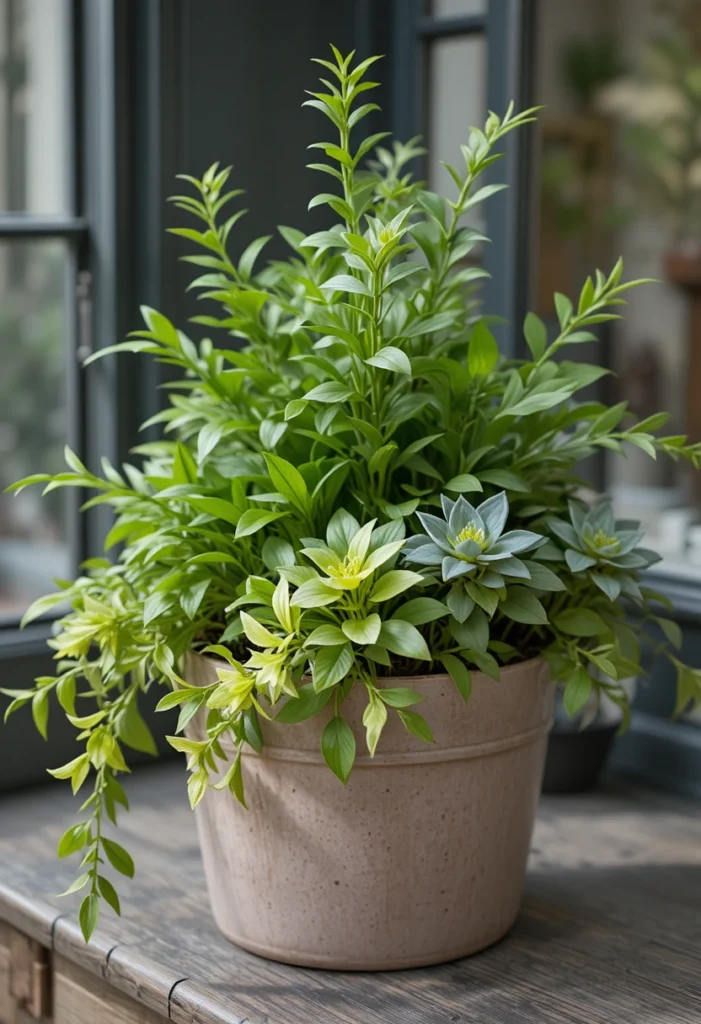
Grouping pots close together ideally against a house wall or in a sheltered corner lets them share and retain warmth as a unit rather than each one radiating heat away individually into the open air. It’s a simple, zero-cost move that noticeably raises the microclimate around your most vulnerable containers.
Wrap Pots to Insulate the Roots
Even if the plant itself is covered, an exposed pot can let cold reach the roots from the sides. Wrapping containers in bubble wrap, burlap, or an old blanket adds an extra insulating layer exactly where container plants are most exposed.
Use Outdoor String Lights for Extra Warmth
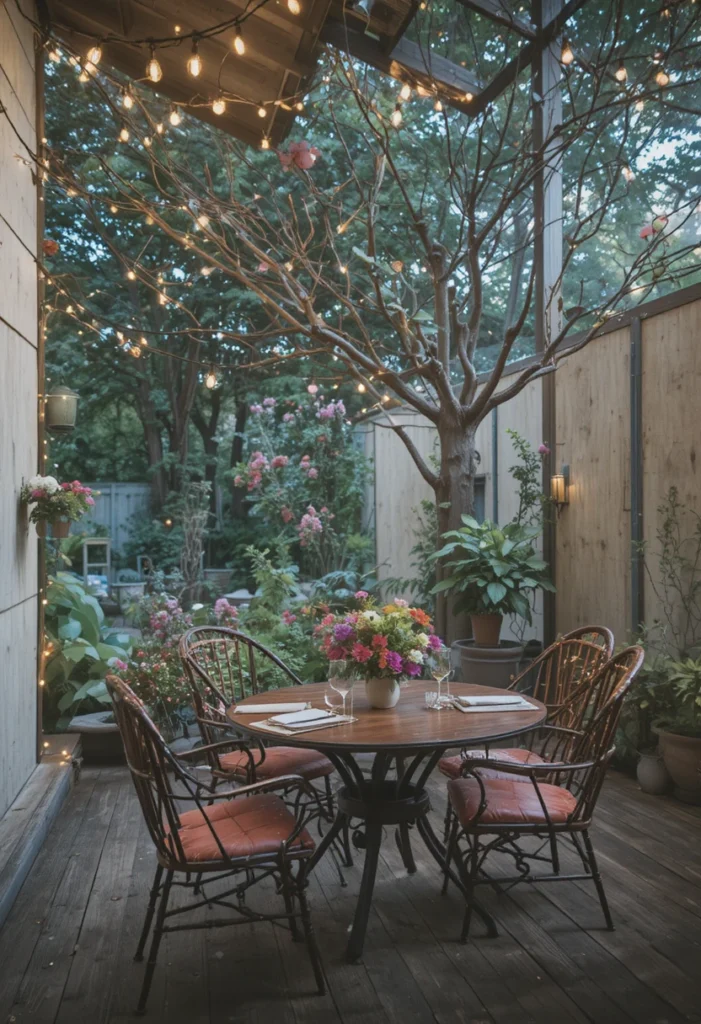
Old-style incandescent (non-LED) holiday lights strung through a small tree, shrub, or under a frost cover generate just enough gentle heat to raise the temperature a few crucial degrees. LED lights don’t produce heat, so they won’t work for this it has to be the older-style bulbs.
Try an Anti-Transpirant Spray for Extra Insurance
Anti-transpirant sprays coat foliage in a thin, breathable film that slows moisture loss from the leaves, which can help reduce frost stress on more sensitive plants like citrus, hydrangea buds, or newly planted shrubs. It’s not a substitute for covering, but it’s a smart extra layer of protection for plants you especially don’t want to lose. One application typically lasts a couple of months.
Remove All Covers the Next Morning

This last step is just as important as the covering itself. Once temperatures rise above freezing, pull covers, cloches, and plastic off promptly leaving them on too long traps heat and moisture, which can stress or even cook tender foliage once the sun comes out.
What to Do the Night Before a Frost: Quick Checklist
- Temperature Typically 32–36°F 32°F and below, prolonged
- How it forms Ice crystals on leaf surface on clear, calm nights Air temperature itself drops below freezing
- Best protection Covering, mulch, watering Covering + heat source (lights) + moving indoors
- Effectiveness of covers Very effective Limited below ~28°F
Frequently Asked Questions
What temperature should I start protecting my plants?
Start taking precautions once nighttime lows are forecast between 33–36°F, since frost can form even before the temperature officially hits 32°F.
Can I use plastic to cover plants from frost?
Only if it’s held away from the foliage using stakes or a frame direct contact with plastic can actually make cold damage worse.
Do I need to cover plants every single frosty night?
For genuinely cold-hardy plants, no. Reserve covering for tender annuals, tropicals, new transplants, and anything actively flowering or fruiting.
Is it better to water before or after a frost?
Before. Watering the soil in the afternoon lets it absorb daytime heat, which then radiates back out and helps protect roots and nearby foliage overnight.
How long can frost cloth stay on a plant?
It can stay on for multiple cold nights in a row, but should be removed once daytime temperatures rise well above freezing so the plant gets light and airflow.
Do succulents need frost protection too?
Most succulents are more cold-sensitive than they look. Skip watering them before a frost, but still cover or move them indoors if a hard freeze is expected.
Final Thoughts
A frost warning doesn’t have to mean losing the plants you’ve spent a whole season growing. With a few sheets, some mulch, and a little advance planning, most tender plants can make it through a cold snap just fine.