Choosing the right container can make a major difference to the health of a houseplant. 12+ Plant care is not only about watering, sunlight, and fertilizer; the pot itself plays an important role in keeping roots healthy. A well-designed plant pot should allow excess water to escape while providing enough space for roots and growing medium. Extension guidance consistently identifies drainage holes as a critical feature because waterlogged soil can reduce the air available to roots and contribute to root problems.
Have you ever watered a plant carefully but still watched its leaves turn yellow, droop, or develop brown patches? The problem may not be your watering technique alone. A beautiful ceramic planter with no drainage hole can hold excess moisture around the roots, while an oversized pot can keep a large volume of soil wet for too long. Even a pot with drainage holes can cause trouble if the holes are blocked or the container is much larger than the plant needs.
Understanding 12+ Plant care means looking at the complete growing setup. In this guide, you’ll learn how drainage works, why drainage holes matter, how terracotta compares with plastic and ceramic, how to choose the right pot size, which containers work well for different plants, how to use decorative cachepots safely, and which common drainage mistakes can quietly damage your plants.
Terracotta Pots for Better Moisture Control
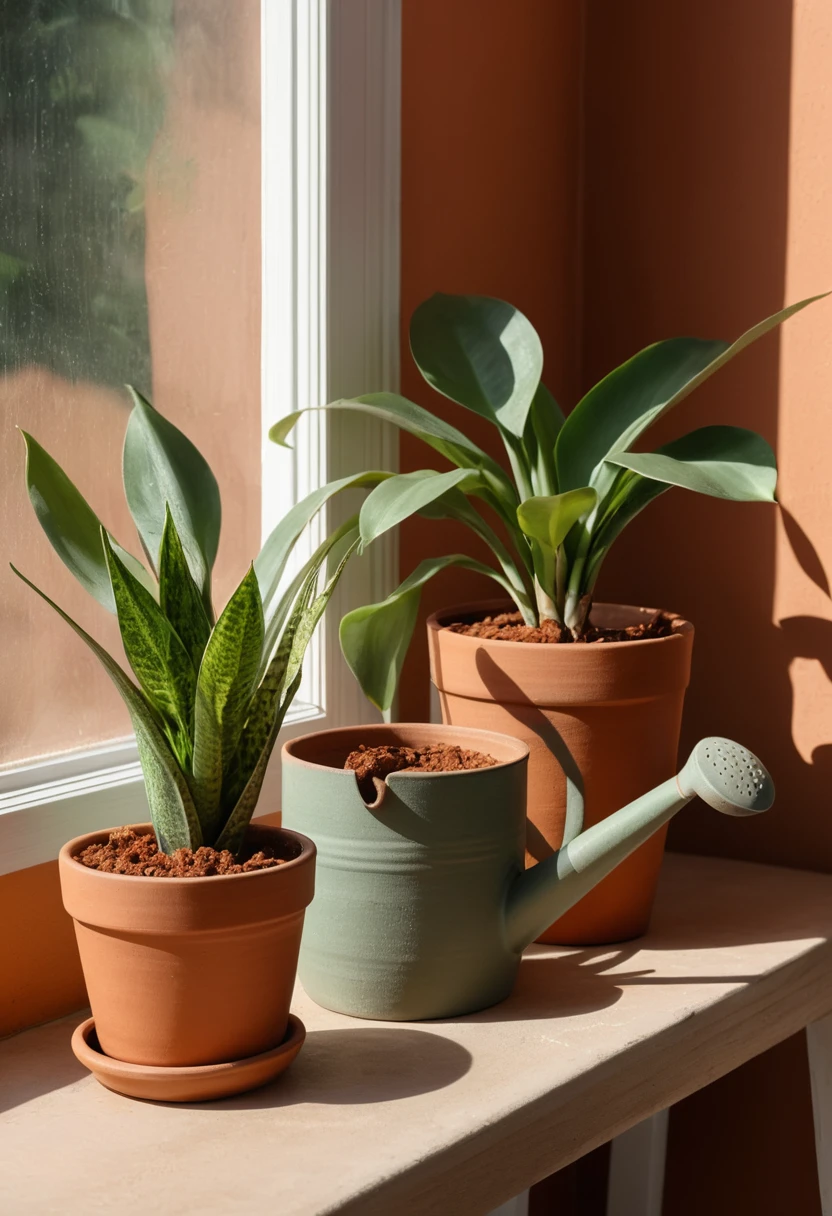
Terracotta is one of the most useful pot materials for certain types of 12+ Plant care. Unglazed terracotta is porous, meaning moisture can evaporate through the sides of the container. As a result, soil in a terracotta pot generally dries faster than soil in a nonporous plastic or glazed container of comparable size.
This can be an advantage for plants that dislike staying wet for long periods. Cacti, succulents, and other plants that prefer a faster-drying root environment can often benefit from the moisture-management characteristics of terracotta.
Advantages of Terracotta
Terracotta offers several practical benefits:
- Porous walls allow some moisture loss through the container.
- Soil generally dries faster than in nonporous pots.
- The heavier material can provide good stability.
- Its natural appearance works well with many plant styles.
- It can be useful for plants that dislike prolonged wet soil.
The faster drying rate can also be helpful for people who tend to water too frequently. However, terracotta is not a substitute for checking soil moisture. A plant can still be overwatered in terracotta if it is watered too often.
When Terracotta May Not Be Ideal
Plants that prefer consistently moist growing conditions may dry out too quickly in unglazed terracotta, especially in warm, dry environments. Virginia Tech Extension notes that terracotta tends to dry the root zone more rapidly, which can be helpful for arid plants but less suitable for moisture-loving species.
Terracotta can also be heavier and more fragile than plastic. If you frequently move your plants, a lightweight container may be more convenient.
Plastic Pots for Reliable Everyday Use
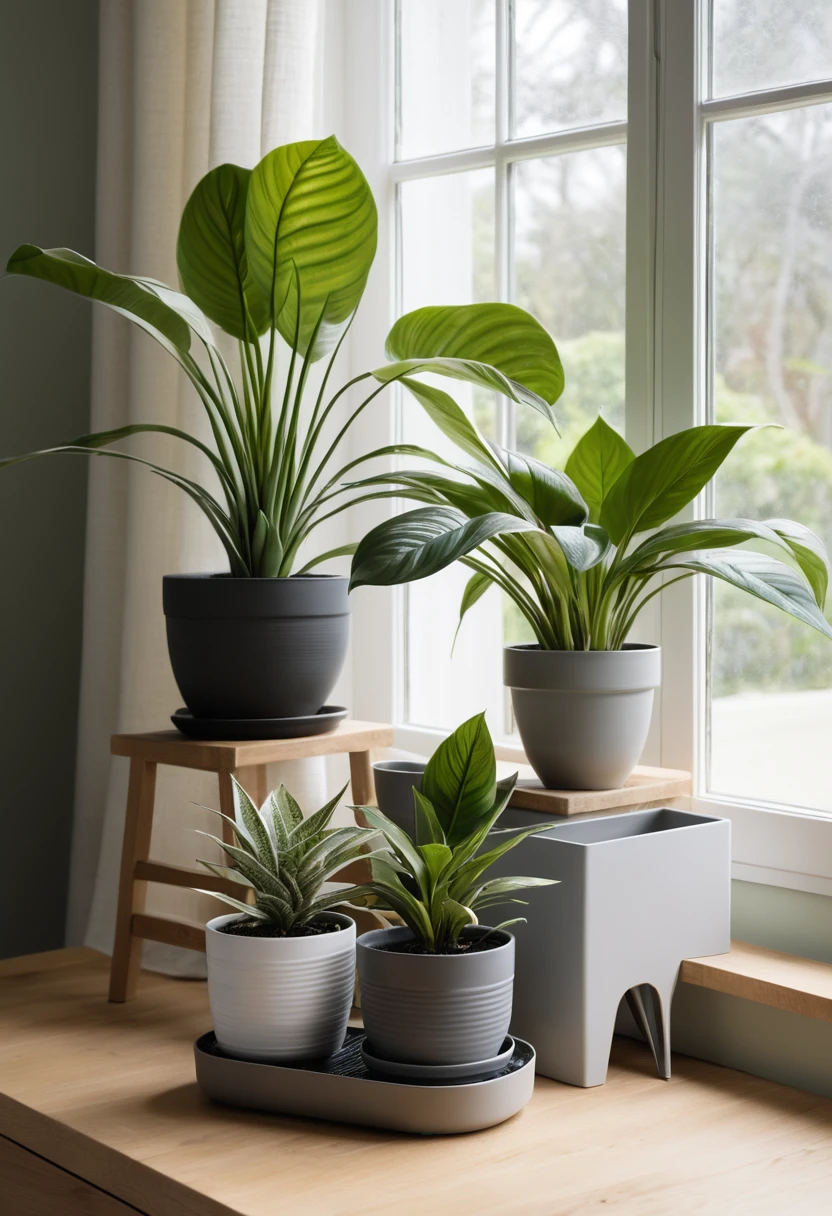
Plastic is another popular choice for 12+ Plant care because it is lightweight, durable, and generally retains moisture longer than porous clay. Plastic containers can work well for a wide variety of houseplants when they have suitable drainage.
Because plastic does not allow significant moisture loss through its walls, the growing medium generally dries more slowly. This can be helpful for plants that prefer a more consistently moist root environment, but it means the gardener needs to be more careful about watering frequency.
Advantages of Plastic
Plastic containers are useful because they are:
- Lightweight and easy to move.
- Usually inexpensive.
- Available in many shapes and sizes.
- Less likely to break than ceramic.
- Good at retaining moisture.
- Easy to use inside decorative outer pots.
Plastic nursery pots are particularly convenient when you want to combine practical drainage with a decorative display. The plant can remain in its draining inner pot while being placed inside a larger decorative container.
Watch the Moisture Level
Because plastic retains moisture longer, avoid watering according to a fixed calendar. Always check the growing medium and consider the plant’s light, temperature, and humidity.
A plastic pot is not inherently a bad choice for a plant that dislikes wet soil. The problem occurs when the material’s slower drying characteristics are ignored.
Ceramic and Glazed Pots: Beautiful but Check Drainage
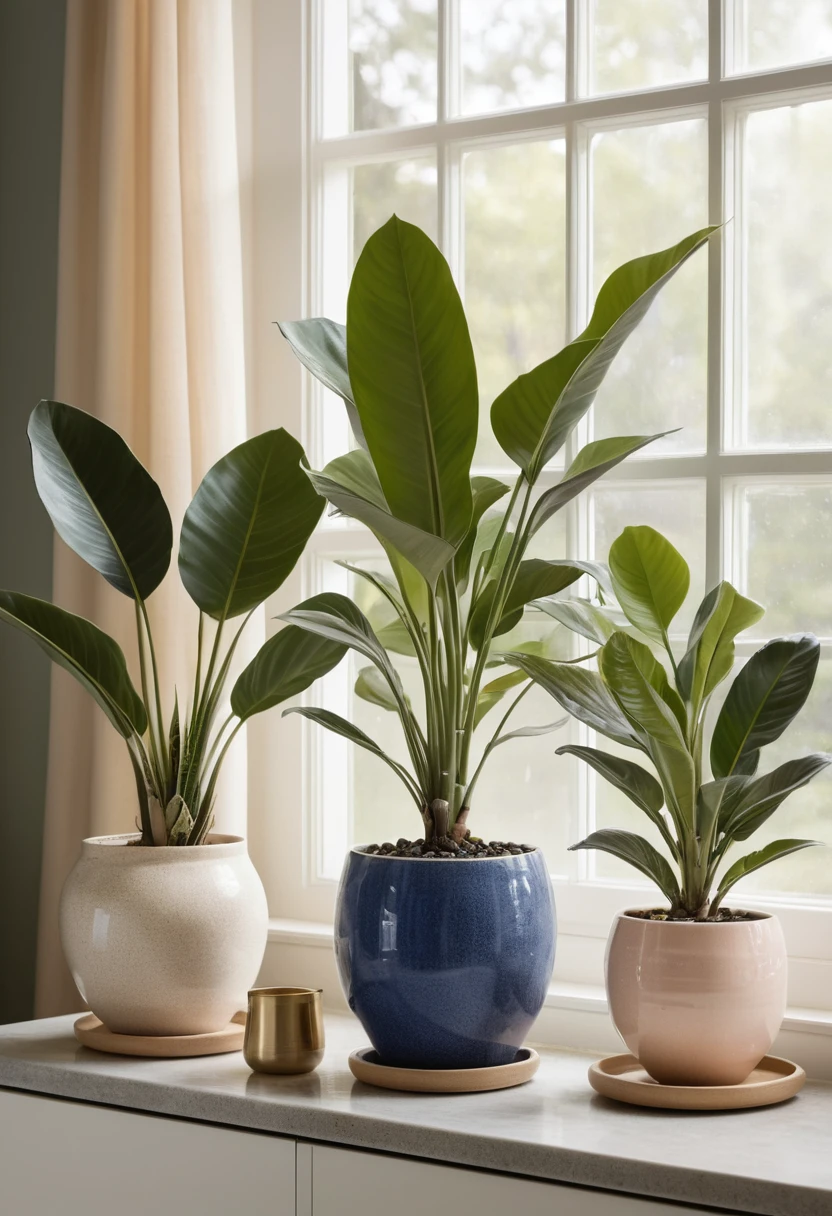
Ceramic pots can be excellent for 12+ Plant care, but their appearance should never be the only factor in your decision. Glazed ceramic is generally nonporous, so it tends to retain moisture longer than unglazed terracotta. Some decorative ceramic containers also lack drainage holes.
Before purchasing a ceramic planter, inspect the bottom carefully. A beautiful container with no drainage opening may be better used as an outer decorative sleeve rather than as the plant’s primary growing container.
Choose Ceramic With a Drainage Hole
A ceramic pot with a functioning drainage hole combines decorative appeal with practical water management. You can place a saucer underneath it to protect furniture and floors.
If the ceramic container does not have a drainage hole, do not assume that adding rocks to the bottom solves the problem. Extension guidance explains that gravel does not replace a drainage hole and can actually create a wetter zone within the container.
Use Ceramic as a Cachepot
A decorative ceramic pot without drainage can still be useful. Place a smaller nursery pot with drainage holes inside it and remove the inner pot when watering.
Allow the inner container to drain fully before returning it to the decorative pot. Also check the outer pot regularly to make sure water has not accumulated at the bottom.
Nursery Pots and Double-Pot Systems
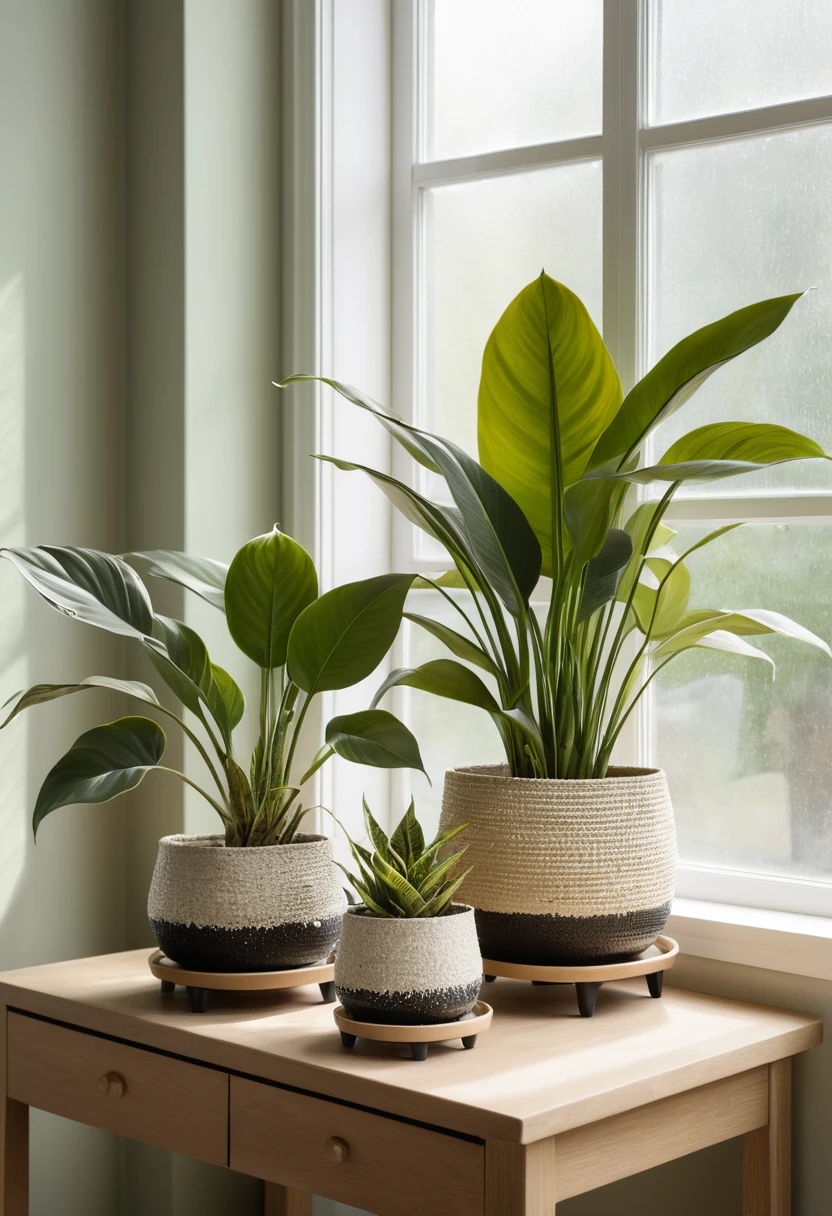
A double-pot setup is one of the easiest ways to combine attractive design with effective 12+ Plant care. The plant remains in a functional inner container with drainage holes, while a decorative outer pot hides the nursery container.
Iowa State Extension specifically recommends this approach when someone wants to use a decorative container without drainage. The inner pot provides the necessary drainage while the outer container acts as a sleeve.
How Double Potting Works
The process is simple:
- Keep the plant in a suitable draining container.
- Choose an outer decorative pot slightly larger than the inner one.
- Place the draining pot inside the decorative container.
- Remove the inner pot when watering.
- Let excess water drain completely.
- Empty any water remaining in the outer container.
- Return the plant once the inner pot has finished draining.
This arrangement gives you more flexibility with home décor without sacrificing the basic drainage needs of the plant.
Why It Is Better Than a Sealed Pot
A sealed pot forces you to manage water without a normal drainage outlet. That can be difficult to judge, especially for beginners. A draining inner pot provides a much clearer way to remove excess water after irrigation.
For many indoor gardeners, this setup offers the best combination of appearance, convenience, and root protection.
Orchid Pots and Specialized Drainage
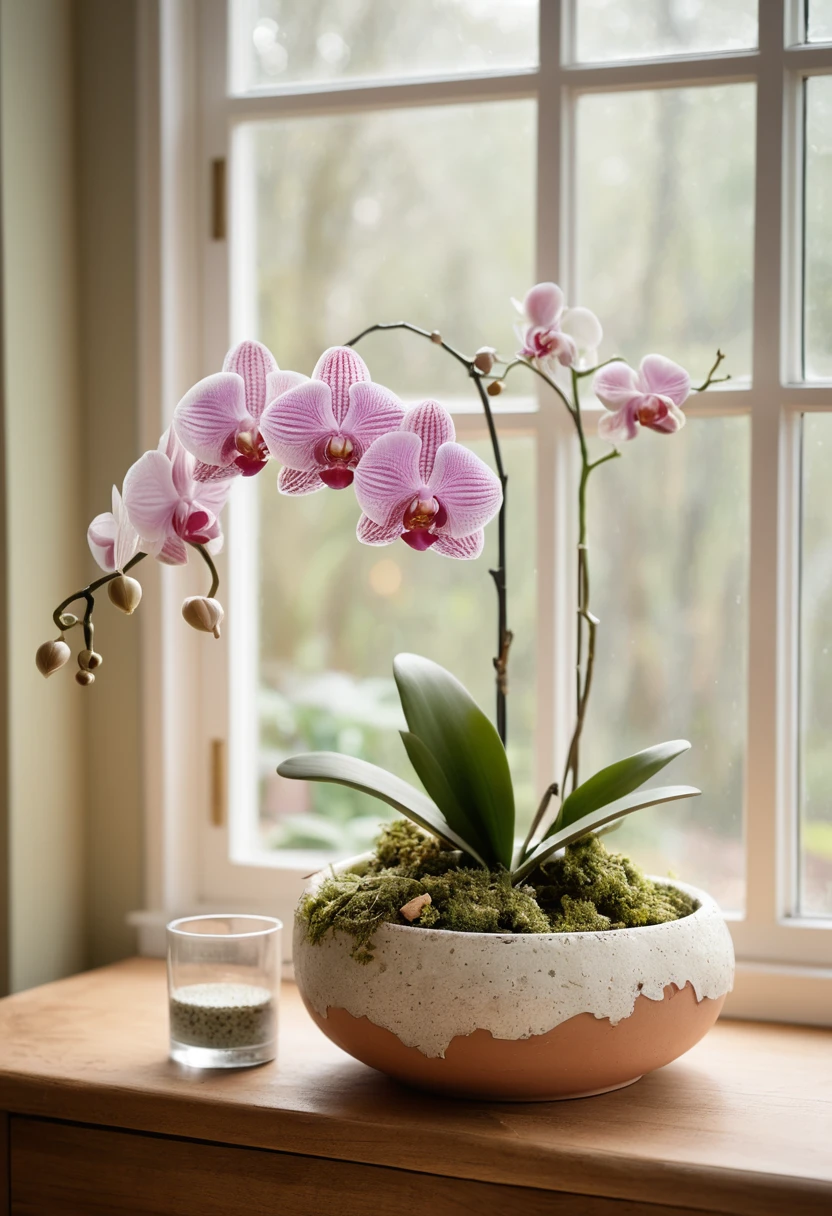
Not every plant needs a standard smooth-sided pot. Some plants have specialized root systems and benefit from containers designed around their natural growing habits. Orchids are a good example. Virginia Tech Extension notes that orchid pots commonly have large holes or slits in their sides, allowing the growing medium to dry more evenly and quickly.
This is an important lesson in 12+ Plant care: the “best” pot depends on the plant. A container that works beautifully for a pothos may not be appropriate for an orchid, cactus, or plant with unusual root requirements.
Match the Pot to the Root System
Before buying a specialized container, identify the plant’s normal growing conditions. Consider whether its roots prefer air movement, consistent moisture, rapid drainage, or a combination of these factors.
The pot should support those needs rather than forcing the plant into a generic setup. Specialized containers are most useful when their design addresses a real biological requirement.
Drainage Hole Size and Placement Matter
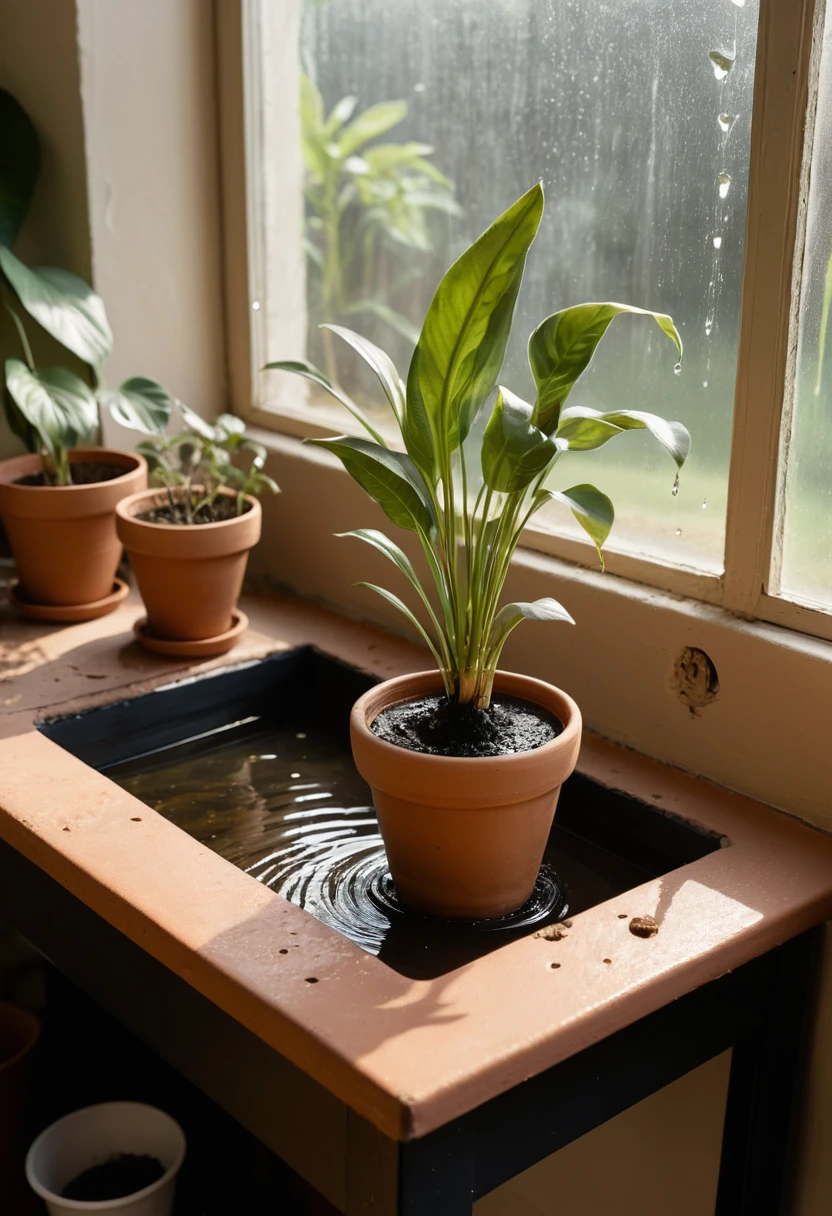
A drainage hole only helps if water can actually pass through it. Soil, roots, debris, or a blocked plug can reduce drainage and cause water to remain inside the container. Quality-container guidance from Iowa State Extension emphasizes checking that drainage openings are functional and, where appropriate, using more than one hole for larger containers.
The bottom of the pot should also be positioned so that water has somewhere to go. If the container sits flat against a surface that blocks the drainage opening, excess water may collect inside even though the pot technically has a hole.
Keep the Hole Clear
Inspect the drainage opening when watering and repotting. If roots or compacted soil are blocking it, gently clear the obstruction without damaging the plant.
For large pots, multiple drainage openings can provide better water escape. The exact design depends on the container, but the principle remains the same: excess water should have an unobstructed exit.
Raise Outdoor Containers When Needed
Outdoor containers can sometimes benefit from being slightly raised so drainage holes are not blocked by a flat surface. Pot feet, bricks, or other suitable supports can improve the space beneath the container.
For indoor plants, a saucer can catch excess water while still allowing the pot to drain. Just remember that the collected water should not be left around the base of the pot indefinitely.
Choose Pots Based on Your Watering Habits
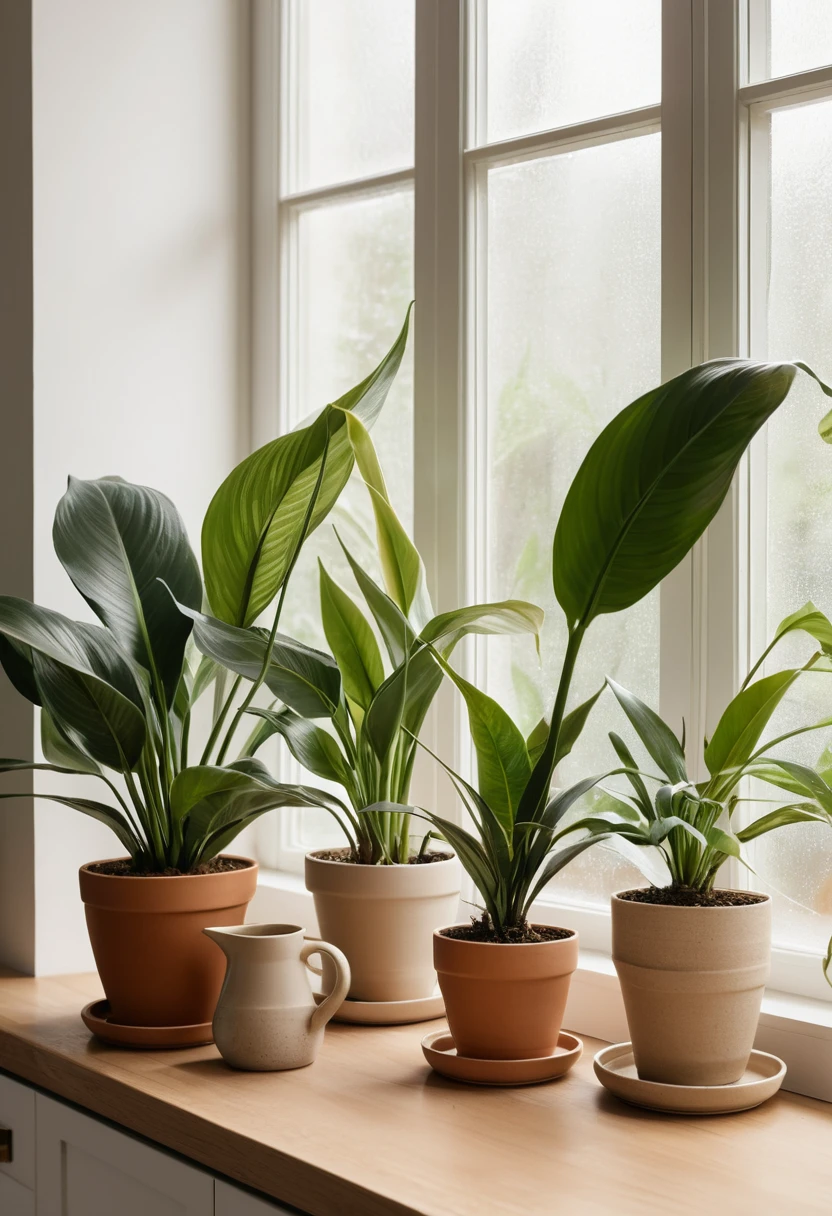
The best 12+ Plant care setup should account for how you actually look after plants. Someone who tends to overwater may find unglazed terracotta easier to manage for plants that tolerate drying. Someone who frequently forgets to water may prefer a material that retains moisture longer, provided the plant itself can handle it.
Your environment matters too. A bright, warm room can dry a pot more rapidly than a cool, dim room. A humid home may produce different results from a dry heated room.
If You Tend to Overwater
Consider a well-draining pot and a material that does not hold moisture excessively. Terracotta can be useful for suitable plants because its porous walls encourage faster drying.
Still, the most important improvement is changing the watering habit itself. No pot can completely protect a plant from consistently excessive watering.
If You Often Forget to Water
A moisture-retaining material such as plastic or glazed ceramic can sometimes provide a little more time between waterings. However, this should only be used when it matches the plant’s moisture preferences.
Do not choose a slow-drying container for a cactus simply because you sometimes forget to water. Match the pot to the plant first, then adjust your routine around it.
Match the Pot to the Plant
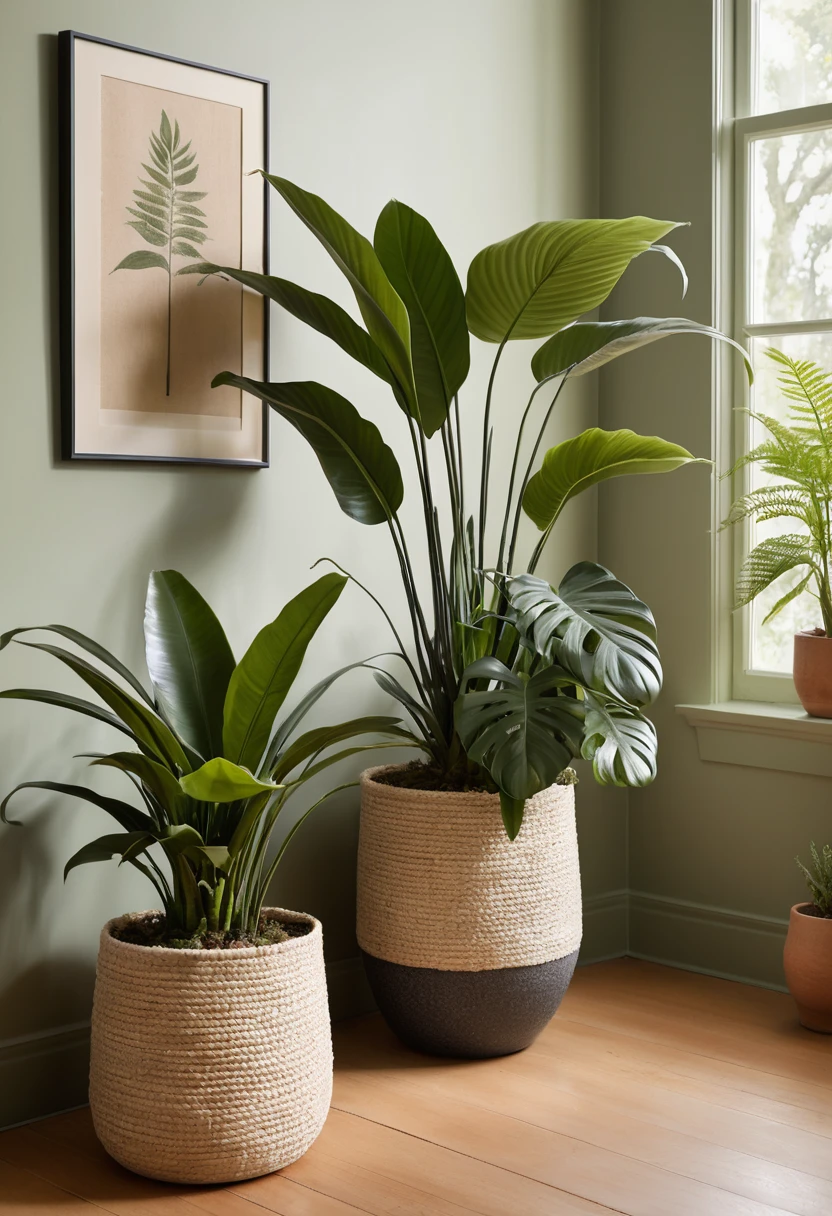
Different plants have different root-zone requirements, so 12+ Plant care should always be plant-specific. Succulents, cacti, tropical foliage, orchids, ferns, and flowering houseplants can require different combinations of drainage, moisture retention, and container size.
The pot should work with the plant rather than against it. Before buying, consider the plant’s natural habitat, watering requirements, root structure, current size, and the conditions inside your home.
Pots for Succulents and Cacti
Succulents and cacti generally benefit from containers that allow excess moisture to leave efficiently. Unglazed terracotta can be a useful option because it tends to dry more rapidly.
Choose a pot with a functioning drainage hole and avoid placing these plants into oversized containers that remain wet for long periods.
Pots for Tropical Foliage
Tropical foliage plants can vary significantly, but many prefer a balance between moisture and air around their roots. Plastic nursery pots with drainage holes are often practical because they allow you to monitor and manage moisture without adding unnecessary weight.
If using a decorative ceramic or metal outer pot, keep the draining inner container in place and remove it when watering.
Pots for Orchids
Orchids may benefit from specialized pots with large drainage openings or side ventilation. These designs allow the growing medium to dry more evenly and provide greater airflow around the root zone.
A standard sealed decorative planter may therefore be a poor choice unless it is being used only as an outer cachepot.
Use Saucers Without Creating Standing Water
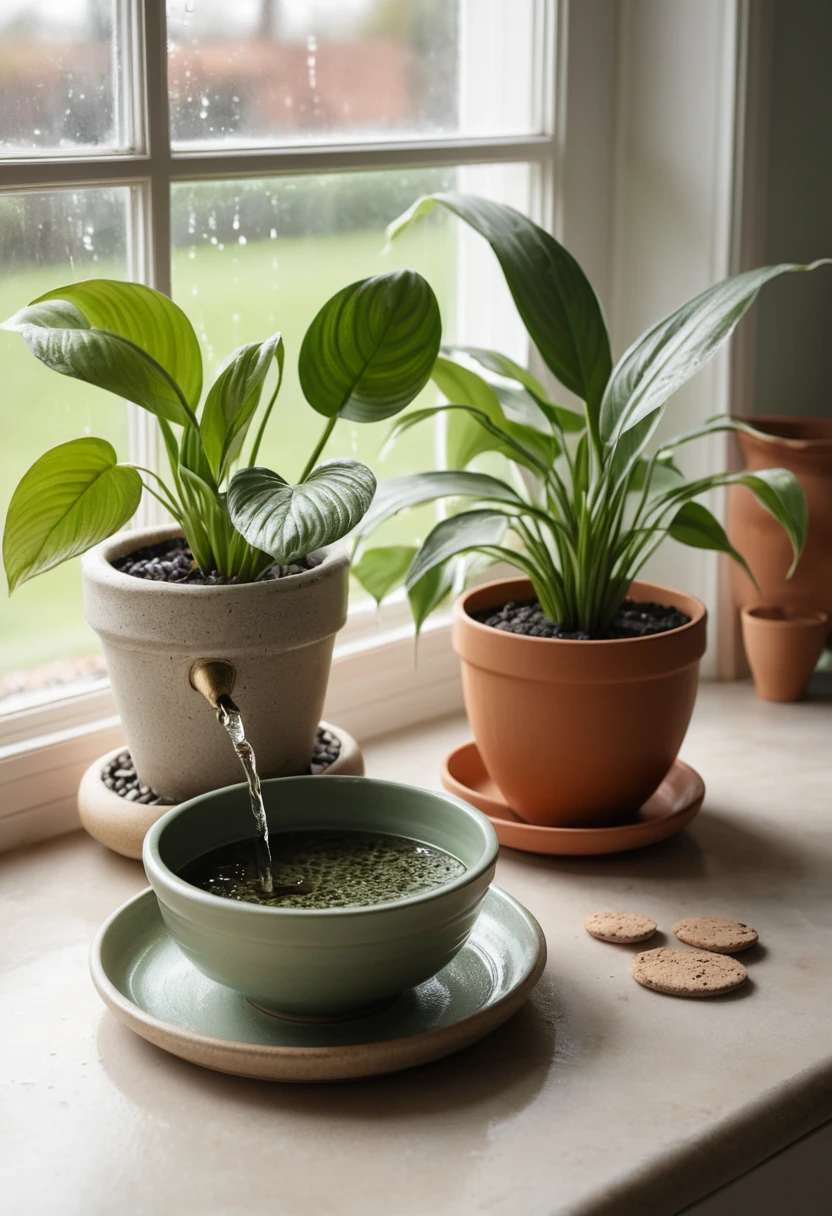
Saucers are useful for protecting furniture, shelves, windowsills, and floors from excess water. However, a saucer should collect drainage rather than become a permanent reservoir for the plant. Iowa State Extension advises against allowing houseplants to sit in trays or containers full of water.
After watering, allow the container to drain and then empty the saucer. This small habit can make a significant difference to root health.
Choose Removable Saucers
A removable saucer is easier to empty and clean than a permanently attached reservoir. Illinois Extension specifically warns about permanently attached saucers where overflow cannot be emptied easily.
If you are purchasing a pot-and-saucer combination, check how easily you can access the collected water. Convenience matters because a drainage system is only useful if you actually maintain it.
Know When a Pot Needs Replacing
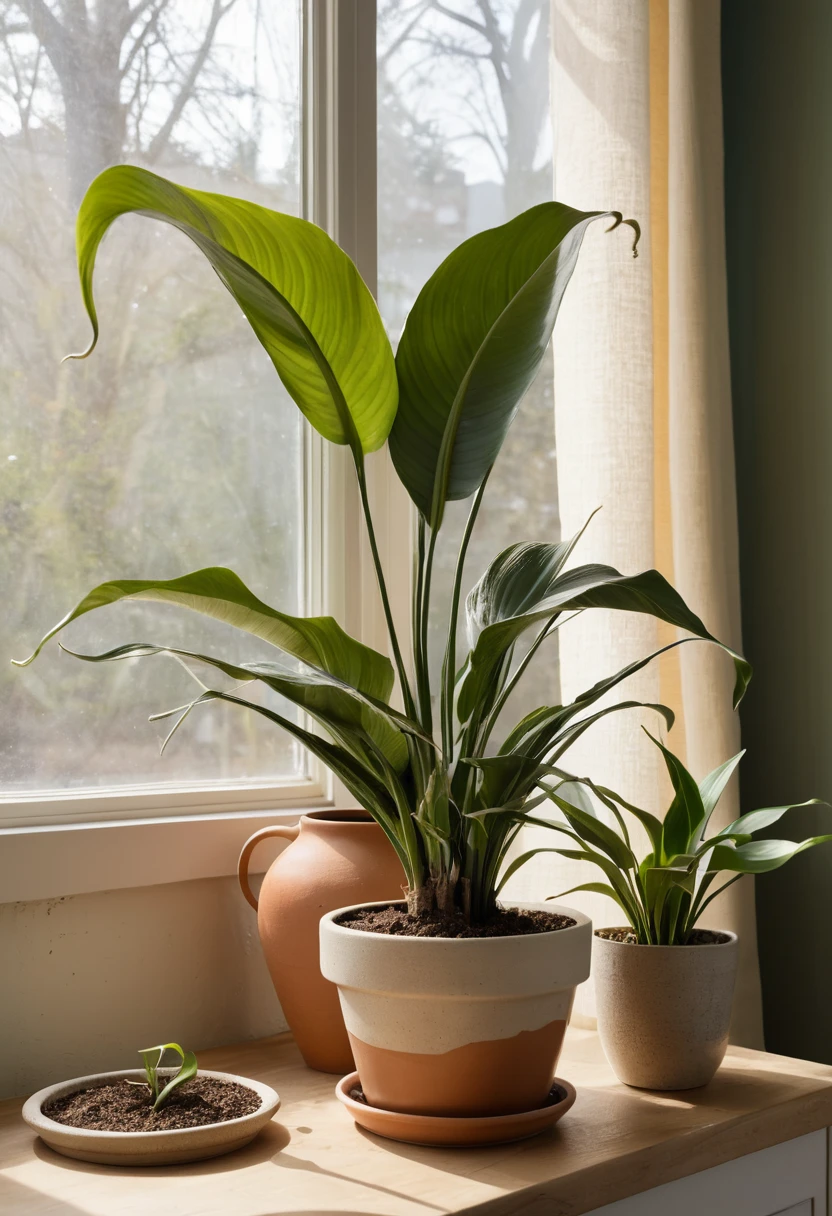
A container does not need to be replaced simply because it looks old. However, cracks, blocked holes, severe salt buildup, poor stability, or a size mismatch can justify changing it.
During 12+ Plant care, inspect pots whenever you water or repot. Look at the bottom, sides, and drainage opening. A small problem can become a major root issue if water is repeatedly trapped.
Signs Your Current Pot May Be Wrong
Watch for:
- Soil remaining wet for unusually long periods.
- Water failing to leave the drainage hole.
- Roots growing heavily through blocked openings.
- A plant becoming unstable or top-heavy.
- The container being dramatically oversized.
- Cracks or structural damage.
- A permanently attached saucer holding water.
- Salt or mineral buildup interfering with the container or soil.
These signs do not all mean the pot itself is bad, but they indicate that the current setup deserves attention.
Common Pot Drainage Mistakes to Avoid
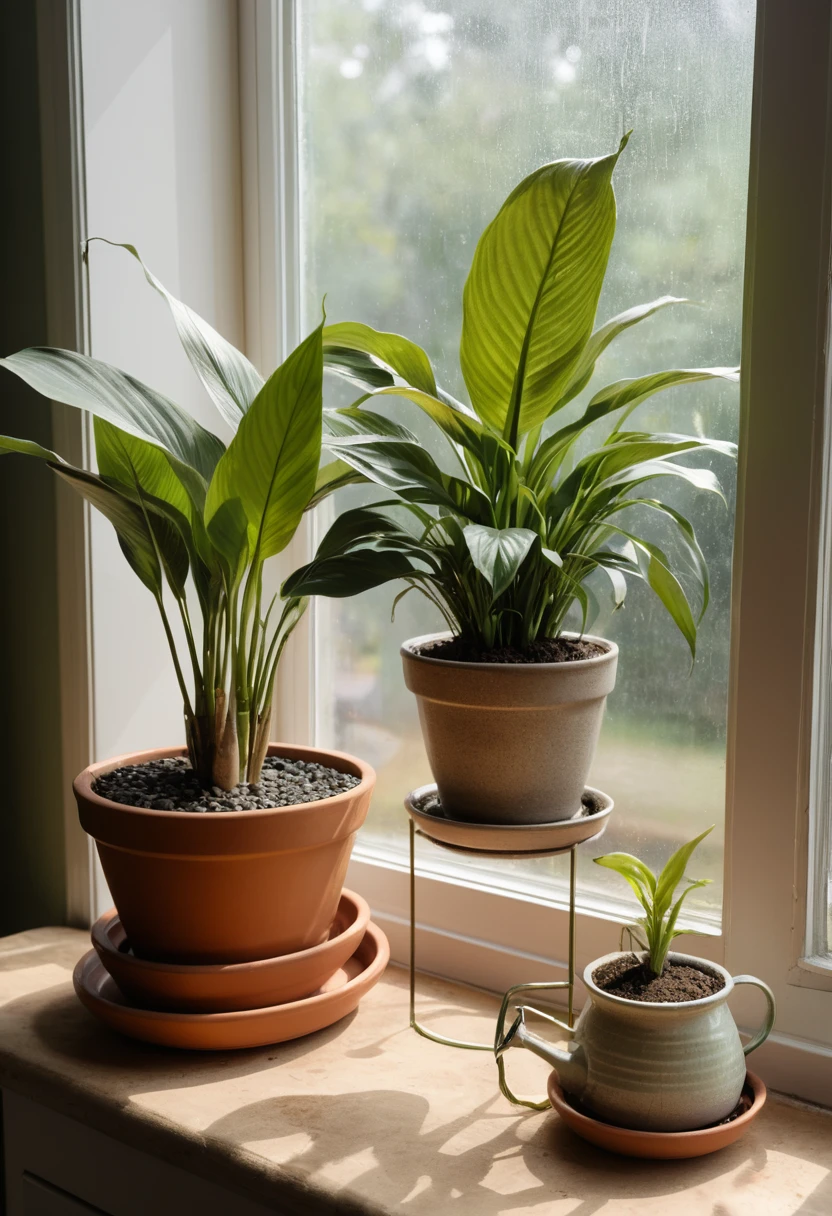
Many container problems are caused by small mistakes rather than poor-quality pots. Choosing an attractive planter without checking the base, leaving water in a saucer, or adding gravel instead of creating proper drainage can undermine otherwise good 12+ Plant care.
Before planting, inspect the entire system rather than focusing only on the pot’s appearance. Think about where water will go after the next thorough watering and how long the soil is likely to remain moist.
Avoid these common mistakes:
- Buying a pot without checking for drainage holes.
- Assuming gravel creates drainage.
- Choosing an oversized container.
- Blocking the drainage opening with compacted soil.
- Leaving plants sitting in saucer water.
- Using a sealed decorative pot as the primary growing container.
- Choosing terracotta for plants that need consistently moist soil without considering drying speed.
- Using moisture-retaining plastic for drought-tolerant plants without adjusting watering.
- Ignoring the plant’s root and moisture requirements.
- Forgetting to inspect drainage after repotting.
Create the Best Pot Setup for Long-Term Plant Health
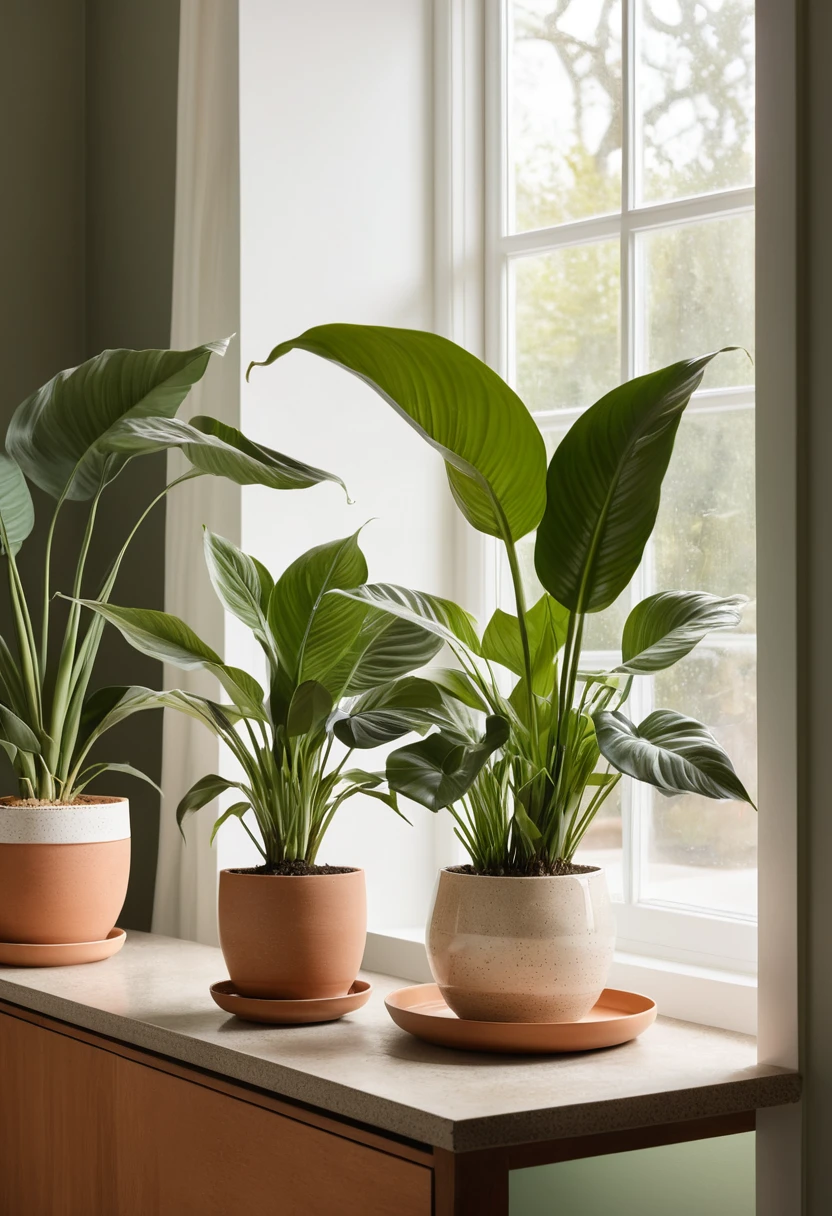
The strongest 12+ Plant care setup combines the right container with the right soil, watering routine, light, and plant-specific requirements. No single material is perfect for every situation. Terracotta can help speed drying, plastic can retain moisture and provide lightweight convenience, and glazed ceramic can offer attractive styling while retaining moisture longer.
The most important feature is functional drainage. Once that basic requirement is satisfied, you can choose the material and design that best fits the plant and your environment.
A Simple Buying Checklist
Before buying a pot, ask:
- Does it have a functioning drainage hole?
- Is the pot appropriately sized for the root system?
- Does its material match the plant’s moisture needs?
- Can excess water drain without being trapped?
- Is the container stable enough for the plant?
- Can I easily empty the saucer?
- Would a double-pot system be more practical?
- Is the pot suitable for the plant’s root structure?
- Can I inspect and maintain the drainage opening?
- Will the container work in the plant’s actual growing environment?
If you can answer these questions confidently, you are much more likely to choose a container that supports healthy roots rather than creating additional problems.
FAQs
1. What type of pot is best for plant drainage?
The best pot is one with a functioning drainage hole and a size and material suited to the plant; terracotta, plastic, and ceramic can all work when used appropriately.
2. Are terracotta pots better for drainage?
Terracotta is porous and generally allows the growing medium to dry faster than plastic or glazed ceramic, making it useful for plants that dislike prolonged wet soil.
3. Do plant pots need drainage holes?
Most houseplants should be grown in containers with drainage holes because excess water needs an exit from the root zone.
4. Does putting rocks in the bottom of a pot improve drainage?
No. Extension guidance indicates that gravel or rocks do not replace drainage holes and can create conditions that keep the soil wetter rather than improving drainage.
5. Can I use a decorative pot without drainage holes?
Yes, use it as a cachepot around a smaller inner pot that has drainage holes, and remove the inner pot when watering so excess water can drain away.
Conclusion
Choosing the right container is an important part of healthy 12+ Plant care, but there is no single pot material that works best for every houseplant. The most important feature is reliable drainage, followed by appropriate pot size and a material that matches the plant’s moisture requirements. Terracotta can encourage faster drying, plastic can retain moisture longer, and glazed ceramic can provide both style and moisture retention when proper drainage is available.
Before buying your next plant pot, look beyond its color and appearance. Check the drainage hole, consider the root system, choose a proportional size, and think about how quickly the growing medium should dry. When the container works together with suitable soil and sensible watering, your plant gets a healthier root environment and a much better foundation for long-term growth.

