
A cutting garden is a dedicated space where flowers are grown specifically to be harvested for bouquets, vases, arrangements, and seasonal displays. Unlike a traditional ornamental border, the goal is not only to admire the flowers outdoors but also to produce strong stems, attractive blooms, interesting foliage, and a steady supply for indoor decoration. Many annuals, perennials, bulbs, and even flowering shrubs can become excellent cut flowers when they are chosen and grown with harvesting in mind.
Imagine walking into your backyard on a summer morning, carrying a clean pair of garden snips, and returning a few minutes later with enough zinnias, cosmos, dahlias, sunflowers, or snapdragons to fill a vase. You don’t need a huge property to create that experience. A carefully planned bed, raised garden, or even a few containers can provide flowers throughout the season while adding color and pollinator interest outdoors.
These 12+Flower Garden & Planting ideas focus on growing flowers that look beautiful in vases while also making the garden practical and productive. You’ll discover which flowers are worth growing, how to arrange your planting space, how to create a continuous harvest, when to cut blooms, how to keep stems fresh, and how to combine colors, textures, and foliage for attractive homemade bouquets.
1. Start With a Dedicated Cutting Garden Bed
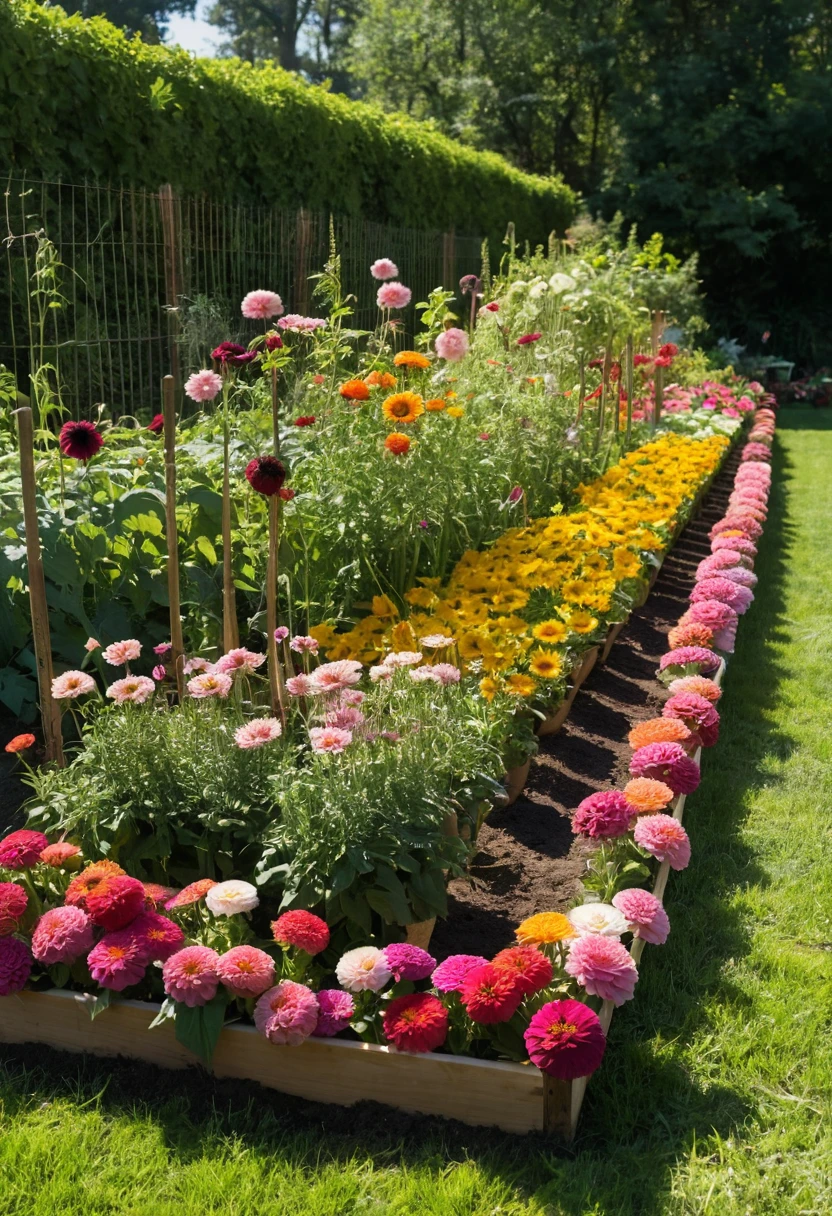
A dedicated bed is one of the easiest ways to organize 12+Flower Garden & Planting around your actual harvesting needs. Instead of spacing flowers primarily for visual perfection, arrange them in manageable rows or blocks so you can reach every plant, inspect developing buds, water efficiently, and harvest without stepping through the planting area. University of Missouri Extension notes that cut flowers can be grown in a new garden, an existing flower bed, a vegetable garden, or containers, giving gardeners plenty of flexibility.
Choose a sunny location with fertile, well-drained soil and easy access to water. Mississippi State University Extension recommends at least six hours of sunlight for flowering plants and suggests considering soil quality and irrigation access when selecting a site. A location close to your home is especially convenient because flowers can be harvested quickly when they’re at the right stage.
A productive cutting bed can include:
- Tall flowers at the back
- Medium-height flowers through the center
- Short flowers around accessible edges
- Foliage plants for greenery
- Filler flowers for bouquet volume
- Different bloom periods for a longer season
2. Grow Zinnias for Abundant Summer Bouquets
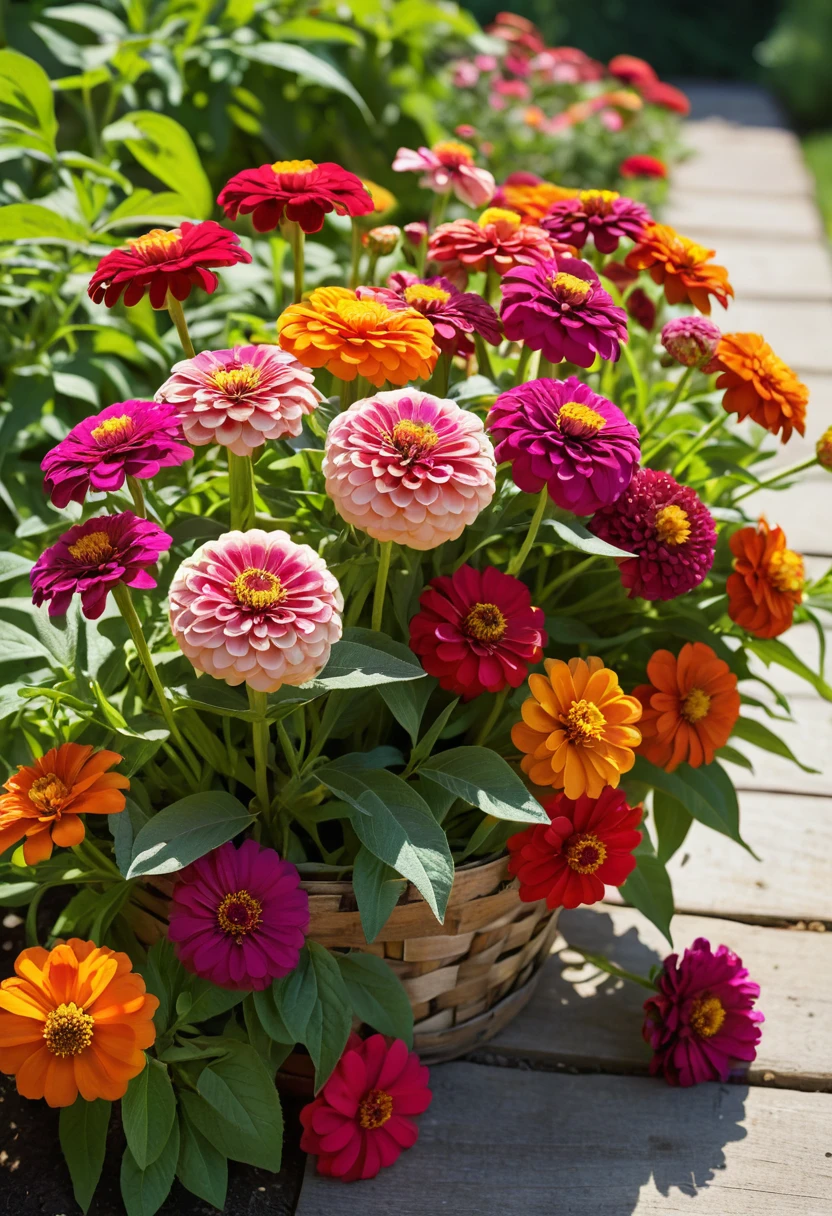
Zinnias are a fantastic choice for 12+Flower Garden & Planting because they offer bright colors, attractive shapes, and plenty of stems for repeated harvesting. University Extension resources regularly include zinnias among easy-to-grow cut flowers, while dedicated cutting-garden guides recommend them as productive flowers that can supply bouquets throughout summer.
Plant zinnias in a sunny position and harvest regularly once the stems are strong enough. Instead of waiting for every flower to reach full maturity, cut suitable stems according to the flower’s development stage. Regular harvesting keeps the bed useful and gives you more material for casual bouquets, table arrangements, and colorful jars.
For an interesting zinnia bed, combine:
- White zinnias for a clean appearance
- Pink and coral varieties for soft arrangements
- Orange and yellow for cheerful summer bouquets
- Deep red or burgundy for dramatic displays
- Mixed colors for informal cottage-style vases
3. Add Dahlias for Large Statement Blooms
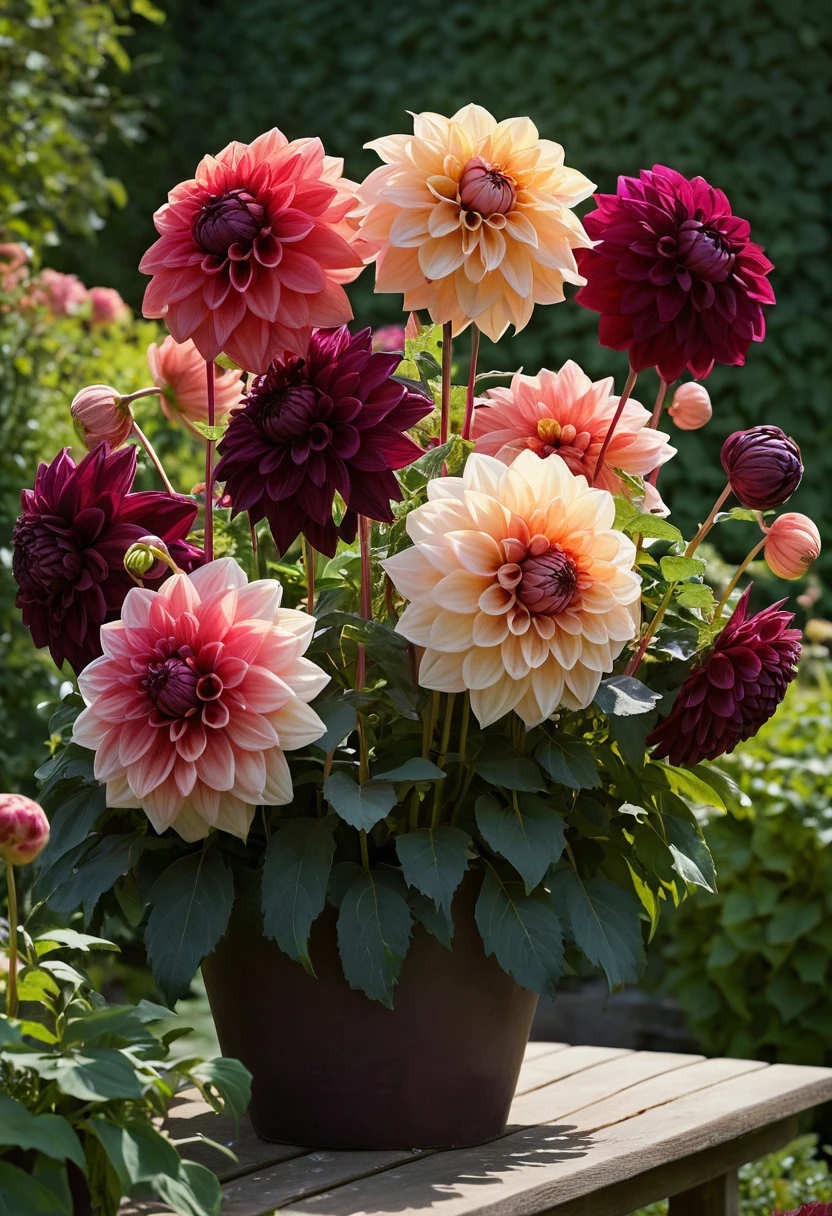
Dahlias can become the stars of 12+Flower Garden & Planting because their flowers range from delicate, smaller forms to enormous decorative blooms. Their variety of colors and flower shapes makes them particularly valuable when you want one flower that can serve as the focal point of a bouquet. Gardeningetc also highlights dahlias as an important cutting-garden flower, with many varieties continuing to bloom into late summer and autumn.
Choose varieties according to the type of arrangements you enjoy making. Smaller blooms can be easier to combine with delicate flowers, while larger decorative dahlias can create a dramatic centerpiece. If you live somewhere with hard frosts, check local growing guidance because dahlia tubers may require special handling or lifting depending on climate.
For better dahlia arrangements:
- Grow several plants of the same variety for repeated stems.
- Support taller plants when necessary.
- Harvest regularly to encourage continued flowering.
- Combine large blooms with airy fillers.
- Use foliage to prevent arrangements from looking overly dense.
4. Plant Cosmos for Light and Airy Arrangements
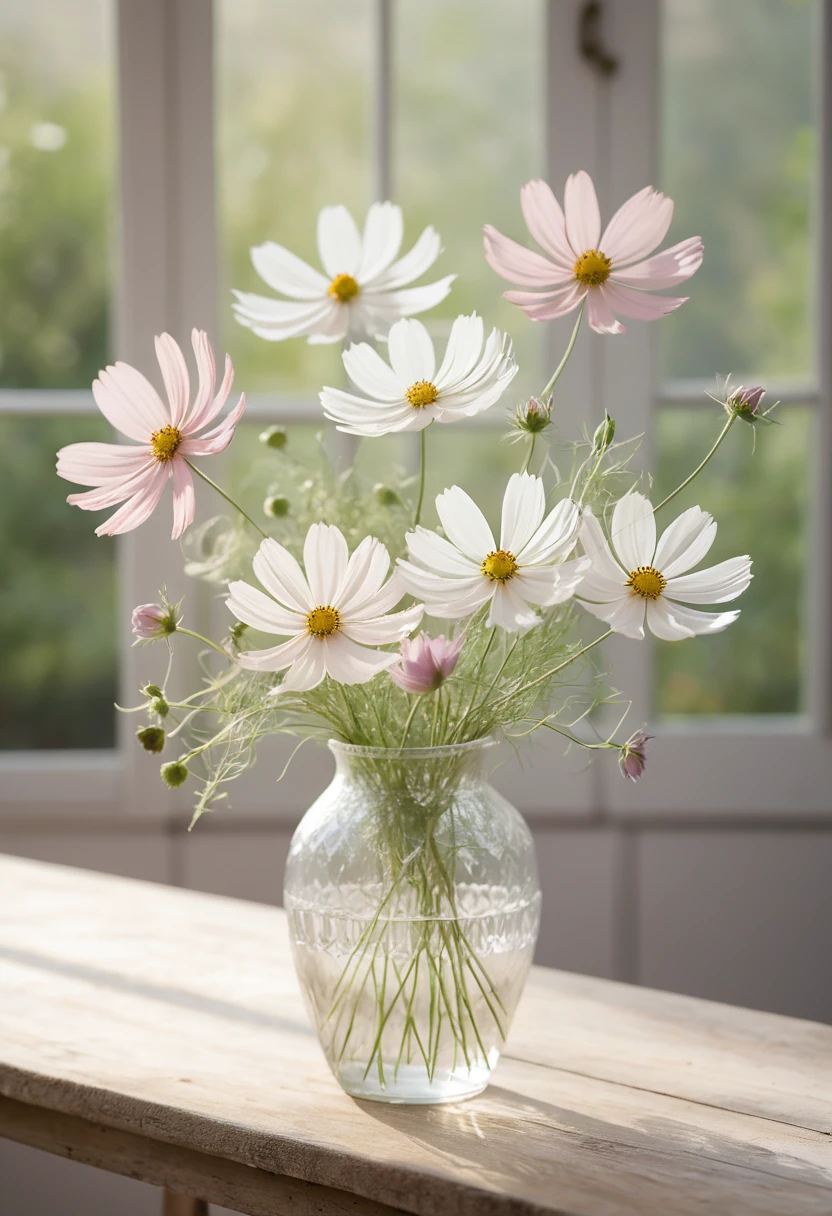
Cosmos bring movement and softness to 12+Flower Garden & Planting designs. Their delicate stems and open flowers contrast beautifully with heavier blooms such as dahlias and sunflowers. Homes & Gardens identifies cosmos as a favorite cutting-garden flower and notes that regular picking encourages more flowers.
White cosmos can create elegant minimalist bouquets, while pink and burgundy forms work beautifully with colorful summer flowers. Because their appearance is naturally light and informal, cosmos are especially useful when you want arrangements that feel relaxed rather than highly structured.
Place cosmos behind shorter plants or in a separate block where their stems have room to move. Their height can also help create a softer transition between the cutting garden and the surrounding landscape.
Read also: 14+ Flower Garden & Planting Ideas: Sunflower Garden Ideas and How to Grow Them
5. Use Sunflowers as Dramatic Vase Focal Points
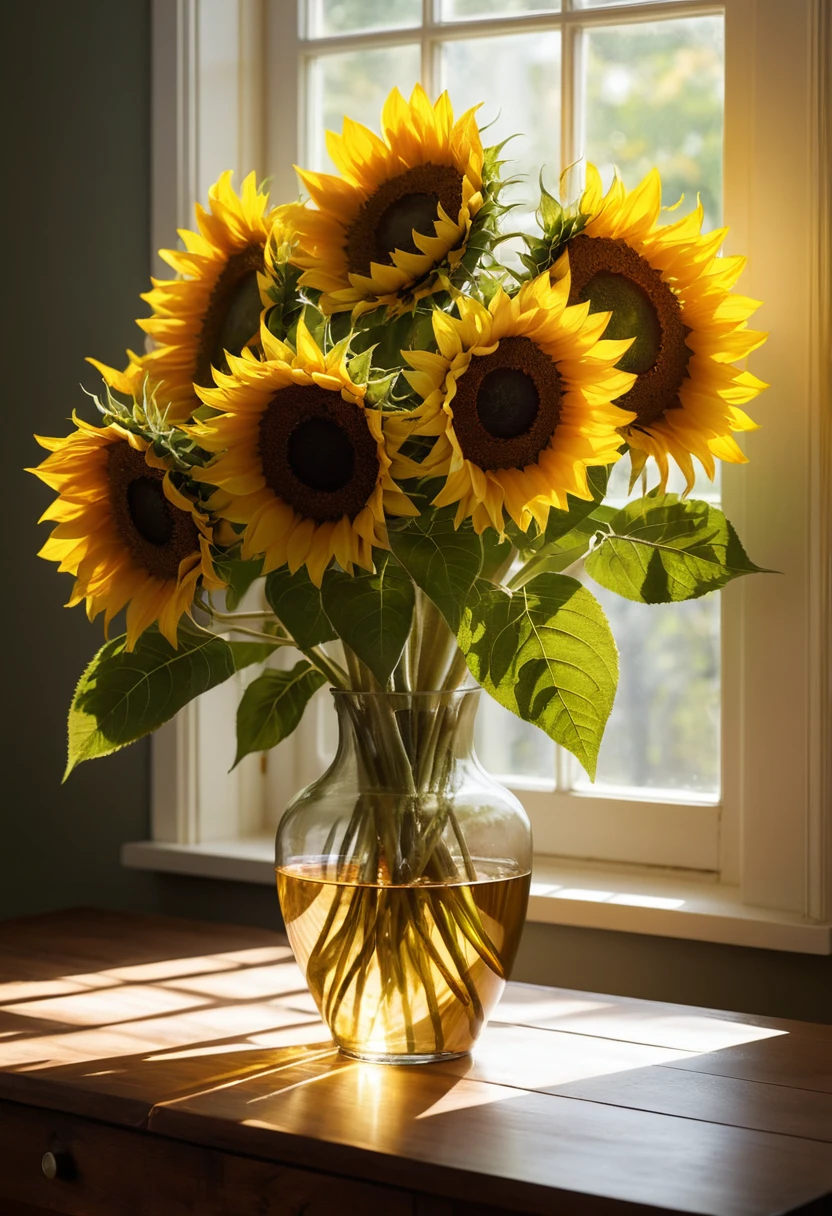
Sunflowers instantly add personality to 12+Flower Garden & Planting plans. Their tall stems and large flower heads make them excellent focal flowers for simple arrangements, especially when you want a bouquet to feel sunny and generous.
Mississippi State University Extension includes sunflowers among suitable cut flowers and recommends choosing flowers with different shapes and sizes so arrangements have visual variety.
Instead of planting one enormous row, consider growing several groups with slightly different flowering times. This can help prevent the entire sunflower crop from reaching its peak at once. Shorter branching varieties may also be useful where you want multiple stems rather than one very tall flower.
6. Grow Snapdragons for Tall, Elegant Stems
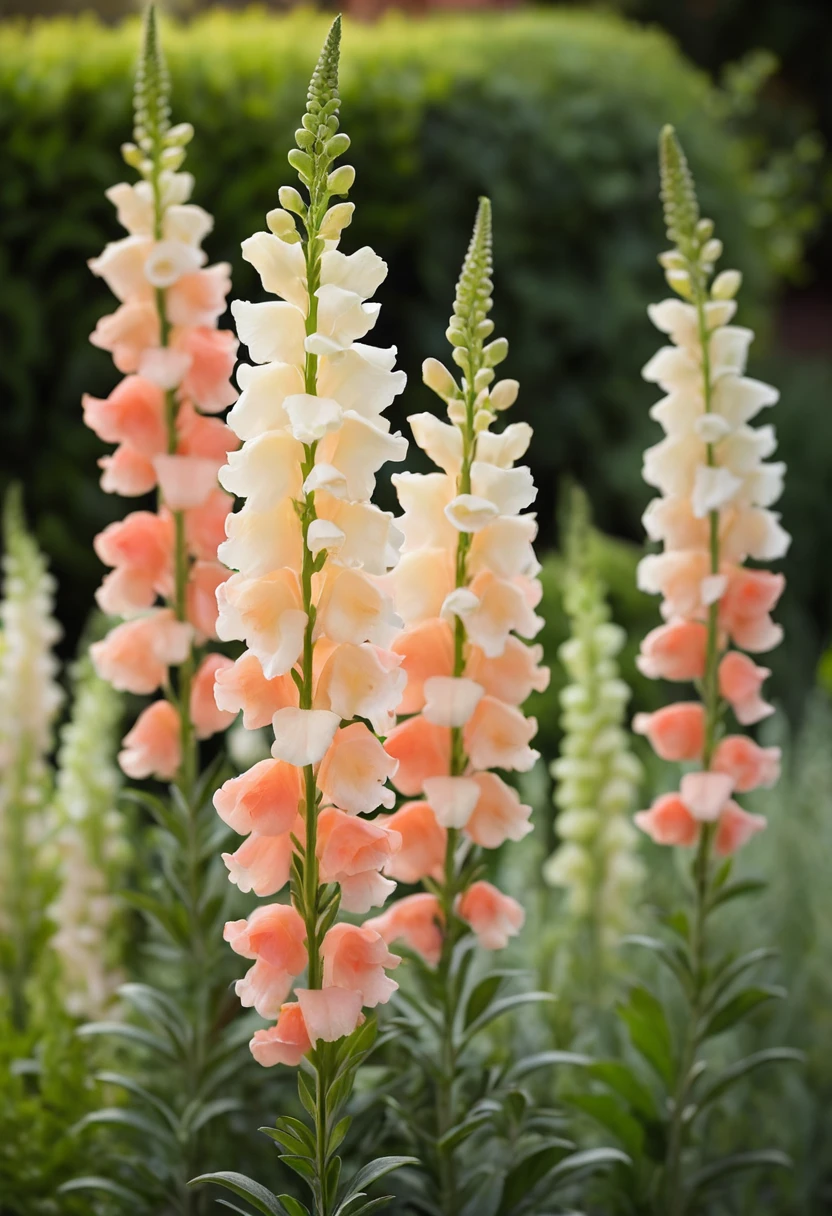
Snapdragons are especially useful in 12+Flower Garden & Planting because their vertical flower spikes create height in both the garden and the vase. Their form contrasts with round flowers such as zinnias and dahlias, making bouquets look more sophisticated without requiring many different plant types.
Grow them in a sunny, well-prepared location and provide support if your chosen variety needs it. Their upright shape makes them ideal for the middle or back of a cutting bed, where their stems can rise above shorter flowers.
A simple bouquet might combine:
- Snapdragons as vertical flowers
- Zinnias as colorful focal blooms
- Cosmos as airy fillers
- Green foliage for structure
7. Include Sweet Peas for Fragrance
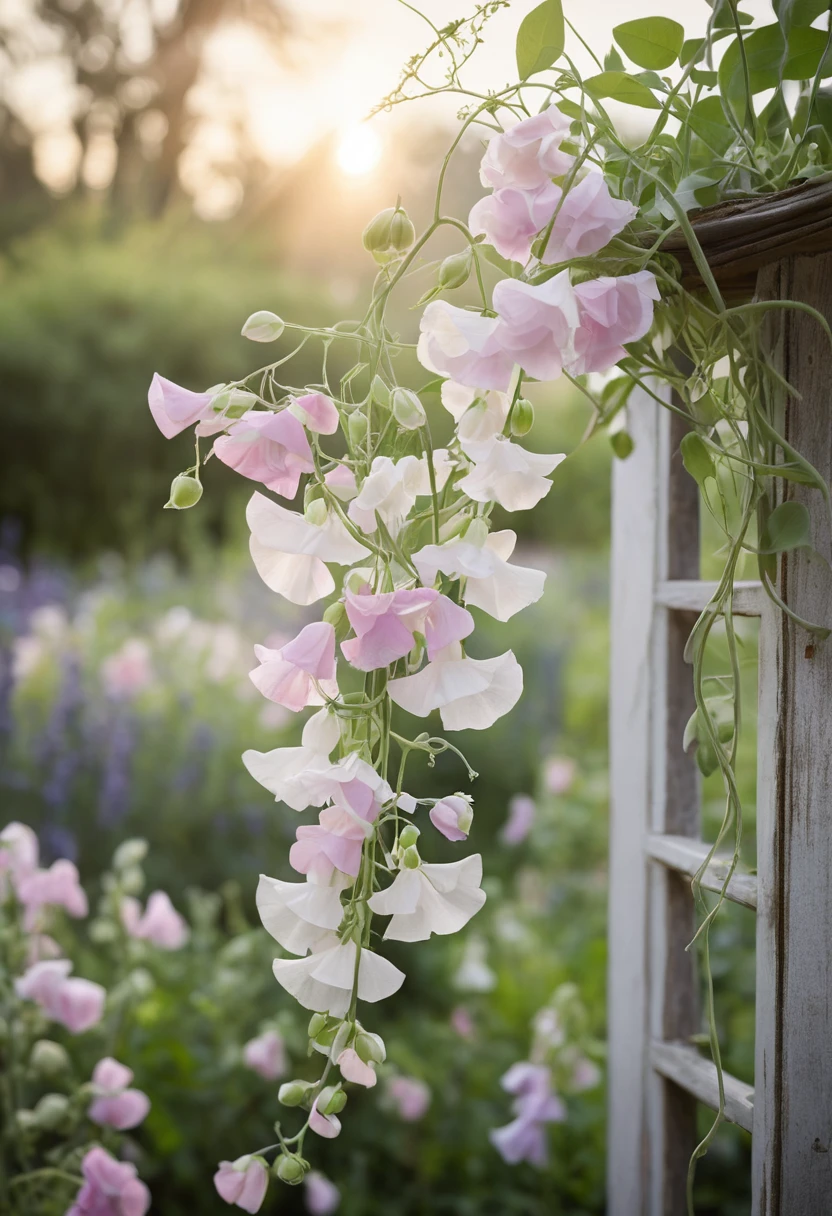
Sweet peas bring something special to 12+Flower Garden & Planting because they combine delicate flowers with a beautiful fragrance. They are particularly useful near seating areas, entrances, or places where you can easily enjoy their scent before bringing the stems indoors.
They also introduce a climbing habit, allowing gardeners to use vertical space. Provide suitable support and harvest flowers regularly. Sweet peas are among the cutting flowers frequently recommended for homegrown bouquets, and their fragrant blooms can make even a small arrangement feel special.
Because sweet peas are relatively delicate compared with robust flowers such as sunflowers, place them where they won’t be constantly disturbed by foot traffic. Their stems can add an elegant, romantic character to informal arrangements.
8. Create a Color-Themed Cutting Garden
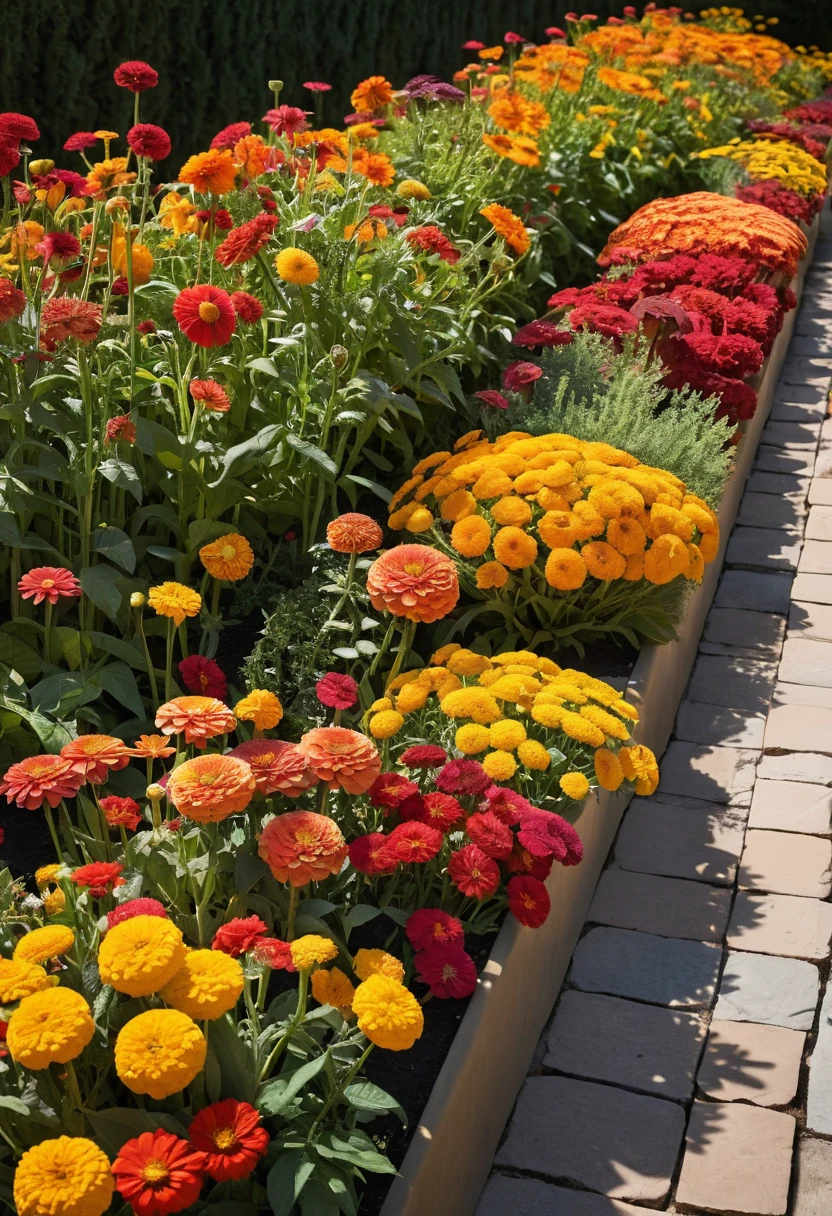
Color planning can make 12+Flower Garden & Planting more cohesive and make bouquet arranging much easier. Instead of buying every flower color available, choose a palette that reflects the atmosphere you want indoors. A soft garden might use blush pink, white, lavender, and pale blue, while a vibrant cutting bed could combine orange, yellow, magenta, red, and purple.
Homes & Gardens recommends thinking about complementary colors when choosing cutting flowers, while Gardeningetc notes that gardeners can either mix colors for a kaleidoscopic effect or use a limited palette for a simpler appearance.
Try these combinations:
- Soft romantic: blush, white, lavender, and pale pink
- Warm summer: yellow, orange, coral, and red
- Cool garden: blue, purple, white, and silver foliage
- Cottage style: mixed pinks, whites, blues, and greens
- Modern: white, green, burgundy, and one bright accent
9. Add Filler Flowers and Foliage
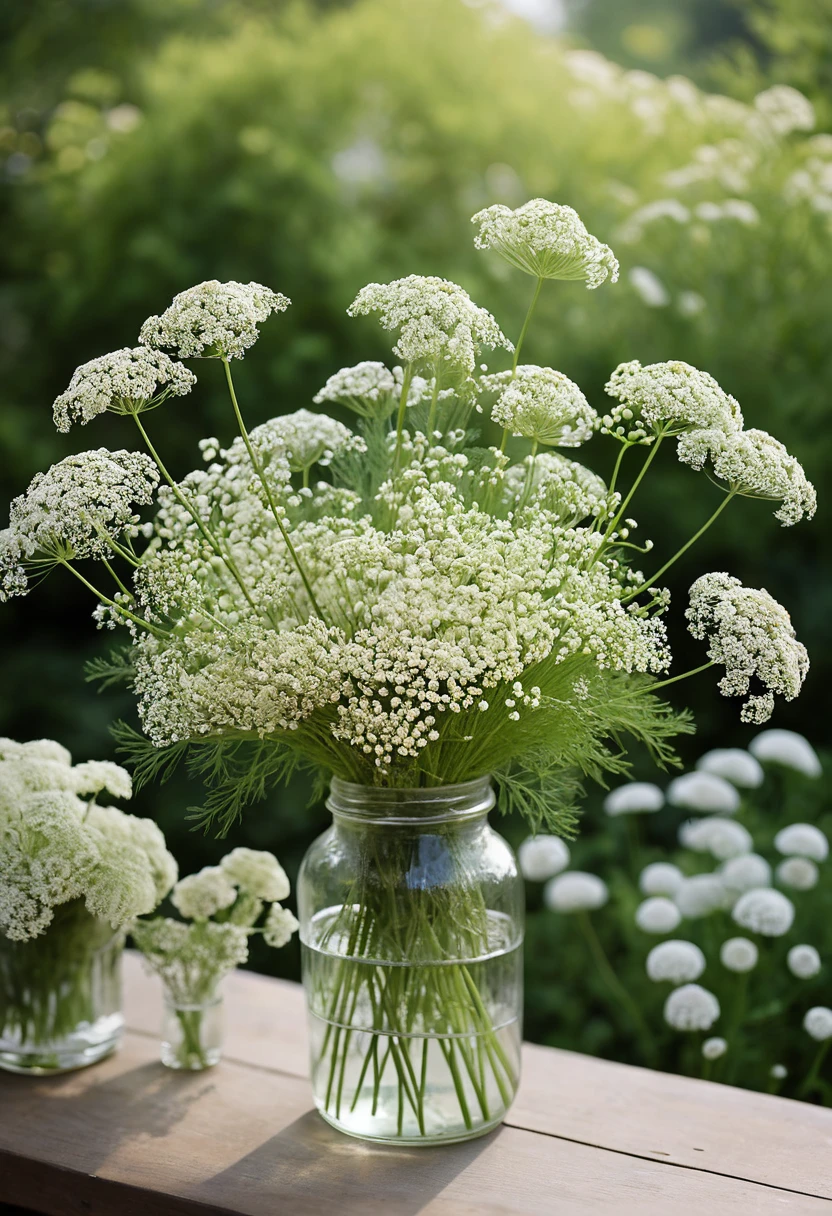
A successful bouquet needs more than large focal flowers. In 12+Flower Garden & Planting, fillers and foliage help connect individual blooms, occupy empty spaces, and give arrangements a natural shape. University of Missouri Extension specifically recommends considering flowers and foliage from trees and shrubs as filler and greenery for arrangements.
Useful filler choices can include airy flowers, small clusters, herbs, grasses, and attractive foliage. When planning your bed, reserve space for these supporting plants instead of filling every available area with large blooms.
Think of your cutting garden in three layers:
- Focal flowers: dahlias, sunflowers, large zinnias
- Secondary flowers: cosmos, snapdragons, smaller blooms
- Filler and foliage: airy flowers, herbs, grasses, and greenery
This simple formula makes arranging flowers much easier.
10. Plan for Flowers Across Multiple Seasons
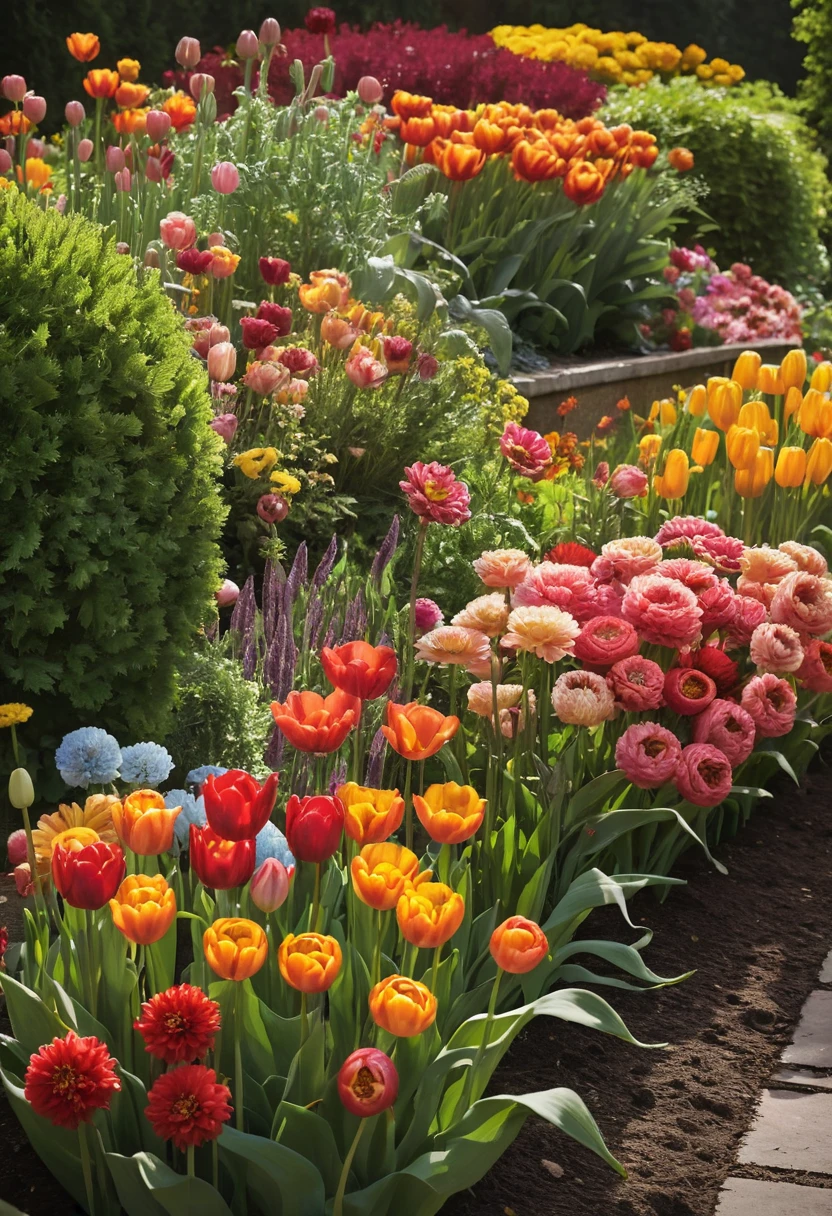
One of the smartest 12+Flower Garden & Planting strategies is to avoid depending on one short flowering period. A garden filled with flowers that bloom simultaneously can produce an impressive display for a few weeks and then leave you with little to harvest.
Instead, combine spring, summer, and autumn performers. RHS guidance explains that many types of garden plants can provide cut flowers and foliage throughout the year, while dedicated cut-flower resources recommend mixing plants with different bloom periods.
A seasonal approach could look like:
- Spring: tulips, daffodils, sweet peas, and early flowering plants
- Early summer: snapdragons, cosmos, and other cool-season flowers
- Mid-summer: zinnias, sunflowers, dahlias, and celosia
- Late summer/autumn: dahlias, asters, sunflowers, and late-season flowers
11. Try a Raised-Bed Cutting Garden
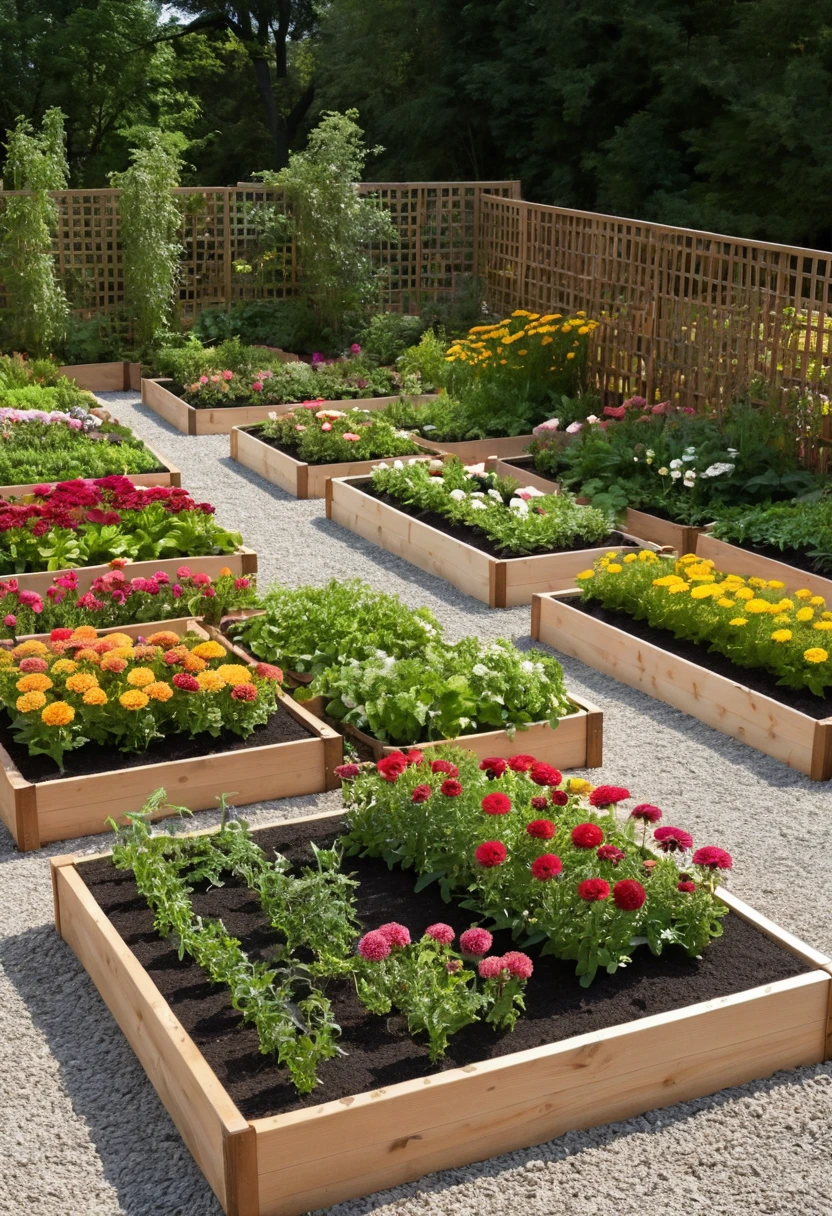
Raised beds are excellent for 12+Flower Garden & Planting when you want clear organization and easier soil management. They can make harvesting more comfortable and give you control over the growing medium, especially where native soil is compacted or poorly drained.
Keep the bed narrow enough that you can reach the middle without walking on the soil. Plant flowers in blocks or rows and leave enough space between groups for watering, maintenance, and harvesting. A productive cutting garden does not need to look like a traditional ornamental border.
You can divide one raised bed into sections:
- One section for zinnias
- One for cosmos
- One for dahlias
- One for fillers
- One for foliage
- One for experimental varieties
This approach also makes it easier to compare varieties and identify which flowers perform best in your particular garden.
12. Use Containers for a Small-Space Cutting Garden
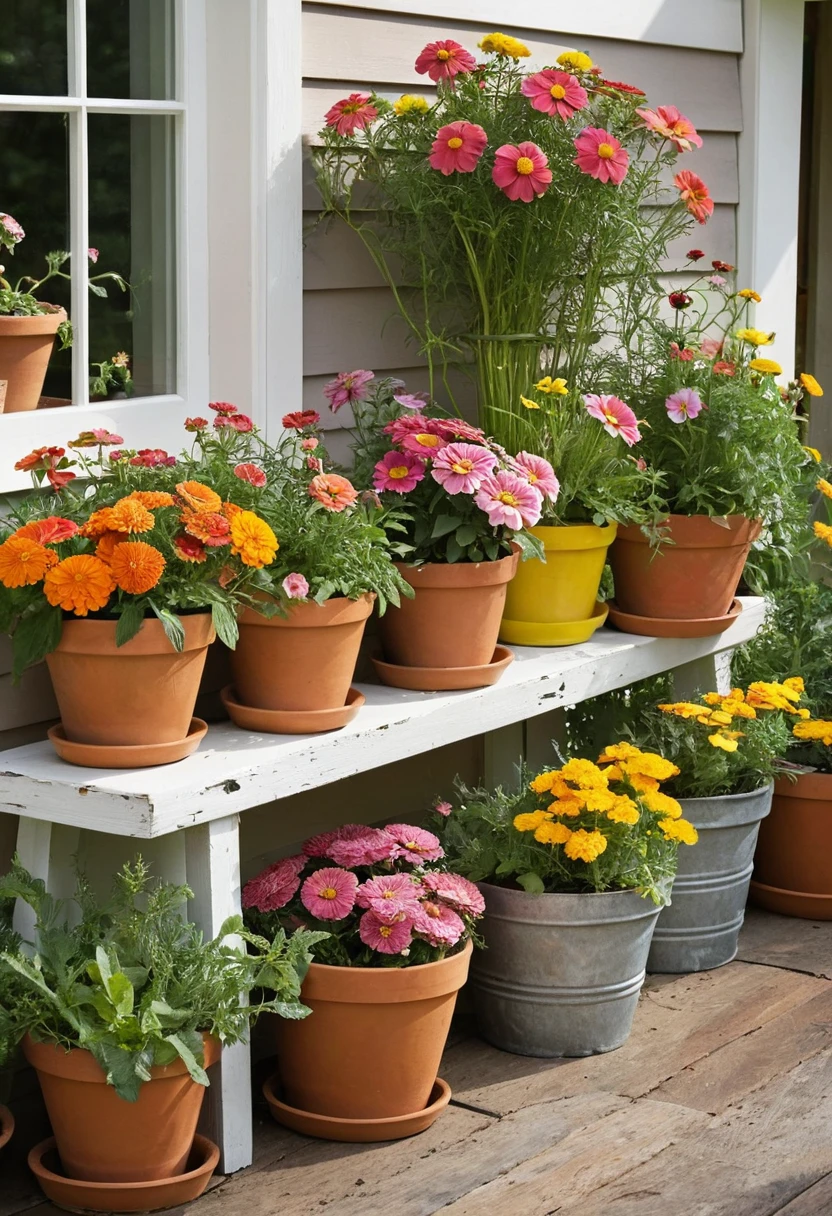
Containers make 12+Flower Garden & Planting accessible to people with patios, balconies, courtyards, and small backyards. You don’t need a large dedicated bed to grow flowers for vases; several carefully selected containers can produce a useful harvest.
Choose containers with adequate drainage and enough space for the selected plants. Tall flowers may require heavier containers or support to prevent them from becoming unstable. Group containers near a convenient water source so maintenance remains simple.
A small container collection might include:
- One pot of zinnias
- One pot of cosmos
- One pot of compact dahlias
- One pot of herbs or foliage
- One pot of a favorite filler flower
FAQs
What are the best flowers for a cutting garden?
Popular choices include zinnias, dahlias, cosmos, sunflowers, snapdragons, sweet peas, celosia, coneflowers, and many other annuals and perennials.
How do I keep cut flowers fresh in a vase?
Use a clean vase, fresh water, cleanly cut stems, and remove all foliage below the waterline; changing the water regularly can also help.
What time of day is best for cutting flowers?
Early morning or another cool part of the day is generally preferred because plants are less heat-stressed and stems can be hydrated promptly after harvesting.
How much space do I need for a cutting garden?
You can grow cut flowers in a dedicated bed, raised bed, existing border, vegetable garden, or containers, so the required space can be adapted to your available area.
Should I cut flowers while they are fully open?
Not usually. Many flowers are best harvested before or around the beginning of full opening, depending on the species; Missouri Extension recommends selecting blooms that are roughly half to three-quarters open.
Conclusion
A successful 12+Flower Garden & Planting project is less about creating a perfectly decorative flower border and more about growing the right combination of productive flowers for the bouquets you want to make. Zinnias, dahlias, cosmos, sunflowers, snapdragons, sweet peas, fillers, and foliage can work together to create arrangements with height, color, fragrance, texture, and personality.
Start with a manageable bed or a few containers, choose flowers with different bloom periods, and learn how each variety responds to harvesting. As your experience grows, you can add succession planting, new color schemes, specialty flowers, and seasonal varieties. With thoughtful planning and regular cutting, your backyard can become a dependable source of fresh flowers for vases throughout the growing season.

