
Healthy soil is the starting point for a productive garden. It anchors roots, stores water, supplies nutrients, and supports the organisms that help plants grow. But soil that looks dark and crumbly is not automatically safe for growing food. The history of a property, nearby buildings, roads, industrial activity, and the materials added to a garden can all affect what is in the ground.
Good safe garden soil practices are practical rather than complicated. A suitable soil test, clean compost, covered ground, sensible raised beds, and a few simple hygiene habits can reduce avoidable risks. Testing is especially useful before planting vegetables in an older yard, a former industrial area, or a place where the soil’s history is unknown.
This guide explains how to check garden soil, understand test results, choose safer growing areas, and handle homegrown produce. Recommendations for contaminants can vary by country and by the substance involved, so use local laboratory, extension, and public-health advice when a test identifies a concern. If you suspect a recent chemical spill or release, keep people away and contact local environmental authorities before disturbing the soil.
Table of Contents
Why Soil Safety Matters
Soil health and soil safety are related, but they are not the same thing. A routine garden soil test can tell you about pH, nutrients, and organic matter. A separate laboratory analysis may be needed to check for metals such as lead or arsenic, or for other chemicals linked to a property’s past use. A basic home pH kit cannot rule out contamination.
One important concern in some residential gardens is lead in soil. It may be present near older painted buildings, busy roads, or sites affected by past industrial activity. Exposure can happen when dusty soil is swallowed or breathed in, when dirty hands touch the mouth, or when soil particles are carried indoors on shoes, tools, clothing, and pets. Children are particularly vulnerable because they often play close to the ground.
The goal is not to make gardeners afraid of their yards. It is to find out what is there and choose sensible precautions. The U.S. Environmental Protection Agency’s healthy gardening guidance explains how soil testing, clean raised beds, ground cover, handwashing, and produce cleaning can help reduce exposure where lead may be present.
Common Sources of Garden Soil Contamination
Contamination can come from several sources, and the risk depends on the site. Peeling paint from an older house or garage may leave lead-containing dust and chips near the foundation. Soil beside heavily travelled roads can contain residues from past traffic. Former workshops, factories, orchards, fuel storage areas, demolition sites, and land filled with unknown material may need more detailed investigation before food is grown there.
Garden inputs matter too. Unknown fill, ash, treated timber, unverified compost, fresh manure, or mulch made from contaminated material can introduce unwanted substances. Floodwater or a nearby chemical release may also change what is safe to grow. Do not assume that every dark patch, unusual smell, or plant problem proves contamination; those signs are not reliable tests. Equally, soil can contain harmful substances without looking or smelling unusual.
If you know or suspect that a chemical spill, industrial leak, or fuel release has affected a property, do not dig, till, or collect samples without advice. Different chemicals require different sampling methods and laboratory tests. Keep children and pets away, avoid creating dust, and contact the local environmental or public-health agency for instructions. A standard nutrient test is not designed to identify every chemical hazard.
How to Test Garden Soil Before Planting
Start by contacting a university extension service, agricultural department, local authority, or qualified environmental laboratory. Ask which test is suitable for your garden and explain what you plan to grow. The EPA explains that many state university agricultural departments and extension offices offer soil testing for lead and describes how to locate a qualified laboratory. For an ordinary vegetable bed, a routine analysis may include pH, phosphorus, potassium, and organic matter. If the site is old, urban, near a busy road, or has a history of industrial or chemical use, ask whether a separate contaminant test is recommended.
Be specific about the suspected substance. A lead test does not automatically test for arsenic, petroleum compounds, pesticides, or other chemicals. If the property has a known spill history, ask the environmental authority or laboratory to identify the correct sampling and analysis plan. The EPA’s Lead in Soil resource explains common exposure routes and ways to reduce contact with contaminated soil. For lead testing, ask whether the laboratory uses an appropriate method and whether it is accredited under the EPA’s National Lead Laboratory Accreditation Program.
Home test kits can be useful for a quick indication of pH or some basic nutrients, depending on the product. They should not be treated as a substitute for laboratory analysis when you need to make a health-related decision about metals or chemical contamination. Choose a laboratory that clearly states its methods, reporting units, and detection limits, and keep a copy of the results for future garden planning.
How to Collect a Reliable Soil Sample
A good result begins with a representative sample. First, divide the yard into areas that are used differently or have different histories. A vegetable bed, lawn, children’s play area, and strip beside an old painted wall should not automatically be combined into one sample. If you suspect a specific hot spot, keep it separate so the result is not diluted by cleaner soil from elsewhere.
For a routine garden test, follow the laboratory’s instructions for sampling depth and the number of subsamples. In many cases, gardeners collect several small portions from the same uniform bed, mix them in a clean plastic bucket, and send the requested amount to the lab. Use clean tools, remove surface leaves and mulch unless the lab says otherwise, and avoid sampling immediately after applying fertilizer, lime, compost, or other amendments.
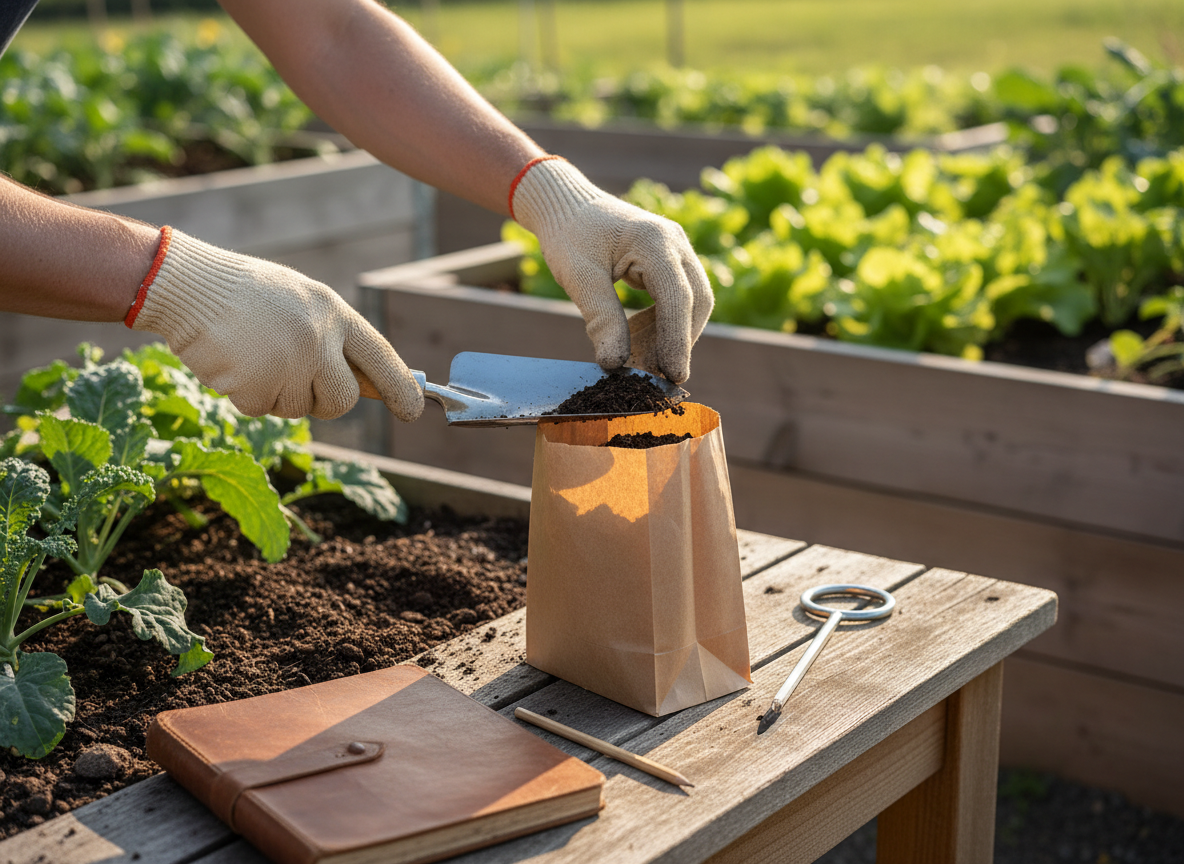
Label each sample clearly with its location and intended use. If the lab provides separate containers, use them rather than reusing household food packaging. Do not combine soil from a suspected spill area with ordinary garden soil. When contamination is possible, ask the laboratory or local authority how to collect, package, and transport the sample safely instead of relying on a routine gardening method.
Understand Soil pH and Nutrient Results
Soil pH describes how acidic or alkaline the soil is. Many common vegetables grow well in a slightly acidic to near-neutral range, often around pH 6.0 to 7.0, but the best target depends on the crop and local soil conditions. Blueberries and some other acid-loving plants need a different range. Use the laboratory’s crop-specific recommendation rather than trying to make every bed match one number.
Do not add lime, sulfur, phosphorus, or a high-nitrogen fertilizer simply because a garden recipe recommends it. Too much of an amendment can create new problems, waste money, and make nutrients less available. Follow the test report for the amount and timing of any correction. Organic matter from suitable compost can improve soil structure and moisture management, but it does not make contaminated soil automatically safe.
pH and organic matter can influence how some metals behave in soil, but changing them is not a replacement for testing or professional advice. The University of Maryland Extension guide to lead in garden soils explains why site history, total lead results, soil conditions, and the way crops are grown all matter when deciding how to use a garden. Its recommendations are specific to the evidence and guidance discussed on that page, so gardeners should follow their own laboratory report and local advice.
Use Raised Beds and Containers When Needed
Raised beds and containers can be practical options when native soil is unsuitable, has not yet been tested, or has a known contamination concern. Place the growing area where it is away from likely sources such as old painted walls, busy roads, or areas where chemicals were stored. Fill it with clean, traceable soil and finished compost from a reputable supplier. Ask for product information rather than accepting unknown fill or soil from a demolition or construction site.
Where local guidance recommends a barrier, install a suitable geotextile or landscape fabric between the existing ground and the clean growing mix, and keep the separation visible during maintenance. A barrier helps distinguish the imported soil from the ground below, but it should not be treated as a cure for every contaminant or as a substitute for the recommended bed depth. For elevated lead or a known chemical hazard, follow the exact advice from the laboratory and public-health authority about depth, crops, and whether the area should be used at all.
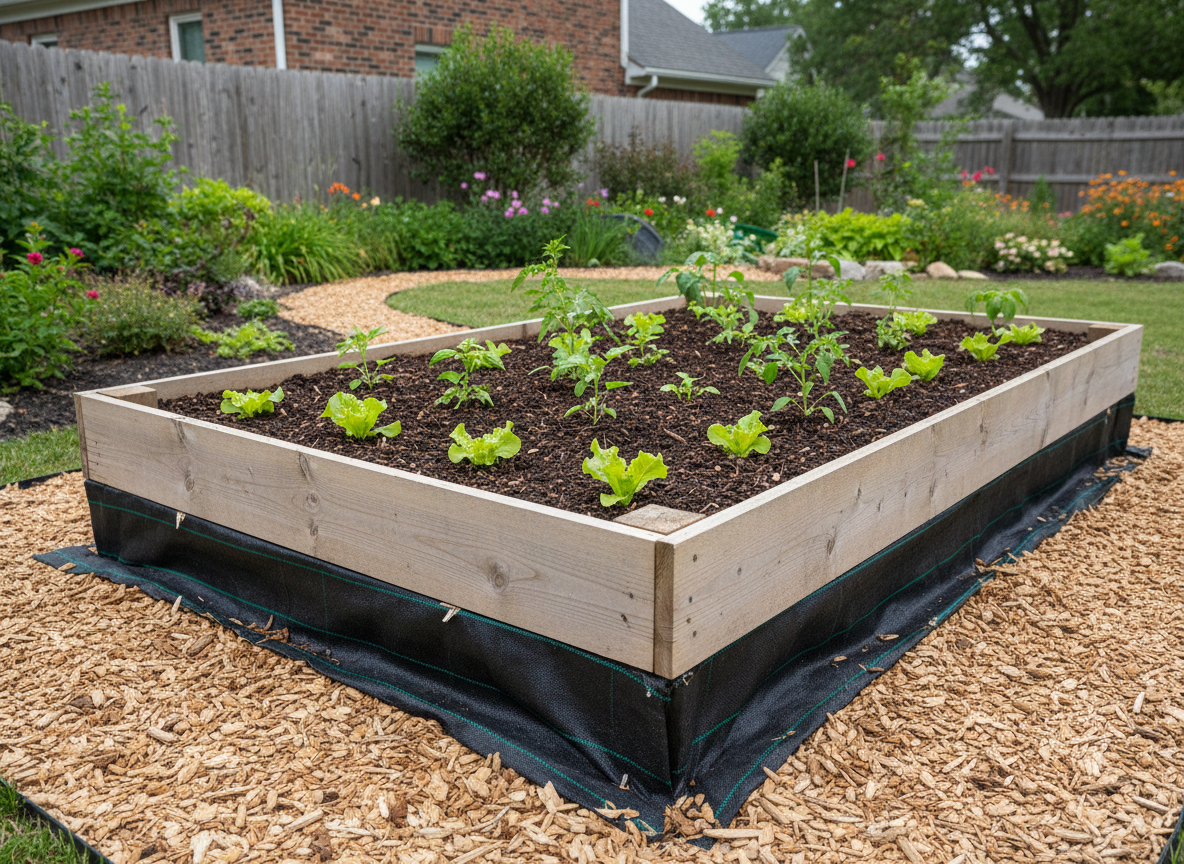
Use containers with drainage holes and a growing mix intended for pots. Keep them on a stable surface and prevent runoff from contaminated ground from splashing into the containers. If you want help planning a build, our guide to DIY raised garden bed ideas covers practical layouts and materials. The key safety step is to verify the growing medium, not simply to make the bed taller.
Choose Safe Compost, Mulch, and Amendments
Finished compost can add organic matter and improve the way soil holds water and nutrients. Choose compost from a supplier that can explain the feedstocks and processing method. Avoid material with an unknown origin, visible rubbish, strong chemical odors, or a history that makes it unsuitable for food gardens. Fresh manure is not finished compost, and simply aging a manure pile does not prove that pathogens have been destroyed. The University of New Hampshire Extension guidance on manure and manure-based compost explains the difference and the food-safety precautions.
Mulch is useful because it covers bare soil, reduces splashing, and helps limit dust. Clean leaf mulch, untreated wood chips, or another suitable garden mulch can work, depending on the crop and local recommendations. Do not use painted or chemically treated wood, unknown industrial waste, or material that may contain herbicide residues. Ask suppliers whether grass, hay, or manure feedstocks were treated with persistent herbicides; some residues can remain active through composting and injure sensitive vegetables. Our guide on composting leaves at home explains how to turn suitable fallen leaves into a useful garden resource.
Amendments should solve a problem identified by a soil test, not be added in large amounts just because they are labelled natural or organic. Too much manure, compost, lime, or fertilizer can upset nutrient balance and affect plant growth. Keep records of what you add, when you add it, and which bed receives it. This makes future soil tests easier to interpret.
Reduce Dust and Stop Soil Tracking Indoors
Covering bare ground is one of the simplest ways to reduce dust and direct contact with soil. Maintain healthy turf, groundcover, or a suitable mulch over unused areas. Water dusty soil gently when needed, but avoid creating runoff or muddy conditions that can spread soil to paths and patios. Keep garden paths clean and store dirty tools outside living areas.
Wear gloves while gardening and wash your hands with soap and water when you finish, especially before eating or preparing food. Remove shoes at the door, use doormats, and wash work clothes separately if they are heavily soiled. Wipe pets’ paws when they come inside from muddy or dusty areas. If soil is known to be contaminated, keep children away from exposed ground and follow the site-specific advice you receive.
For homes where lead may be present, wet cleaning is preferable to dry sweeping or blowing dust around. Wash outdoor toys and garden tools regularly, and keep children’s play spaces on clean, covered surfaces. The CDC’s guidance on lead in soil also recommends removing shoes indoors, covering exposed soil, and preventing children from playing in bare contaminated ground.
Harvest and Wash Garden Produce Safely
Harvest with clean hands and a clean basket. Brush or rinse visible soil from vegetables outdoors when practical so dirt is not carried through the kitchen. Wash produce under clean running water before cutting or eating it. Scrub firm root crops with a clean vegetable brush, peel them when appropriate, and remove the outer leaves of leafy vegetables.
Soil particles can cling to the surface of produce, especially leafy greens and root crops. Some crops may also take up certain contaminants from the ground, and the amount depends on the substance, soil conditions, and plant type. Fruiting crops such as tomatoes and peppers may behave differently from carrots or leafy greens, but crop choice is not a guarantee that contaminated soil is safe. Follow laboratory and local health guidance when a contaminant has been identified.
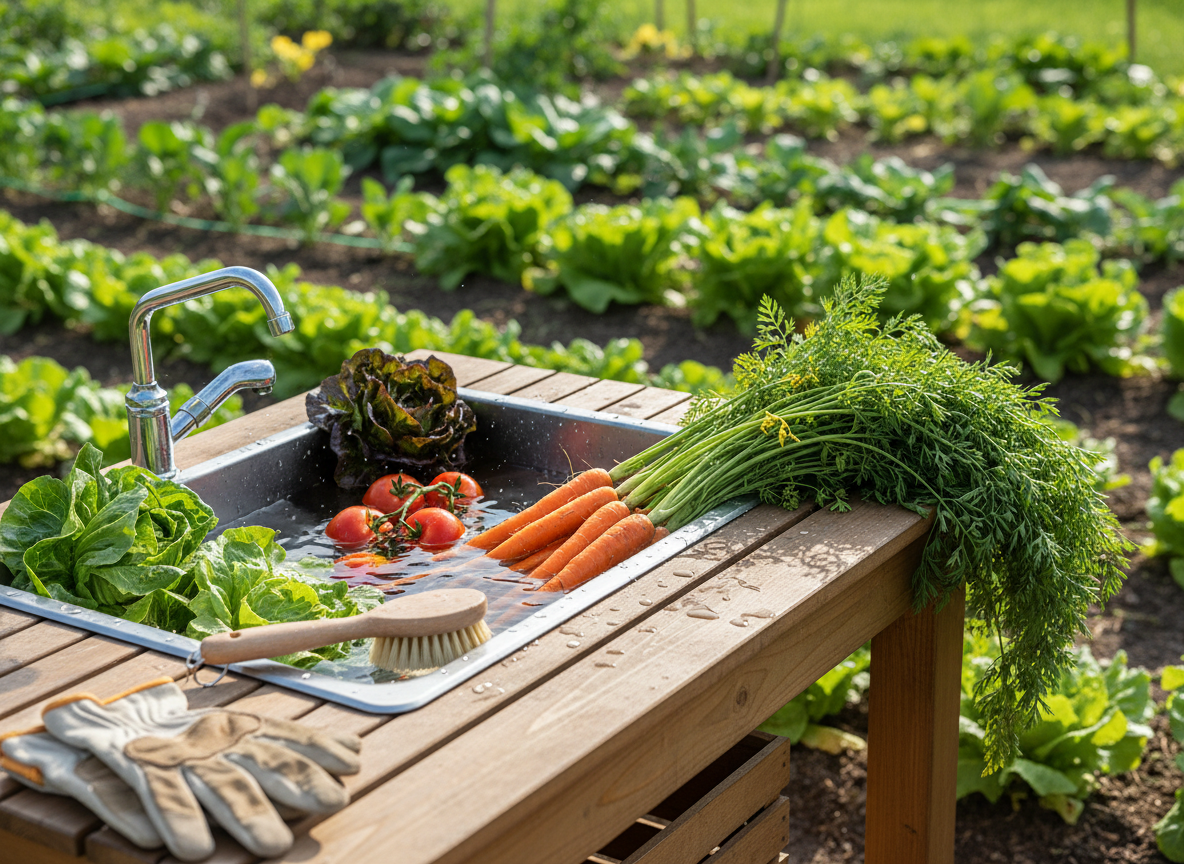
Never rely on washing to make food grown in heavily contaminated soil safe. If test results show a level of concern, stop using the affected area for edible crops until you have a clear plan from the relevant authority or qualified professional. Washing and peeling are helpful hygiene steps, not a replacement for choosing a safe growing site.
Seasonal Garden Soil Safety Checklist
A simple routine helps you keep track of soil conditions without turning gardening into a complicated project. Before each growing season, review the garden’s history, check whether any new fill or compost was added, and decide whether another test is needed. Test again when you change the growing area, notice a possible contamination source, or receive advice to monitor a known issue.
- Before planting: review the site history, test soil when appropriate, and plan food beds away from likely contamination sources.
- When buying materials: choose traceable topsoil, finished compost, and untreated mulch from reliable suppliers.
- During the season: keep bare soil covered, use gloves, wash hands, and keep children away from any area with a known risk.
- At harvest: use clean baskets, rinse produce, scrub root crops, and remove outer leaves where appropriate.
- After gardening: clean tools, leave dirty shoes outside, and store soil amendments in labelled, covered containers.
- Keep records: save laboratory reports and note every amendment so future decisions are based on evidence.
Frequently Asked Questions
How do I know if my garden soil is safe?
Appearance and smell cannot confirm that soil is safe. Use a laboratory test suited to your property’s history and the crops you plan to grow. A routine nutrient test and a contaminant test are different services, so ask the lab which analysis is appropriate.
Should I test soil before growing vegetables?
Testing is a sensible step, especially in older urban yards, near busy roads, beside older painted buildings, or on land with an uncertain history. A routine test can guide pH and fertilizer decisions, while a separate analysis may be needed for lead or other contaminants.
Can raised beds make gardening safer?
Raised beds filled with clean, suitable soil can reduce contact with questionable native ground. Their design, depth, barrier, and crop choices should follow local guidance when contamination is known or suspected. A raised bed is not a substitute for professional advice about a serious chemical hazard.
Does compost remove contaminants from soil?
No. Compost can improve soil structure and add organic matter, but it does not reliably remove lead or every other contaminant. Use compost as a soil amendment only after you understand the test results and have chosen an appropriate growing plan.
Can I grow vegetables after a chemical spill?
Do not plant edible crops in an area affected by a suspected chemical spill until environmental officials or qualified specialists have assessed it. The correct test depends on the chemical involved, and ordinary garden soil kits are not enough to clear a spill site.
What soil pH is best for a vegetable garden?
Many vegetables prefer slightly acidic to near-neutral soil, often around pH 6.0 to 7.0. Some crops need a different range, so use a laboratory recommendation for the plants you are growing rather than changing pH without a test.
Is washing vegetables enough if soil contains lead?
Washing removes soil and dust from produce, but it does not make every crop safe when the growing soil is heavily contaminated. Follow the test report and local public-health guidance, and use clean soil or containers where recommended.
Final Thoughts
Use a simple decision order before planting: identify the garden’s past use, test the actual growing area, confirm that imported soil and compost have a traceable source, and cover any bare ground that should not be disturbed. Keep the laboratory report with your garden notes so future amendments and crop choices are based on evidence rather than guesswork.
If a chemical release is suspected, do not till, dig, or plant in that area while you wait for advice. Keep children and pets away, contact the local environmental or public-health authority, and use the sampling plan they recommend. A garden becomes safer through verified information and the right growing setup—not by covering an unknown problem with compost and hoping for the best.